Tunis Cruise Port Guide
A hidden gem awaits beyond Tunis’s cruise terminal—discover why independent travel beats costly ship excursions.
In this guide
Try one free personalised day plan — built around your ship’s actual arrival and departure times. Then get every port on your cruise done the same way from £7.99 (about $10).
Cruise Port Overview: What To Expect
Tunis’s cruise terminal is genuinely isolated from anything worth seeing, so your entire day hinges on one choice: leave the port or accept whatever the terminal offers. The port itself functions adequately with shops and cafés charging cruise-passenger rates, but nothing here warrants your time or money.
The centre of Tunis sits at a distance that requires transport to reach. Taxis queue outside the terminal, though distinguishing official ones from unofficial operators takes some navigation, and local buses work fine if you’re comfortable figuring out the routes without clear signage. Tour operators and guides congregate near the gangway; some are legitimate, others less so.
Ship-organised excursions get you where you need to go without thinking, but you’ll pay substantially more than if you arrange the same transport and entry independently. The medina and Bardo Museum work perfectly well without guided commentary—the architecture and layout of the medina reveal themselves as you walk, and the museum’s Roman mosaics speak for themselves.
Book an independent guide in advance if you want proper expertise and aren’t keen on wandering solo. These tours fill quickly when cruise ships dock, and booking ahead secures your place while costing less than the ship’s equivalent. Your guide will actually know Tunis rather than simply shepherding groups between scheduled stops.
Getting From the Port To Town
The walk from the cruise terminal to anywhere worth visiting takes longer than expected, which explains why most passengers either pay for a tour or abandon the idea. The port sits far enough from the medina and museums that independent exploration demands either transport or several hours of walking.
Official taxis queue outside the terminal and are painted yellow. They have meters, but drivers often won’t switch them on for cruise passengers, so insist on the meter or agree on a fare before getting in, otherwise you’ll be quoted significantly more than locals pay. A trip to the medina or Bardo Museum costs a moderate amount and involves waiting through traffic.
Local buses run throughout the city if you’re prepared to manage without English signage or announcements. They’re cheap and actually used by residents rather than tourists, so you get an authentic experience alongside the real possibility of going the wrong way. This works only if you accept that you might take detours.
Your most practical option—if you want real guidance without paying ship-excursion rates—is booking an independent guide through established platforms before you arrive. These guides meet you at the terminal, arrange transport, and understand the medina’s layout and history far better than operators selling tours at the gangway. When multiple ships dock simultaneously, the good guides book up quickly, so arranging this in advance saves money and guarantees availability.
The Must-Do Experience: Start Here
Most cruise passengers skip Tunis entirely because the port feels disconnected from the city, but that’s precisely why those who venture in find an uncrowded medina and museums without the queues you’d face elsewhere in North Africa.
Your priority is the Bardo Museum, which houses one of the world’s finest collections of Roman mosaics—the floor mosaics alone justify the journey. Ship excursions to this museum cost considerably more than independent alternatives, and you’ll spend half your time waiting for stragglers rather than actually looking at the exhibits. Book an independent guide through established platforms before you arrive; they’ll collect you at the terminal, handle transport, and skip the tourist groups entirely, leaving you free to spend proper time with the mosaics instead of rushing through.
The medina rewards wandering if you accept that you’ll get lost and that getting lost is rather the point. Navigate towards the Great Mosque and the souks radiating from Rue de la Kasbah, where you’ll find metalwork, textiles, and spice stalls that cater to locals first and tourists second—the prices reflect this. Lunch in the medina costs a fraction of what you’d pay near the cruise terminal; eat where residents eat, which usually means a small café serving couscous or merguez. Consider booking a guided tour through established platforms to enhance your cultural understanding and access areas locals frequent.
Most cruise passengers allocate far too little time to see anything properly, so be ruthless about choosing one or two places rather than attempting a greatest-hits tour. The Bardo Museum alone can fill several hours if you’re willing to actually look at what’s there. Realistic planning means accepting that you won’t see everything, and that’s entirely fine.
History Culture and the Top Sights
Tunis has been continuously inhabited for nearly three thousand years, and the evidence remains accessible if you navigate methodically. The streets and souks weren’t purpose-built for tourism—they existed for commercial activity, and that function hasn’t changed. You’re walking the same routes merchants travelled centuries ago, past spice sellers and metalworkers who still operate according to traditional methods.
The Zitouna Mosque, also known as the Great Mosque of Tunis, anchors the medina and dates to the ninth century. You cannot enter during prayer times, but the exterior architecture and surrounding courtyard demonstrate the structural principles of medieval Islamic design. The neighbourhood immediately around it rewards exploration on foot, particularly the covered arcades of the souks where actual commerce occurs rather than staged transactions aimed at visitors.
The National Bardo Museum warrants more of your attention than any other single location in the city. The Roman mosaics—intricate floor pieces showing hunting scenes and domestic interiors—provide direct evidence of how wealthy North African households actually functioned. Moving through at your own pace takes hours and produces genuine understanding, which organised tour schedules simply don’t permit; independent guides who specialise in the Bardo can be arranged before you arrive and will meet you at the terminal rather than shuttling you between predetermined stops.
Beyond the Centre: Day Trips and Alternatives
Most cruise passengers stay within the medina, leaving the quieter neighbourhoods and archaeological sites beyond it largely untouched. Carthage, the ancient city Rome razed, lies close enough for a half-day trip and offers considerably more breathing room than central Tunis—you’ll walk through Roman streets without the constant pressure from vendors that defines the souks.
Ship excursions to Carthage tend to be expensive and rushed, cramming multiple sites into fixed schedules that prevent you from spending meaningful time anywhere. Independent archaeologists who specialise in Carthage can be booked before you arrive and will meet you at the terminal, allowing you to linger where your interests actually lie rather than where a timetable dictates. This approach costs less than the ship’s equivalent offering and spares you from shuffling through sites in organised groups.
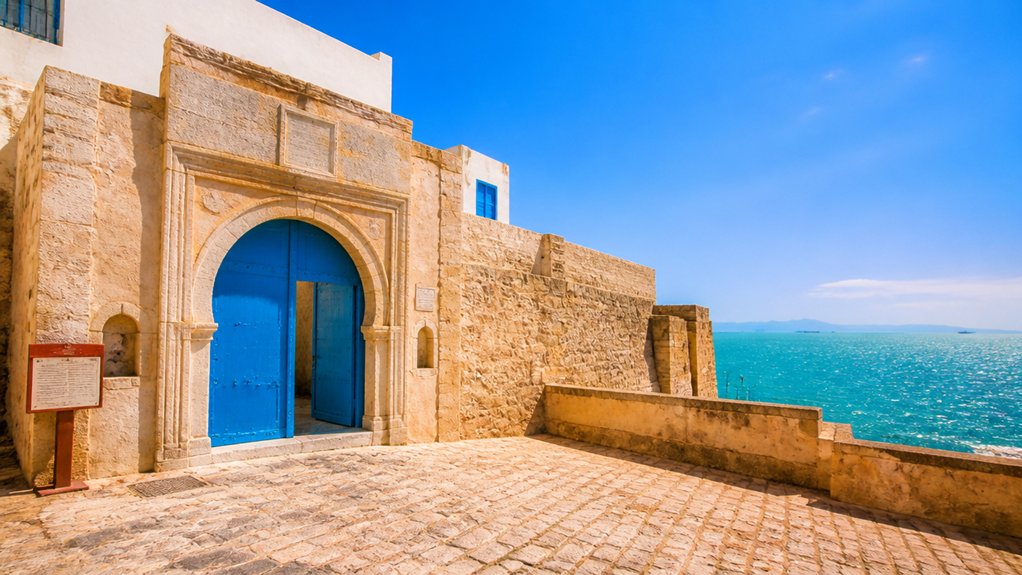
Sidi Bou Saïd sits on a whitewashed clifftop overlooking the coast and represents the other obvious day trip option. The painted doors and blue shutters photograph well, though the cafés lining the main street have raised prices specifically because cruise passengers come regularly. Your best move is arriving early before tour groups appear, taking your coffee at a café one street back from the central square, then walking the residential lanes where the village functions for residents rather than cameras.
Shore Excursion or Going It Alone
The ship’s excursion desk will pitch their Carthage tour as three sites plus lunch, conveniently leaving out that you’ll spend half your time trapped on coaches and the rest of it jogging through Roman ruins alongside fifty other people. Booking an independent archaeologist beforehand costs considerably less than the ship’s version and, crucially, you control the pace at each location instead of being herded through on a fixed schedule. This difference matters because you’ll actually absorb what you’re seeing rather than collecting another ticked box.
Going independently gives you real flexibility. You can hire a local guide with genuine expertise, linger over mosaics and street patterns without feeling rushed, and ask questions rather than endure canned commentary. The ship guarantees you a coach seat and a photo opportunity; independent travel guarantees you’ll learn something and won’t feel taken advantage of.
The downside is that you need to handle the logistics yourself. You’ll book before arrival—popular guides book up quickly during cruise season—and arrange your own transport back to the terminal when you’re done. That small amount of organisation work pays for itself when you spend your time with someone who actually cares about what they’re showing you instead of watching the clock. Arrange a private Carthage tour online before boarding, and the money you save compared to the ship’s package will fund a proper meal somewhere worth eating, with cash left in your pocket.
Tunis: Practical Details Worth Reading Twice
The terminal sits too far from anywhere worth visiting, which means taxi drivers will quote you double rates while you’re still groggy from disembarking. Walk past the initial touts clustered near the exit and find the official taxi stand further along—you’ll pay roughly half the price for the same journey into the medina. Your cruise line will insist the terminal is conveniently positioned; they’re wrong, and accepting their word costs you actual hours.
Security checkpoints around tourist zones look intimidating but reflect management rather than genuine threat. Dress without flash, leave the camera round your neck at the ship, and avoid the jewellery that screams tourist—you’ll draw far less attention than cruise groups typically do. The medina stays reasonably safe in daylight, though pickpockets have perfected their craft in the crowded souks, so keep your bag fastened and anything valuable actually on your person rather than just nearby.
Book an independent Carthage guide before you board, because the archaeologists who actually know this site get booked solid weeks in advance during busy seasons. The gulf between a rushed ship tour and a private guide you’ve arranged yourself isn’t just about comfort—it’s the difference between watching ruins and understanding why they mattered. Sorting this online before you leave port solves your day’s main logistical problem and leaves you free to explore what genuinely interests you rather than running against someone else’s timetable.
Your Port Day: A Sample Itinerary
Skip the ship’s official tours and book an independent guide to Carthage before you arrive. The archaeological sites around Tunis are substantial enough to matter, but without proper interpretation they’re just broken stone, and the competent guides fill their schedules weeks in advance during the busy months.
Take a taxi from the official stand early and go directly to Carthage, where your guide will be waiting. Two hours with someone who knows the Punic Wars and Roman occupation beats half-listening on a crowded coach with dozens of other passengers. You’ll actually understand what you’re looking at instead of squinting at plaques.
Return to the medina around midday and eat lunch in one of the restaurants on the side streets instead of the obvious tourist area. The food costs less and tastes better because locals eat there, not because of marketing. Order something substantial like couscous or tagine and sit down rather than eating standing up.
Wander through the souks with a purpose instead of drifting from stall to stall like a tour group. Decide what you might actually want before you start looking, which keeps you from buying things you’ll abandon later. If the crowds become too much, the Bardo Museum holds mosaics worth seeing, but factor in the travel time it requires.
Give yourself enough time to return to the terminal without rushing. Consider booking professional drivers in advance to ensure reliable transportation back to the port. Port day anxiety is a genuine problem that no souvenir justifies, so build in a buffer for getting lost or queuing at the taxi stand.
Book your Tunis day
Tours for this port, compare before you book
Getting around in port