Kiel Cruise Port Guide
Optimize your Kiel cruise visit with insider tips on attractions, budget hacks, and timing strategies—but there’s one critical mistake most passengers make.
In this guide
Try one free personalised day plan — built around your ship’s actual arrival and departure times. Then get every port on your cruise done the same way from £7.99 (about $10).
Cruise Port Overview: What to Expect
Kiel sits at the head of a narrow fjord, which means your ship will take a scenic route getting in and out—this isn’t a quick turnaround port, so don’t panic if you’re docked later than expected. The terminal itself is compact and manageable, located within walking distance of the city centre, though the walk itself is unremarkable. What matters more is that Kiel attracts fewer cruise passengers than other Baltic ports, which means you won’t fight crowds at the main attractions, but it also means fewer English-language information signs and fewer tour guides lingering around the terminal.
The city centre spreads along the waterfront and is easily navigable on foot once you leave the port area. Most worthwhile stops—the Kiellinie promenade, the old market square, independent cafés—sit within a reasonable radius, so you won’t waste time on navigation. The real decision you’ll face is whether to explore the city on your own or book an independent tour of the nearby Naval Memorial at Laboe or the U-995 submarine, both popular with cruise passengers. To stay connected while exploring, consider purchasing a local eSIM data plan to navigate independently without incurring roaming fees.
These tours sell out quickly among ship excursions, so booking ahead online considerably reduces what you’ll pay and guarantees you a spot rather than discovering the tour was full by mid-morning. Kiel feels quieter than its size suggests, which works entirely in your favour if you plan properly—you’ll actually see what you came to see without elbowing through crowds. Local restaurants don’t automatically inflate prices for obvious cruise tourists, so eating well won’t require you to search for value.
Getting From the Port to Town
The walk from the terminal into Kiel’s city centre tells you almost nothing about what you’ll find once you arrive. Most cruise passengers either pay for a shuttle or reach town already exhausted, but walking actually makes more sense because the route is direct and quicker than waiting for transport. Your legs handle the navigation; getting lost isn’t a realistic concern.
Leave the terminal and follow the waterfront into the centre; the route is short and flat. The return is just as easy, and by then you’ll know the way. A taxi or shuttle costs far more than it should for the distance, and you’ll spend time in traffic anyway.
If walking doesn’t appeal, the city bus network stops near the terminal, though the signage doesn’t cater specifically to cruise passengers. The information desk can tell you which stop to use and what a single journey costs. The bus becomes genuinely useful if you’re planning to explore beyond the immediate city centre or if weather deteriorates, but reaching the main attractions and cafés is easier on foot. Before your visit, consider booking guided tours and shore excursions to maximize your time in Kiel’s most interesting neighborhoods and attractions.
Getting into town requires a short, flat walk, nothing more. Once you’re at the waterfront, the layout becomes clear and you’ll see why the effort was reasonable.
The Must-Do Experience: Start Here
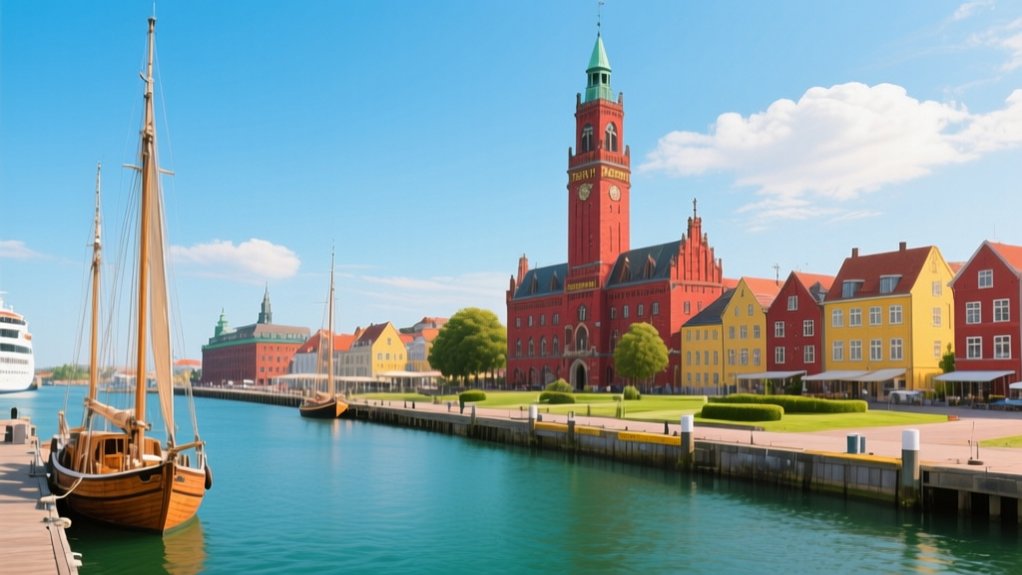
Kiel’s waterfront works as your entry point because the port itself tells you what the city is. Spending your first hour at the water’s edge rather than wandering inland museums gives you the actual picture before you decide what else matters. The Förde is the reason anyone comes here—it shapes the city’s function and its character.
Walk to the Kiellinie, the promenade that runs along the harbour. You’ll see working boats, naval vessels occasionally, and ferries moving in and out, which tells you more about Kiel than any guided tour. The cafés along this stretch charge reasonable prices and let you sit still long enough to watch the water and the traffic on it.
From this vantage point, you can choose what to do next based on actual interest rather than guidebook obligation. Maritime history pulls some people toward the U-995 submarine and Naval Memorial, which are straightforward places without the theatrical staging of mainstream attractions. Others prefer simply walking the promenade for as long as you fancy without any plan beyond direction.
If the weather deteriorates, the Kunsthalle is close by and stays manageable in terms of crowding. Everything after this first hour—whether you explore the old town, take a walk on your own, or stay put at the water—flows from what you see and feel during this opening stretch.
🗺️ Tours & Experiences at This Port
Skip the ship’s overpriced excursions — browse top-rated independent tours trusted by thousands of cruise passengers.
History Culture and the Top Sights
Kiel’s museums operate on a logic that doesn’t suit cruise passengers—they’re spread across the city and slow to move through, which means most people end up rushing them or skipping them altogether. The real cultural experience is in how the city reads itself through its relationship with the sea and naval heritage, not in sitting inside buildings. Walking the old town streets along Dänische Strasse and the lanes around the Nikolaikirche teaches you more than any museum visit, showing you how locals actually move through the city, where they drink coffee, and what the architecture tells you about Kiel’s layers.
The U-995 submarine and Naval Memorial work because they’re focused experiences. You’re not wandering galleries deciding what matters; you’re walking through an actual vessel that shaped history. The Maritime Museum operates similarly—it’s contained, specific, and doesn’t pretend to be something it isn’t.
The Kunsthalle is worth considering only if weather drives you inland or if you’re genuinely interested in contemporary work. It’s free to enter, though donations are expected, and it’s uncrowded compared to mainstream tourist stops. Skip it if you’re pressed for time; it won’t change your understanding of Kiel.
Walking the old town streets costs nothing and is the better use of limited time. Book any independent tours or walking guides in advance online if you want structured insights, as quality options fill quickly for cruise arrivals. From the city centre terminals, the train station is a ten-minute walk.
Beyond the Centre: Day Trips and Alternatives
Most ship excursions from Kiel head toward the countryside because it’s quieter and easier to manage groups, which means they skip over what actually makes the city worth exploring. Going it alone costs substantially less and lets you set your own rhythm, but you’ll need to plan a bit beforehand.
The public transport system works straightforwardly once you know the basics. Buy a day ticket at the station instead of individual journeys; it covers the city buses, which get you to the old town and the waterfront without worrying about fares each time, and buses also run out to Laboe for the U-995. Since you’re only ashore for six or seven hours, wasting time on navigation rather than spending money is the real concern.
Independent walking tours booked online beforehand offer far better value than ship excursions and run often enough that you’ll find a departure matching your schedule. Popular guides book up quickly when cruise ships arrive, so reserving a day or two ahead guarantees a place and typically costs a fraction of what the ship charges. Tours covering old town architecture and naval history work better than generic city overviews because the people leading them actually know Kiel rather than reading from a script.
If weather becomes genuinely poor, the ship excursion becomes more practical because it handles logistics for you. Otherwise you’ll pay less, learn more, and spend your day on your own terms.
Shore Excursion or Going It Alone
Kiel’s waterfront cafés charge cruise passenger rates, but the same coffee costs significantly less two blocks inland where locals congregate. This price difference matters considerably when you’re managing both time and budget across a single port day. The geography is simple: walk away from the terminal and your money stretches further.
The U-995 submarine works regardless of whether military history interests you—the physical reality of wartime submarine life becomes tangible when you’re actually standing in those cramped compartments. You should book your entry slot before arriving because slots fill quickly during cruise season and queuing on the day wastes hours you won’t recover. The naval memorial museum provides useful context if you have time, but skipping it to go directly to the submarine won’t leave you missing anything essential.
Restaurant pricing follows the same predictable pattern as the cafés: closer to the ship means paying more for identical food. The old town and residential streets running parallel to the waterfront serve the same schnitzel and coffee for substantially less. Consider purchasing a local eSIM data plan before your visit to avoid roaming charges while using maps and translation apps throughout the port. Local bakeries offer pastries and sandwiches suitable for a quick lunch, which leaves you actual time for exploring rather than sitting through a lengthy meal.
Photograph the old town’s narrow streets in the morning before midday crowds accumulate, since morning light works better and you’ll have space to move. Shift toward either the waterfront walk or the submarine museum in early afternoon depending on the weather and how much energy you have left. This approach covers what’s actually worth seeing without creating the sense that you’re perpetually rushing.
Local Knowledge Worth Having Before You Dock
Kiel’s public transport works efficiently once you grasp the basic layout: your cruise terminal sits right beside the city centre at the main quays, so walking is usually quickest and city buses cover anything further out. Most cruise passengers automatically queue for taxis or shuttle buses without realising that a standard bus ticket costs significantly less and delivers you directly into the city centre within minutes—the stops are clearly marked near the terminal, and asking locals for help actually works.
The tourist information centre near the waterfront has detailed maps and staff who know the city, though their suggestions tend toward the established attractions rather than places where fewer people congregate. Skip the expensive guided walking tours sold from the ship’s desk; instead, take a map and navigate the old town yourself—the streets follow a logical pattern, so being temporarily turned around becomes part of finding what interests you rather than a genuine problem.
Book independent tours and museum entry slots online before your port day, especially if you want to visit the U-995 submarine. Popular time slots fill during cruise season, and arriving without a booking means spending hours waiting in queues at the terminal gates. Pre-booking does two things simultaneously: it guarantees your place and gives you actual plans that stop you wasting energy trying to decide what to do next. Consider exploring guided excursions at ports to discover curated options that balance convenience with authentic local experiences.
The Kiel Week festival, should your visit coincide with it, transforms the waterfront into something chaotic but worth experiencing rather than avoiding. Managing this requires a different approach to your morning—either arrive at main attractions very early or abandon them entirely in favour of the festival itself, depending on what appeals to you.
Your Port Day: A Sample Itinerary
Kiel compresses into half a day if you’re strategic, which means deciding between the submarine or old town before you leave the terminal. The U-995 develops long queues by mid-morning, so if you want to see it, book your entry slot online before arrival. From the city centre terminals, the train station is about a ten-minute walk. If your ship uses Ostuferhafen, you are well away from the centre and walking is not practical, so arrange transport.
By midday, sit down at one of the harbourside restaurants along the Förde for lunch; the view of working port life matters more than the food, and you’ll get a genuine sense of how Kiel actually functions rather than what tourism has packaged for you. Eat deliberately rather than rushing—this is where your day shifts from ticking off attractions to actually noticing what’s around you.
Your afternoon depends on what energy you have left and what interests you. If you’ve covered the submarine and old town, the Kiel City Museum shows local history without the tourist crowds you’d find in larger German cities, or you can walk the waterfront promenade toward the Botanical Gardens if the weather is decent and you want something quieter. Work backwards from your ship’s all-aboard time and arrive at the terminal thirty minutes early; Kiel’s port runs smoothly, but buses and traffic can run slow on busy cruise days.
🗺️ Tours & Experiences at This Port
Skip the ship’s overpriced excursions — browse top-rated independent tours trusted by thousands of cruise passengers.
Book your Kiel day
Tours for this port, compare before you book
Getting around in port
✈️ Before you sail: eSIM, insurance, luggage, flight delays
Ships In Kiel
Upcoming calls from our sailings tracker, updated regularly.
MSC Euribia
MSC CruisesSat 10 Oct
⚓ 09:00–18:00
MSC Euribia
MSC CruisesSat 24 Apr
⚓ 09:00–19:00
Costa Diadema
Costa CruisesFri 30 Apr
⚓ 08:00–19:30
MSC Euribia
MSC CruisesSat 1 May
⚓ 09:00–19:00
Costa Diadema
Costa CruisesFri 7 May
⚓ 08:00–19:30
MSC Euribia
MSC CruisesSat 8 May
⚓ 09:00–19:00