Copenhagen Cruise Port Guide
Whether you’re docking in Copenhagen or planning your first cruise, discover insider secrets that cruise staff won’t tell you.
In this guide
Try one free personalised day plan — built around your ship’s actual arrival and departure times. Then get every port on your cruise done the same way from £7.99 (about $10).
Cruise Port Overview: What to Expect
Copenhagen’s cruise terminals at Langelinie and Nordre Toldbod sit close enough to the city centre that you can walk there without much trouble (Oceankaj, further north, needs a bus or shuttle), but this proximity creates a predictable problem: the main attractions fill with cruise passengers between morning and mid-afternoon. The advantage is genuine—you’ll have time to see something worth seeing, which isn’t guaranteed at most ports where the ship itself becomes the entire day’s entertainment.
The terminal operates with typical Danish efficiency. You’ll move through it quickly, find clear directions toward the city, and encounter no hard-sell tourism operators or staged cultural performances. It’s refreshingly no-nonsense, which some find dull but most find practical.
The walk to the city centre is manageable, though you might prefer using local transport if you’re carrying bags or feeling tired. The main streets from the harbour are pedestrianised and clearly marked for cruise passengers, so navigation poses no real difficulty, though you’ll share the route with several hundred other people all heading toward Nyhavn simultaneously.
Weather here has more impact on your day than at most ports. Copenhagen winters are cold and grey; summers are reasonably pleasant. Regardless of season, you should dress in layers. Crowds are less intense than Mediterranean ports, partly because Copenhagen has enough space and distributed attractions to spread people across the city rather than concentrating them in one area.
Spend your first half hour getting oriented—obtain a map, have a coffee, then move deliberately away from the immediate harbour zone before you begin exploring properly.
Getting From the Port to Town
If you’re berthed at Langelinie or Nordre Toldbod, you’re close enough to the city centre that walking is genuinely your best option. From Oceankaj it is too far to walk, so take the bus to Orientkaj metro station instead. Your feet will get you there without fuss, and the pedestrianised route is marked clearly enough that you’d have to actively ignore the signs to go wrong.
If walking doesn’t appeal—bad knees, heavy bags, or simply not in the mood—local buses run constantly and cost very little per journey. Buy your ticket at the terminal or from the machines at stops; the system operates without complication or hidden charges. Taxis are significantly more expensive than you’d probably guess for such a short distance, so they make sense only if you’re in a group or carrying serious amounts of luggage.
Walking offers genuine advantages beyond just saving money. You move at your own pace, can stop for coffee without anxiety about missing a departure, and sidestep the specific irritation of standing with two hundred other cruise passengers all watching the clock. You also arrive in the city actually feeling like you’ve travelled somewhere, rather than simply being deposited at a tourist office.
The streets along the harbour are well looked after and reasonably pleasant to walk through. If the weather cooperates, this walk serves as a decent introduction to how the city functions. The real attractions and better coffee are in the city centre itself, so keep moving rather than lingering on the route.
The Must-Do Experience: Start Here
Most cruise passengers arriving in Copenhagen waste their morning in the same way: they head to Nyhavn, queue for an hour, and eat lunch that costs twice what it should. You can do better by going elsewhere first.
Walk to Tivoli Gardens the moment you leave your ship. The admission fee is steep, but what you’re paying for isn’t rides—it’s access to a garden that’s been operating for nearly two centuries and that locals actually use. People come here to sit with coffee and read the newspaper, which tells you everything about what this place actually is.
Book your ticket online before you arrive. Slots during cruise season fill up, and buying in advance costs less than paying at the entrance. The gardens open for set seasons rather than all year, and summer brings crowds and outdoor music while the Christmas season offers quieter pathways lit by small lights.
Spend enough time here to walk around properly and eat something from one of the cafés. This changes how the rest of your day unfolds. You’ll move through Copenhagen having already done something real, rather than starting from the same crowded spots as everyone else on your ship.
🗺️ Tours & Experiences at This Port
Skip the ship’s overpriced excursions — browse top-rated independent tours trusted by thousands of cruise passengers.
History Culture and the Top Sights
Copenhagen’s primary attractions operate on a seasonal schedule that works in your favour during winter months. Cruise passengers arriving in colder seasons encounter shorter queues and a genuinely manageable experience at sites that become overwhelmed during summer. Rosenborg Castle remains open year-round, which means you can view the Danish crown jewels without competing with hundreds of other visitors for space.
The castle was built as a royal home rather than a showpiece, and although it is now a museum, that changes how you experience it. Christian IV commissioned it as a summer retreat in the early 1600s, and that domestic quality persists throughout the rooms and corridors. An hour spent climbing the narrow wooden stairs and moving through the spaces will teach you more about Danish history than spending three hours at Nyhavn watching cruise passengers consume expensive smørrebrød.
Christianborg Palace serves as the seat of parliament and offers genuine insight into how Denmark operates as a country. Independent guided tours of the royal reception rooms explain the actual mechanics of Danish governance rather than simply displaying royal portraiture and furnishings. Book these tours well ahead of your visit, as the better ones fill quickly during cruise season and typically cost substantially less than the ship-organised alternative while delivering far more useful information.
Vor Frelsers Kirke functions as a working church rather than a museum space, which means you’ll encounter actual worship and community use alongside tourism. The tower climb involves effort but provides legitimate views across the harbour that help you orient yourself within the city’s geography. The neighbourhood surrounding the church maintains its local character despite regular tourist passage through the area.
Beyond the Centre: Day Trips and Alternatives
Ship excursion packages charge heavily for services you can manage independently using Copenhagen’s efficient public transport system. You’ll save money and avoid being locked into a fixed schedule that prioritises getting you back to the harbour over what you actually want to see.
Kronborg Castle in Helsingør was built as a genuine military installation rather than a decorative palace, which means its ramparts and bastions reveal how Danish defence actually worked. The town maintains ordinary harbour activity beyond the tourist circuit, so you encounter actual working life rather than a performance designed for visitors. The Shakespeare connection exists, but the fortress itself carries more weight historically.
Louisiana Museum of Modern Art operates differently from conventional galleries by spacing contemporary work through a landscape setting rather than confining it to interior rooms. The collection emphasises quality, and the coastal location provides genuine intervals between viewing spaces. It attracts fewer visitors than Copenhagen’s central museums and charges a standard admission fee.
Roskilde contains cathedral architecture, functional demonstrations at the Viking Ship Museum, and a working market town without the cruise passenger concentration that dominates central Copenhagen. Reaching it requires public transport but the journey is straightforward and economical. Independent guided tours of either location cost significantly less than ship packages and provide substantive information about why these places matter to Denmark, though you should book ahead as the better operators fill quickly. You can book guided tours through independent operators who specialise in these destinations and offer more flexible itineraries than standard cruise port packages.
Shore Excursion or Going It Alone
The cruise lines’ greatest con isn’t charging you heavily for excursions—it’s making you believe you need their permission to explore independently. Copenhagen’s public transport works so reliably that you’ll spend less time waiting for a timetable than you would queuing to board the ship’s tender.
Your ship excursion to Kronborg Castle typically involves a coach journey, a rushed hour inside the fortress, and nervous glances at watches to guarantee you’re back by departure time. Going independently means you control the pace entirely. You can spend time on the ramparts without feeling hurried, explore the bastions properly, and stay in Helsingør’s working harbour neighbourhood for lunch at ordinary prices rather than the inflated costs at tourist-focused venues near the coach park.
The same principle applies to Roskilde or Louisiana Museum. Better independent tour operators fill their slots well before your ship arrives, so book ahead online as soon as your sailing date is confirmed. You’ll pay considerably less than ship packages, gain genuine expert knowledge about why these places matter to Danish history and culture, and avoid moving with fifty other passengers in identical lanyards.
Public transport runs efficiently enough that you won’t need a guide for basic navigation. What you will want is someone who explains context—why Kronborg’s military design matters, what the Viking ships reveal about Norse society, how Roskilde functioned as Denmark’s medieval power centre. That knowledge transforms a day trip from sightseeing into understanding.
Book early, travel independently, and you’ll have considerably more freedom and considerably more money remaining for a proper dinner when you return to the ship.
🗺️ Tours & Experiences at This Port
Skip the ship’s overpriced excursions — browse top-rated independent tours trusted by thousands of cruise passengers.
Small Things That Make a Difference in Copenhagen
The cruise desk will tell you Copenhagen is further away than it actually is. Getting to the city centre takes considerably less time than their estimate, which means you’ll have extra hours simply by taking a direct route rather than following their suggested path.
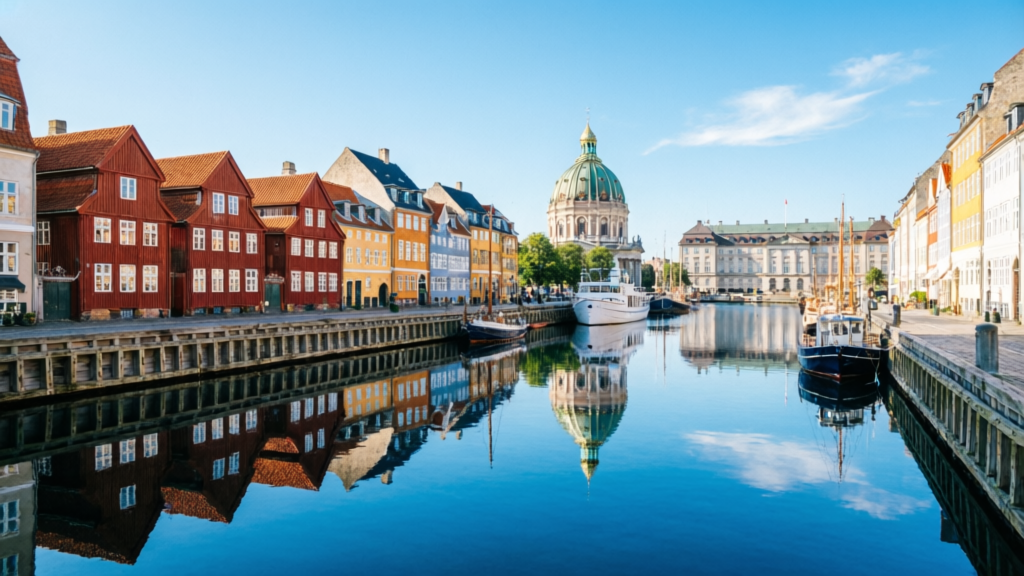
Nyhavn waterfront draws crowds, particularly after midday when other cruise passengers arrive in volume. Visit early, drink coffee at a regular café away from the waterfront establishments, and you’ll have actual space to move around and look at the buildings without queuing.
Denmark uses the Danish krone, and contactless payment functions almost everywhere you’ll go. Cash is unnecessary for most transactions. The practical advantage comes from exploring your actual dock area first—whether that’s Oceankaj, Nordre Toldbod or Langelinie—which are working ports rather than tourist constructions. You’ll see how locals navigate the place before heading toward the packaged districts. Consider purchasing a local eSIM data plan to stay connected without incurring expensive roaming charges while exploring the city.
Copenhagen’s Sunday schedule differs from what you might expect, with many businesses closing earlier than in other European cities. If your port day falls on a weekend, schedule museums for mornings when they’re open and staffed properly. Evening dining becomes difficult because restaurants either shut or charge substantially more for limited menus, so eat lunch somewhere worthwhile rather than accepting whatever remains open when you’re hungry later.
Your Port Day: A Sample Itinerary
Your port day in Copenhagen works best if you make one choice before leaving the ship: skip the organized tour and take a local train instead, which costs less and gets you into the city centre with extra time to spare. Head straight to the nearest station from your berth (Østerport from Langelinie, Marmorkirken metro from Nordre Toldbod, or Orientkaj metro by bus from Oceankaj) and buy a day ticket for public transport. This simple move puts you ahead of other cruise passengers and gives you actual freedom to move around.
Start by walking Strøget, the pedestrian shopping street, early enough that you can actually move without being pushed along by crowds. Grab breakfast or coffee at one of the cafés just off the main street rather than paying restaurant prices for the same drink. You’ll eat better and spend less by doing what locals do.
By midday, head toward Christiansborg Palace or Rosenborg Castle depending on what interests you, as both give you real information about Danish history without the tourist machinery that surrounds Nyhavn. If museums appeal to you, book a guided tour through independent operators rather than through the ship, as these fill quickly and offer better value. Eat lunch at a smørrebrød sandwich shop run by locals, which means avoiding the waterfront places with laminated picture menus.
Spend your afternoon in Tivoli Gardens if the season is open, or rent a bicycle and explore Christianshavn, which is straightforward and costs little. Build in enough time to return to the dock without rushing, and you’ll have seen far more than passengers who followed the cruise desk’s route, spent considerably less money, and actually seen how the city works rather than how it presents itself to visitors.
Book your Copenhagen day
Tours for this port, compare before you book
Getting around in port
✈️ Before you sail: eSIM, insurance, luggage, flight delays
Ships In Copenhagen
Upcoming calls from our sailings tracker, updated regularly.
Norwegian Sun
Norwegian Cruise LineFri 9 Oct
⚓ 11:30–23:59
MSC Euribia
MSC CruisesSun 11 Oct
⚓ 08:00–18:00
Ambience
Ambassador Cruise LineMon 12 Oct
⚓ 08:00–18:00
Sky Princess
Princess CruisesThu 29 Oct
⚓ 07:00–20:00
Aurora
P&O CruisesFri 18 Dec
Fred Olsen Bolette
Fred OlsenMon 29 Mar