Stockholm Cruise Port Guide
Plan your perfect Stockholm cruise visit with insider tips, must-see attractions, and budget-friendly transport hacks—but wait until you discover the archipelago secret.
In this guide
Try one free personalised day plan — built around your ship’s actual arrival and departure times. Then get every port on your cruise done the same way from £7.99 (about $10).
Cruise Port Overview: What to Expect
Stockholm’s cruise terminals are spread around the city’s harbours instead of grouped together: Stadsgården on Södermalm, Frihamnen and Värtahamnen further out to the north-east, and for some of the largest ships Nynäshamn, around an hour south of the city. This setup requires planning because only Stadsgården is within easy walking distance of the city centre, so from the others you’ll need to arrange transport rather than walk straight into town. The practical advantage is that once you’re organised, the city centre itself is compact and public transport is efficient.
Summer brings heavy cruise traffic, particularly in July and August, but Stockholm’s size means the crowds won’t compress you like they do in smaller ports. Getting into the city quickly matters more here than in ports where you can step directly onto a promenade. Your port experience hinges almost entirely on which terminal you dock at and how quickly you sort out your transport.
Book tours and activities independently rather than through the ship. Direct booking costs less than the ship’s markup and gets you away from coach group waiting times. Peak season fills the best walking tours, kayaking trips and archipelago cruises fast, so advance booking isn’t optional—it’s necessary.
The practical rule is straightforward: don’t spend your morning figuring out transport or standing confused outside the terminal. Know exactly how you’re reaching the city before the ship docks and move within half an hour of stepping off. Stockholm works well for cruise visitors, but only if you treat the logistics as seriously as your itinerary.
Getting From the Port to Town
Stockholm’s cruise terminals operate independently, so getting into the city requires either paying for a taxi, joining a queue for a shuttle bus, or navigating the local transport network alongside other passengers. The frustration is real but manageable, and sorting this quickly determines whether your port day actually happens or dissolves into logistical delays.
Your choice depends on which terminal you’re using. Whether you’re docked at Stadsgården, Frihamnen or Värtahamnen, public transport takes you to the city centre affordably and within reasonable time. Buy a day pass at the terminal or use your phone beforehand—Swedish transport runs almost entirely cashless, so you’ll need one or the other.
Taxis cost more than they should but eliminate confusion if you’re short on time or carrying heavy luggage. Pre-book through your hotel or ask terminal staff for a reliable company rather than grabbing one from the rank. The shuttle buses run by cruise lines are convenient in theory but charge significantly more than public transport for the identical route.
Skip the ship’s organised transport unless you’re committed to a full-day excursion through them. Independent travel is cheaper, faster, and gives you control over your schedule rather than forcing you onto a coach with dozens of other cruise passengers. Consider booking guided excursions at the port directly to combine structure with flexibility and local expertise. Walking from the city centre train station to the Old Town is straightforward and beats wasting time on a bus.
Move quickly once you leave the ship. Stockholm rewards preparation and momentum, and reaching the city with usable daylight ahead changes what you can actually accomplish during your time ashore.
The Must-Do Experience: Start Here
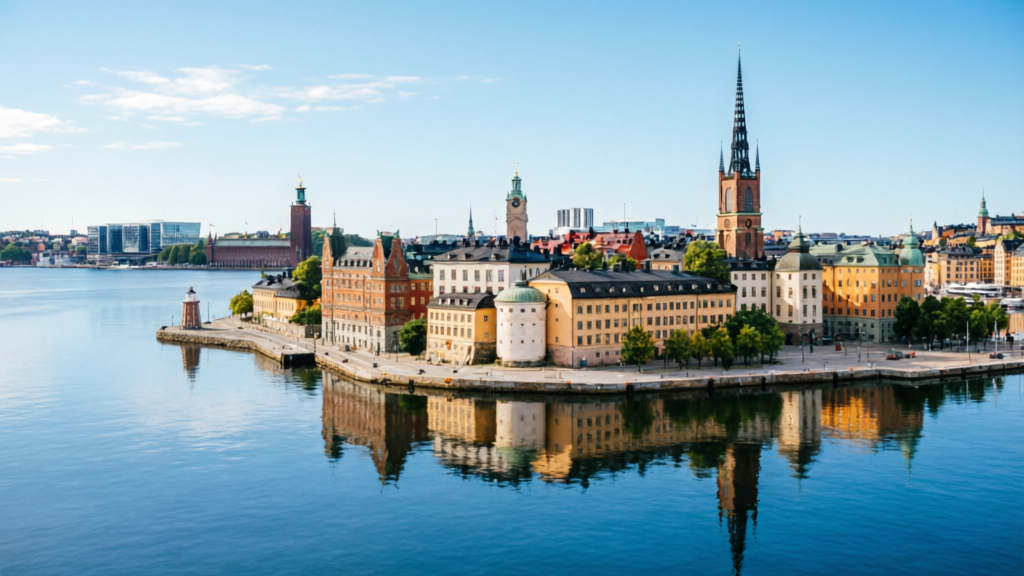
Most cruise passengers spend their first hour in Gamla Stan—the Old Town—when they’d be better off saving it for late afternoon. The neighbourhood is worth seeing, but it’s also where every other ship passenger goes, and by mid-morning the narrow medieval streets become so crowded that moving through them becomes pointless rather than enjoyable.
Start instead with Djurgården, the island park containing Stockholm’s main museums and gardens without the tourist crush of the Old Town. The tram or a walk across the bridge gets you there straightforwardly from the city centre, and your early hours are better spent at Vasa Museum, where an exceptionally preserved warship from the 1600s occupies a cavernous hall. The ship sank on its maiden voyage, which lands somewhere between darkly amusing and slightly depressing depending on your perspective, but the museum itself doesn’t resort to the gift-shop theatre most tourist attractions rely on.
If maritime history doesn’t interest you, Skansen open-air museum offers Scandinavian buildings, traditional crafts, and a zoo that feels genuine rather than calculated. Both museums warrant booking independent timed tickets well beforehand, as popular slots fill quickly and cruise passengers without reservations typically face substantial queues mid-morning.
Save Gamla Stan for late afternoon when daylight is fading and most organised tours have moved elsewhere. The medieval architecture photographs better in golden light, crowds thin slightly, and you’ll actually have room to notice the cobblestones and copper roofs that warranted the visit. By then you’ve already seen Stockholm properly, rather than simply squeezed through its most famous neighbourhood.
🗺️ Tours & Experiences at This Port
Skip the ship’s overpriced excursions — browse top-rated independent tours trusted by thousands of cruise passengers.
History Culture and the Top Sights
Stockholm’s history doesn’t sit quietly in museums—it sprawls across islands, survives in street names, and occasionally surfaces when you’re simply trying to find lunch. The city has been a serious player in Nordic affairs since the 1200s, which means layers of medieval, Renaissance and 18th-century architecture compete for your attention without warning.
The Royal Palace contains more rooms than most people could visit in a lifetime, and the Changing of the Guard happens regularly, but honestly, the building’s exterior is more interesting than queuing through its interior. You’ll gain more from wandering the administrative and aristocratic buildings dotting Gamla Stan—notice the dates carved above doorways, the narrow alleyways designed for medieval commerce, the way the architecture shifts subtly between centuries. These streets tell you how the city actually functioned rather than how it presented itself to visitors.
Drottningholm Palace sits on an island outside the city centre and works well if you’re willing to travel beyond downtown. The palace and gardens attract fewer tourists than the Old Town, and reaching it by public transport costs considerably less than a ship excursion while taking roughly the same amount of time. You’ll need to book your timed entry ticket online beforehand, as the popular slots fill up quickly during cruise season.
The Swedish History Museum provides context without pretension—Swedish history from prehistory through the Viking Age and the Middle Ages, explained straightforwardly rather than theatrically. It’s less famous than Vasa, which means fewer cruise passengers clogging the rooms, which means you can actually read the information boards without contorting yourself. Most visitors overlook it entirely, which is their loss and your gain.
Beyond the Centre: Day Trips and Alternatives
The cruise line’s archipelago excursion costs far more than what you’d pay arranging it yourself, yet the archipelago genuinely warrants the effort. Stockholm’s thirty thousand islands aren’t a marketing invention—they’re a real geographical feature that substantially alters how you experience the city, and viewing them from the water makes a tangible difference compared to reading descriptions from your cabin.
Two practical approaches work well. Booking an independent archipelago tour online before you arrive costs considerably less than the cruise line’s offering, and you’ll travel with other independent visitors rather than a shipboard group. The actual experience remains the same; only your expenditure and the crowd composition change.
Alternatively, take public transport to the harbour and catch a regular ferry to an outer island. Djurgården functions well if you’re pressed for time—regular ferries reach it, it contains museums and walking routes, and you need no advance booking. You’re essentially following what residents do rather than following the tourist infrastructure’s expectations, which means experiencing the archipelago without the premium markup or queuing.
Either approach represents spending your money more sensibly than defaulting to the ship’s package. The archipelago deserves your time; it simply doesn’t warrant the premium the cruise line charges for showing it to you.
Shore Excursion or Going It Alone
The cruise terminal sits outside the Old Town, which works in your favour if you’re prepared to navigate independently. The ship’s guided tours charge roughly double what you’d pay sorting things out yourself, and you’ll actually see more because you’re not constrained by group pace. Book your Vasa Museum ticket online before you arrive and you’ll skip the queue, save money, and show up on your own schedule rather than the ship’s. Consider purchasing a local eSIM data plan to stay connected while exploring Stockholm at your own pace without incurring expensive roaming charges.
Before You Leave the Ship: Stockholm Practicalities
The cruise terminal sits away from the Old Town, which means Stockholm hasn’t been entirely overrun by the tourist machine yet. Crowds exist, but they’re manageable if you plan your movements and know where actual residents spend their time. The city’s character remains largely intact because the infrastructure that typically suffocates tourist destinations hasn’t completely taken over.
In the Old Town, restaurant pricing follows a predictable pattern: proximity to the water equals inflated bills for mediocre fish soup. Walk inland three streets and you’ll eat proper Swedish food at normal prices, surrounded by people reading newspapers instead of laminated menus in six languages. The same logic applies to coffee—skip the obvious tourist cafés and find a fika spot where office workers line up, not cruise passengers.
Your phone’s offline maps matter here because the streets genuinely confuse even people who navigate regularly. Download them before leaving the ship because the public transport signage assumes you already know how everything works. The system itself functions well, but you’ll waste time deciphering which ticket you actually need. Consider purchasing a local eSIM data plan to stay connected without expensive roaming charges while navigating the city.
Stockholm’s archipelago islands contain the substance that the terminal area lacks, and you won’t glimpse them from your ship. Independent boat tours from Strandvägen provide access to actual Swedish island life—cafés overlooking the water, swimming if you’re willing to brave the temperature, genuine quiet. These tours book up quickly with cruise passengers, so arranging your spot online in advance beats queuing at the terminal hoping for availability.
Your Port Day: A Sample Itinerary
Leave the terminal neighbourhood behind entirely. Buy a day pass at the public transport ticket office and walk to Gamla Stan, where medieval streets function as an actual district rather than a museum exhibit. Arriving early means fewer cruise passengers clogging the main routes.
Spend your morning in Gamla Stan’s side streets rather than following the obvious path. The Royal Palace offers conventional architecture if that appeals, but the practical value sits in smaller streets where fika cafés serve people heading to work, independent bookshops stock things locals read, and restaurants feed locals rather than visitors. Order coffee and a pastry somewhere the queue contains people in work clothes.
By midday, move inland to Norrmalm or Södermalm where Stockholm’s actual residents live and eat. Södermalm particularly justifies walking because independent shops and vintage stores operate normally regardless of cruise schedules, and prices reflect what locals actually pay. Lunch here takes proper time rather than efficiency.
Your afternoon depends on your priorities. The archipelago requires booking an independent boat tour in advance since popular routes fill quickly, and this shows you what Stockholm actually is rather than what the port offers. Photography and modern art museums exist but time won’t cover both, so choose one. Alternatively, sit in a waterfront café and watch how the city operates when cruise ships aren’t the main event.
If you prefer a guide to a map, what is available in Stockholm covers trips that fit a single day ashore in Stockholm.
🗺️ Tours & Experiences at This Port
Skip the ship’s overpriced excursions — browse top-rated independent tours trusted by thousands of cruise passengers.
Book your Stockholm day
Tours for this port, compare before you book
Getting around in port
✈️ Before you sail: eSIM, insurance, luggage, flight delays
Ships In Stockholm
Upcoming calls from our sailings tracker, updated regularly.
Sky Princess
Princess CruisesSun 2 May
⚓ 09:00–14:00
Caribbean Princess
Princess CruisesSun 9 May
⚓ 09:00–17:00
ms Rotterdam
Holland AmericaMon 17 May
⚓ 08:00–17:00
Costa Diadema
Costa CruisesWed 19 May
⚓ 10:00–18:00
Caribbean Princess
Princess CruisesFri 21 May
⚓ 09:00–17:00
Celebrity Apex
Celebrity CruisesSat 22 May
⚓ 08:00–17:30