Gothenburg Cruise Port Guide
Know how to maximize your Gothenburg cruise stop with insider tips, hidden gems, and money-saving strategies—but there’s one mistake most tourists make.
In this guide
Try one free personalised day plan — built around your ship’s actual arrival and departure times. Then get every port on your cruise done the same way from £7.99 (about $10).
Cruise Port Overview: What To Expect
Where your ship berths shapes the day here. From the cruise terminal at America Terminal the city centre is close enough for walking, while ships at Arendal on Hisingen need a bus, taxi or shuttle into town. The industrial setting around the harbour won’t impress you, but the port itself is straightforward to navigate without joining an organized tour. Locals speak English fluently, which removes a basic friction point.
The terminal has an information desk, a few cafés charging inflated prices, and a newsagent—none of which you actually need to visit. Leave directly and head toward the city, where museums, shops, and parks spread out in logical patterns that prevent you wasting shore time on navigation. You won’t spend half your day backtracking.
Visitor numbers stay reasonable even when multiple ships dock simultaneously, unlike Mediterranean ports where you’ll shoulder through crowds. The city handles foot traffic without creating the gridlock you’d experience in Barcelona or Dubrovnik. The ship’s excursion desk will charge considerably more than booking independently, which also gives you the option to change plans without penalty. Consider exploring guided excursions at ports worldwide to compare pricing before committing to onboard bookings.
Swedish weather shifts rapidly, so pack layers even if the forecast looks settled. Wandering for a few hours works better than rushing between famous landmarks—the seafood is genuinely good, design shops stock things you won’t see elsewhere, and the absence of mass-market trinket stalls means you’ll return to the ship having actually looked around rather than photographed locations.
Getting From the Port To Town
From America Terminal, walking into central Gothenburg is free and will take you through an industrial area before the landscape shifts into actual streets and buildings. The route is straightforward enough that you won’t need directions, and you’ll naturally fall in behind other cruise passengers if you’re unsure which way to go. Once you’re in the city proper, the surroundings become noticeably less grim.
Buses and trams run regularly from stops near the terminals if walking doesn’t appeal to you, and a day pass makes more financial sense than buying single tickets. Taxis are available but cost significantly more than the bus for an identical journey, so they only make sense if you’re splitting the fare among several people. The system works fine for English speakers, though you’ll need to figure out which ticket suits your plans.
The real advantage of walking is that you enter the city gradually rather than jumping straight into the tourist zones. You’ll pass locals doing ordinary things, which gives you an actual sense of how Gothenburg functions rather than just how it caters to visitors. If the weather deteriorates, stopping for coffee becomes part of the day rather than something that derails your schedule, and wearing comfortable shoes with minimal baggage makes the whole thing considerably less tedious.
The Must-Do Experience: Start Here
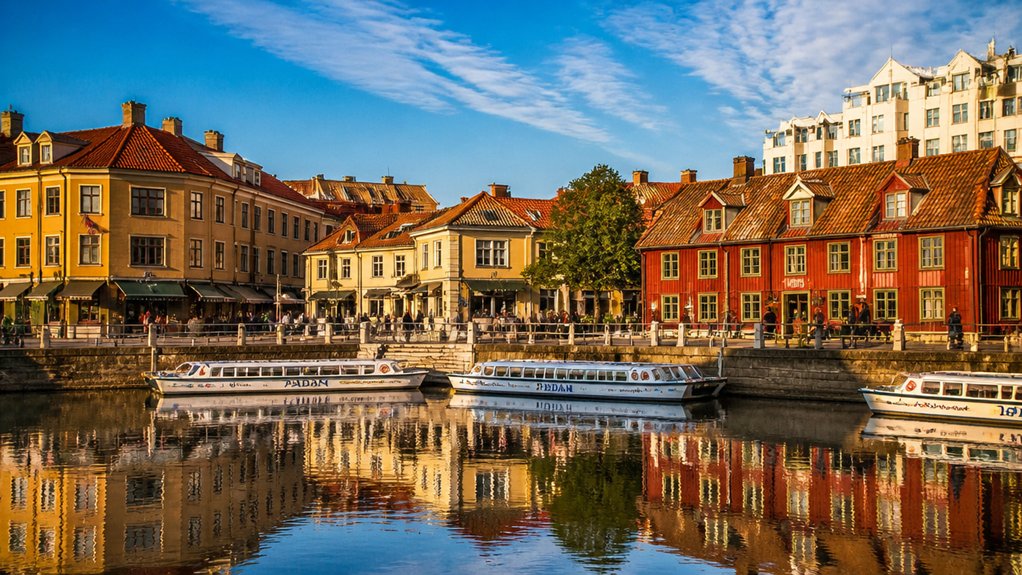
Gothenburg’s waterfront functions as a working port, which means what you see is how the city actually operates rather than a sanitised version built for visitors. Ignore the urge to queue for famous museums during your first morning and go directly to the Göta älv riverfront instead. This is where you’ll understand why people who live here actually spend their free time in this place.
Begin at Gothenburg Opera House, which sits on the water and requires no admission to explore the exterior and foyer. The structure itself—all gleaming marble and glass—justifies the walk alone, and stepping inside to see the public spaces costs nothing. From there, continue along the riverside promenade towards the archipelago ferry terminals, which shows you the city as it functions: commuters moving between destinations, cyclists using the paths, people queuing for lunch.
The local ferry services to nearby islands operate frequently and cost substantially less than organised cruise excursions if you want to get out on the water without committing to a full day away. They run as part of the city’s public transport, so the same tickets work on the ferries as on trams and buses. Buying yours on the transport app before you set off means you won’t waste time hunting for a ticket machine. For seamless arrival and departure, consider arranging professional driver transfers between your cruise port and any additional destinations you plan to visit.
Gothenburg feels considerably more walkable and less pressured than other Scandinavian ports, and you won’t experience the usual surge of crowds once you step beyond the immediate terminal area. The light here—even as autumn progresses—is genuinely useful for observing how the city functions and how people move through it. This initial exploration provides the foundation for everything else you’ll do that day.
History Culture and the Top Sights
Götaplatsen Square brings several major cultural venues together, which saves you navigating unfamiliar streets but also means they’re congested on cruise days. The Gothenburg Museum of Art there draws organised groups predictably, so either arrive when it opens or skip it entirely for something with less queue friction.
The actual history of Gothenburg exists in the streets themselves rather than behind admission desks. Walk through Haga, where wooden houses built from the late 1800s line narrow cobbled lanes and show you how people actually lived instead of how curators have arranged their lives in cases. The neighbourhood stays genuinely local, and the cafés serve better coffee and pastries than anywhere near the terminal for considerably less.
Independent walking tours of the old city centre explain the Dutch street layout and the Defences more coherently than ship-organised excursions. Book online before arrival since popular tours fill quickly during peak season, which guarantees you a knowledgeable local guide rather than an overcrowded group. The guides know why the city is built the way it is rather than simply reading from a prepared script.
The Cathedral is walkable from America Terminal and the city centre, and free to enter, providing quiet space if you need fifteen minutes away from other passengers.
Beyond the Centre: Day Trips and Alternatives
Most cruise passengers stay in the city centre, which leaves the archipelago and smaller towns beyond Gothenburg genuinely quiet and worth visiting. The public transport network functions well enough that you won’t need a ship excursion to reach these places, though you do need to plan ahead because connections thin out during off-peak hours.
Gothenburg’s archipelago consists of thousands of islands scattered along the coast, with the southern islands reached by tram or bus to Saltholmen and then a short ferry. A day trip to somewhere like Vrångö or Marstrand gives you actual sea air and local restaurants that haven’t adjusted their prices for tourists. You’ll see fishermen’s cottages, rocky beaches, and cafés serving coffee and fresh seafood at rates well below anything near the port.
The countryside around Gothenburg is rolling and green if islands don’t appeal to you. Small towns like Kungälv with its medieval fortress or Marstrand built around a seventeenth-century fortress feel genuinely Swedish rather than staged for visitors. The bus journey itself is straightforward and comfortable, and you’ll see how Swedish people actually live rather than the version presented at the cruise port.
Sort out your ferry or bus tickets on the transport app before you leave port so you are not queuing at a machine. The journey itself matters—it’s not just a way to get somewhere, but part of what makes the trip worthwhile. Your ship will be there when you return, and you’ll have spent your day where locals go instead of where tour groups predictably cluster.
Shore Excursion or Going It Alone
Shore excursions through your cruise line cost significantly more than arranging things yourself, and you’ll waste considerable time standing around waiting for slower members of your group to board the coach. Organising independently gives you actual control—you can leave whenever suits you, spend extra time somewhere that interests you, and eat at places locals use rather than at a tourist restaurant serving identical meals to dozens of cruise passengers simultaneously.
That said, if you’ve never used Swedish public transport or you’re travelling solo and want companionship, booking a small-group tour operated by local companies before arrival does offer real value. These operators run kayaking expeditions through the archipelago, guided walks around fortress sites, or regional tours that cover substantially more than what cruise lines offer as standard. Popular tours sell out during busy seasons, so booking online ahead of time secures better availability and considerably cheaper rates than paying through your ship.
How you should choose depends on your comfort level with independent travel and how long your port stop actually is. If you’re only in port for a few hours, a ship excursion’s fixed schedule might work because at least you’ll be back on board before departure. For longer port days, travelling by train or ferry yourself makes far more sense—you’ll see more territory, spend less money overall, and have actual experiences rather than photographs taken from the same location as hundreds of other cruise passengers that morning.
Things Worth Knowing Before You Step Off in Gothenburg
If your ship uses America Terminal, the cruise terminal sits close enough to the city centre that walking takes less time than waiting for transport, so you might as well leave the taxi queues for other passengers. Crowds at the main attractions build steadily through the morning, which means going early actually saves you hours rather than just feeling like the virtuous choice. Early arrivals at Liseberg or the Gothenburg Museum encounter fewer people and move through exhibits at their own pace.
Restaurant tables along the Göta älv cost more than identical meals served inland, a premium you’re paying mainly for the view. Walk away from the waterfront and you’ll find cafés where locals drink coffee and eat pastries without surcharges attached. These places exist in neighbourhoods a short distance from the water, where prices reflect what people actually pay rather than what cruise passengers might accept.
Kayaking operators in the archipelago run morning departures that undercut the standard cruise desk excursion rates and give you actual flexibility about where to go. These slots fill quickly during busy seasons, so booking online before you arrive guarantees a spot rather than gambling on availability through your ship. You’ll spend less and control more of your own schedule.
Your Port Day: A Sample Itinerary
Most visitors waste their first hour on the dock sorting out logistics, so walk straight inland toward Avenyn instead. The tree-lined boulevard cuts through the city centre and you’ll navigate it faster in the morning before crowds build up. Stop for coffee at a café with locals inside rather than tour groups queuing at the door.
By the time you reach Gothenburg Museum of Art at the top of Avenyn, you’ll know where things are and the galleries won’t be packed. The collection moves at a reasonable pace and the light actually lets you see what’s on the walls. Head back toward the harbour around midday.
Lunch works better on Haga’s cobbled side streets than along the waterfront itself. The residential neighbourhoods behind the main drag serve better food at lower prices. You’ll eat properly instead of paying premium rates for standard fare.
Book a kayaking trip before you arrive if the weather looks manageable. Independent operators fill their morning slots first, so afternoon departures usually have space available. You’ll paddle between actual islands at your own pace rather than following a fixed route with dozens of other passengers, and you can stop where something interests you rather than where a schedule dictates.
Book your Gothenburg day
Tours for this port, compare before you book
Getting around in port