Glasgow Cruise Port Guide
Learn how to escape Glasgow’s cruise terminal crowds and discover authentic local experiences that ship excursions won’t show you—but first.
In this guide
Try one free personalised day plan — built around your ship’s actual arrival and departure times. Then get every port on your cruise done the same way from £7.99 (about $10).
Cruise Port Overview: What To Expect
Most ships calling for Glasgow berth at the cruise terminal in Greenock, about 25 miles down the Clyde, so the city centre is a train or coach ride away rather than a stroll. The port itself is straightforward: modern facilities, reasonable café prices compared to what you’ll find on the ship, and genuinely helpful staff who won’t steer you wrong.
Central Glasgow is far more compact than most first-time visitors assume. Once the train drops you at Glasgow Central, you can walk from the station to most worthwhile attractions without excessive trudging, which matters when you’re working against a ship’s schedule. The neighbourhood immediately around the dock is industrial and frankly unremarkable, but it’s not somewhere you need to linger—head inland toward Merchant City or the city centre proper and the character changes entirely.
Ship tours tend to cost considerably more than booking your own guide independently, and they often move at a pace designed for the slowest walker in the group. Better value independent tours—particularly walking tours of the city’s architecture and Charles Rennie Mackintosh‘s work—can be booked in advance and fill up quickly during peak cruise season. Consider exploring guided shore excursions that offer specialized experiences beyond standard city walks. You’ll see more, pay less, and move at a rhythm that suits you.
Security on the way back to the ship is efficient but not lightning-quick, so build in adequate time before your all-aboard. Dress for Scotland’s weather: it’s rarely warm, frequently damp, and always unpredictable.
Getting From the Port To Town
Walking into Glasgow from Greenock isn’t an option, and a shuttle or coach only makes sense if your ship lays one on. The easiest route is the train from a station near the terminal to Glasgow Central, which takes around 40 minutes and drops you in the middle of the city, within reach of the Hydro and Science Centre as well as the shopping streets. Taxis wait at the terminal too, but a fare all the way into Glasgow adds up quickly, so they suit shorter local trips or groups sharing the cost.
The tourist information centre just outside the terminal will give you accurate directions and then try to sell you expensive packaged tours. Independent options exist online and cost considerably less while giving you actual control over your day. Booking a walking tour through a local operator in advance makes sense if you want expert knowledge without the markup the cruise lines charge.
Glasgow’s independent guides, particularly those focusing on Charles Rennie Mackintosh or design history, book out during cruise season and charge a fraction of what the ship’s shore excursion desk will ask. Tour booking sites open several months ahead, and the competent guides disappear weeks before the busy season begins. The real city centre is a train ride from the dock, where Victorian streets, actual independent shops, and reasonably priced cafés replace the tourist markup found near the water.
The Must-Do Experience: Start Here
The train from Greenock brings you into Glasgow Central, a short walk from the heart of the city. Leave the waterfront sights for another day and instead walk toward George Square and the Merchant City, where you’ll find the parts of Glasgow that function whether or not ships are docked.
George Square marks the genuine centre of the city, surrounded by Victorian buildings that have nothing to do with tourism infrastructure. The walk from the station passes through neighbourhoods where people live and work rather than perform for visitors. Once you arrive, you’re in Glasgow proper, the version that operates independently of cruise schedules.
The Merchant City spreads out from George Square through independent galleries, vintage shops, and design studios that serve local clientele. Coffee costs what it actually costs, not what a terminal monopoly charges. Charles Rennie Mackintosh‘s architectural influence appears throughout the streetscape naturally rather than confined to a single paid museum.
Before you leave the ship, research independent walking tour operators and book directly with a local guide who can meet you at George Square. These guides typically know more about the city’s actual structure—its architecture, design history, industrial past—than the cruise line’s standard offerings. You’ll pay less and learn from someone whose livelihood doesn’t depend on cruise ship schedules.
History Culture and the Top Sights
Glasgow’s industrial past isn’t something confined to display cases—it’s embedded in the actual fabric of the streets, and recognising this changes how you navigate the city. The Merchant City‘s converted warehouses and Victorian ironwork function as real working spaces: studios, galleries, and cafés operate from these buildings rather than treating them as static attractions for passing visitors.
Kelvingrove Art Gallery occupies the west side and genuinely justifies spending hours there, though you’ll be sharing rooms with school groups and local residents rather than fellow cruise passengers. The collection includes Scottish art, natural history, and international pieces with enough curatorial thoughtfulness that a visit feels substantive. Independent walking tour operators typically include this stop in their routes, which means you understand the building’s context rather than moving through it on a scheduled timeline.
Charles Rennie Mackintosh’s design work appears throughout Glasgow without requiring you to book a specific tour focused on him alone. His Hill House sits in Helensburgh, across the Clyde from Greenock, and is run by the National Trust for Scotland, so check its opening and booking with them before you go. The trip makes sense if you care about early twentieth-century design approaches. The architecture itself is worth seeing if you’re interested in how functional spaces can also be considered carefully designed.
The People’s Palace presents working-class Glasgow history without filtering or softening the content—you encounter accounts of strikes, poor housing, and ordinary life as they actually were. Entry is free and the building sits in Glasgow Green, a park where local people spend time rather than a space designed purely for visitors. This museum tells you what Glasgow was built on rather than what was constructed to impress outsiders.
Beyond the Centre: Day Trips and Alternatives
Most cruise passengers stick to the same few sights along the Clyde Waterfront, which means the quieter parts of Glasgow and what the place actually feels like are just a short walk away. The city doesn’t hand you an obvious focal point—there’s no single neighbourhood worth rushing to see—so you’re choosing between exploring one area properly or skimming across several. What you do depends on how long you have and what you actually want to look at.
If you’ve got a few hours, independent walking tours of Merchant City or the West End work out cheaper than ship excursions and you’ll move at a realistic pace instead of being shuffled between fixed stops. Book these ahead online—popular operators get booked up when cruise ships arrive, and you’ll pay less going direct than through the ship. A guide solves the navigation problem too, which matters here; Glasgow isn’t straightforward for first-time visitors and you’ll waste energy working out which street goes where if you’re on your own.
For a longer day, the Clyde Valley or smaller towns beyond the immediate city are worth the effort. You’ll need to sort your own transport, which sounds fiddly but actually isn’t—getting around works fine once you know how it functions, and you’ll see far fewer tourists than you would in the city centre. The extra effort of getting away from where other cruise passengers cluster gives you actual space and shows you the Glasgow that people who live here actually recognise.
Shore Excursion or Going It Alone
Ship excursions charge a premium and lock you into their schedule—you leave when they say, not when you’re ready. Going alone costs less, lets you set the pace, and spares you from shuffling through the same three locations with hundreds of other passengers. The downside is navigating yourself, which demands a bit of forethought but poses no real difficulty once you know what you’re after.
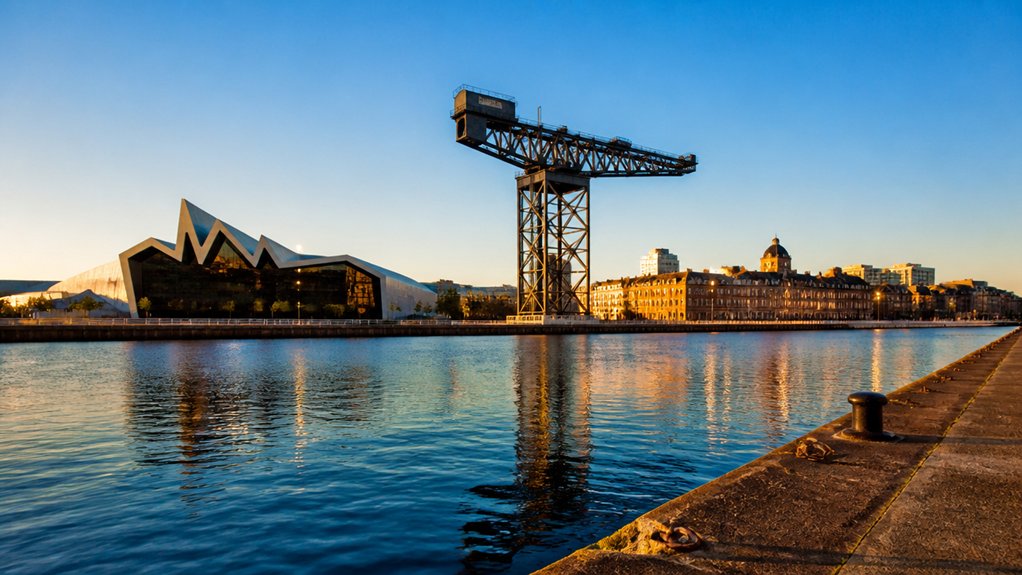
The Clyde Waterfront has museums and galleries within easy reach of the city centre, so you can stay close if you want convenience and structure. The Riverside Museum actually covers transport history in a way that engages rather than bores, and entry is free. If you want something less predictable, the Burrell Collection lies a bit further out but justifies the journey—it draws fewer crowds than the central attractions and holds stronger work.
The real question isn’t between paying for a guided tour or seeing nothing; it’s between overpaying the cruise line or booking an independent walking tour beforehand. Tour operators with good reputations book out quickly when ships arrive, so reserving online a week or two ahead guarantees your spot at a fraction of what the ship’s desk charges. You’ll have someone who actually knows Glasgow leading you, you’ll move freely without group constraints, and your money goes to a local guide instead of a corporate intermediary.
What Experienced Cruisers Know About Glasgow
The cruise terminal at Greenock sits on the Clyde well downriver from the city, so the train is your way in. Once there, the waterfront itself works fine if you’re not after manufactured attractions. The rebuilt landscape shows how Glasgow functions without pretending to be elsewhere, which matters more than polished presentation.
Start at the Riverside Museum, reachable by local transport from the city centre. The transport collection holds your attention because it’s organised by narrative rather than timeline, and you’ll spend time on items you expected to skip. Entry is free and the crowds ease by mid-morning.
The walk along the Clyde toward the city centre beats cutting straight up Argyle Street when conditions allow. You’ll see the city’s actual approach to renewal rather than tourist theatre, and you sidestep the congestion that chokes the main shopping areas. The Glasgow Cathedral neighbourhood rewards walking around, and the cathedral itself is free to enter.
Arrange your own transport to the Burrell Collection if you have the time. It handles a fraction of the foot traffic that descends on the city centre, and the collection—medieval armour to Impressionist paintings—avoids feeling forced or curated for crowds. The cruise line’s gallery tour wastes half your time on transport and shepherds you through galleries like a school group.
Patience works better than rushing in Glasgow. The city reveals itself to people who wander rather than tick boxes. This approach costs nothing and returns considerably more.
Your Port Day: A Sample Itinerary
Most cruise passengers head straight to the waterfront restaurants, which you could visit in any city. Instead, take the train into the city centre and use local transport or your own feet from there, as the route along the Clyde shows you how Glasgow actually operates rather than how it’s been arranged for tourists. Your first couple of hours work best at the Riverside Museum before the queues build; the transport collection rewards proper attention, and entry won’t strain your budget.
By early afternoon, make your way toward Glasgow Cathedral and the Necropolis on foot. The cathedral is free to enter, and the surrounding streets are worth a wander too, where independent cafés serve actual food at prices that don’t punish you for being near tourist areas. This neighbourhood tells you more about Glasgow than any organised walk would manage.
Book an independent tour to the Burrell Collection before you leave the ship, as these tours fill quickly with cruise groups. The collection draws fewer crowds than the city centre attractions, and the span from medieval armour through to Impressionist paintings doesn’t feel like it’s been arranged for school visits. You’ll leave Glasgow having actually engaged with the place rather than ticked off a series of boxes.
Book your Glasgow day
Tours for this port, compare before you book
Getting around in port