Tobermory Cruise Port Guide
How to escape Tobermory’s tourist traps and discover what cruise passengers actually miss—but only if you plan ahead.
In this guide
Try one free personalised day plan — built around your ship’s actual arrival and departure times. Then get every port on your cruise done the same way from £7.99 (about $10).
Cruise Port Overview: What To Expect
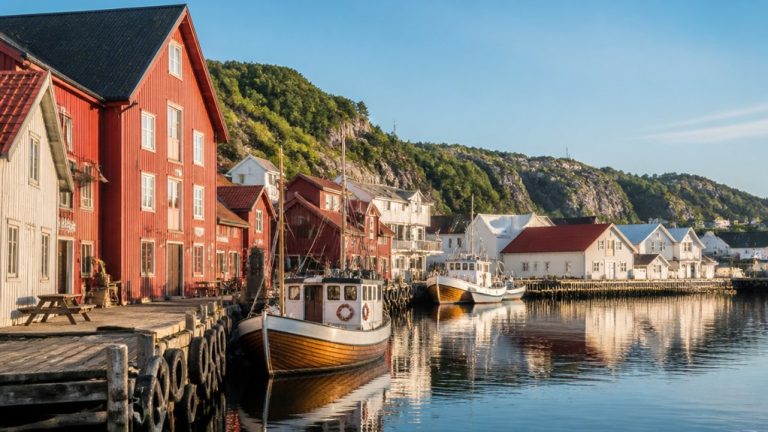
Tobermory operates as a working village rather than a cruise facility. Your ship anchors in the bay and you tender to a functional harbour where fishing boats and the occasional tour operator’s vessel compete for space—there’s no dedicated infrastructure, no queues managed by port staff, no organised tendering areas. The village itself takes under an hour to walk through completely, though most of its actual appeal sits beyond the immediate waterfront.
You’ll encounter far fewer other tourists than at conventional ports, but this comes with a trade-off: the ship offers no safety net of organised excursions and facilities are basic. Most people either spend time on the streets sampling local whisky and seafood, or they head into the island’s interior where lochs, glens, and genuinely remote countryside exist well removed from cruise ship activity. Either way, you’re visiting an actual place where locals significantly outnumber visitors.
Book independent tours and activities well ahead because popular options—particularly those going to Staffa or the Treshnish Isles—fill quickly and cost considerably less than shipboard alternatives while offering more flexible itineraries. Tender queues shift unpredictably depending on sea conditions, so build extra time into your schedule before committing to specific plans. Pack waterproof layers regardless of what the forecast claims, since this is the Scottish Hebrides and weather patterns change rapidly and without warning.
The genuine appeal here is straightforward: you’re somewhere real where self-organisation matters more than at sanitised ports. That requires more effort on your part, but the result is an actual place rather than a tourist performance.
Getting From the Port To Town
The tender process operates without a formal queue, so you’ll wait in a room with dozens of other passengers until crew members judge the sea conditions suitable for launching the small boats. Scheduled departure times mean little here—what matters is whether the water is calm enough, so don’t count on stepping ashore at a particular hour. Build substantial buffer time into any plans, especially if you’ve booked an independent tour with a fixed start time.
Tobermory village runs along the waterfront in a thin strip that’s straightforward to walk without confusion. The main street parallels the harbour, and the practical essentials—shops, cafes, the distillery—sit within easy walking distance from where the tender lands. No taxis wait at the port, so if you want to reach the island’s interior for walks or lochs, you need to arrange transport before you arrive rather than hoping for options on the day.
Minibus tours operate from the village, and booking online beforehand secures better rates and guarantees a seat on popular routes. Staying in the village itself works only if you’re content with the cafes and immediate surroundings; most visitors who don’t venture beyond them later regret not planning differently. Decide your approach before arriving, because sorting out transport or tours on the spot rarely produces good outcomes.
The Must-Do Experience: Start Here
Most cruise passengers spend their time in Tobermory taking photographs of the coloured houses, drinking whisky, and returning to the ship before lunch. This approach wastes the one genuine reason to come here: the landscape beyond the village, which actually warrants the journey north to this island.
The Tobermory Distillery operates right at the waterfront and you should visit it, though be prepared for substantial queues during cruise days. The tour operates efficiently despite the crowds, and tasting the local single malt offers more substance than anything else available in the village. Booking a distillery tour independently online before you sail gives you better value, smaller groups, and access to tastings the walk-in queue never receives.
If you arrive without advance arrangements for transport into the interior, you’re effectively stuck in the village itself. The moorland and glens surrounding Tobermory require a vehicle, and these won’t materialise on the spot once you’ve disembarked. The ship’s excursions either don’t venture far enough to justify what they charge or operate at premiums that make booking independently beforehand the only sensible option. Arrange a guided walk or minibus tour before you sail, because popular routes fill quickly for cruise passengers and sorting anything on arrival simply fails.
Start your morning at the distillery while your energy is highest, then head toward the surrounding hills or whatever guided experience you’ve organised in advance.
History Culture and the Top Sights
Tobermory’s past involves Jacobite politics and whisky smuggling rather than monumental buildings, so you won’t spend your time queuing at fortified castles. The distillery functions as the main historical reference point, explaining how the island’s economy worked when farming alone couldn’t sustain it. This context matters more than the Instagram angle.
The village repays a solitary walk once the ship passengers disperse. Tobermory was laid out in 1788 as a planned fishing port by the British Fisheries Society, and the coloured houses sit around the natural harbour because that arrangement made practical sense for fishing and trade, not for aesthetic effect. Knowing this changes what you’re actually looking at when you photograph them.
The Mull Museum occupies a modest building on Main Street and documents local life across several centuries without the commercial pressure of the distillery tour. It’s smaller and genuinely quiet, which means you can read things properly instead of moving through crowds. The staff have genuine local knowledge rather than a rehearsed script.
The real Mull exists beyond the village in the moorland that stretches inland. You need to get out there to understand the island’s actual character rather than its marketed version. This requires advance planning—booking an independent guide walk or minibus tour before arrival gives you better value than cruise ship excursions and puts you on routes that lead somewhere substantive rather than predictable viewpoints.
Beyond the Centre: Day Trips and Alternatives
The ship’s coach tours sell out through convenience rather than value. You’ll spend half your time on a bus with thirty other passengers following the same route to identical stops, paying substantially more than you would for an independent guide booked in advance.
Arranging a private or small-group guided walk before arrival works better. Local guides know where golden eagles actually appear—information the casual operators don’t share—and they’ll walk you through moorland that explains how people actually live on this island rather than how to photograph it. These tours cost less than the ship’s price and fill quickly during peak season, so book online well ahead.
Hiring a car or booking a taxi for the day lets you drive to Calgary Bay on the western coast. The route takes you across genuine Mull rather than through the village loop, and you’ll understand why the landscape matters more than the postcard views. The beach itself is quiet by cruise ship standards, and the walk along the sand gives you space to think instead of constantly moving between marked attractions.
The essential decision is leaving Tobermory village proper. The coloured houses are worth seeing once, but they’re not why you’ve travelled this far north.
Shore Excursion or Going It Alone
The ship’s excursion desk markets their tours as “fully escorted,” which means you’ll walk through Tobermory village in a group of forty, stopping at gift shops where the operator receives commissions. You pay substantially more for this arrangement, and the quality of your experience hinges entirely on whoever your guide is that day.
Hiring a local guide through online platforms costs considerably less than the ship’s package and works at your pace rather than a fixed schedule. A good guide actually responds to your questions instead of reciting from prepared notes, and will tell you which distilleries warrant a visit and which exist purely for tourists. Book well in advance, as the reliable operators fill their spaces weeks before the season peaks.
Complete independence means renting a car or arranging a taxi for the day. You decide where to stop, how long to stay, and whether you eat at a proper café or settle for tourist-marked establishments serving reheated food. The roads here are narrow and winding with occasional sheep blocking your path, which is precisely why self-directed travel works better than a coach tour.
Confirm your guide booking or car hire before your ship arrives. The best operators hold spaces for cruise passengers only if you’ve reserved online in advance.
Local Knowledge Worth Having Before You Dock
The locals in Tobermory will tell you straight: the gift shops along the main street rely almost entirely on cruise passengers with a couple of hours to spare, which means the markup on whisky miniatures and tartan goods is genuinely extraordinary. What they won’t mention is that the real town exists a short walk away from the waterfront, where you’ll find proper cafés, independent bookshops, and locals who actually live here rather than work here. The difference between the two is worth knowing.
Timing matters more than most cruise guides admit. Your ship will disgorge several hundred people into a village of around a thousand residents during the middle of the day, which transforms the harbour into a congested tourist zone. Arrive at the distillery early or late to avoid queuing shoulder-to-shoulder with your fellow passengers, and eat lunch after the ship crowd has moved on rather than during peak hour, when every restaurant is slammed and service turns sluggish.
Boat trips to nearby islands such as Staffa and the Treshnish Isles leave from Tobermory itself, and most cruise passengers never realise they exist. This is where you actually escape Tobermory, not towards the souvenir shops. Book your island tour independently in advance through a local operator rather than through the ship—you’ll pay considerably less, the boats are smaller, and you won’t be herded into a predetermined route, though the reliable operators fill their spaces well ahead during peak season, so waiting until you get ashore guarantees disappointment.
The weather here changes in minutes and the wind off the water is honest. Bring a waterproof layer regardless of the forecast.
Your Port Day: A Sample Itinerary
Tobermory’s narrow streets fill up fastest between mid-morning and early afternoon, so your advantage lies in heading straight to Tobermory Distillery the moment you step off the ship, before the main tender waves arrive with their crowds. The quality of the whisky matters less than having actual space to move through the tour and being able to hear what the guide is saying without competing against other voices. An hour here leaves you time to walk back through the village toward the seafront while most other passengers are still queuing inside.
By late morning, turn away from the gift shops and head down toward the quieter residential streets where you’ll find actual cafés serving proper food at normal prices rather than the inflated rates near the harbour. This is where you eat brunch, and you need to do it before the lunchtime crowd arrives and strips the shelves bare. Grab your coffee and something substantial now because if you wait another thirty minutes, you’ll either find limited options or join a queue.
An independent island tour works better than anything the cruise desk offers if the weather holds. Book in advance through a local operator rather than through your ship, which saves you money, keeps you in smaller groups, and avoids the standardised routes that tour desk excursions follow. During peak season popular operators fill up weeks ahead, so booking before arrival means you actually get a spot instead of hearing they’re full once you’re ashore.
If the weather deteriorates—which it does—the distillery’s visitor centre provides a dry space to spend time, or you can browse the independent bookshops scattered away from the main street.
Book your Tobermory day
Tours for this port, compare before you book
Getting around in port