Portland Oregon Cruise Port Guide
Wondering how to maximize your Portland cruise port visit without overpaying for crowded tours?
In this guide
Try one free personalised day plan — built around your ship’s actual arrival and departure times. Then get every port on your cruise done the same way from £7.99 (about $10).
Cruise Port Overview: What To Expect
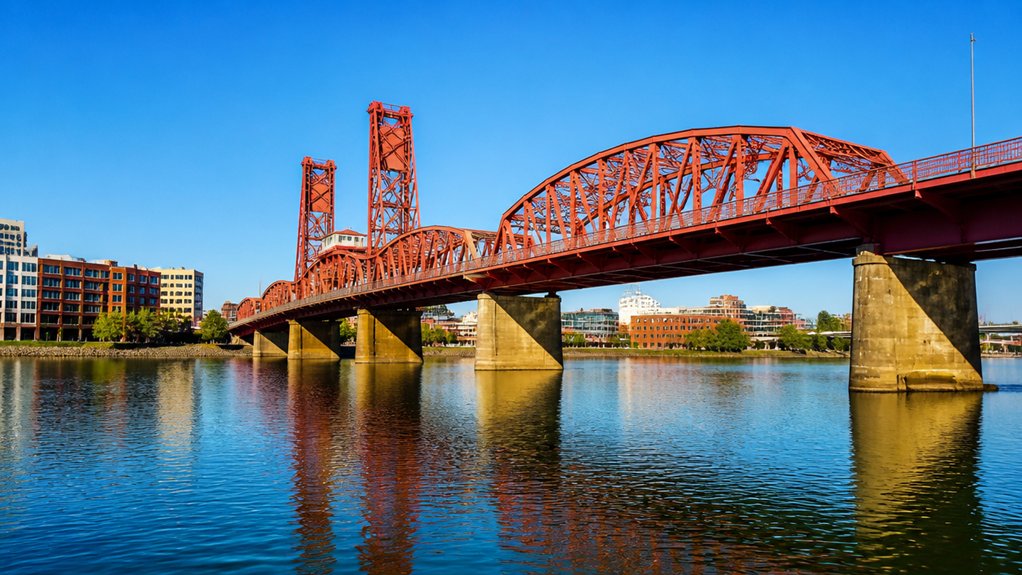
Portland is mainly a river-cruise port: small ships on Columbia and Snake River itineraries tie up along the Willamette close to downtown, so you avoid the usual queue for shuttles and can walk into the city within minutes, among actual neighbourhoods rather than tourist zones designed specifically for cruise passengers.
The terminal itself is small and functional—no sprawling duty-free complex or manufactured shopping experience—so you won’t lose an hour wandering through shops you have no interest in. Independent coffee roasters, bookshops, and restaurants that serve locals sit immediately adjacent to the terminal, which changes how your day feels compared to most ports.
The trade-off is that you’re entering a real city rather than a controlled tourist infrastructure. Pavements get packed when multiple ships dock simultaneously, and the handful of information desks run out of staff quickly. Bring a downloaded map before you arrive, as mobile signal tends to drop near the river. Consider booking guided tours in advance to maximize your exploration time during your port visit.
You need to make basic decisions about your time before leaving the ship. Portland rewards exploration, but your window is finite, so decide whether you’re going inland towards Powell’s Books and downtown, or staying closer to the river for the Chinese Garden and nearby museums. Booking independent tours in advance costs less than paying the ship’s rates and secures your place before they fill with other cruise passengers.
Getting From the Port To Town
Portland’s advantage as a walkable destination ends quickly once you venture beyond Old Town. You’ll be using the same public transport as residents, which means waiting in queues rather than enjoying priority access. The genuine benefit is that the city centre requires no expensive ship-organised transport to reach.
MAX light rail and the Portland Streetcar run through downtown, a short walk from the riverfront, and locals depend on them daily, so you’re following an actual transport network rather than a passenger corridor. A single fare lets you change between services for a set time, which helps if you’re hopping between museums and attractions, though it doesn’t cover entry to them. For destinations further out—the waterfall or Washington Park—independent operators provide better value than cruise excursions and offer commentary that goes deeper than surface observations.
Ride-sharing apps function throughout Portland, but costs accumulate across multiple stops. Walking suits Old Town and the river neighbourhood best, as distances are short enough to cover comfortably, and you’ll encounter independent cafés and galleries absent from official materials. Pre-booked walking tours ensure you’re not navigating by generic maps, and reputable guides favour ordinary neighbourhoods where locals actually eat over obvious tourist stops.
Renting a car requires factoring in extra time for parking rather than expecting quick turnarounds at each location. For cruise passengers with limited hours on land, staying within walking distance of the terminal or using a pre-arranged tour removes navigation complications entirely.
The Must-Do Experience: Start Here
Portland actually works as a city because people choose independent businesses over chains, and that choice is visible everywhere if you look for it. Powell’s Books takes up an entire block and stocks the kind of inventory that corporate bookshops decided wasn’t profitable anymore—rare editions, local authors, handwritten staff notes that show you what people in Portland actually read. Walk through there without consulting a single guidebook section, and you’ll understand how the city thinks.
From Powell’s, the Pearl District’s galleries and studios are a short walk. Prices here reflect what artists actually charge rather than what they think tourists will pay, which is a useful distinction when you’re trying to understand what’s genuine about a place versus what’s been packaged for visitors.
If you want to move around rather than browse, independent tour operators run walking routes through actual neighbourhoods where regular customers outnumber cruise passengers. These guides know their areas well enough to take you into cafés and shops where you’re not the automatic target market, though booking ahead matters because good tours fill up quickly when multiple ships are docked.
Spending your time at Powell’s merchandise tables and eating standard sandwiches on the waterfront is easy and fine, but it’s exactly what you could do anywhere. Portland’s actual strength is watching how a mid-sized American city keeps independent culture alive when economics are designed to kill it everywhere else. That requires planning before you arrive, but the payoff is seeing something that actually belongs to the place rather than something made for people passing through.
History Culture and the Top Sights
Portland’s museums don’t operate on the cruise-ship model of charging high fees to move you through quickly. The Portland Art Museum and Oregon Historical Society Museum sit downtown near the waterfront, and you can actually spend time looking at things rather than being funnelled past exhibits. The Oregon Historical Society handles the region’s settlement straightforwardly, including Indigenous history that gets sidestepped in many American institutions.
The difference between these places and what you’ll find elsewhere is space—you won’t be competing with crowds to see individual objects. If the collections themselves feel solid rather than exceptional, that matters less than being able to look at them without stress. You move at your own pace instead of feeling pushed through.
The Lan Su Chinese Garden functions as an actual space rather than a display built for tourists. It’s compact enough that you can cover it thoroughly in a single visit without feeling rushed, and the planting choices reflect practical use rather than ornamental gestures. Weekday mornings draw school groups, so timing your visit around those helps if you prefer quieter surroundings.
The Portland Building from the 1980s provokes genuine disagreement among people who live here about whether it works as architecture. You’ll encounter actual debate rather than a packaged story about what you should think of it. Whether you find it successful or alarming, the fact that locals actually argue about it tells you something about how the city thinks about its own spaces.
Beyond the Centre: Day Trips and Alternatives
Portland’s public transport actually works, so you can reach worthwhile places without paying for a cruise excursion. You’ll have more money left and genuine control over how you spend your day. The bus network gets you from downtown to neighbourhoods where the food is better, local life is actual rather than performed, and cruise passengers are genuinely rare.
Wine regions matter to some travellers, while others prefer the Columbia River Gorge for its landscape rather than its cellars. Independent tour operators who work with small groups exist as an alternative to the standard model of ferrying dozens of people through a pre-planned route. These operators book up during peak season, so reserving online before your port day prevents both overspending and the common frustration of availability gaps.
The outer neighbourhoods—Alberta Arts District, Division Street, Hawthorne—show how Portland actually functions for people who live here rather than visit. You’ll see working galleries, independent coffee roasters, and restaurants where locals eat lunch on weekdays. A half-day on foot through one neighbourhood gives you substantially more than a standard shore excursion for considerably less outlay.
Booking a local walking tour or food-focused experience beforehand provides structure without cruise-line pricing. These operators understand neighbourhood rhythms and can direct you toward things you wouldn’t find on your own. The practical difference is booking independently rather than through your ship—your money stretches further and actually reaches the businesses that sustain Portland’s character.
Shore Excursion or Going It Alone
The ship’s excursion desk quotes prices designed to make independent travel seem reasonable by comparison, and that’s genuinely the point—you’re paying for convenience and guaranteed return to the vessel, but you’re also funding the cruise line’s commission structure, which means your money rarely reaches the businesses and people that actually created what you came to see. Going it alone requires slightly more planning: booking a local guide or tour operator online before your port day. The payoff is tangible enough to justify the effort.
A small-group food tour led by someone with actual relationships in the neighbourhood will cost less than the equivalent cruise excursion and take you to places where locals actually eat. These independent operators fill quickly during peak season, so booking once you’re aboard nearly guarantees disappointment. The arrangement works because the operator knows the restaurant owners won’t inflate prices for cruise passengers who’ll leave at a set time.
The real trade-off is straightforward: you exchange the ship’s hand-holding for control over where your money goes and how you spend your time. Public transport works reliably, neighbourhoods are genuinely accessible without a guide, and independent businesses price fairly when they’re not expecting you to vanish after a few hours. If you want structured exploration without paying cruise-line markup, booking a focused walking tour or guided food experience beforehand solves both the planning problem and the cost problem, and your spending actually supports the places worth visiting.
What Most Portland Oregon Guides Get Wrong
Portland’s cruise terminal sits close enough to downtown that independent navigation works fine, which immediately exposes why the ship’s premium walking tours cost so much. The actual advantage comes from understanding that Portland’s neighbourhoods reveal themselves through food and independent businesses rather than official stops, and that booking a local food tour or brewery experience beforehand costs substantially less than the excursion desk charges while supporting actual Portland businesses.
The waterfront draws heavy cruise passenger traffic during peak season, so the obvious photo spots near the terminal involve queuing. Head inland instead toward the Pearl District or Southeast Division, where the food scene operates on local economics rather than tourist pricing, and public transport gets you there affordably without needing prior knowledge of the city.
Portland’s best independent food and brewery tours fill quickly during cruise season, particularly small-group walks led by locals who know what they’re talking about. Booking online before you arrive secures your spot and typically costs a fraction of the ship’s equivalent offerings. You’ll eat better food, spend less money, and your guide will actually take you to places where the owner knows their name, which fundamentally changes both where you spend your afternoon and who benefits from it.
Your Port Day: A Sample Itinerary
Most cruise passengers spend their first hour in the terminal café queue when they could be eating actual food in the city. Walk inland immediately and forget the waterfront—head to the Pearl District or Southeast Division where local cafés serve the breakfast Portlanders eat at prices that won’t sting. You’ll feel less like a tourist and more like someone who knows where to go.
Coffee and something substantial should take up your early morning. Spend mid-morning in whichever neighbourhood appeals to you. The Pearl District has galleries and independent shops that show how the city works beyond the cruise terminals, while Southeast Division feels grittier—vintage stores, unusual bookshops, the sorts of places that explain why people actually live here.
By lunchtime you should be on a food or brewery tour you booked beforehand. Your morning walk means you’ll recognise streets and neighbourhoods, so the guide can take you somewhere worth your time instead of the obvious tourist spots. Local-led walking tours fill the space between the ship’s packaged excursions and pointless wandering, and the good ones book up weeks before cruise season starts.
Use your final hours before returning to the ship to explore on foot or catch a bus to a neighbourhood you missed. Buy something from an independent food shop—real bread, local chocolate, proper cheese—rather than the airport-style rubbish. You’ll eat better on the ship that evening and actually know what Portland tastes like.
Book your Portland Oregon day
Tours for this port, compare before you book
Getting around in port