Prince Rupert Cruise Port Guide
Forget cruise port formulas—discover Prince Rupert’s authentic Indigenous culture, working fisheries, and misty landscapes.
In this guide
Try one free personalised day plan — built around your ship’s actual arrival and departure times. Then get every port on your cruise done the same way from £7.99 (about $10).
Cruise Port Overview: What to Expect
The terminal sits at the working edge of the port where fishing boats and container ships operate normally around you. Wildlife occasionally appears on the waterfront, though you’re unlikely to see anything beyond the occasional eagle. The terminal building itself is straightforward to navigate, with clear signage and staff who actually understand the local area rather than reading from a script.
This isn’t a shopping precinct dressed up as a port. You’re in a town of around twelve thousand people who have their own economy that doesn’t depend on cruise passengers. The walk downtown is manageable on foot, but British Columbia weather changes rapidly, so pack a genuine waterproof jacket rather than relying on layers designed for ship cabins.
Most passengers either take organised excursions or drift through town without direction, both of which waste your time here. The real value lies in the surrounding wilderness and First Nations culture, which require advance booking. Glacier tours and wildlife viewing trips fill quickly through online booking, and you’ll pay less booking directly than through your cruise line.
Downtown has legitimate restaurants, a functioning museum, and waterfront access, but the amenities are modest compared to southern ports. This lack of polish is the actual reason to visit—the town functions for residents first and tourists second, which means you encounter something closer to reality than you’d find elsewhere.
Getting From the Port to Town
Downtown sits within walking distance of the terminal, giving you actual choices instead of defaulting to the ship’s transport. Most passengers book the shuttle without considering that walking takes roughly ten minutes and costs nothing—your only real question is whether conditions are bad enough to justify a taxi.
The waterfront path is direct and well-lit, with sightlines that let you navigate without confusion. Timing matters more than route: go early and the streets are relatively empty; go mid-morning and you’re walking alongside most of your ship’s passengers and their organised tour groups all at once.
Weather in British Columbia shifts suddenly, and when it does, taxis wait at the terminal with reasonable fares for short journeys. Most of what you need—cafes, shops, the museum—sits within a manageable walk, so walking should be your baseline approach unless the weather genuinely makes it uncomfortable.
Walking reveals how locals actually move through the town rather than filtering everything through a bus window. You’ll see working businesses, local restaurants with ordinary pricing, and the waterfront without the curated quality of an organised route. This distinction matters more here than in ports where infrastructure exists primarily to serve cruise passengers.
The Must-Do Experience: Start Here
Prince Rupert works best when you skip the standard cruise-port formula and instead spend your time understanding why the place actually exists. The waterfront and museums here explain the geography and cultures that built this port, which transforms everything else into something coherent rather than just visually interesting.
Start at the Museum of Northern British Columbia before the later ships empty their passengers into town. The collection treats Tsimshian and Haida cultures with genuine depth rather than surface-level presentation, which means you’ll grasp the context needed to make sense of what you see elsewhere. This foundation matters more than rushing through multiple shallow attractions.
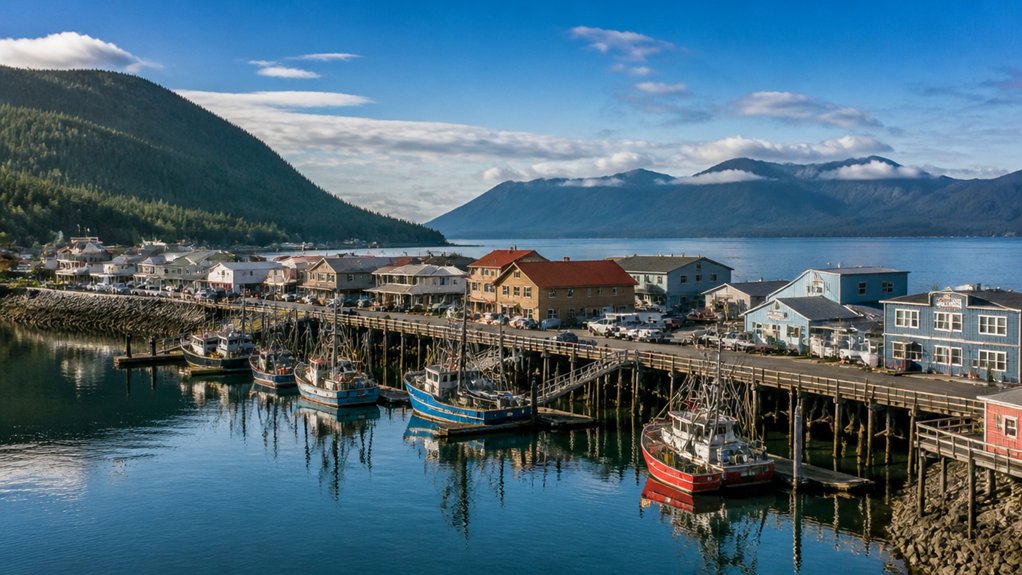
Walk the waterfront as a working space, not a recreation of one. You’ll encounter actual fishing boats, actual port operations, and actual residents going about their day rather than performing for visitors. The boardwalk connects naturally to downtown without requiring planning or navigation.
If weather permits and your schedule allows, book an independent boat tour in advance rather than relying on ship excursions. These fill quickly during peak season and offer better flexibility and value than standard package offerings. Tours to Metlakatla or the surrounding inlets reveal how geography shaped the region in ways that museums simply cannot.
The approach that works here is abandoning the impulse to collect as many activities as possible in favour of spending a few hours actually understanding one specific place. This yields substantially more than attempting several mediocre attractions in a rushed afternoon.
History Culture and the Top Sights
Prince Rupert’s history connects directly to the sea, which means understanding the water’s economic and cultural role helps explain why the significant sights matter. Most colonial narratives obscure the region’s longer Indigenous presence, so learning this context before walking the streets gives you actual perspective rather than a surface-level view.
The Museum of Northern British Columbia requires genuine time, not a quick pass-through. The Tsimshian and Haida galleries present the region’s actual history without diluting it for visitors, and this knowledge fundamentally changes how you interpret everything else you see that day. You’ll understand why the art and totem poles carry weight beyond how they look.
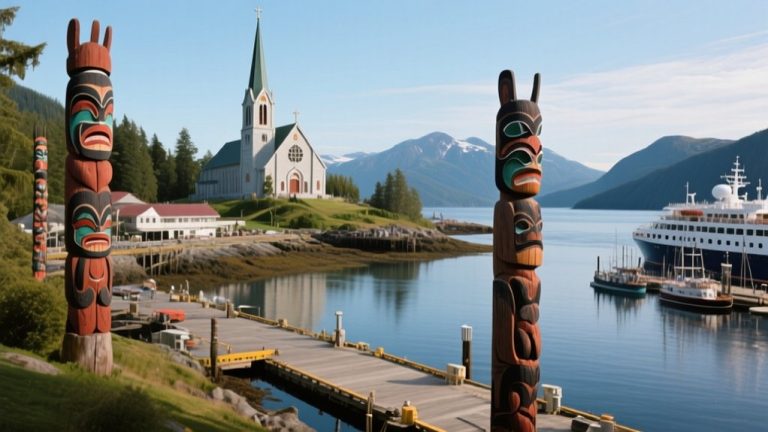
The waterfront operates as a secondary museum space. Walk past the working fisheries and port operations toward the totem poles and public art installations, which exist within an active working landscape rather than a cordoned-off heritage zone. Commercial fishing remains the economic backbone here, not a historical display.
Indigenous art throughout the town and nearby locations warrants proper attention rather than a passing glance. Independent guides with local knowledge provide substantially better interpretation than tour operators working from cruise ships, and booking ahead online ensures you access the most knowledgeable people before popular slots fill with cruise passengers.
Early twentieth-century architecture survives along Third Avenue and around the courthouse, though these buildings serve as everyday workplaces rather than preserved specimens. This functionality matters precisely because Prince Rupert hasn’t reconstructed itself as a theme park, which means what you see is genuine rather than staged for your benefit.
Beyond the Centre: Day Trips and Alternatives
Ship excursions charge heavily above what independent booking costs, and they move you through town on a fixed schedule that works against how Prince Rupert actually functions. You’ll share your guide’s attention with thirty other passengers rather than get genuine engagement from someone who cares about what they’re showing you.
Going solo works fine if you’re willing to navigate unfamiliar streets and plan your day loosely. The town centre is small enough to cover on foot, and locals give straightforward directions. You’ll spend less money and set your own pace, which matters when you’re trying to absorb the Museum of Northern British Columbia rather than being rushed through it.
An independent local guide becomes genuinely useful once you leave the waterfront. Someone who knows the Tsimshian and Haida territories, the actual fisheries, and the region’s real history turns what might otherwise be aimless walking into something you’ll actually retain. These guides fill up quickly during cruise season, so booking online in advance means you’re not forced to choose between packaged tours or exploring entirely on your own. Local independent operators offer better value and more authentic experiences than the terminal options, and booking ahead gets you a competent guide before the popular slots get claimed by other cruise passengers.
Shore Excursion or Going It Alone
The ship excursion desk quotes prices that seem fair until you book the same tour independently and find you’re paying thirty to forty percent more for the privilege of gathering at the terminal. That convenience disappears once you’re loaded onto a coach with forty strangers and driven to the Museum of Northern British Columbia on a schedule that either has you sprinting through galleries or standing around waiting for slower groups to finish.
Going alone works if you’re comfortable with minimal planning and willing to ask locals for directions. The town centre is compact enough that walking around yields practical finds—a decent coffee place, the waterfront path, used bookshops—without needing to plan anything. You’ll spend less money and move at a speed where you actually absorb what you’re seeing instead of treating everything as scenery behind someone else’s scripted commentary.
A local guide booked through online platforms before departure offers a genuine middle ground. These guides understand the Tsimshian and Haida history, the actual fishing industry, and the neighbourhoods the cruise lines ignore entirely. They book out quickly during peak season, so arranging one ahead of time keeps you from choosing between a substandard packaged tour or wandering completely lost. You can also explore guided tours and shore excursions available through dedicated booking platforms to find vetted local experiences. A half-day with someone who actually lives here costs significantly less than the ship’s rate and leaves the rest of your time free to explore on your own schedule.
What the Cruise Desk Leaves Out About Prince Rupert
The cruise terminal sits at the northern edge of town, which means you’re already facing the wrong direction if you follow the organised tours heading south toward the museum quarter. Most passengers never venture in the opposite direction—along the waterfront where fishing boats actually unload their catch and the local cafés serve people who live here rather than people passing through. This is where you’ll actually understand what Prince Rupert is.
Your phone will have signal, which changes everything. Before you leave the ship, download offline maps and check which independent wildlife and cultural tours are running that day, since these fill quickly during peak season and you want to secure a spot while you’re still onboard with reliable internet. The locals running these tours book through online platforms and offer genuine insight into First Nations history and the working landscape that the ship excursion simply glosses over.
Rain is not a threat; it’s the baseline. Bring a waterproof jacket and abandon any notion that drizzle means staying indoors. The town actually reveals itself better in mist—fewer cruise passengers venture out, prices drop in quieter establishments, and the grey light suits the landscape far better than bright sunshine ever could.
Walk toward the waterfront first, not the shops. You’ll orient yourself properly, spot the best lunch options, and understand how the port actually functions before deciding what to do with your remaining hours. The Museum of Northern British Columbia is genuinely worth an hour if you’re interested in Haida art and local history, but see it on your own schedule, not the ship’s.
Your Port Day: A Sample Itinerary
The northern terminal puts you closer to where things actually happen than where they’ve been arranged for tourists. Start with coffee at a local waterfront café and book your afternoon tour while you have decent internet. Independent operators fill their slots fast during season, and securing this first matters because the ship’s version costs more and delivers less authentic cultural context.
Walk inland toward the Museum of Northern British Columbia and spend time with the actual Haida art collection rather than the reproductions sold elsewhere. By the time you arrive, mist will likely be rolling in, which suits the museum’s lighting and thins out the visitor numbers. You’ll leave understanding what the region actually contains rather than what marketing copy suggests.
Find lunch at a neighbourhood café away from the terminal area. The food costs less and tastes better than anything near the cruise queue, and you’ll eat surrounded by people who live here rather than fellow passengers comparing photo opportunities. Consider booking a professional driver for seamless ground transportation if you prefer not to navigate independently.
Spend your remaining hours on your booked tour, timing it to finish comfortably before you need to return to the ship. If weather holds and time permits, walk the waterfront again on your way back and notice what you missed this morning—you’ll board the ship with a working sense of how Prince Rupert actually functions rather than how it’s been packaged for you.
Book your Prince Rupert day
Tours for this port, compare before you book
Getting around in port
✈️ Before you sail: eSIM, insurance, luggage, flight delays
Ships In Prince Rupert
Upcoming calls from our sailings tracker, updated regularly.
ms Noordam
Holland AmericaWed 28 Apr
⚓ 07:00–04:00
ms Nieuw Amsterdam
Holland AmericaWed 5 May
⚓ 07:00–04:00
Ruby Princess
Princess CruisesSat 8 May
⚓ 07:00–14:00
ms Zaandam
Holland AmericaMon 10 May
⚓ 07:00–18:00
Carnival Luminosa
CarnivalMon 10 May
⚓ 08:00–16:00
Serenade Of The Seas
Royal CaribbeanFri 14 May
⚓ 11:00–19:00