Ilha Grande Cruise Port Guide
Plan your Ilha Grande cruise day strategically—discover why skipping the main beach might be your best decision yet.
In this guide
Try one free personalised day plan — built around your ship’s actual arrival and departure times. Then get every port on your cruise done the same way from £7.99 (about $10).
Cruise Port Overview: What to Expect
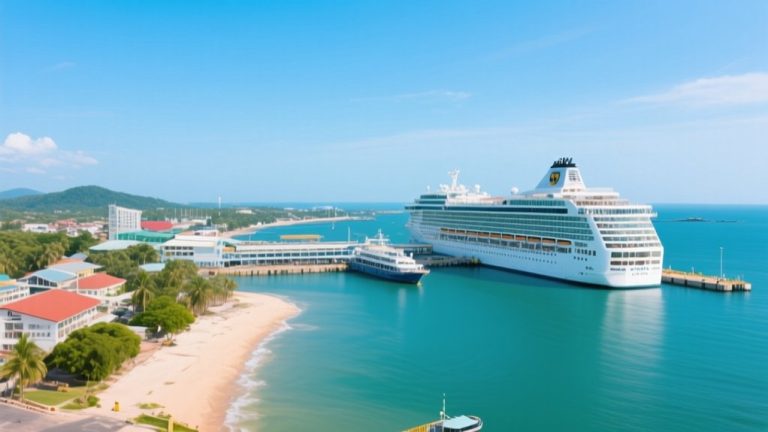
Ilha Grande lies off the coast of Brazil’s Rio de Janeiro state, reached from Angra dos Reis, with Lopes Mendes its best-known beach. Ilha Grande has no cruise terminal, so your ship anchors in the bay and sends tenders to the main pier in the village of Abraão, which means queuing for a tender alongside several hundred other passengers. This isn’t a problem, just the reality of how the port operates.
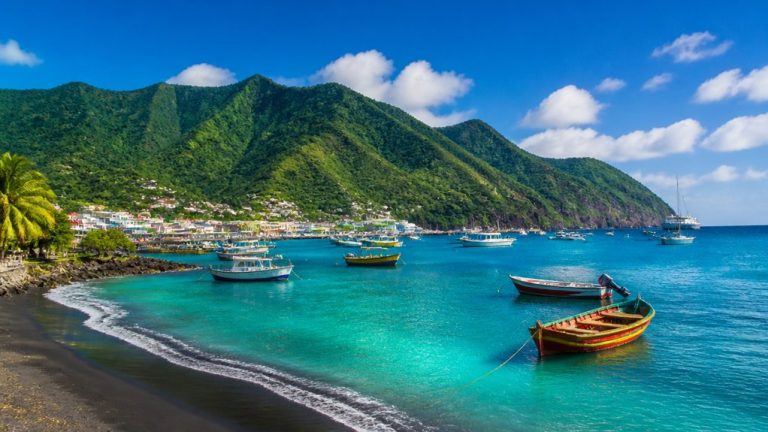
The beach itself is a long crescent of sand with a small village and forest behind it. Everything practical sits within walking distance of where the tender deposits you, though the range is limited: a few restaurants, some shops stocking tourist basics, and tour operators who’ll approach you the moment you step onto sand.
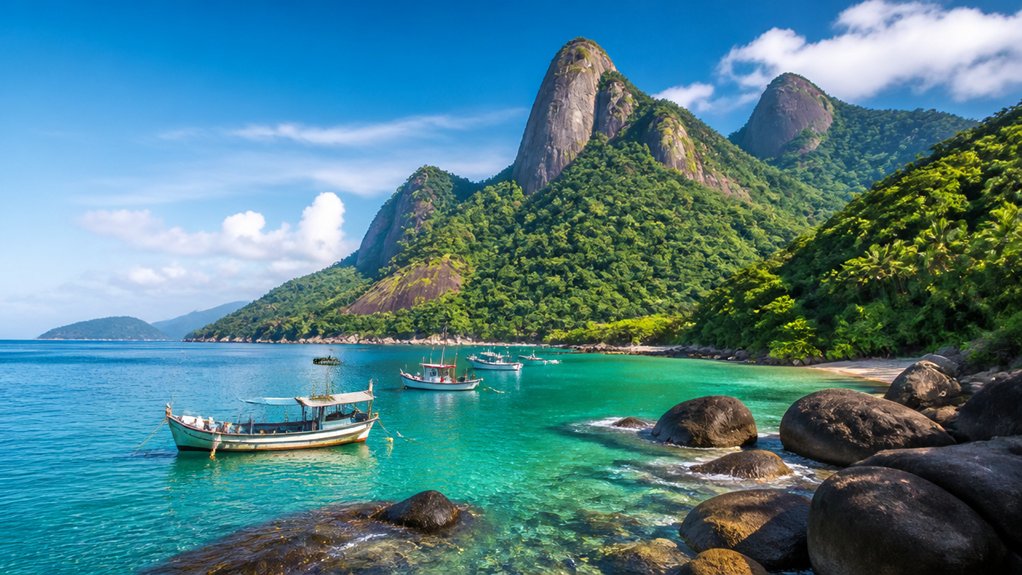
What makes the island worthwhile exists beyond the immediate beach—the forest paths, quieter stretches of coastline, and marine life in the water. The main beach fills quickly once cruise ships arrive, so your morning choice matters considerably. If you want to avoid crowds, either start early or book a guided tour operator to take you elsewhere on the island. Popular options like boat trips to other beaches or guided forest walks sell out fast during cruise season, so arranging something in advance online prevents both disappointment and premium pricing.
The climate is warm and humid throughout the year, and the water temperature allows swimming, though currents can be unpredictable depending on conditions. Pack reef-safe sunscreen because shade is scarce once you leave the forest edge. English is rarely spoken outside the main beach area, so a translation app becomes genuinely useful.
Getting From the Port to Town
The tender puts you on the pier in Abraão, right on the village waterfront, so you’re already where most visitors spend their time. Organisation is minimal because the village sits immediately behind the sand with restaurants, small shops, and tour operator stalls within easy reach. There are no cars on the island, so walking is your only way around, though this works fine for the immediate area.
The restaurants near the beach cater to cruise passengers with moderate prices and predictable menus. If you want better food or better value, you’ll need to either walk into the forest paths or book a boat to quieter spots elsewhere on the island. Most people find it worth the effort.
Tour operators will descend on you the moment you arrive, pitching trips to other beaches, forest walks, and snorkelling. Prices quoted on the beach are inflated because they know you’ve just arrived and have limited time. Book independent tours online before your ship docks instead, since popular boat trips and guided walks fill quickly during cruise season and cost considerably less when arranged in advance.
Your actual advantage as a cruise passenger is that time pressure forces commitment. Use this by arranging a specific tour beforehand rather than spending your limited hours on the beach deliberating between options.
The Must-Do Experience: Start Here
Most cruise passengers waste their time on Ilha Grande by staying at the beach where they land. The forest trails, quieter coves, and small fishing communities see far fewer visitors simply because they require walking or a separate boat journey.
Start with a guided forest walk through the Atlantic rainforest rather than another beach session. You’ll encounter monkeys, birds, and dense vegetation that bears no resemblance to the manicured beach area. Book an independent guide online beforehand since the ship’s operators charge more and move slower through their scheduled logistics.
An afternoon boat to Lopes Mendes on the island’s far side works well if you have energy left. The sand is clean, the water is clear, and you’ll encounter fewer cruise passengers than at the main landing. The boat drops you at Pouso beach, and from there it’s a short but steep forest walk over to the sand.
Eat dinner in the main village before your tender departs. You’ll have actually seen what makes this island worth the stop rather than what the tourism operators prefer to show.
History Culture and the Top Sights
Ilha Grande’s history is fundamentally shaped by what it wasn’t used for—sustained development. For centuries the island functioned as a prison, a leper colony, and a pirate stronghold, each leaving behind structures now decomposing in forest undergrowth. This abandonment explains why the island feels materially different from the overdeveloped Brazilian mainland.
The old prison stood at Dois Rios on the far side of the island, a long walk from the village through secondary forest, and a small museum there now tells its story. The moss-covered ruins of the Lazareto, the old quarantine station for immigrants, stand at Praia Preta and remain genuinely unsettling places to wander, without crowds of day-trippers. Most cruise passengers never walk far enough to reach either.
Fishing communities along the eastern shore have kept their working character because mass tourism infrastructure never took hold there. People mend nets, sell fresh fish to local restaurants, and operate boats as their actual income rather than as performance. This functional ordinariness is what distinguishes the island from systematically packaged resort destinations.
Your understanding of how Ilha Grande actually developed will depend on hiring an independent local guide rather than following ship-organised excursions. These guides book quickly for cruise passengers, so arranging one several days before your arrival matters practically. The context they provide—about piracy, isolation, and deliberate resistance to resort development—changes what you’re looking at from scenery into something with actual historical weight.
Beyond the Centre: Day Trips and Alternatives
Most cruise passengers remain on the waterfront where restaurants and beach access concentrate, leaving the eastern fishing villages and interior forest trails largely empty of day-trippers. This absence of crowds is the actual reason to go there.
The fishing communities along the eastern shore work to genuine rhythms—boats depart before dawn, the catch arrives mid-morning, and restaurants cook what was landed that day. Walking between settlements takes you through coconut groves and along tracks that feel genuinely separate from cruise tourism, yet you’re within reasonable walking distance of help if something goes wrong. The fishing restaurants charge less than waterfront places, and the food tastes like someone prepared their own lunch rather than a commercial approximation of it.
Interior trails penetrate deeper into secondary forest where an abandoned prison complex and older settlement ruins sit quietly among trees. Local guides who know these routes properly can explain what you’re seeing rather than simply gesture at things. The competent guides fill their schedules weeks ahead during peak season, so booking several days before you arrive is practical rather than optional.
Reputable operators offer small-group forest walks and fishing village visits through online booking. These cost considerably less than cruise line excursions and operate at a pace that allows actual observation of the place rather than rushing through a predetermined route.
Shore Excursion or Going It Alone
The cruise line’s excursion desk offers you a false choice: pay substantially more than the tour costs independently, or accept vague reassurances that wandering alone will work fine. Neither option actually addresses what you need.
The ship’s guided tours charge a premium and consume half your shore time herding groups rather than allowing you to do anything properly. Solo exploration works adequately for waterfront restaurants and beaches, but the eastern fishing villages and forest trails require actual knowledge to make sense of—not because you’ll become lost, but because context matters and you won’t have it.
Book an independent small-group tour days before arrival rather than waiting until you’re docked. The operators who run fishing village walks and forest trails fill their groups weeks in advance during peak season, so the ship becomes your booking option only after everything else sells out. These tours cost far less than the cruise line charges, move at a realistic pace instead of a schedule, and your guide lives there rather than reading from a script. When planning your Ilha Grande visit, consider exploring tours and activities that local operators offer for more authentic experiences than cruise line packages.
If you prefer exploring without a guide, start on the waterfront early before cruise passengers crowd it, then head inland toward neighbourhoods where locals actually live and the ships make no difference. The further you walk from the main pier, the better your food becomes and the less you’ll pay for it.
What Experienced Cruisers Know About Ilha Grande
There is no terminal, just the pier in Abraão, which faces the mainland rather than the ocean beaches on the far side of the island. Most passengers never realise this, which means the waterfront restaurants near the dock—the ones with laminated menus and prices calibrated for people who’ve just walked off a ship—become their entire experience. Walk around the harbour and you’ll find where locals actually eat, where a proper meal costs significantly less, and where the food tastes like something rather than a commodity.
Book your independent tours before you arrive. The best small-group walks through the fishing villages and forest interior fill weeks in advance, especially during peak season. Waiting until you’re docked leaves you either paying the cruise line’s rates or joining whatever tours remain available—neither gets you what you want.
The beaches near the main settlement get crowded with cruise passengers by late morning. Head north along the coastal path instead and you’ll have the same water with considerably fewer people around you. Bring cash in small notes since most independent businesses don’t take cards, and cash machines on the island are scarce and unreliable.
The weather shifts fast in the afternoon, so pack a light waterproof even if the morning looks clear. Start your day at the pier with an actual plan rather than drifting—your time is limited, and the difference between a rushed afternoon and a properly relaxed one depends on moving first and deciding later.
Your Port Day: A Sample Itinerary
The pier drops you straight into the village, but you’ll still lose hours to confusion if you don’t have a plan before you step off the ship. Bring cash with you, then move directly to the coastal path heading north while the beaches are still quiet. Walking the shoreline matters more than reaching a destination—the forest runs down to the water’s edge, and you’ll see how the place actually functions rather than how it’s been arranged for cruise passengers.
Bring waterproof clothing because weather shifts abruptly here. The path takes you to calmer stretches of coast where the rhythm of the island becomes apparent. You’re doing reconnaissance as much as exercise.
Work back toward the main settlement around midday, but ignore the restaurants lining the waterfront near your ship. The locals eat on neighbourhood streets where a proper meal costs a fraction of what the tourist-facing places charge. Ask a shopkeeper or your accommodation where they have lunch—those tables will show you what the food actually tastes like.
Book an independent small-group tour into the fishing villages or interior forest weeks before your visit arrives. The operators who know what they’re doing fill their slots well in advance during busy months, and booking once you’ve docked leaves you with either the cruise line’s marked-up rates or whatever tour company had cancellations. These outings run long enough to reach places the standard excursions skip entirely.
Return to the pier with genuine time to spare. Rushing back defeats why you bothered to leave the ship at all.
Book your Ilha Grande day
Tours for this port, compare before you book
Getting around in port
✈️ Before you sail: eSIM, insurance, luggage, flight delays
Ships In Ilha Grande
Upcoming calls from our sailings tracker, updated regularly.
MSC Musica
MSC CruisesWed 18 Nov
⚓ 08:00–19:00
MSC Musica
MSC CruisesSun 29 Nov
⚓ 10:00–20:00
MSC Divina
MSC CruisesMon 30 Nov
⚓ 09:00–19:00
MSC Musica
MSC CruisesWed 9 Dec
⚓ 10:00–20:00
MSC Musica
MSC CruisesWed 16 Dec
⚓ 08:00–18:00
MSC Divina
MSC CruisesTue 22 Dec
⚓ 08:00–18:00