Saint Vincent Cruise Port Guide
Learn insider secrets to maximize your Saint Vincent port day—from avoiding taxi scams to discovering hidden gems most cruise passengers never find.
In this guide
Try one free personalised day plan — built around your ship’s actual arrival and departure times. Then get every port on your cruise done the same way from £7.99 (about $10).
Cruise Port Overview: What to Expect
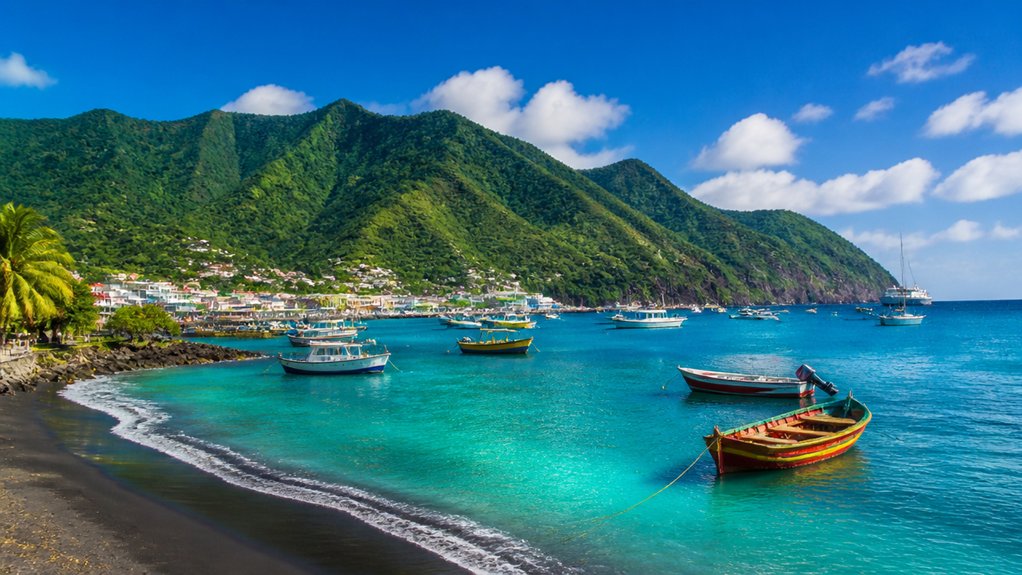
Kingstown’s cruise port is a genuine working harbour, not a polished tourism zone, so you’ll encounter actual Caribbean port life rather than a staged version of it. The terminal area itself is compact and easy to navigate, though this compactness means congestion when several ships dock simultaneously, and the vendor stalls nearby charge prices that assume cruise passengers expect to pay premium rates. The real advantage is that you’re not confined to the terminal—the town centre is within reach on foot, and the island’s interior opens up quickly once you decide to leave the standard ship excursion routes behind.
Locals here are straightforward and helpful if you approach interactions with basic courtesy. Crime exists as it does everywhere, but the risk is manageable if you apply common sense about where you go and what you carry. The landscape itself—volcanic peaks, La Soufrière’s crater, black sand beaches—offers something genuinely different from the standard Caribbean beach port experience.
Port procedures are routine: security, then the inevitable cluster of taxi touts, then your choice between staying near the waterfront or heading into the island. Booking guides and volcano tours independently before your ship arrives costs less than the cruise line’s equivalent packages and connects you with someone who actually lives here rather than someone reading from a script. Reputable local guides and specialist tours book up quickly during cruise season, so reserving online in advance is practical rather than optional if you want actual availability.
Getting From the Port to Town
Taxi touts outside the terminal will quote prices that bear no relation to what you should actually pay, so negotiate before getting in the car. Most drivers expect this and will settle on a fare without fuss—it’s standard practice. Walking into Kingstown takes reasonable effort and requires you to navigate streets that weren’t built for cruise passengers, but it costs nothing and works fine if you’re willing to pay attention.
Pre-booking a driver through a local operator before you arrive costs substantially less than hiring at the port and eliminates negotiation entirely. You’ll have someone waiting with your name, the price is fixed in advance, and you’re supporting an actual business rather than someone desperate for work. Popular drivers fill up quickly during cruise season, particularly those familiar with the volcanic terrain and interior roads.
Taxis parked near the waterfront shops charge more than those stationed inland, so walking away from the port area before flagging one down saves money with no real downside. The port is compact enough that this requires minimal effort. Your decision between exploring alone and booking a tour operator beforehand depends on how confident you are navigating independently—both work, provided you’ve decided which approach suits you before you arrive.
The Must-Do Experience: Start Here
Most cruise passengers stick to Kingstown’s waterfront without realising the actual interest lies inland—volcanic terrain, botanical gardens, and how people actually live on the island rather than the contrived atmosphere of cruise ports designed for visitors.
Start at the Botanical Gardens, which opened in 1765 and continues operating with orchids, palms, and medicinal plants that reveal more about Saint Vincent than any retail outlet. Arrive early while other passengers are still boarding, and you’ll move through largely alone. Locals actually use this space, so you’re watching the island function rather than watching a performance staged for tourists.
If the gardens don’t appeal, walk up to Fort Charlotte overlooking Kingstown Harbour instead. The vantage point across the harbour justifies the effort, the fortification carries actual historical substance rather than the cleaned-up heritage treatment common elsewhere, and crowds remain thin. The fort costs nothing to enter, and locals pass through regularly, which means you get an unfiltered view of how the place works.
Either option surpasses the waterfront shopping area, where markups are steep and everything signals “tourist destination” rather than a functioning town. Both locations provide genuine perspective on what the island actually is. For the most immersive experience, consider booking guided tours at cruise ports through online operators beforehand, as reputable guides offer substantially more context than you’ll assemble independently, particularly regarding volcanic formation or how agriculture shapes the economy. Arrange any guided tour through online booking beforehand, as reputable operators book full during cruise season and offer substantially more context than you’ll assemble independently, particularly regarding volcanic formation or how agriculture shapes the economy.
History Culture and the Top Sights
Saint Vincent’s colonial buildings work differently when you’re inside them rather than reading about them on plaques. The Methodist Church in the town centre dates from 1841 and remains an active parish—you’re attending a place of worship, not touring a museum. The interior wood detailing and stained glass demonstrate craftsmanship that photographs and guidebooks fail to convey adequately.
St. George’s Cathedral, also completed in 1820, holds similar spiritual significance but dominates the town’s layout more obviously. The scale of what was constructed on a small Caribbean island becomes clear the moment you enter, without needing anyone to explain it. These buildings function within Kingstown’s actual daily life rather than existing as visitor attractions bolted onto the town.
Fort Duvernette, on the volcanic rock just off Young Island, remains worthwhile because it was built for defence rather than designed for cameras. The remnants still read as a military position, and the short boat ride and steep climb of steps cut into the rock naturally separates those genuinely interested from casual observers. Locals fishing from the rocks nearby make it obvious this remains a working landscape rather than a preserved one.
Local guided walking tours provide substantially more context than independent research will offer. The guides explain what the Carib Wars meant for settlement patterns and why certain neighbourhoods ended up where they did. Book through local operators beforehand since popular guides fill up during cruise season, and you want someone speaking from actual knowledge rather than reading from prepared notes.
Beyond the Centre: Day Trips and Alternatives
Most cruise passengers stay at Kingstown’s seafront, leaving the quieter inland neighbourhoods and natural attractions relatively empty. The volcanic landscape that defines Saint Vincent becomes an advantage once you step away from the port area.
North of town, the Botanical Gardens function as an actual working space where local families spend their time rather than a tourist attraction designed around visitor expectations. Getting there requires a shared minibus or hired driver, both considerably cheaper than ship excursions, and tour operators rarely include the gardens in their standard packages, which keeps the crowds minimal.
Wallilabou Bay sits further up the coast with access to film locations from Pirates of the Caribbean without the manufactured experience. The beach still serves local fishermen, the water is actually swimmable, and independent snorkelling operators based there offer better rates than pre-packaged shore excursions. Booking your transport and water activities in advance through local operators makes sense, as popular guides fill up during cruise season and online booking secures lower prices than purchasing aboard ship.
La Soufrière’s crater requires a proper hiking guide beforehand—this isn’t a casual outing, and local guides understand the terrain far better than generalist tour companies. The physical demand naturally deters most casual visitors, leaving you with genuine mountain scenery and actual insight into the island’s volcanic geology.
Shore Excursion or Going It Alone
The cruise line’s excursion desk quotes prices that assume you’re trapped for choice and pressed for time—assumptions worth testing. You’ll have roughly eight hours ashore, which is genuinely enough time for a proper day out if you arrange independent activities beforehand rather than joining the standardised tour groups that cycle passengers through the same three locations.
Independent operators charge considerably less than the cruise line markup, and more importantly, they often fill up weeks before your ship arrives. A local guide for La Soufrière or a snorkelling trip from Wallilabou Bay booked online beforehand costs a fraction of what you’ll be quoted on board, and you sidestep the bottleneck of waiting for fifty cruise passengers to assemble. The best guides and operators rely on repeat clients and word-of-mouth rather than cruise lines, so you’re accessing genuinely better experiences by working outside the formal channels.
The trade-off is that you handle the logistics yourself—sorting transport, confirming meeting points, and managing your own time without the ship’s schedule as a safety net. For confident travellers comfortable with minor organisational tasks, this is where you get genuine value. Consider booking professional drivers through established transfer services to ensure reliable transportation independent of cruise line offerings. For those who prefer the certainty of a pre-arranged group, the ship excursions work fine, just expensive and crowded. Either way, decide before you board, because the popular independent guides do sell out to cruise passengers during peak season, and booking a week ahead makes the difference between a solid day and standing around wondering what went wrong.
The Mistakes Cruise Passengers Make in Saint Vincent
Ships normally berth at the cruise terminal in Kingstown, but now and then one anchors offshore and runs a harbour tender service instead, and the cruise lines rarely mention this when selling you eight hours ashore. If yours tenders, expect to lose a solid twenty minutes getting ashore and back, which matters more than you’d think on a short port day. That delay cuts into your actual time on land before you need to return.
Taxi drivers at the dock will quote you prices considerably higher than what locals pay, and negotiating rarely brings them down meaningfully. Arrange transport beforehand through a tour operator or ask your accommodation host for a reliable driver’s number. This sounds like extra effort, but it saves both money and the friction of haggling at the dock when you’re already behind schedule.
The supermarket near the waterfront sells overpriced drinks and snacks aimed squarely at cruise passengers. You’re better off grabbing supplies from a proper grocery store if you venture into town, where prices drop noticeably and you’ll eat like you’ve made an actual choice rather than purchased a marked-up sandwich. The difference in cost and quality justifies the small detour.
Street vendors near the cruise terminal offer exactly what you’d expect: t-shirts, jewellery, and craft items that require genuine browsing to find anything worth buying. Most serious shopping happens away from the dock, but your time ashore doesn’t really allow for proper wandering. Accept this limitation and focus instead on experiences you can’t replicate at home—a volcanic hike or snorkelling trip booked independently beforehand gives you far better value than souvenirs anyway.
Your Port Day: A Sample Itinerary
Most cruise passengers waste their first hour ashore queuing to get off the ship, browsing the terminal gift shop, and standing confused about where to go next. You’ll achieve more by planning before you leave the ship.
Head straight to the botanical gardens near Kingstown in the morning. The gardens sit far enough from the cruise terminal that you’ll avoid the bulk of ship passengers, and you’ll spend your time on something you’ve actually chosen rather than following a predetermined route. Getting there before the later waves of passengers leave the ship puts you there with considerably fewer people around.
Walk into central Kingstown for lunch rather than eating near the waterfront. Restaurants away from the cruise terminal charge less and serve food cooked for local customers instead of passing tourists. Ask a shopkeeper where they’d eat and you’ll end up somewhere that actually feeds people rather than tourists.
Your afternoon should go toward either climbing La Soufrière or snorkelling off the leeward coast. Both require genuine effort and advance booking through independent operators, who fill their spots quickly with cruise passengers. The snorkelling trip offers better value and puts you on the water, well away from the crowds in town.
Leave yourself adequate time to return to the ship in the late afternoon. Getting back on board moves predictably if you’re not among the last to board, and extra buffer time keeps you from spending your final moments ashore rushing or stressed.
Book your Saint Vincent day
Tours for this port, compare before you book
Getting around in port
✈️ Before you sail: eSIM, insurance, luggage, flight delays
Ships In Saint Vincent
Upcoming calls from our sailings tracker, updated regularly.
Carnival Venezia
CarnivalSun 25 Oct
⚓ 08:00–17:00
Aurora
P&O CruisesSat 14 Nov
Britannia
P&O CruisesSat 21 Nov
⚓ 07:00–18:00
Celebrity Constellation
Celebrity CruisesTue 24 Nov
⚓ 08:00–18:00
Marella Voyager
Marella CruisesSat 28 Nov
⚓ 08:00–18:00
MSC World Europa
MSC CruisesTue 1 Dec
⚓ 09:00–19:00