New Orleans Cruise Port Guide
Insider tips reveal how to skip overpriced cruise excursions and discover authentic New Orleans experiences—but where exactly should you go first?
In this guide
Try one free personalised day plan — built around your ship’s actual arrival and departure times. Then get every port on your cruise done the same way from £7.99 (about $10).
Cruise Port Overview: What To Expect
The terminal in New Orleans sits on the Mississippi riverfront at Erato Street and Julia Street, beside the Riverwalk shops and within easy reach of the French Quarter, so you won’t burn your limited time just getting anywhere. The port itself functions as little more than a holding area — a gift shop, a café charging double what you’d pay in town, and then nothing else worth your attention.
Leave the terminal as soon as you can disembark. Besides walking, your options are taxi, rideshare, or a tour operator who collects passengers directly from the ship. Rideshare undercuts the taxi ranks, though either method costs money you could spend elsewhere in the city. If you book a guided tours independently rather than through the ship, you’ll pay considerably less for the same route and commentary.
Walking into the French Quarter is well worth doing. The route runs along the river past the Riverwalk shops towards Canal Street, and the Quarter starts just the other side, so you’ll be somewhere worth being without paying for a ride. A taxi or rideshare only makes sense if the heat or your legs say otherwise.
Heat and humidity define the weather here, and peak season brings cruise ships relentlessly into the same few streets. Heading into town immediately after clearing the terminal makes a tangible difference to what you encounter. The French Quarter before midday functions entirely differently from its afternoon self, which tends toward crowded and samey, so the early timing genuinely matters.
Getting From the Port To Town
Book your transport before leaving the ship because queues form immediately once people start disembarking. Rideshare apps usually cost less than traditional taxis and move faster without haggling, though neither option is cheap. Independent tour operators often undercut the ship’s excursion desk for the same routes, so checking online beforehand can save you money. Consider booking airport and port transfers with professional drivers to ensure reliable transportation without the stress of navigating unfamiliar areas.
The stretch between the terminal and the French Quarter is short enough to cover on foot, through the Riverwalk area and along the river to Canal Street. If you’d rather ride, getting into town by vehicle takes a reasonable amount of time and gets you somewhere worth being.
Book jazz clubs, cemetery tours, and walking tours online weeks ahead of peak season to secure spots and better pricing than what the ship offers. These experiences fill quickly once cruise season hits, and booking in advance also means you’ll actually participate in activities rather than standing in queues with thousands of other passengers. The same principle applies to cooking classes—advance reservations lock in availability and often cost less than last-minute bookings through the ship.
The Must-Do Experience: Start Here
Independent operators charge less than cruise lines and actually connect you with people who live here rather than marching you through crowds. The French Quarter is a short walk from the terminal, and while it trades heavily on tourism—wrought iron everywhere, souvenir shops on every corner—the actual architecture matters and costs nothing to examine on foot. What the cruise lines package as authentic is usually just noise; the real thing happens when you slip into a neighbourhood bar during the afternoon and find yourself talking to someone who’s lived here for decades.
Book a cemetery tour through a local operator well before your port day. These fill fast during cruise season because the guides actually know why New Orleans buries its dead above ground and what that means to the people who live with it. Ship-organised alternatives treat it like spectacle; locals treat it like history.
One meal is enough to prove the point: skip Bourbon Street’s marked-up Creole restaurants and eat where locals do, at a crawfish boil or a café where the money reaches further and the food belongs to actual cooking rather than tourist expectations. The difference between the two isn’t subtle.
Ignore the plastic beads and trinkets. What matters is a proper beignet eaten somewhere quiet, a jazz ticket booked weeks earlier when decent venues still had space, and the simple fact of being somewhere genuinely different from everywhere else you’ve been.
History Culture and the Top Sights
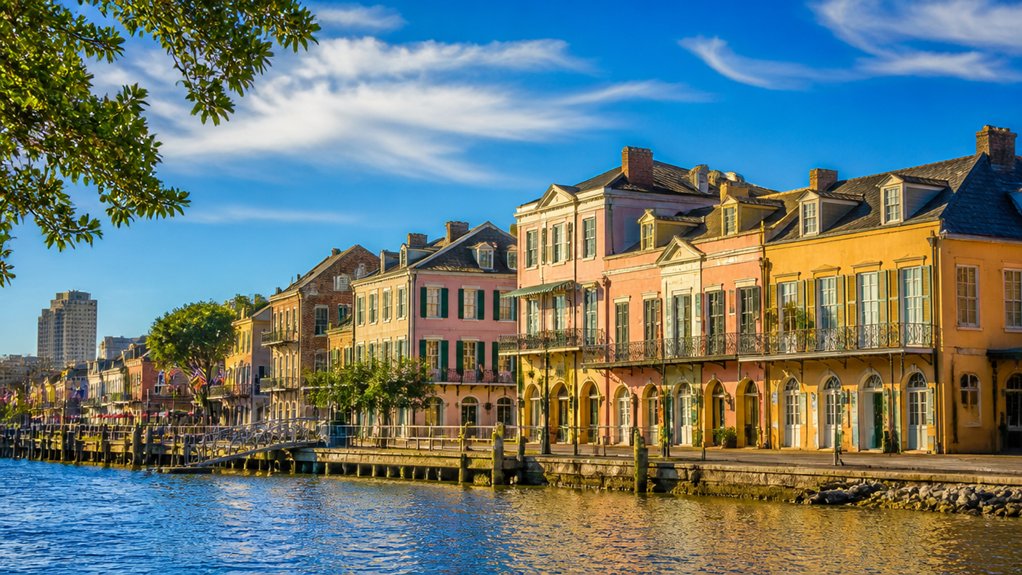
The buildings here work as a better education than any scripted commentary, and the advantage is that observation costs nothing. The French Quarter‘s actual structure—cast iron balconies, brick worn by humidity and decades, courtyards behind unmarked doors—matters more than the commercial layer of restaurants and shops added to ground level.
St. Louis Cathedral occupies Jackson Square and commands attention without effort. It’s genuinely old, genuinely central to how the city sees itself, and genuinely free to examine from outside. The interior has worthwhile elements, though the morning crowds arrive when cruise ships deposit passengers all at once.
The Preservation Hall Foundation operates evening jazz performances in the French Quarter that bear no resemblance to the watered-down versions on Bourbon Street. You need to book weeks ahead as they sell out consistently, especially during cruise season. You’ll pay a modest entry fee and hear people who learned this music as a living practice rather than a performance for tourists.
The Backstreet Cultural Museum sits away from the main tourist area and records the city’s Mardi Gras Indian tradition—the street processions, the intricate costumes, the actual neighbourhoods where carnival occurs. Its smaller scale means you can read the material without fighting crowds and understand why this tradition matters locally. The admission stays reasonable and the shop stocks items with actual purpose.
Beyond the Centre: Day Trips and Alternatives
Most cruise passengers stay in the French Quarter, leaving the swamps, plantations, and residential neighbourhoods largely unexplored. This isn’t about effort—your ship docks near the Quarter and organized excursions follow predictable routes centred on this area. The quarter functions as a self-contained tourist zone, and the cruise industry profits from passengers who never venture beyond it.
Swamp tours depart from locations outside the cruise port, which makes independent booking a practical advantage. You’ll pay less and get smaller groups by arranging tours online beforehand rather than buying them through your ship. During cruise season, popular operators book their boats quickly, so advance reservations guarantee a spot and typically cost considerably less than what the cruise line charges for an identical experience.
Plantation visits warrant independent research before you book anything through your ship. Your options range from estates emphasizing architecture and grounds to those that actually examine the enslaved labour that generated the wealth. Some plantations handle this history responsibly and others don’t, so check each location’s specific approach before committing. Getting there requires either hiring a car or joining a guided tour—a guide eliminates navigation stress when your time ashore is limited.
Marigny sits directly east of the Quarter and contains working music venues, reasonably priced restaurants, and people who actually live there rather than staff souvenir stalls. You can walk or use public transport to reach it, and the contrast to Bourbon Street becomes obvious immediately. Exploring costs nothing and shows you what New Orleans looks like when it isn’t performing for tourists.
Shore Excursion or Going It Alone
The ship’s shore excursion desk charges roughly double what you’d pay booking independently, and that’s before you factor in waiting for your group to assemble. Your choice comes down to convenience versus cost, and New Orleans rewards those willing to spend time booking online beforehand. The financial difference is substantial enough to matter.
Independent tour operators genuinely outperform ship excursions because they know cruise passengers book late and accept inflated rates. Swamp tour companies fill their smaller boats weeks in advance when booked directly, leaving cruise lines to shuffle passengers onto larger commercial vessels that prioritise volume over experience. Book your swamp tour online before you sail—popular operators have availability but this disappears fast during peak season, and you’ll save considerably on the per-person cost.
Walking the French Quarter costs you nothing and requires no advance booking, though your money stretches further if you eat away from Jackson Square and Bourbon Street. The restaurants two blocks inland charge half what the obvious tourist venues demand, and the food is genuinely better. If plantation visits appeal to you, hire a car—the independence matters when your time ashore is finite, though a reputable guided tour eliminates navigation stress and often includes historical context the cruise line omits.
Marigny requires only that you walk or catch public transport eastward from the Quarter. You’ll recognise the shift immediately: actual residents, working musicians playing for other New Orleanians rather than tourists, and venues where covers cost a small fee rather than requiring table minimums. Going it alone here costs almost nothing and teaches you far more about the city than any organised excursion could manage.
What Most New Orleans Guides Get Wrong
The cruise terminal sits within walking distance of the French Quarter, yet most passengers never attempt it, instead paying for taxis or booking shuttle buses. Walking there gives you autonomy over your schedule—you arrive when you want and leave when you want, without waiting for groups or departure times.
New Orleans operates differently from other ports. Restaurants open late, attractions take longer than you’d expect, and trying to see everything in a few hours leaves you worn out rather than satisfied. The city responds better to a measured approach and genuine interest than to rushing through a checklist.
Swamp tours booked independently before departure work better than cruise desk options. The ship books enormous commercial vessels packed with rushed groups, whereas direct booking with established operators puts you on smaller boats where you can actually spot wildlife and hear what the guide is saying. These tours fill quickly during busy seasons, and booking online beforehand costs less than what the cruise desk charges while giving you a substantially better experience.
Bourbon Street exists and warrants one walk-through, but the bars operate as tourist traps with inflated prices and ordinary music. Frenchmen Street in Marigny sits just east of the Quarter and hosts actual musicians playing for locals, charges little or nothing for entry, and shows you how New Orleans actually functions rather than how it’s been packaged for cruise passengers.
Your Port Day: A Sample Itinerary
Walking from the terminal beats queuing for a taxi—the French Quarter is close enough to reach on foot, and you’ll arrive before the crowds turn up. Most cruise passengers spend their first hour stuck in a cab queue when they could already be somewhere worth being.
Start in the French Quarter itself but stay off Bourbon Street. Walk the quieter streets, get coffee and a beignet somewhere ordinary, and allow yourself to wander without a map for an hour. The neighbourhood actually reveals what it is when you’re not rushing between marked attractions.
By mid-morning, head east to Frenchmen Street in Marigny, where you’ll find musicians playing in bars with no cover charge and locals actually there to listen. Lunch costs half what you’d pay near Bourbon Street and tastes considerably better. Sit for an hour or two and watch how the city works when the cruise infrastructure isn’t involved.
If a swamp tour interests you, book an independent operator before sailing rather than using the cruise desk. The ship’s package crams you onto enormous commercial boats where you see nothing but other passengers and hear only engine noise. Smaller independent operations with decent track records fill up during peak season, but booking online beforehand guarantees you a place and saves significant money compared to what the cruise desk charges.
Book your New Orleans day
Tours for this port, compare before you book
Getting around in port
✈️ Before you sail: eSIM, insurance, luggage, flight delays
Ships In New Orleans
Upcoming calls from our sailings tracker, updated regularly.
Carnival Valor
CarnivalThu 8 Oct
⚓ 08:00–15:30
Carnival Liberty
CarnivalSun 11 Oct
⚓ 08:00–15:30
Carnival Valor
CarnivalMon 12 Oct
⚓ 08:00–15:30
Carnival Valor
CarnivalSat 17 Oct
⚓ 08:00–15:30
Carnival Liberty
CarnivalSun 18 Oct
⚓ 08:00–15:30
Carnival Valor
CarnivalThu 22 Oct
⚓ 08:00–15:30