Newcastle Cruise Port Guide
Uncover insider secrets for maximizing your Newcastle port day—from hidden gems to avoiding tourist traps—but first discover…
In this guide
Try one free personalised day plan — built around your ship’s actual arrival and departure times. Then get every port on your cruise done the same way from £7.99 (about $10).
Cruise Port Overview: What To Expect
Newcastle’s cruise terminal isn’t in the city at all. Ships berth at the Port of Tyne International Passenger Terminal, on the riverfront at North Shields near the mouth of the working river, around nine miles from the city centre. You can’t simply walk into town: once you’re through passport control, you’ll need the shuttle bus, a taxi or the Metro, and it’s around half an hour by road.
The terminal itself is functional but cramped during peak season. If you’re arriving with a large ship, expect queues at passport control and a bit of elbow-bumping in the departure lounge. The good news is that congestion clears relatively quickly, and you won’t waste hours trapped inside.
Weather here is reliably unpredictable. You might get crisp autumn sunshine or drizzle that makes you question your choice of footwear. Pack layers and waterproof cover for your bag; you’ll navigate this better than anyone in linen trousers and open sandals.
The city centre is genuinely walkable, though the cobblestones are unforgiving on your feet after a few hours. Stick to the Quayside and Grey Street for the best concentration of shops, cafés and decent sightlines. Away from the tourist spine, you’ll find the real Newcastle—independent bookshops, decent pubs serving proper ale, and locals who won’t pretend you’re interesting just because you’re on a cruise.
Once you’re in town, your challenge isn’t distance or access. It’s deciding what matters most in your six or eight hours ashore, then committing to it rather than drifting between overcrowded attractions.
Getting From the Port To Town
You can’t walk from the cruise terminal to Newcastle city centre; it’s simply too far. The easiest option is the shuttle bus, which runs to Bewick Street opposite Central Station, from where it’s a downhill walk to the Quayside. Head in early if you can, while foot traffic in the centre is still manageable.
A taxi or ride-share from the rank outside the terminal takes around half an hour to the city centre and makes sense if you’re weighted down with bags or if walking aggravates your joints. Local drivers often hand out reasonable suggestions about where to eat or what’s worth your time. Once in town, the Quayside walk is straightforward enough, and stopping to actually look at the river pays off—it’s what prevents Newcastle from feeling interchangeable with every other British port city.
The Metro is the local option: Percy Main station is about a 20-minute walk from the terminal, and trains run into the city centre. Locals use it without ceremony, though the network takes some figuring out if you don’t know it already. Once you’re in the centre, walking is your most practical choice. Start along the waterfront, then head uphill towards Grey Street once you’ve got your bearings. The route makes logical sense, signage is adequate, and you’ll pass working cafés and shops that show you how Newcastle actually operates rather than how it’s been dressed up for visitors.
Get into town, head down to the water, and walk with intention. You’ll cover the centre without drama, and the journey itself teaches you more than any explanation could.
The Must-Do Experience: Start Here
Newcastle works better when you stop trying to see what you think you should see and start paying attention to what’s actually there. Most cruise passengers follow the same worn path because it feels safe, but the city reveals itself far more readily to people who wander without a plan. This approach takes no special effort—it just requires you to trust that ordinary streets and ordinary cafés matter more than any officially designated attraction.
The Quayside is where you should anchor yourself for at least the first part of your visit. This isn’t a polished waterfront designed for tourists; it’s a functioning part of the city where people work, drink coffee, and move through their day. The walk along the river toward the Glasshouse gives you an accurate sense of Newcastle’s scale and character without committing you to anything expensive or rigid.
From the riverfront, head uphill into the streets around Grey Street and Collingwood Street, where Georgian architecture organises the entire neighbourhood. You can spend hours here without any predetermined route and actually understand how the city is structured. Independent cafés and bookshops exist throughout this area, and they operate for people who live here rather than for visitors passing through. Consider booking guided excursions to learn about the neighbourhoods from someone with deep local knowledge.
If you want guidance without the constraints of a cruise-line package, book a local walking tour in advance with someone who focuses on Newcastle’s industrial past and local culture. These independent guides offer better value and genuine flexibility than the bundled alternatives, and the good ones book up quickly during cruise season.
History Culture and the Top Sights
Newcastle’s industrial past isn’t something bolted onto the city—it’s the foundation of how the place actually works and what people here care about. The trouble with most heritage writing is treating history as a closed chapter, when really Newcastle’s character comes from understanding how people made their living here, not from reading plaques in museums. This matters because it changes what you’re actually looking at when you walk around.
The Discovery Museum covers the industrial story without the self-aggrandising tone that kills most heritage spaces. You’ll see Turbinia, once the world’s fastest ship, and learn about the Tyne’s shipbuilding dominance, and it all feels earned rather than packaged for tourists. It’s a straightforward walk uphill from the Quayside.
St Nicholas Cathedral is fine if you’re passing the city centre, though it’s not essential to your understanding of Newcastle. The real point is that the Georgian streets you’ll wander weren’t built by people chasing aesthetic ideals—they were built by merchants who profited from river trade and wanted everyone to know it. The architecture tells you more about money and power than it does about design.
If you want context beyond what a casual walk provides, book a historian-led tour that focuses on industrial Newcastle before you arrive. Independent guides who specialise in this era give you better information than cruise lines typically offer, and they’ll explain the actual lives behind what you’re looking at. These tours fill up during cruise season, so arrange this early.
Beyond the Centre: Day Trips and Alternatives
Most cruise passengers stay at the Quayside, which leaves the parts of Newcastle that actually built the city untouched and quiet. You have limited hours ashore, and spending them in crowded riverside cafés means missing what makes the journey worthwhile. The real alternative requires you to move beyond the tourist infrastructure.
Jesmond Dene is a wooded valley running through the city’s interior where you’ll genuinely lose the cruise crowds. The walk demands effort—you’re navigating a proper landscape with the Ouseburn below and Victorian structures scattered through it—but this is what locals experience rather than what’s been arranged for visitors. The neighbourhood shows you why people choose to stay rather than leave.
Whitley Bay offers coast and sea air if you want a break from buildings, though the travel time cuts into your shore hours significantly. The Stephenson Steam Railway in North Shields works if you actually care about engineering rather than photographs, but you need to plan carefully around your ship’s departure. Neither option suits everyone, and both require you to understand your timeline before you leave the port.
Book an independent walking tour of areas like Byker or Ouseburn well before your visit, as these neighbourhoods reflect how Newcastle functions now rather than how it’s been marketed. Local guides take you to ordinary pubs and cafés where pricing reflects local economics, not cruise ship schedules. These tours fill quickly during peak season, so you need to secure your spot online in advance.
Shore Excursion or Going It Alone
Ship excursions to Newcastle’s industrial heritage sites charge a markup that reflects logistics rather than content—you’re paying for convenience and a guaranteed return time, not access to places you couldn’t reach on your own. The Stephenson Steam Railway in North Shields justifies the hours you have ashore, but booking directly through independent operators costs less than going through your cruise line and gives you the flexibility a ship schedule cannot provide.
Going alone means catching the shuttle or a local train from the terminal into the city centre, which requires minimal effort and puts you in control of your schedule. You’ll pay a fraction of the price on transport and admission compared to the organised package, and you’ll avoid the experience of moving through attractions as part of a large group of cruise passengers. The catch is that you’re responsible for getting back on time, so give yourself a substantial buffer before departure—missing your ship costs far more than any money you save on excursions.
Independent tours of Byker or Ouseburn offer better value when you book online in advance, since local guides know where locals actually spend their time rather than where the tourism industry directs visitors. These tours fill quickly during peak season among cruise passengers, so reserving your place before you arrive at the port removes uncertainty. You’ll experience Newcastle as an actual city rather than a packaged destination, and that difference alone justifies the booking fee. With a local eSIM data plan, you can navigate the city independently and stay connected without expensive roaming charges while exploring on your own terms.
Small Things That Make a Difference in Newcastle
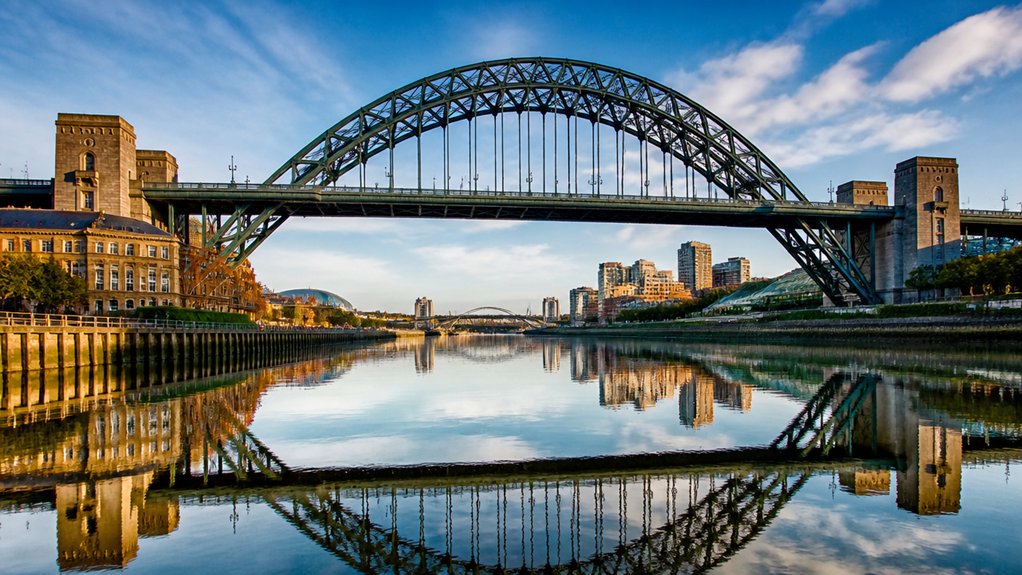
Newcastle’s cruise terminal is around nine miles from the city centre, but the shuttle, a taxi or the Metro will get you there, so you don’t need the expensive transport solutions the port tries to sell you. The Quayside gets properly rammed mid-morning when several ships arrive together, which means if you want decent photographs of the Tyne Bridge or a walkable riverside experience, you need to get out early before the crowds build. By midday the riverfront turns into a slow crush of people, though the narrow streets heading inland stay empty because that’s where locals actually go.
The Grey’s Monument area and its surrounding streets look touristy but work efficiently—the cafés here aren’t substantially more expensive than anywhere else in the UK, which is genuinely useful to know. Where you’ll waste money is paying for attractions specifically packaged for cruise passengers when you can find better alternatives nearby for the same cost or less. The Baltic and the Glasshouse are legitimate cultural venues, but booking an independent walking tour of Byker or Ouseburn in advance gives you actual engagement with the place, and the popular guides book out fast during peak season so you’ll need to plan ahead.
Bring a contactless card or set up mobile payment before you arrive because Newcastle runs almost entirely cashless now, and you’ll hit real problems if you haven’t sorted this out. Figure out your route before leaving the ship rather than discovering you can’t connect to anything at the terminal and having to make decisions blind.
Your Port Day: A Sample Itinerary
Most cruise passengers spend their first hour waiting at the terminal information desk when they could already be on the Quayside watching light move across the Tyne Bridge. Leave the ship, walk past the queues forming at the attractions desk, and take the first shuttle or taxi into the city centre—you’ll have the riverfront mostly empty until mid-morning arrives.
Start with an early walk along the Quayside itself and get coffee from one of the independent cafés instead of paying inflated prices at the terminal outlets. The Baltic and the Glasshouse sit directly on the Gateshead waterfront, and if contemporary art appeals to you, the Baltic is worth an hour, though neither needs booking in advance so you’re not obliged to commit. By the time you finish here, the crowds will have grown noticeably, so this timing matters.
Head inland toward Grey’s Monument for lunch—the cafés charge reasonable prices and the area feels like an actual neighbourhood rather than something built for tourists. Use this break to get your bearings and either browse the independent shops in the nearby streets or book a walking tour on your phone if you want proper local knowledge. An independent walking tour of Byker or Ouseburn, reserved online before you arrive, will show you how Newcastle functions beyond the obvious circuits, though these tours book up quickly during busy seasons so confirm your place early.
Spend your final hours working back toward the Quayside along the quieter streets you’ve already explored, leaving yourself enough time for the half-hour trip back to the ship without rushing. You’ll have covered more actual Newcastle than passengers who stayed on the obvious riverside route, and you’ll have spent significantly less money doing it.
Book your Newcastle day
Tours for this port, compare before you book
Getting around in port
✈️ Before you sail: eSIM, insurance, luggage, flight delays
Ships In Newcastle
Upcoming calls from our sailings tracker, updated regularly.
Crown Princess
Princess CruisesThu 8 Oct
⚓ 09:00–18:00
Norwegian Spirit
Norwegian Cruise LineFri 11 Dec
⚓ 07:00–17:00
Grand Princess
Princess CruisesSun 13 Dec
⚓ 09:00–18:00
Grand Princess
Princess CruisesSat 30 Jan
⚓ 09:00–18:00
Costa Deliziosa
Costa CruisesSun 31 Jan
⚓ 08:00–18:00
Arcadia
P&O CruisesSun 21 Feb
⚓ 08:00–18:00