Portland Maine Cruise Port Guide
How to escape Portland’s tourist traps and discover authentic local experiences that cruise lines don’t want you to know about?
In this guide
Try one free personalised day plan — built around your ship’s actual arrival and departure times. Then get every port on your cruise done the same way from £7.99 (about $10).
Cruise Port Overview: What To Expect
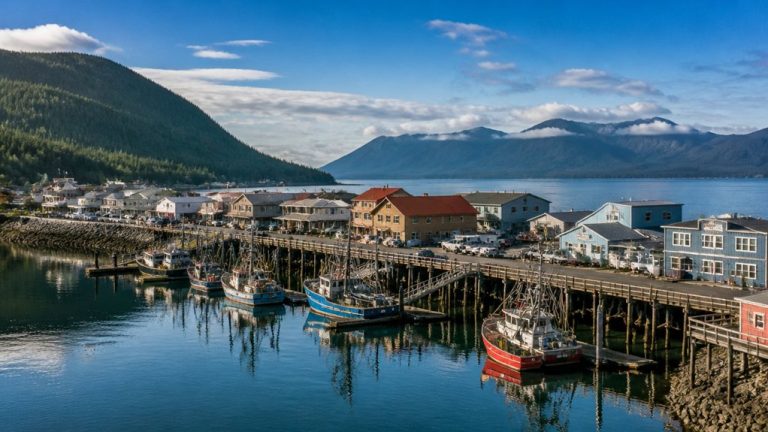
Portland’s cruise terminal sits on the waterfront, but the Old Port—where most people actually go—starts right across Commercial Street from the dock, and only the city centre beyond it means climbing uphill. The walk is straightforward enough and beats paying the inflated fees charged by official shuttle services. The terminal itself offers basic necessities: a few retail outlets, an information desk, and coffee, but nothing beyond that.
Crowds accumulate quickly in the Old Port once multiple ships dock, so if you prefer moving about without navigating tourist throngs, timing matters. The working waterfront beyond the main tourist strip retains genuine function—lobster boats operate here as working vessels, not props. If you want to watch how a port actually operates rather than how it’s packaged for visitors, there’s genuine interest to be found.
Head inland from the terminal toward Congress Street rather than lingering near the docks where everyone else congregates. The neighborhoods beyond the immediate waterfront have solid local restaurants and independent shops where you won’t be financially punished for eating and shopping. Weather shifts rapidly in Portland, so check conditions before leaving the ship, and bring proper walking shoes—the port rewards exploring on foot.
Rain clears out casual tourists and opens up quieter routes through the city if you’re prepared for it.
Getting From the Port To Town
The walk uphill from the terminal puts you at an immediate advantage. Most cruise passengers queue for shuttle buses while you’re already moving into town on foot, and the gradient is steep enough that few bother making the climb. The twenty minutes it takes rewards you with actual working streets instead of the tourist staging areas at the waterfront.
Walking costs nothing and deposits you directly into the functional city rather than at the orchestrated arrival points where cruise lines have already arranged partnerships with vendors. If walking isn’t feasible, local taxis queue near the terminal and cost substantially less than the official shuttle, though you’ll share the ride with other passengers. For a more reliable option, you can book a professional driver in advance to handle your transfer seamlessly. Either approach makes more sense than paying inflated prices for a short uphill journey.
Congress Street forms the main thoroughfare running through the city centre, and reaching it means you’ve cleared the worst congestion. The side streets branching off this spine contain the restaurants and shops where residents actually eat and shop, not the establishments that exist primarily for cruise traffic. Turning inland rather than lingering at the waterfront separates the experience of actually being in Portland from the curated version designed for visitors.
Rain genuinely improves your circumstances if it arrives during your port day. The sudden downpour empties the Old Port almost completely, giving you legitimate access to the working waterfront and its lobster shacks without the usual crowds queuing outside. A waterproof jacket and decent shoes transform a weather delay into a genuine advantage.
The Must-Do Experience: Start Here
Portland’s actual advantage lies in eating properly, which matters more than you’d think until you’ve wasted an hour in the Old Port tourist corridor waiting for mediocre seafood. The working fishing neighbourhood on the waterfront’s quieter eastern edge serves lobster rolls and chowder to people who actually live here rather than those passing through.
Start your morning by walking uphill into town and reaching Congress Street, then find a proper coffee shop away from the waterfront where office workers and students gather instead of cruise passengers. This sets your day right and costs considerably less than what you’d pay near the harbour for the same thing.
Independent food tours take you through actual neighbourhoods where chefs source their ingredients rather than following choreographed routes past pre-selected shops. Booking ahead online before you sail secures your spot and often costs less than purchasing on the day, while you’ll eat better and spend money with people who depend on year-round business rather than seasonal tourism.
Spend your early afternoon walking residential streets branching off Congress Street, where you’ll find independent bookshops, neighbourhood cafes, and galleries run by actual artists. The waterfront remains accessible later if you want it, but these quieter hours give you access to Portland as a real place before afternoon shuttle buses empty onto the pier.
History Culture and the Top Sights
Portland’s history exists separately from the seafood marketing that dominates most visitor conversations. The city has genuine stories to tell about American independence and maritime trade, though you need to look beyond the waterfront gift shops to find them.
The Portland Observatory occupies Munjoy Hill and offers views across the entire harbour. Built in 1807, it’s one of the few surviving maritime signal towers in America, and climbing to the top shows you how the port actually operated rather than how it appears in photographs. Fewer cruise passengers make the effort here, so you’ll see it roughly as locals do rather than as a staged attraction.
The Portland Museum of Art sits on Congress Street with a solid collection of American painters and contemporary pieces. The building itself, designed by Henry Cobb of I.M. Pei‘s firm, matters whether or not you go inside, and it’s worth seeing for that reason alone. The admission cost runs higher than you might anticipate for a regional museum.
Victoria Mansion appeals specifically to people interested in ornate 19th-century interiors, and access requires joining a guided tour. Most cruise passengers skip it without losing anything from their visit, which indicates the experience has a narrow audience. The decision to visit depends entirely on your tolerance for period furnishings and group-paced tours.
Your best approach involves booking an independent walking tour focused on Portland’s role in the American Revolution and 19th-century trade networks. These tours fill with cruise passengers, so securing your place online before arrival helps you avoid generic harbour commentary. Local guides who actually live in Portland lead smaller groups rather than moving crowds through rehearsed scripts.
Beyond the Centre: Day Trips and Alternatives
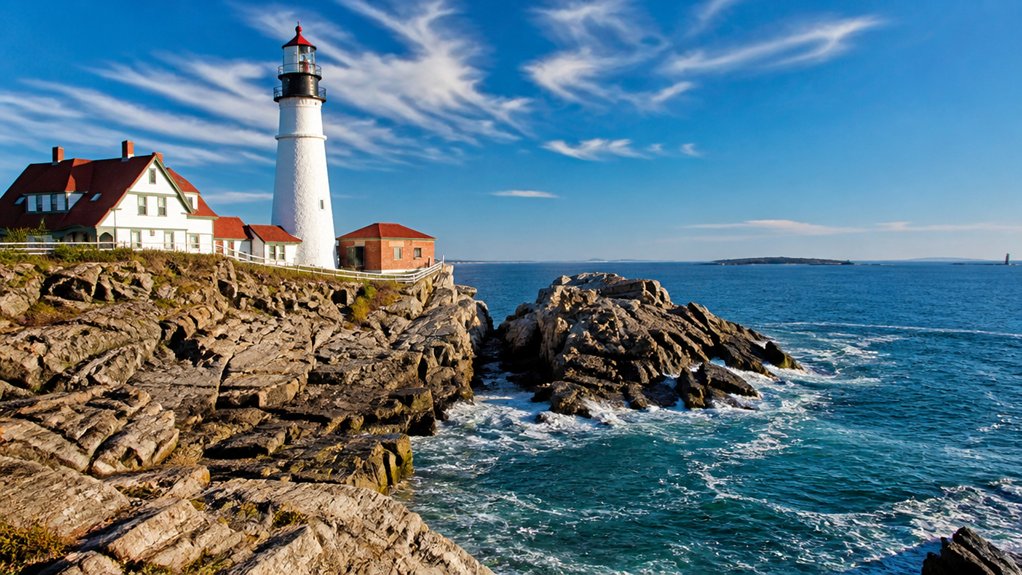
The cruise lines benefit from keeping you confined to the waterfront, where they control both your options and what you spend. Cape Elizabeth lighthouse sits south of the city and requires no tour operator, admission fee, or group reservation—you simply walk the grounds, take photographs, and sit on the rocks at your own pace. This is what coastal Maine actually looks like when you’re not shepherded through it.
Two Lights State Park nearby has water views and walking trails that function as actual walks rather than photo opportunities designed around branded experiences. Getting yourself there by taxi or ride-share costs substantially less than the ship’s equivalent excursion and eliminates the minibus full of other passengers. You arrive when you choose and leave when you’ve had enough.
Freeport works as a functioning town rather than a tourism stage set, sitting a short journey north. Locals eat at the restaurants and shops here, which means the prices stay reasonable and the food isn’t designed for one-off visitors. Harrington House, an 1830s building holding the local historical society’s exhibitions, is there if the town’s past interests you, though the town itself requires no attraction beyond its ordinariness.
Both options demand advance transport booking and an early departure from your ship. Arriving late means cramming a destination into the ninety minutes before you’re required back, which wastes the point of going anywhere at all. Leave early enough that you can actually spend time in a place instead of simply passing through it.
Shore Excursion or Going It Alone
The ship’s shore excursions charge what amounts to a service premium for the convenience of organized travel, which means your money stretches further if you handle things yourself. Organizing your own time ashore costs less and gives you actual control over how you spend your hours, rather than following a schedule built around bus logistics and group management.
Walking Portland’s centre is free, and you’ll cover the Old Port, waterfront galleries, and lunch spots at your own pace without waiting for a guide to shepherd everyone back to transport. The Eastern Promenade walk costs nothing and takes you into actual neighbourhood life rather than the tourist corridor. For specialist activities like independent harbour tours or lighthouse visits, booking directly with local operators online beats the cruise desk’s prices, and availability during cruise season fills quickly.
The real choice isn’t between expensive and cheap but between surrendering your schedule to the ship’s timetable or keeping it for yourself. Fixed departure times serve the cruise line’s operations, not your interests or the pace you actually want to move at. Going alone means sitting with coffee in Freeport as long as you want, or spending proper time at Cape Elizabeth instead of the twelve minutes a group tour allows.
Booking independent tours in advance—walking tours, kayaking, food experiences—secures better rates than the cruise desk and guarantees your spot during busy season. You can book tours and activities directly with local operators to access a wider selection of guided excursions tailored to your interests. Local guides give you actual conversation and real perspective rather than corporate talking points delivered through a microphone.
The Mistakes Cruise Passengers Make in Portland Maine
The waterfront near Portland’s cruise terminal operates on a simple principle: extract maximum money from people who’ve just stepped off a ship. Every café and restaurant within sight of the gangway charges well above what you’d pay inland, and the food quality rarely compensates for the markup. Walking two streets away from the water cuts your costs noticeably and improves what you actually eat.
Congress Street functions as the commercial centre where independent retailers, proper restaurants, and galleries operate without cruise-day surcharges. The Eastern Promenade serves the people who actually live here rather than tourists following a prescribed route. Leaving the waterfront within the first quarter-hour of disembarking puts you where locals eat and shop.
Maine’s weather shifts rapidly, and the harbour wind cuts sharper than cabin views suggest, even on days that look settled from your balcony. A removable layer prevents regret when conditions change midway through your morning. This matters more here than at most ports.
Book any specialist activities—kayaking, lighthouse trips, food-focused walks—well before you sail. Local operators with actual expertise fill their cruise slots weeks ahead, and the ship’s desk adds a handling fee regardless. Arranging directly with operators costs less and places you in smaller groups with guides who know their subject rather than reading promotional material.
Your Port Day: A Sample Itinerary
Portland’s port day works better if you make one choice before you leave the ship: skip the organised excursion and walk into the city proper within minutes of arrival.
Head straight up Congress Street instead of settling at the waterfront cafés. The Eastern Promenade will still be there later—right now you need to reach the part of Portland where actual residents eat and shop, where prices reflect what locals pay rather than what cruise passengers expect to spend. Breakfast at a neighbourhood spot will cost less and taste better than what you’d get queuing for a ship-organised meal.
By late morning, you’re positioned to do something worth the effort. If you booked a kayaking trip or lighthouse visit through a local operator before departure, head to your meeting point now because popular outings fill weeks ahead and you’ll pay considerably less booking directly than through your ship. If you haven’t arranged anything, the Portland Observatory is straightforward enough—a climb with actual views across the harbour and islands without the crowds that tag along with cruise groups.
Lunch should take you away from the terminal entirely. Return toward Congress Street or explore the quieter sections of the Old Port, the streets where independent restaurants actually operate rather than the main tourist strip. Spend your afternoon browsing galleries, bookshops, or walking the Eastern Promenade if weather permits, then return to your ship with an hour’s buffer and more money remaining than the cruise desk imagined you’d keep.
Book your Portland Maine day
Tours for this port, compare before you book
Getting around in port