Portsmouth Dominica Cruise Port Guide
Discover Portsmouth’s hidden inland waterfalls and authentic local experiences—but here’s what cruise lines won’t tell you.
In this guide
- Cruise Port Overview: What to Expect
- Getting From the Port to Town
- The Must-Do Experience: Start Here
- History Culture and the Top Sights
- Beyond the Centre: Day Trips and Alternatives
- Shore Excursion or Going It Alone
- Before You Leave the Ship: Portsmouth Dominica Practicalities
- Your Port Day: A Sample Itinerary
Try one free personalised day plan — built around your ship’s actual arrival and departure times. Then get every port on your cruise done the same way from £7.99 (about $10).
Cruise Port Overview: What to Expect
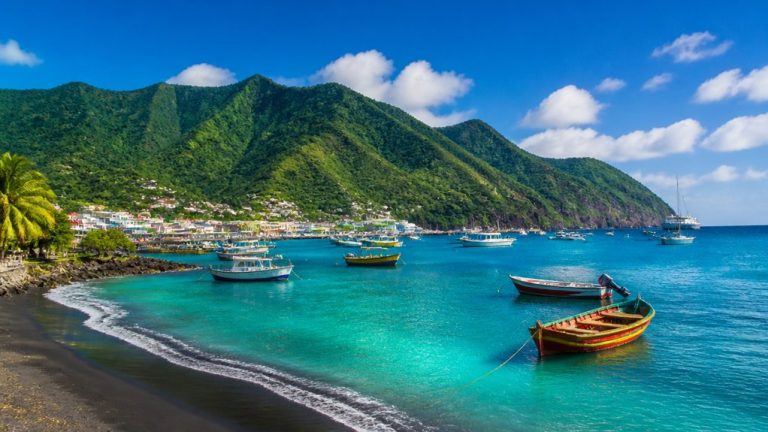
Dominica’s cruise port is smaller and less developed than the Caribbean islands nearby, which means the infrastructure you’re accustomed to simply isn’t there. The Cabrits cruise berth sits in Cabrits National Park on the north-west coast, just outside Portsmouth on Prince Rupert Bay, and your ship docks alongside rather than anchoring offshore—this saves you the tender boat journey. What you’ll notice first is the absence of the usual port machinery: no duty-free shopping arcades, no international chain restaurants, and no aggressive vendors working the dock.
The terminal building is basic and modest. Currency exchange exists but operates on limited hours, so handle any financial transactions early if you need them. Portsmouth, the nearby town, is genuinely small and local in character, which means shops and restaurants don’t necessarily align their opening hours with cruise ship arrivals.
This works to your advantage if you prepare. Independent local guides offer substantially better value than ship excursions, and the natural attractions—waterfalls, rainforest trails, river swimming—justify the effort of booking ahead. You can explore shore excursions that showcase Dominica’s authentic character while supporting local operators. Secure your guide before arriving because the reliable operators fill quickly once cruise passengers start booking.
Getting From the Port to Town
Portsmouth town centre is walkable from the terminal without needing transport, assuming you stay in town itself. The dock opens directly onto the waterfront and the main street runs uphill into the centre, so navigation amounts to following one clear route. This setup means you can move around freely and spend money only on things that interest you rather than on transfers.
Taxis queue outside the terminal and drivers will negotiate fares for inland trips. Arrange for a driver to wait and bring you back, or settle on a flat rate before you leave—either approach costs less than booking the same journey through your ship. The roads inland are narrow and wind considerably, but drivers navigate them regularly and the landscape changes noticeably once you move away from the coast.
If you want to reach the interior properly—to swim in rivers, hike to waterfalls, or visit the volcanic lakes—contact a local guide operator before you sail. These guides book up quickly during cruise season and charge per person at rates well below what the ship’s excursion desk offers. They know the terrain thoroughly, speak knowledgeably about the island, and can take you to areas where few cruise passengers venture. Booking online beforehand secures your spot and gives you time to plan around their schedule.
The Must-Do Experience: Start Here
Portsmouth’s real value lies inland, where mineral-rich river pools and waterfalls exist that most cruise passengers never reach. The waterfront has colonial buildings and a market, but your time is better spent in the interior where the landscape actually warrants the effort of getting here. Commit to one proper experience rather than skimming several mediocre ones.
Book a guided river and waterfall tour before you sail, as operators fill quickly during cruise season and independent guides charge less than the ship’s desk while taking smaller groups to better locations. Search for tours including Ti Tou Gorge or the freshwater pools near the volcanic interior—these are what you’ll actually remember. Reserve online in advance rather than gambling on same-day availability, since reputable local operators manage transport from the port, explain the island’s geology as you go, and collect you directly from the terminal to return you before departure.
If you skip the guided option, Portsmouth town is walkable for a couple of hours on your own, or head to nearby Picard Estate for a quieter beach that’s less crowded with cruise passengers. Either way, going all-in on one thing rather than half-attempting multiple activities is what actually makes your time here feel worthwhile.
History Culture and the Top Sights
Dominica’s colonial past left behind buildings rather than museums, so you’ll need to read the island’s history through architecture and what remains in the landscape. Portsmouth functioned as a significant port during the plantation era, and the older waterfront buildings still carry that sense, though there’s no formal interpretation beyond what a local guide can point out during a walk.
The town centre has a working market where locals buy produce and fish rather than souvenirs aimed at cruise passengers, which at least means the activity feels genuine. The colonial structures around the square photograph reasonably well, but they’re unmanned and unstaffed, so your grasp of them depends on hiring a guide beforehand or doing your own research. If colonial architecture interests you enough, a casual walk through is worthwhile, but you shouldn’t expect proper exhibitions or informational plaques.
The more useful understanding comes from conversations with people rather than from examining buildings. Local shop owners, taxi drivers, and market vendors will tell you substantially more about how Dominica actually functions—its recovery patterns after hurricanes, its reliance on agriculture, its cultural practices—than any formal site could convey. This is where independent local guides prove their value, since they’ve lived through the history and can explain what you’re seeing in actual context rather than from a prepared script.
For cultural understanding that extends beyond the immediate port area, arrange a guided tour with a Dominican operator before you arrive, as these tend to integrate history throughout rather than treating it as a separate stop on an itinerary. You’ll cover ground more effectively, pick up more relevant context, and your spending goes directly to local expertise.
Beyond the Centre: Day Trips and Alternatives
Most cruise passengers stay at the waterfront in Portsmouth, which means the actual working island lies inland and along the coast beyond the port’s immediate reach. Portsmouth sits near the northern end of the island, so your options split between heading into rainforest and waterfalls or traveling south to villages where cruise tourism hasn’t yet established itself.
The Syndicate Nature Trail, in the parrot reserve on the slopes of Morne Diablotin, is within reasonable travel distance and is one of the best places to look for Dominica’s rare native parrots. It’s protected rainforest rather than an attraction built for visitors, so you’ll walk through forest with a guide who knows where the birds feed. Independent local operators run these tours and know the terrain thoroughly, offering better value than what ships charge for the same experience.
Freshwater pools and waterfalls exist throughout the interior, but you’ll need either a proper guide or extensive local knowledge to locate them. Attempting these alone wastes time on false trails and unmarked paths that lead nowhere. A half-day guided hike through a local operator costs substantially less than ship excursions while putting money directly into the community and connecting you with someone who actually understands where things are.
Fishing villages south along the coast remain largely untouched by cruise tourism, which makes them worth the effort to reach. Food costs less here and conversations happen with people who aren’t accustomed to selling things to visitors. Getting there requires independent travel and willingness to move away from signposted tourist areas, and this distinction is what separates spending time somewhere from simply consuming a tourist experience.
Shore Excursion or Going It Alone
The cruise line’s shore excursion desk charges markedly more than local operators for the same activities because their prices absorb commission, logistics, and insurance costs. A waterfall hike or coffee plantation tour booked directly with a local guide costs substantially less and puts you with someone who actually knows the area rather than someone managing a group on a fixed schedule. The difference in value becomes obvious once you compare quotes.
Independent exploration requires comfort with not having everything planned and accepting that you’ll move at a slower pace through terrain you don’t know. Dominica’s ports lack the infrastructure of established Caribbean cruise destinations, so you won’t see rows of English-speaking taxis waiting at the dock or organised walking tours departing hourly from the harbour. This absence of tourist infrastructure is precisely why local tour operators provide better value—they’ve already worked out the transport and logistics that make solo exploration risky within a limited port window.
Arrange a private or small-group tour through a local operator weeks before your ship arrives, particularly during peak season when experienced guides book up quickly. A reputable local operator will collect you from the port, manage transport to whatever you want to see, and have you back with adequate time before departure, which removes the stress that makes hurried days feel pointless. You can book tours and activities directly with operators at ports worldwide to maximize your experience. This costs less than the cruise line’s equivalent tour while ensuring someone with genuine local knowledge handles your day.
Before You Leave the Ship: Portsmouth Dominica Practicalities
The tourism board’s website bears little resemblance to what actually operates on the ground in Dominica. The island’s infrastructure and services function at a pace your ship’s schedule simply cannot accommodate, so timing becomes critical in ways it doesn’t at other Caribbean ports.
Dock taxi drivers quote inflated fares to cruise passengers, relying on your unfamiliarity with routes and your anxiety about missing the ship. Arranging transport through your tour operator before you arrive eliminates both the guesswork and the uncomfortable haggling that drains your day.
Dominica’s main roads move chaotically by cruise passenger standards, with minibuses stopping constantly and virtually no signage pointing toward tourist attractions. The interior lacks the maintained walking paths available elsewhere in the Caribbean, so straying from established routes typically means pushing through dense vegetation or losing your way. This reflects how the island actually functions rather than any failing—which is precisely why booking a proper tour operator beforehand transforms a potentially frustrating day into one where you actually accomplish something.
The most experienced local guides fill their schedules weeks before cruise season arrives, so booking a small-group tour through established platforms well before your sailing date secures access to people who know which paths won’t trap you, where the water quality is reliable, and which locations reward the effort to reach them. You’ll move at a sustainable pace instead of the frantic scramble that makes six hours feel wasted.
Your Port Day: A Sample Itinerary
Most cruise passengers waste their Dominica day either stuck at the dock negotiating with taxi drivers or circling the harbour precinct where every vendor has priced their goods for tourists. Your actual option is booking a small-group tour through an independent operator that leaves before breakfast service ends on your ship. Book this weeks ahead because the decent tours fill up, cost less than what your cruise line charges, and actually take you somewhere worth the effort.
Your morning walk will head inland toward either Trafalgar Falls or the Emerald Pool, whichever your tour includes. Both are short, well-made trails through rainforest, and having a local guide matters significantly—they’ll read the terrain, explain what surrounds you, and manage the timing so you’re back when required rather than sprinting toward the ship. Without a guide, you’ll still miss half of what’s there.
By lunchtime, eat where locals eat rather than near the cruise terminal where plates cost triple. Your guide knows these places and will steer you toward actual food at actual prices. Return to the harbour early with genuine spare time, not the frantic scramble that defines rushed port days.
If you’ve arranged transport independently instead of through your ship, confirm your ride back to the dock the evening before departure. Dominica responds well to planning and punishes people who leave things to chance.
Book your Portsmouth Dominica day
Tours for this port, compare before you book
Getting around in port
✈️ Before you sail: eSIM, insurance, luggage, flight delays
Ships In Portsmouth Dominica
Upcoming calls from our sailings tracker, updated regularly.
Le Ponant
MSC CruisesThu 7 Jan
⚓ 12:00–22:00
Le Ponant
MSC CruisesThu 4 Feb
⚓ 12:00–22:00
Le Ponant
MSC CruisesThu 4 Mar
⚓ 12:00–22:00
Le Ponant
MSC CruisesThu 1 Apr
⚓ 12:00–22:00
Le Ponant
MSC CruisesSat 1 Jan
⚓ 12:00–22:00
Le Ponant
MSC CruisesSat 22 Jan
⚓ 12:00–22:00