San Francisco Cruise Port Guide
The insider secrets to avoiding San Francisco’s tourist traps while discovering authentic neighborhoods, local gems, and hidden experiences—but most cruisers never learn them.
In this guide
Try one free personalised day plan — built around your ship’s actual arrival and departure times. Then get every port on your cruise done the same way from £7.99 (about $10).
Cruise Port Overview: What To Expect
San Francisco’s cruise terminal sits at Pier 27 on the Embarcadero, part of an active working harbour shared with ferries and other bay traffic. The modest facilities mean you’ll process through customs and immigration without excessive delay, though the taxi queue afterwards becomes genuinely congested when multiple ships dock simultaneously.
The port’s proximity to downtown San Francisco cuts both ways. You can reach the city centre on foot, but so can several thousand other passengers, which guarantees crowding at obvious spots like the Golden Gate Bridge overlooks and Fisherman’s Wharf by mid-morning. Your practical options are either leaving the waterfront immediately after disembarkation or arranging a walking tour in advance that routes through residential neighbourhoods where actual residents congregate.
Taxis wait outside the terminal, though you’ll be competing with other cruise passengers for them. Consider booking a professional driver transfer in advance to avoid the post-disembarkation congestion and ensure reliable transportation. Public transport works efficiently and costs considerably less, though the system requires a few minutes to navigate initially. San Francisco’s weather refuses to follow logic—fog and cold can arrive on days when your departure port had clear skies—so pack layers regardless of what the forecast suggests.
Getting From the Port To Town
The ferry building and embarcadero waterfront will be packed solid within the first couple of hours after your ship docks. Your best strategy is to move inland immediately and bypass the congestion entirely. You’ll reach functional neighbourhoods where movement doesn’t require queuing.
Public transport works efficiently for this journey. The historic streetcars and light rail along the Embarcadero connect the waterfront directly to downtown and costs less than a taxi, plus you avoid the chaos of the rank altogether. If unfamiliar transit systems unsettle you, rideshare apps function reliably, though prices spike sharply when cruise passengers all request rides simultaneously.
Walking is practical if you can manage steep hills and aren’t bothered by moderate distances. The route passes through the financial district, showing you how the city actually operates rather than how it presents itself to visitors. Your calves will feel San Francisco’s elevation changes quite acutely by the end.
Independent walking tours starting from downtown neighbourhoods like North Beach or the Mission District provide better value than organised excursions sold onboard. Book these online before your port day since they fill quickly with cruise passengers facing time constraints. You’ll see the actual city rather than the tourist version, and the cost is typically much lower than ship pricing.
The Must-Do Experience: Start Here
San Francisco squeezes genuine experience into whatever hours your ship allows, which means the tourist infrastructure operates with ruthless efficiency to extract money from people making rushed decisions. The postcard version of the city exists, but so does an actual place where people live and work, and you can access both if you organise your time properly.
Start early in North Beach before the walking tours arrive in bulk. Columbus Avenue in the morning shows you how the neighbourhood actually functions rather than how it performs for visitors, and a coffee from a local café costs the same as a chain but teaches you something about where San Franciscans spend their time. This straightforward observation—noticing what locals do instead of what marketing suggests—costs nothing beyond the coffee and yields far more useful information than a guided coach tour depositing you at Fisherman’s Wharf alongside two hundred other passengers.
Move to the Mission District by midday, either walking or taking the light rail if your knees prefer it. The murals here serve actual communities rather than existing for photographs, and the taquerias feed San Franciscans at prices that reflect reality rather than cruise passenger markup. Valencia Street reveals why people choose to live here rather than merely visit, which is information no shore excursion can provide because it conflicts with the business model.
Consider booking an independent walking tour online before your port day if you want historical context or architectural knowledge. Tours based in specific neighbourhoods operate at smaller scale than ship-organised options and cost considerably less, moving through the city at human pace instead of following routes designed to maximise souvenir shop visits. The practical advantage is straightforward: you control your itinerary, and the guide knows you’ll return to the ship only when you choose to.
History Culture and the Top Sights
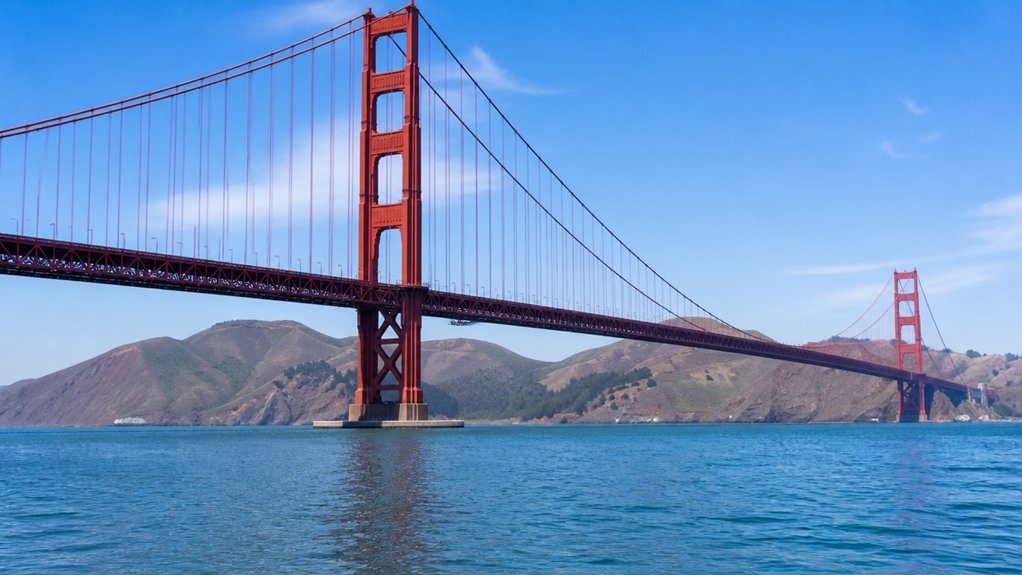
San Francisco compresses most of its recognisable landmarks into a few blocks, which guarantees crowds and commercialised tour operations at every stop. The Golden Gate Bridge commands attention in conversation, but a ferry across the bay to Sausalito gives you good views of it for less money and leaves you in Sausalito rather than on a viewing platform.
The Ferry Building Marketplace functions as actual San Francisco rather than a constructed version of it. The Embarcadero‘s working waterfront shows how the city operates around its bay, and food vendors here charge normal prices because they feed port workers and office staff rather than relying solely on visitor spending.
Cable cars deserve one ride despite the queues, though lines start earlier than you’d expect. Catch one from Powell Street before mid-morning if you want to avoid substantial waits. Coit Tower on Telegraph Hill provides views worth the climb, and its Depression-era murals show documented history without sanitisation.
The Ferry Building area benefits from slow exploration far more than rushing between postcard locations. Independent walking tours of the neighbourhood cost considerably less than ship-organised options and allow you to move at your own pace and finish on your own schedule rather than according to a bus timetable. Book one before your port day if you want substantive information about architecture or social history, as cruise passenger slots fill quickly.
Beyond the Centre: Day Trips and Alternatives
Most cruise passengers stay at the Embarcadero, leaving the neighbourhoods beyond it to function as ordinary parts of San Francisco rather than stages for tourists. The Mission District, the Castro, and the Haight each have their own character, though getting to them means either climbing hills or using the bus system without hesitation.
The Mission works best for a half-day trip on foot. Independent walking tours focused on street art, architectural history, and how the neighbourhood has changed over time cost less than what cruise lines charge and actually stick to their schedules instead of rushing through talking points. During cruise season these tours fill weeks in advance, so booking online before your port day is practical rather than optional.
The Embarcadero’s working waterfront stretches further than most realise. Head south past where the tourist crowds cluster and you’ll find quieter stretches of waterfront, fishing boats moored along the piers and cafés with prices that reflect actual neighbourhood economics rather than postcard appeal. Guided tours at cruise ports help visitors navigate beyond the main tourist areas and discover authentic local experiences throughout the city.
The Haight demands effort to reach and move around, which is exactly why it pays to go. Yes, parts have been commercialised, but the neighbourhood still functions on its own logic rather than visitor convenience. Tour guides who actually live there understand the history in ways that matter, changing both what you learn and how the streets make sense.
Book before you arrive. The better tours fill quickly, independent options cost less than package deals, and you’ll use your port day actually learning something instead of waiting behind other passengers doing the same thing.
Shore Excursion or Going It Alone
Ship excursion desks mark up guided tours significantly because they take commission, they’ve already marketed to you, and they’re betting you’ll pay extra for convenience rather than doing the work yourself. Going alone means you make actual choices about what you see and when you stop, rather than following a schedule designed to move groups efficiently. You might book a walking tour of the Mission beforehand at reasonable rates, ride cable cars without narration, or spend time on stretches of the Embarcadero that aren’t on any official itinerary.
The practical cost of independence is planning ahead. Popular independent walking tours fill up quickly during cruise season, so you need to book online before arriving—it’s either that or watching availability disappear while you’re still considering your options. The payoff is cheaper rates and the ability to spend your money on food or other things that actually interest you rather than padding a tour company’s margin.
If you want someone to show you around, look for guides who actually live in the neighbourhood instead of guides hired to shepherd groups through checkpoints. Local guides know the context of what you’re seeing and can explain why particular streets or buildings matter to the city itself. Consider using a local eSIM data plan to stay connected while exploring independently and researching neighborhood recommendations on the go. This approach costs moderately more than the absolute cheapest options but gives you understanding rather than just a walking slideshow.
Local Knowledge Worth Having Before You Dock
The shuttle buses from the terminal charge substantially more than public transport while leaving you in unhelpful locations, yet most passengers never question this arrangement and simply queue at the desk. Taking the cable car from near the Ferry Building costs a fraction of the shuttle fare and actually gets you somewhere worth being, plus you’ll experience something that belongs to the city rather than the cruise industry. The Ferry Building waterfront itself functions as the city’s actual edge—a working port rather than a tourist processing zone designed for your convenience.
Fisherman’s Wharf deserves avoidance on your first excursion ashore despite its reputation, primarily because you’ll be navigating thousands of other cruise passengers along pavement designed to handle exactly that volume. The seafood restaurants charge well above what they should for what they serve, and the sea lions at Pier 39 appear far less crowded when viewed from other vantage points entirely. Head inland toward the Mission or North Beach instead, where you’ll eat better food at prices that reflect actual costs rather than proximity to the docks.
The cruise desk offers one genuine service worth using: booking Alcatraz tickets before you arrive, since ferries sell out weeks in advance during the busy season. Getting your reservation sorted from your cabin beats showing up at the dock and discovering nothing available. Everything else on offer benefits from your own research done beforehand rather than relying on their recommendations.
Your Port Day: A Sample Itinerary
The Ferry Building opens early and fills with cruise passengers around mid-morning, so arriving first thing gives you access to the independent coffee vendors and breakfast spots before the queues form. The tourist café inside charges more for worse food, so skip it entirely. From here, North Beach is an easy walk inland, away from the designated passenger areas, and costs nothing, unlike the shuttle bus.
North Beach’s narrow streets contain independent bookshops and Italian restaurants run by people who cook for locals rather than tourists. Lunch here costs a fraction of Fisherman’s Wharf prices and tastes better because the portions reflect actual appetite rather than cruise ship expectations. The neighbourhood has genuine character through old delis, vintage bars, and steep hills—the kind of place where you won’t navigate through thousands of other cruise passengers to eat properly.
Your afternoon splits into two directions depending on whether you’ve pre-booked an activity. If you’ve arranged an independent walking tour of the Mission or a guided Alcatraz visit beforehand (both fill quickly through online booking), head back toward the waterfront with enough time to spare. Otherwise, spend the afternoon around the Transamerica Pyramid neighbourhood or take a bus or taxi out to the Golden Gate Bridge viewpoints. Either route should have you back at the terminal an hour before all-aboard, which prevents the scramble that catches out passengers rushing the final stretch of their day ashore.
Book your San Francisco day
Tours for this port, compare before you book
Getting around in port
✈️ Before you sail: eSIM, insurance, luggage, flight delays
Ships In San Francisco
Upcoming calls from our sailings tracker, updated regularly.
Ruby Princess
Princess CruisesTue 13 Oct
⚓ 07:00–15:00
Norwegian Encore
Norwegian Cruise LineThu 15 Oct
⚓ 10:00–18:00
Ruby Princess
Princess CruisesFri 23 Oct
⚓ 07:00–15:00
Emerald Princess
Princess CruisesFri 6 Nov
⚓ 08:00–21:00
Ruby Princess
Princess CruisesSun 8 Nov
⚓ 07:00–15:00
ms Koningsdam
Holland AmericaTue 17 Nov
⚓ 07:00–20:00