Skagen Cruise Port Guide
Skagen’s hidden gems and insider secrets reveal why savvy cruisers bypass the crowds—but where exactly should you go?
In this guide
Try one free personalised day plan — built around your ship’s actual arrival and departure times. Then get every port on your cruise done the same way from £7.99 (about $10).
Cruise Port Overview: What to Expect
Skagen’s cruise terminal sits near Denmark’s northern tip, a short trip from where two seas meet, though the reality is far less theatrical than the geography suggests. You’re docking in a small, well-ordered Danish town where the only significant crowds are other passengers from your ship, and the terminal itself is small enough that you can walk into town within minutes of leaving the gangway. This compactness is actually useful—there’s no confusion about where to go or how to navigate.
The town’s appeal stems directly from its size. You won’t encounter the inflated prices or tourist-trap queues that plague larger ports, and locals genuinely outnumber visitors here. The seafood is genuinely good and costs roughly what it should, and the working harbour still functions as an actual place rather than a stage set. The catch is that Skagen isn’t equipped for volume, so when multiple ships dock simultaneously, popular restaurants and attractions fill up fast and stay that way. Consider booking guided excursions in advance to ensure you don’t miss the experiences that draw cruise passengers to this destination.
Your port day requires more deliberation than you’d face in a sprawling hub because you’re not sorting through dozens of options. The choices are straightforward: walk to Grenen to watch the sea converge, look through the art galleries in the old town, or eat at a restaurant near the fishing boats. The centre is easy to walk around, and you won’t waste mental energy on transport logistics. What you do need to do is book restaurants or independent tours ahead of time—Skagen has become more popular with cruise passengers, and the better experiences disappear quickly during busy periods.
Getting From the Port to Town
Getting from the cruise terminal into Skagen’s town centre is straightforward enough that you don’t need to pay for a coach tour. The terminal opens directly onto the harbour, and the walk follows one main road past the fishing boats until you reach the pedestrianised shopping streets at the centre.
Taxis queue outside the terminal if you have mobility issues or are carrying luggage you’d rather not manage on foot, though arranging a private driver beforehand through an independent operator makes more sense if you need that service. For most passengers, walking is the practical choice—you’ll pass working fishing boats and see where locals actually shop for fish, and you’ll reach the centre without the delay of waiting for a taxi to gather passengers.
Bicycle hire is an option worth considering if you want to reach Grenen or explore beyond the immediate town centre. The ground is flat and the cycle routes are maintained properly, so you can cover considerably more area than walking alone allows. During busy periods when multiple ships are in port, book your bike online in advance or you risk finding nothing available.
The Must-Do Experience: Start Here
Grenen is where the North Sea meets the Skagerrak, and it’s the primary reason most cruise passengers come to Skagen. A visible line of churning water marks where the two bodies of water collide, and the sandbank shifts enough that the exact vantage point changes year to year.
The problem is timing. If you arrive mid-morning when the port is busiest, you’ll be shoulder-to-shoulder with every other cruise passenger queuing for the same coach tour. Go either straight after breakfast while others are still at the desk, or wait until mid-afternoon when most people have already left.
The walk there takes you through an actual working landscape, not a tourist park. You’ll pass the old lighthouse and understand immediately why this northern tip has been dangerous for shipping throughout history. Locals can tell you which parts of the sand have shifted since their previous visits, which gives you a sense of how unstable the ground actually is.
If you’re cycling, you can reach Grenen and return with time to explore the quieter northern beaches without rushing. Walking requires you to budget more carefully and decide whether you’d rather spend your hours here or in the old town centre instead. Private tour operators run smaller groups with flexible schedules, which works better than standard ship excursions because you’re not locked into fixed departure times tied to your ship’s schedule, and the guides actually know the maritime history of the place.
History Culture and the Top Sights
Skagen exists because of its position on shipping routes and the dangerous waters that made the town prosperous and precarious in equal measure. The older streets of the town centre preserve centuries of maritime commerce in its narrow streets, which feel authentically worn rather than cleaned up for visitors. Skagens Museum, home to the work of the Skagen Painters, is worth an hour if you have time, while the tower of the sand-buried Sankt Laurentii Church stands just outside town.
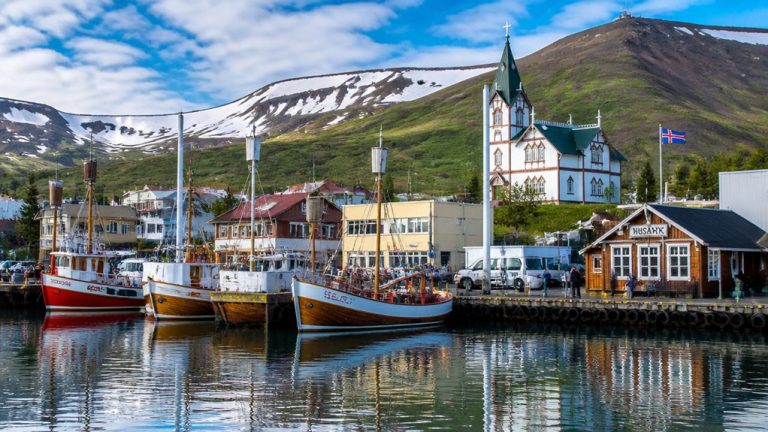
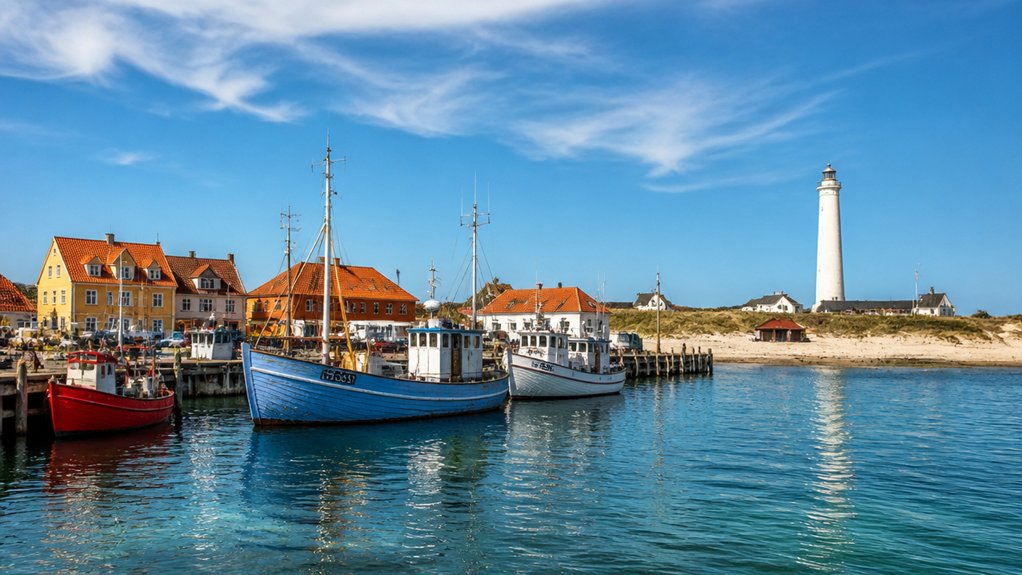
The actual value lies in walking through the neighbourhood and paying attention to what’s there: timber houses in faded yellows and blues, fishing boats still operating from the harbour, a functioning town rather than a constructed version of one. Head to the waterfront where fishmongers and residents actually shop, rather than the restaurant quarter where ordinary meals cost more than they should. The contrast between these two areas shows you where money flows and where actual life happens.
If you want the maritime history beyond what you’ll piece together yourself, local tour operators run walking tours led by people who know the shipwreck stories and lighthouse histories firsthand. These tours fill quickly during cruise season, so booking online beforehand is faster and often cheaper than booking through your ship. A guide who can respond to your specific questions beats following a set route with a group.
Beyond the Centre: Day Trips and Alternatives
Most cruise passengers stay within Skagen’s centre, leaving the quieter neighbourhoods and coastline genuinely undisturbed. Råbjerg Mile, a massive sand dune that has drifted inland for centuries, reshapes the landscape as it moves—it’s the sort of thing most visitors skip, but it does offer actual separation from the harbour crowds. Getting there means arranging your own transport, which is where you’ll notice the real difference between independent travel and organised excursions.
Local taxis and bicycle rental give you control over your schedule in ways ship tours cannot. You leave when you decide, arrive on your own timeline, and skip the dead hours wasted waiting for groups to reassemble. A walk across the dune with someone who knows the geology beats following a guided group through standard photo stops.
The beaches spreading east and west of town deliver genuine quiet if you prefer staying on the coast. The water stays cold year-round, but the sand and light work well when you’re tired of crowded Mediterranean ports. Walking these stretches costs nothing and only demands reasonable shoes.
The fishing villages nearby still operate around actual fishing rather than tourism. These places have working harbours, restaurants where fishermen eat rather than visitors, and a rhythm that feels Danish rather than performed for outsiders. Book a local guide online before your ship docks—the reliable ones book out during cruise season, and booking early guarantees you’ll see something beyond what most passengers experience.
Shore Excursion or Going It Alone
The ship excursion desk quotes prices that seem fair until you check what independent booking costs—and that’s before you factor in fixed departure times and group pacing. You’re paying for convenience, not value, and in a port like Skagen where getting around alone is straightforward, that convenience carries a steep markup.
Your decision hinges on two things: how comfortable you are navigating transport yourself, and whether you want to reclaim control of your time. The ship excursion eliminates the logistics—you board, follow instructions, return when scheduled—but you sacrifice flexibility and money. A local guide booked online before arrival costs significantly less and lets you set your own agenda.
Good guides book up quickly when cruise ships are in port, so arranging one in advance isn’t optional if you want reliable service. Day trips to Råbjerg Mile or the fishing villages work better with independent planning because you walk at your own speed, stay longer where you choose, and eat at places locals use rather than venues that mark up prices for touring groups. Consider purchasing a local eSIM data plan before arrival to stay connected while navigating independently without incurring roaming charges. Bicycle rental opens up quieter roads and coastline without waiting for taxi availability or group schedules.
Ship excursions suit you if time is tight or you value structure over choice—that simplification has real worth. But if you have a few hours and basic navigation skills, booking a local guide online before departure gives you substantially more freedom than an organised tour, and it’s absolutely worth arranging.
Things Worth Knowing Before You Step Off in Skagen
Skagen’s harbour fills with cruise ships on busy days, which means the town centre gets noticeably crowded between mid-morning and early afternoon, but this actually works in your favour if you plan accordingly. The locals know this rhythm well, and so should you—arrive early or late, and you’ll experience a fundamentally different place. Most visitors follow the same worn path to Grenen and the two-seas meeting point, which means the quieter experiences go largely unnoticed.
Cycling through pine forests toward Råbjerg Mile or walking along the northern beaches where fishermen still work offers genuine alternatives to the standard route. Skip the waterfront restaurants near the cruise terminal if you’re budget-conscious; they’re priced for people with nowhere else to go. Walk inland to neighbourhood cafés where you’ll eat better food for considerably less money.
The tourist information office near the harbour gives reliable advice about cycling routes and local conditions, and staff there have no incentive to sell you anything. If you’re considering a guided experience, booking an independent local guide online before departure saves you money and eliminates pressure to purchase a package you don’t need. Popular guides fill their slots well in advance when cruise schedules are published, so early planning genuinely matters here.
Weather in Skagen changes quickly and dramatically, so check conditions before committing to beach time or outdoor cycling. Bring layers regardless of the forecast; the wind off the North Sea makes everything feel colder than it actually is. This isn’t optional if you plan to spend significant time outside.
Your Port Day: A Sample Itinerary
Most people waste their first hour in Skagen queuing at the same viewpoint, which means you can reclaim genuine solitude if you’re deliberately contrarian about timing.
Start early by cycling directly to Råbjerg Mile instead of heading toward the crowds at Grenen. The dunes shift visibly year on year, and you’ll have the place largely to yourself before mid-morning when the organised tours arrive en masse. Rent a bike near the harbour—this is genuinely the best way to move around, and considerably cheaper than taxis for multiple stops.
By midday, when the waterfront becomes shoulder-to-shoulder with cruise passengers, slip inland to one of the neighbourhood cafés away from the harbour strip. You’ll eat actual Danish food at a fraction of what the terminal restaurants charge, and you won’t resent the bill afterwards. The local information office can point you toward places where people who live here actually eat.
Spend your afternoon on the northern beaches where working fishermen still operate their traditional methods. This requires walking away from the obvious paths, but you’ll find scenery and space that the standard itinerary completely misses. If weather holds and you’ve timed things right, you’ll watch the light change across the North Sea without queuing for it.
Return to the harbour with time to spare rather than sprinting back at the last moment. Skagen rewards patience and early planning far more than it rewards rushing, and your day will feel measurably different for it.
Book your Skagen day
Tours for this port, compare before you book
Getting around in port
✈️ Before you sail: eSIM, insurance, luggage, flight delays
Ships In Skagen
Upcoming calls from our sailings tracker, updated regularly.
Ambience
Ambassador Cruise LineTue 13 Oct
⚓ 08:00–16:00
Sky Princess
Princess CruisesFri 30 Oct
⚓ 08:00–18:00
Sky Princess
Princess CruisesMon 26 Apr
⚓ 09:00–18:00
Caribbean Princess
Princess CruisesMon 17 May
⚓ 08:00–16:00
Sky Princess
Princess CruisesThu 20 May
⚓ 07:00–16:00
Regal Princess
Princess CruisesFri 21 May
⚓ 08:00–17:00