La Paz Cruise Port Guide
Secrets to navigating La Paz like a local without the tourist markups—but first, understand why altitude matters more than you think.
In this guide
Try one free personalised day plan — built around your ship’s actual arrival and departure times. Then get every port on your cruise done the same way from £7.99 (about $10).
Cruise Port Overview: What to Expect
La Paz is the capital of Baja California Sur, on the Sea of Cortez side of Mexico’s Baja peninsula. It is a real working city of around a quarter of a million people, not a resort built for cruise passengers, and that is the whole appeal. There is no wall of duty-free shops at the gate and no one herding you onto a bus.
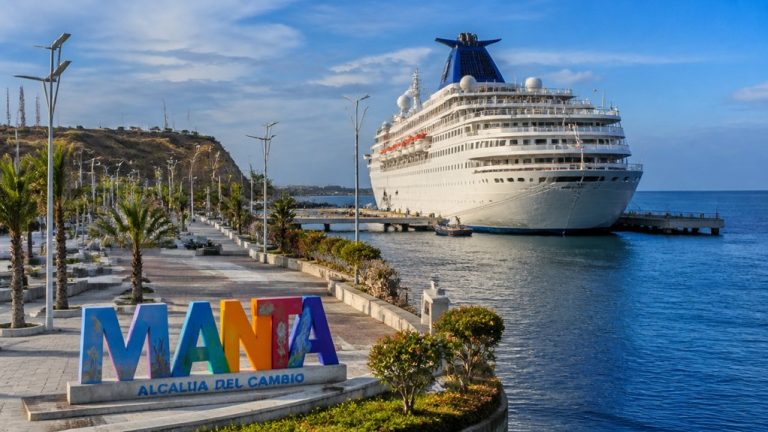
The one thing to be clear about before you step off: ships do not dock in La Paz itself. They berth at Pichilingue, the deepwater terminal about eleven miles north of the city. You come alongside rather than tendering, but the city is a drive away, not a stroll.
Pichilingue is a working cargo and ferry port with a marina, a fuel dock and a handful of shops and places to eat. It is functional rather than charming. The scenery around it is the draw — pale rock, cactus and very blue water — but the reason to be here is what lies beyond the gate.
Most calls arrive around eight in the morning and give roughly nine hours ashore, which is enough for the city and one other thing, or for a single trip out to the islands. It is not enough for both.
Getting From the Port Into La Paz
This is the decision that shapes your day, so make it before you disembark.
Shuttle. The terminal runs a shuttle service into downtown La Paz. It is the simplest option and drops you close to the waterfront.
Taxi. Taxis wait at the terminal. Agree the fare before you get in, as they are not metered, and agree a pickup time and place if you want the same driver later.
Hire car. Hertz, Avis, Europcar, Budget and Sixt all have desks at the port. Worth considering only if you intend to drive out to a beach under your own steam and are comfortable driving in Mexico.
What you cannot sensibly do is walk. Eleven miles of highway in Baja heat is not a plan, and there is nothing between the terminal and the city worth stopping for.
The Must-Do Experience: Start Here
If you only do one thing, make it the Malecón. La Paz’s seafront promenade runs for about three miles along the bay, lined with restaurants, bars, ice cream stands and a run of bronze sculptures that locals are genuinely fond of. It is flat, shaded in places, and it is where the city actually goes in the evening.
Start at the central stretch near the marina and walk as far as you fancy. The sunsets here are the reason people move to La Paz, though on a day call you will be back aboard long before that.
The other headline is Playa Balandra, about fifteen miles north of the city and closer to the port than the city is. The bay is shallow, sheltered and an improbable shade of turquoise, and you can wade a long way out. Visitor numbers are capped and there is limited shade, so it rewards going early and taking your own water.
History, Culture and the Top Sights
La Paz has been a pearl town, a mission settlement and a state capital, and it wears all three lightly. The Catedral de Nuestra Señora de La Paz sits on the main square, the Museo Regional de Antropología e Historia covers the peninsula’s indigenous past and its mission era, and the streets behind the Malecón hold the everyday shops and taquerías that make the place feel lived-in rather than staged.
Food is a genuine reason to come ashore. This is fish taco country, and the versions here are better and cheaper than anything you will be sold on the waterfront in a bigger resort town.
Beyond the City: The Islands
The Sea of Cortez is what makes this port different from Mexico’s Pacific resorts, and the island trips are the reason most people book anything at all.
Isla Espíritu Santo is a protected island north of the bay, all red rock and empty coves, with a sea lion colony at Los Islotes at its northern tip. Boat trips out there take most of a day and usually combine snorkelling with a beach stop. If your ship is in port for nine hours, this is a whole-day commitment and leaves no time for the city.
Whale sharks gather in the bay in the cooler months, typically from around October to April. Trips are licensed and numbers controlled, and if your call falls in that window it is the single most memorable thing on offer here.
Neither of these is something to arrange on the quayside at the last minute. If you want them, book ahead.
Shore Excursion or Going It Alone
La Paz is one of the easier Mexican ports to do independently, with one caveat: the eleven miles between the ship and the city mean you are relying on a shuttle or a taxi at both ends, so build in a margin.
Do it yourself if you want the Malecón, lunch, the cathedral and a wander. That is a comfortable, cheap day and needs no booking.
Book something if you want Balandra without the transport faff, or anything on the water. Island and whale shark trips are not realistic to improvise.
Prices here are noticeably kinder than at Cabo San Lucas a couple of hours south, which is worth knowing if you are comparing ports on the same itinerary.
Small Things That Make a Difference in La Paz
Check which pier you are on. Ships use Pichilingue, and occasionally other berths in the area. It is announced on the morning of arrival and it changes how long the transfer takes.
Take cash in pesos. Small places, taxis and beach vendors much prefer it, and you will get a worse rate paying in dollars.
Balandra has almost no shade. Take water, a hat and a towel from the ship, and go early if you can.
The terminal has no free wifi. Cafés in the city do. Plan on being offline between the two.
Agree taxi fares first. Every time, both directions.
Do not confuse it with the other La Paz. This is La Paz in Mexico, at sea level on the Sea of Cortez. The Bolivian city of the same name is landlocked, 3,600 metres up, and no cruise ship has ever called there.
Your Port Day: A Sample Itinerary
A workable shape for a nine-hour call:
On arrival: off the ship, straight onto the shuttle or into a taxi. The sooner you are moving, the more of the day you keep.
Morning: the Malecón while it is still cool, then the cathedral and the streets behind it.
Lunch: fish tacos somewhere a street back from the seafront. Cheaper, and usually better.
Afternoon: either a taxi out to Balandra for a swim, or an hour in the regional museum if the heat has beaten you.
Last two hours: back to Pichilingue with time to spare. The road is straightforward but you do not want to be relying on finding a taxi at the last minute.
If you have booked an island or whale shark trip instead, that is your day — do not try to bolt the city onto it.
Book your La Paz day
Tours for this port, compare before you book
Getting around in port
✈️ Before you sail: eSIM, insurance, luggage, flight delays
Ships In La Paz
Upcoming calls from our sailings tracker, updated regularly.
Carnival Radiance
CarnivalThu 8 Oct
⚓ 09:30–18:00
ms Zaandam
Holland AmericaSun 11 Oct
⚓ 08:00–17:00
Carnival Panorama
CarnivalThu 15 Oct
⚓ 09:00–18:00
Serenade Of The Seas
Royal CaribbeanThu 22 Oct
⚓ 08:00–18:00
ms Koningsdam
Holland AmericaTue 27 Oct
⚓ 10:00–18:00
Serenade Of The Seas
Royal CaribbeanWed 28 Oct
⚓ 08:00–18:00