Kanmon Straits Cruise Port Guide
Plan your Shimonoseki adventure beyond the tourist traps—discover why most cruise passengers miss the real experience.
In this guide
Try one free personalised day plan — built around your ship’s actual arrival and departure times. Then get every port on your cruise done the same way from £7.99 (about $10).
Cruise Port Overview: What to Expect
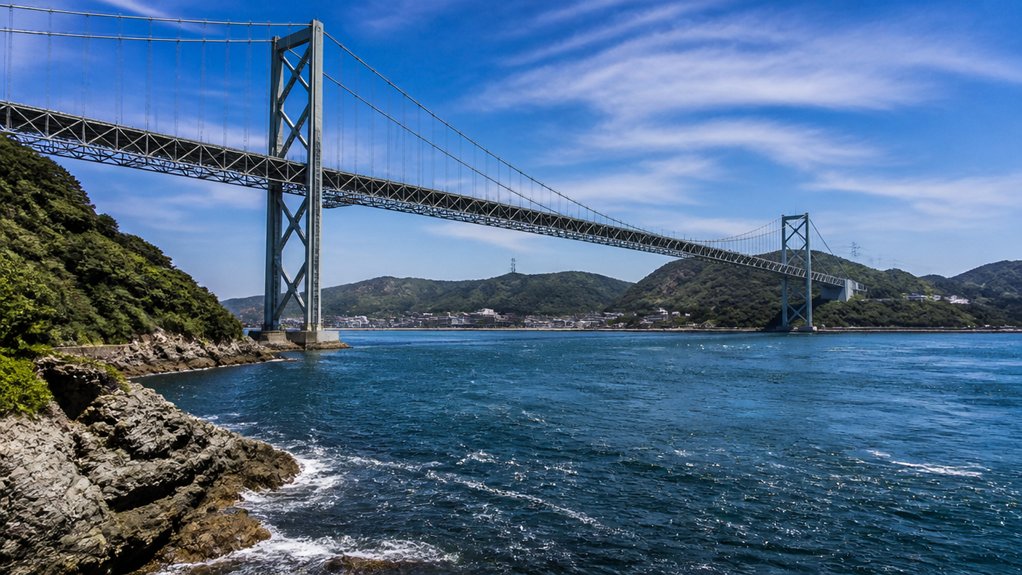
Shimonoseki port operates as a functioning Japanese city rather than a sanitised cruise destination, which means you get authentic street life instead of performance for tourists. Your ship docks at the Arcaport berth, with the Karato Market, aquarium and Kanmon Straits within walking distance. Crowds stay reasonable even when multiple ships are in port, so the Kanmon Straits View—the narrow passage between Honshu and Kyushu—remains approachable rather than claustrophobic.
Food pricing jumps noticeably at the waterfront, following the predictable pattern of any port area. Moving two or three streets inland brings both lower costs and better quality, particularly in the local markets where value is genuine. Most cruise passengers make the mistake of staying dockside for convenience; you’ll need to walk inland for anything worth your time.
Getting From the Port to Town
The walk from your ship into Shimonoseki takes somewhere between fifteen and twenty minutes, depending on how directly you navigate and whether you stop at the port gates. Walking gives you actual control—you’ll move through real neighbourhoods at your own pace rather than following a predetermined route, and you can stop at a convenience store or restaurant if something appeals to you. The port has directional signage toward the city, though it assumes familiarity with Japanese spatial logic that you may not have.
Taxis queue near the terminal and will take you anywhere in the city centre for a reasonable fare if you’d rather skip the walk entirely. This option costs more than walking but saves time and eliminates navigation uncertainty, which matters if your port time is limited or your legs need a break after days at sea. Either way, wear shoes that won’t punish you and travel light, as streets narrow considerably beyond the main roads.
For a stress-free arrival, consider booking professional drivers in advance to handle your transfer from port to town. Independent walking tours run by local guides book up during cruise season and offer a genuine alternative to ship-organised excursions. These guides typically cover the waterfront’s industrial past and route you toward restaurants where locals actually eat—you’ll move at a reasonable pace instead of being herded through a predetermined schedule. Booking online in advance costs less than waiting to decide on the dock and guarantees your place when demand is high.
The Must-Do Experience: Start Here
The Kanmon Straits matter because of what they are geographically and historically, not because of how they look from postcards. You’re standing at one of Japan’s most strategically significant waterways, where Honshu and Kyushu nearly touch, and understanding this requires more than viewing from land—it requires being on the water itself.
A ferry crossing takes you directly across the straits to Kitakyushu on the Kyushu side and gives you genuine perspective on why this passage shaped Japanese history and commerce. You’ll see the narrowness firsthand, watch fishing boats navigate the currents, and reach a city where cruise passengers rarely go. Most independent guides in Shimonoseki can arrange this as part of a walking tour that includes the waterfront industrial heritage and lunch at a proper local restaurant, which you should book online in advance since popular slots fill quickly during cruise season. You can book tours and activities through local operators to enhance your experience at this strategic waterway.
If you prefer staying on the Honshu side, the Shimonoseki waterfront promenade runs along the straits and offers adequate views without the ferry fare, though it’s considerably less informative than actually crossing. The real value here comes from recognising you’re at a genuine geographical and historical chokepoint, and the best vantage point requires getting yourself onto a boat or walking the actual waterfront where locals move through their day rather than where cruise tours direct you past souvenir shops.
History Culture and the Top Sights
The Shimonoseki side of the straits carries more historical weight than cruise guides typically acknowledge, which means the worthwhile sites sprawl across the area rather than clustering conveniently together. You’ll need to construct a coherent historical picture by connecting different locations rather than following a predetermined route, and this approach actually yields something more substantial than a standard itinerary.
The Shimonoseki City History Museum sits in the old castle town of Chofu, a bus ride east of the port, and documents the late Edo period when this area held strategic importance, alongside the city’s earlier history. Cruise passengers rarely venture here, so you can read through exhibits at your own pace without navigating around tour groups. The museum provides the context necessary to understand why the straits mattered militarily and economically, which adds depth to anything you observed during the ferry crossing.
Akama Shrine dates from the samurai era and sits on the waterfront facing the straits, an easy walk along the shore from the port. The shrine’s historical significance stems from its connection to the Battle of Dan-no-Ura, a major naval confrontation, and the view from its gate looks straight across the waters where that battle was fought. Standing there gives you a clearer sense of the geography that shaped the region’s military history.
Eating away from the waterfront tourist restaurants means heading into neighbourhood streets where local workers take their meals. Ramen and set meals here cost considerably less than terminal-area establishments and taste like actual cooking rather than standardised output. Reserve a table online beforehand at any promising restaurant you’ve identified, since popular spots reach capacity quickly during cruise season and you shouldn’t waste shore time searching for available seating.
Beyond the Centre: Day Trips and Alternatives
The region beyond central Shimonoseki requires deliberate planning because transport connections work well enough that poor timing simply eats into your hours ashore. Public schedules run regularly, but gaps between services can strand you or force you back early.
Akama Shrine warrants a substantial chunk of your morning if you tackle it strategically. Go early before heat becomes uncomfortable, then use its position on the shore to understand how the straits functioned militarily and commercially—the geography makes far more sense standing at the water than from any written account. The only climb is the steps to the gate, so bring water and reasonable footwear for the walk.
The Shimonoseki City History Museum makes a good next stop if you have time. It sits in Chofu, a bus ride east rather than on the port waterfront, and its late Edo period exhibits connect directly to the straits you’ve just seen from Akama Shrine‘s vantage point. You’ll move through more efficiently than typical visitors because you already grasp why this location mattered strategically.
Your afternoon branches into two realistic directions. Ramen restaurants clustered near the museum offer genuine local food at proper prices, though you’ll need to book before leaving the museum itself because popular places fill rapidly during cruise season. Alternatively, local tour operators running trips into Yamaguchi prefecture’s countryside sometimes include pottery villages or smaller shrines, and these fill quickly with cruise passengers working against fixed return times, so you need to research and book online before your port day rather than assuming availability when you arrive.
Shore Excursion or Going It Alone
Ship excursions to Yamaguchi prefecture or Akama Shrine charge substantially more than arranging the same activities yourself, and you’ll waste considerable time waiting for other passengers to return to the coaches. Going independently gives you control—you can stay at Akama Shrine’s outlook as long as daylight allows, bypass the museum shop, and eat at places where locals actually go rather than follow a tour group to a predetermined restaurant.
Independent travel here requires genuine preparation because transport connections have gaps and your ship won’t delay departure. If countryside pottery villages appeal to you, arrange a private guide or small-group tour through a website before you sail—reliable operators fill their spots weeks ahead with cruise passengers, and turning up on port day hoping for space won’t succeed. A local guide charges far less than the cruise line’s equivalent offering and knows places you’d overlook on your own.
Basic city exploration doesn’t require a guide at all. The museum and shrine connect via public transport, and the waterfront path between them follows a sensible route you can manage alone. Download offline maps before leaving your ship because mobile coverage is unreliable in parts, and keep cash handy since smaller shops and vending machines often reject cards.
The practical choice comes down to this: if you read English comfortably, feel confident using public transport, and’re happy eating where Japanese people eat, the ship excursion wastes your money and time. If you’d rather have someone else sorting logistics and handling language barriers, book an independent operator now rather than risk disappointment on arrival.
What the Cruise Desk Leaves Out About Kanmon Straits
The port functions efficiently despite its modest size, but you can do substantially more than the standard four-hour window implies if you abandon the prescribed itinerary. Most cruise passengers follow an identical path through the main attractions, creating bottlenecks between mid-morning and early afternoon—timing your visit before 9am or after 2pm gives you actual space to move and think. This simple shift in scheduling transforms both the museums and shrines from crowded checklist items into places where you can actually observe what’s there.
The tourist quarter near the port entrance exists precisely because that’s where coaches unload everyone, but ten minutes inland the streets contain ordinary Japanese neighbourhoods where restaurant staff look genuinely surprised to see foreign visitors. The economics here matter significantly: meals cost substantially less away from the terminal, and the actual food quality jumps noticeably. This difference compounds if you’re eating multiple times during your port day.
Convenience stores throughout town stock fresh bento boxes and rice balls that outmatch what tourist restaurants offer, cost a fraction as much, and let you eat overlooking water or in a quiet temple garden rather than at a forced group table. Download an offline map showing these store locations before you dock, which takes minutes and solves your lunch logistics entirely. Consider purchasing a local eSIM data plan before your cruise to maintain connectivity for downloading maps and accessing real-time information throughout your port visit. This approach leaves real money in your pocket while producing genuinely better meals.
Verify your ship’s exact departure time the night before you dock. Port delays rarely occur here, but leaving your vessel early creates serious financial consequences if you’re forty minutes away in a pottery village when it actually sails.
Your Port Day: A Sample Itinerary
Early arrivals at Akama Shrine encounter quieter grounds where you can actually see the building’s details without standing in a queue behind other cruise passengers. The waterfront position means you get the view across the straits with barely any climb. Get there before mid-morning when the shrine still functions as a place of worship rather than a photo checkpoint.
The Kanmon Museum makes logical sense as your second stop while daylight still reaches the galleries properly. Local history exhibits explain what the strait actually is and why it matters, information that becomes useful when you’re looking at the water from the ship. The entry cost covers context rather than decoration, which distinguishes it from most terminal shops.
By late morning, walk back toward the port area but skip the obvious tourist restaurants clustered near the terminal. The parallel streets running alongside the main strip contain lunch places serving local food at rates that don’t assume you’re desperate or wealthy. Eating properly now matters if you plan to walk further inland later.
Afternoon choices depend on your tiredness level. Toyokuni Shrine sits within a genuine working temple space rather than a performance venue, though reaching it requires another walk uphill. Pottery workshops offer another alternative—book these directly online before docking rather than through your ship’s excursion desk, since you’ll pay less and get better time slots if you don’t compete with hundreds of cruise passengers trying to book simultaneously.
Book your Kanmon Straits day
Tours for this port, compare before you book
Getting around in port