Suva Cruise Port Guide
Fiji’s capital port offers authentic colonial history, hidden local markets, and rainforest escapes—but most cruise passengers miss them entirely.
In this guide
Try one free personalised day plan — built around your ship’s actual arrival and departure times. Then get every port on your cruise done the same way from £7.99 (about $10).
Cruise Port Overview: What To Expect
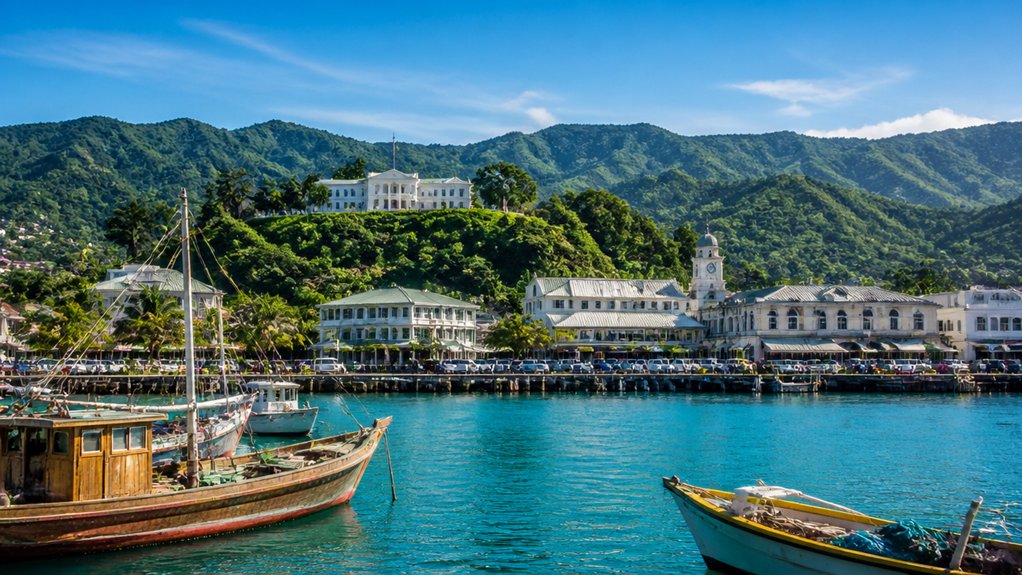
Suva’s cruise terminal sits directly in the city centre, which means the port feels less like a tourist facility and more like an actual working harbour where container ships compete for space with cruise vessels. The terminal itself is purely functional—there’s no attempt at theming or aesthetic polish, which actually works in your favour because it forces you to engage with the real city rather than a sanitised version of it. Everything worth your time is within walking distance, though the walk matters less than your willingness to step away from the obvious routes.
The waterfront and city centre are genuinely close to each other, so geography isn’t your constraint here. Colonial buildings, local markets, and neighbourhood restaurants are all accessible without needing transport or elaborate planning. The main challenge is climate and timing: the heat and humidity are substantial, and arriving mid-morning puts you directly in the path of every organised tour group the cruise ships have dispatched.
Independent operators charge considerably less than ship excursions and have actual local knowledge rather than a script. Book activities beforehand online because popular cultural and nature tours fill during peak season, which means you’re not trapped following a ship-organised itinerary designed primarily to get everyone back within a set timeframe. The effort of moving beyond the terminal converts directly into a better understanding of what Suva actually is.
Getting From the Port To Town
Most people don’t leave the terminal because the ship’s tours depart from the dock itself, and it’s easier to stay put than to venture out on your own. This is a mistake—the city centre is genuinely walkable and will cost you considerably less to explore than any packaged excursion. The walk into Suva proper is short and straightforward, so you can move at your own pace.
A taxi gets you from the terminal to the city centre efficiently and the drivers know their way around well enough, most speaking adequate English to understand where you’re headed. Settling on a fare before you leave prevents arguments later. Walking the first stretch, though, makes more sense—you’ll see colonial buildings, local shops, and start to understand how the city actually operates rather than how it’s packaged for ships.
The waterfront strip catering to cruise passengers charges significantly more than inland areas and feels artificial as a result. Head away from the obvious tourist routes into the residential streets where locals spend their money, and the food improves while prices drop noticeably. These neighbourhoods are safe during daylight and reveal Suva as a working city rather than a port designed for your convenience.
The Must-Do Experience: Start Here
Suva’s actual appeal lies beyond the city itself—a short trip to one of Fiji’s outer islands will show you what you came for, though you need to arrange this before your ship docks if you want a reliable spot. Most cruise passengers spend a few hours in the capital and call it done, but that misses the point entirely. The islands have clear water and proper beaches without the terminal crowds pressing around you.
Local operators run day trips to places like Leleuvia or small reef sites, leaving early so you get genuine time in the water before returning. The better independent operators move people efficiently and actually know where to find fish rather than just anchoring anywhere. Booking directly with a reputable operator online beforehand costs less than the ship’s excursion and guarantees your place when spots fill up during cruise season. You can book tours and activities through established platforms to compare operators and read verified reviews before committing.
If island trips don’t appeal, spend your morning in the city centre instead. The Fiji Museum holds the country’s actual archaeological collection and colonial records without the rushed feel of tourist-focused spots, and it stays quiet compared to the docks area. The market near the centre is where locals buy food rather than where cruise passengers are funnelled, and the food stalls provide proper lunch at realistic prices.
An afternoon walk through the residential streets shows you how people actually live in Suva rather than the sanitised version marketed to visitors. This approach nets you more genuine experience than most cruise passengers manage in a full day ashore, and costs considerably less than following the standard port day script.
History Culture and the Top Sights
Suva’s colonial architecture documents Fiji’s history more directly than curated displays—the Victorian buildings along the streets mark where Britain governed the islands, and they’ve survived because locals preserved them rather than because tourists needed them maintained. The Government House and old parliamentary buildings carry actual historical weight even from the street, and you won’t pay anything to walk past them.
The Fiji Museum justifies spending time there if you want to understand the country as something other than resort marketing. The collection moves through pre-colonial Fijian society, European arrival, and the actual mechanics of colonial rule without softening what happened. You’ll see traditional weapons, jewellery, and explanations of how the islands functioned before tourism, and the museum’s pace lets you absorb detail without being herded through galleries.
Albert Park sits near the museum and gives you a functional view over the harbour when you need to stop walking. Locals use it rather than cruise groups, so you’ll see how the city actually operates on an ordinary day. The streets around it contain old administrative buildings and courthouses that show Suva’s function as Fiji’s political centre, though they matter more for what their facades reveal than for anything inside.
Skip the organised “authentic villages” that cruise operators arrange—these are staged performances, not actual communities. Walking through Suva’s real neighbourhoods on foot shows you actual architecture, actual people, and actual history without the performance layer added on top.
Beyond the Centre: Day Trips and Alternatives
Most cruise passengers stay within the port area, which means anything worth seeing lies beyond the boundaries tour operators establish. Colo-i-Suva Forest Park is accessible for a half-day trip and operates entirely outside cruise-ship infrastructure—you walk through native rainforest, swim in freshwater pools, and observe the landscape as it functions without resort development. Getting there independently costs less than ship excursions and requires minimal time investment.
Local transport works straightforwardly, and marked trails through the park need no special fitness level. You will encounter other travellers, but not the uniformed groups that arrive together from ships. The walk itself reveals the actual forest rather than a curated version of one.
The Rewa River provides water-based scenery without the resort trappings if that appeals more to you. Mangrove ecosystems line the lower river, and villages along the banks operate as they normally do rather than as stages for tourist performance. Independent guides stationed here offer genuine context about what you’re observing rather than scripted commentary.
Both options require advance booking if you want reliable access. Independent operators fill their slots quickly when multiple ships dock simultaneously, so securing your guide before arrival guarantees you’ll spend time actually doing something rather than waiting for availability. Suva functions best as your actual base rather than merely your departure point—treating it that way shifts what you actually encounter.
Shore Excursion or Going It Alone
Ship excursions from Suva charge premium rates for what amounts to a guided group shuffling through predetermined stops that rarely match your interests. The real appeal of booking independently lies beyond just saving money—it’s the ability to stay put if somewhere holds your attention or move on quickly if it doesn’t.
Walking through Suva’s centre on your own works fine if you can navigate by map and don’t mind asking directions. The street layout is logical, locals expect cruise passengers, and you’ll find better food and actual local commerce than any organised tour would route you toward. The trade-off is straightforward: your hours ashore are finite, and losing sixty minutes to transport confusion or finding meeting points genuinely shrinks what you can do.
Independent guides for Colo-i-Suva or the Rewa River offer practical middle ground. They cost significantly less than cruise ship excursions while handling the logistics you’d otherwise spend your morning untangling. These operators fill their slots quickly when multiple ships arrive, which means booking before you dock isn’t a suggestion—it’s the only way to guarantee a workable day instead of scrambling once you’re ashore.
Your choice comes down to one honest question: how much is your time worth against the money you save? With six hours ashore, two hours lost to bus schedules and rendezvous points leaves you genuinely squeezed. With eight hours or more, the organisational effort starts to pay for itself. Search for independent guide availability online the moment your sailing is confirmed.
The Mistakes Cruise Passengers Make in Suva
The Suva taxi rank near the cruise terminal works on first-come, first-served and drivers don’t always switch the meter on, so agreeing a fare before you get in is essential rather than optional. Drivers know cruise passengers are pressed for time and will quote prices accordingly, which is why settling on a number upfront protects you from both overcharging and awkward haggling once you’ve arrived. This approach keeps the transaction straightforward and removes the power imbalance that builds when a driver knows you’re clock-watching.
The Fiji Museum in Thurston Gardens is a short walk from the wharf and stays open through the day, so there’s no need to rush it first thing. Going early still pays off, as you’ll see the collection before the tour groups arrive. Timing matters less here than the cruise desk suggests.
City centre supermarkets stock bottled water at rates far below what you’ll encounter near Victoria Parade or tourist areas. If you’re planning even modest walking, buying supplies early means you avoid the trap of choosing between thirst and inflated prices. This single decision affects how freely you can explore without constantly worrying about availability or cost.
The ferry terminals at the harbour appear chaotic compared to cruise ship operations, but they function perfectly well—locals use them constantly without issue. You’ll navigate faster by asking staff directly rather than puzzling over signage, and the water taxis to nearby islands genuinely offer better value than ship excursions. The catch is that popular operators fill quickly when cruise ships are in port, so booking online in advance beats hoping for walkup spots.
Your Port Day: A Sample Itinerary
Suva’s layout creates real problems if you arrive without a plan—the Fiji Museum is best seen before the tour groups arrive, Victoria Parade gets swamped by cruise passengers mid-morning, and the better island tours sell out early. You need to move quickly through the terminal and head straight to a supermarket for bottled water and snacks, which takes a chunk of time but costs far less than what you’ll spend near the tourist areas. From there, you choose between two realistic options: walk the city centre and museum while it’s still quiet, or commit to a water taxi excursion that departs earlier in your port window.
If you’re staying in Suva, get to the Fiji Museum in Thurston Gardens soon after it opens rather than hoping for a quiet visit later. The collection includes Pacific artefacts, historical photography, and traditional canoes, and the building itself is worth your time. Grab lunch at a local neighbourhood restaurant away from Victoria Parade where you’ll actually pay reasonable rates, then walk the harbour precincts and browse the market.
Book an independent island tour online before you arrive if water-based activities interest you—operators fill quickly once cruise ships dock, and you’ll get better value than what the cruise line offers. A guided tour to nearby islands gives you swimming, snorkelling, and genuine contact with local communities rather than a processed beach stop. Build in a proper buffer before heading back to the terminal because Suva’s traffic is genuinely unpredictable, and arriving rushed defeats the whole point of having a port day.
Book your Suva day
Tours for this port, compare before you book
Getting around in port
✈️ Before you sail: eSIM, insurance, luggage, flight delays
Ships In Suva
Upcoming calls from our sailings tracker, updated regularly.
Celebrity Solstice
Celebrity CruisesTue 13 Oct
⚓ 07:00–20:00
Norwegian Spirit
Norwegian Cruise LineWed 14 Oct
⚓ 07:00–17:00
Grand Princess
Princess CruisesSun 25 Oct
⚓ 08:00–23:59
Crown Princess
Princess CruisesFri 13 Nov
⚓ 10:00–23:59
Costa Serena
Costa CruisesThu 19 Nov
⚓ 10:00–20:00
Norwegian Spirit
Norwegian Cruise LineSat 28 Nov
⚓ 07:00–19:00