Tianjin Cruise Port Guide
Discover insider secrets to maximizing your Tianjin cruise port visit—but what most travelers don’t know could save you hundreds.
In this guide
Try one free personalised day plan — built around your ship’s actual arrival and departure times. Then get every port on your cruise done the same way from £7.99 (about $10).
Cruise Port Overview: What To Expect
Tianjin’s cruise terminal sits at Dongjiang in the Binhai port area, an industrial zone a long way from the city centre, so plan on a lengthy transfer to reach anywhere worth visiting. The terminal handles large ships competently enough, though the building itself is purely functional—polished marble and clear signage but nothing particularly interesting to look at. Staff manage basic English and will point you toward taxis, which queue in an orderly system outside.
Convenience shops and currency exchange operate inside the terminal at the inflated rates you’d expect anywhere. The question you should actually ask is whether to head straight into Tianjin or spend a few hours at the Tianjin Binhai Library, which sits between the port and the city centre and genuinely interests people who care about architecture and contemporary design. If you’re not bothered by modernist buildings and open space, skip it.
Most cruise passengers bolt for either the Italian Quarter or Five Great Avenues without thinking through what they’ll actually do there, which usually means arriving, walking around feeling rushed, and leaving again. Getting into the city independently costs noticeably less than what the ship charges for excursions and gives you the freedom to move at whatever pace works for you. Consider booking professional drivers in advance to ensure reliable transportation, as cruise passengers book up local operators quickly and last-minute bookings cost considerably more than booking ahead.
Getting From the Port To Town
Taxis queue efficiently outside the terminal, so you won’t spend your morning stuck waiting like you might elsewhere. A standard ride into central Tianjin costs far less than what the cruise line charges, though you’ll need your destination written in Chinese characters—photograph your hotel or museum name on your phone before leaving the ship. Drivers know the main tourist areas and won’t take unnecessary routes to inflate the fare.
Ride-sharing apps work just as well if you prefer them, and they let you track your journey in real time on your phone. The cost falls between a regular taxi and a ship excursion, so you’re still paying less than the cruise line would charge. If you want a private guide, book one in advance because popular guides fill up once cruise passengers arrive, and last-minute bookings cost considerably more.
Walking into the city centre isn’t feasible; the distance means you’d spend most of your day in transit rather than actually seeing anything. Taxis are the practical way to reach either the Italian Quarter or Five Great Avenues without wasting daylight on getting there. Leave the port within fifteen minutes of disembarking and you’ll have a reasonable stretch of time to explore.
The Must-Do Experience: Start Here
Most cruise passengers head straight to the Italian Quarter in Tianjin, which is predictable and means you’ll be navigating crowds from your own ship. The advantage of the port is that you can cover two separate neighbourhoods in one day without hurrying, so ignore the obvious tourist route and go to Five Great Avenues instead.
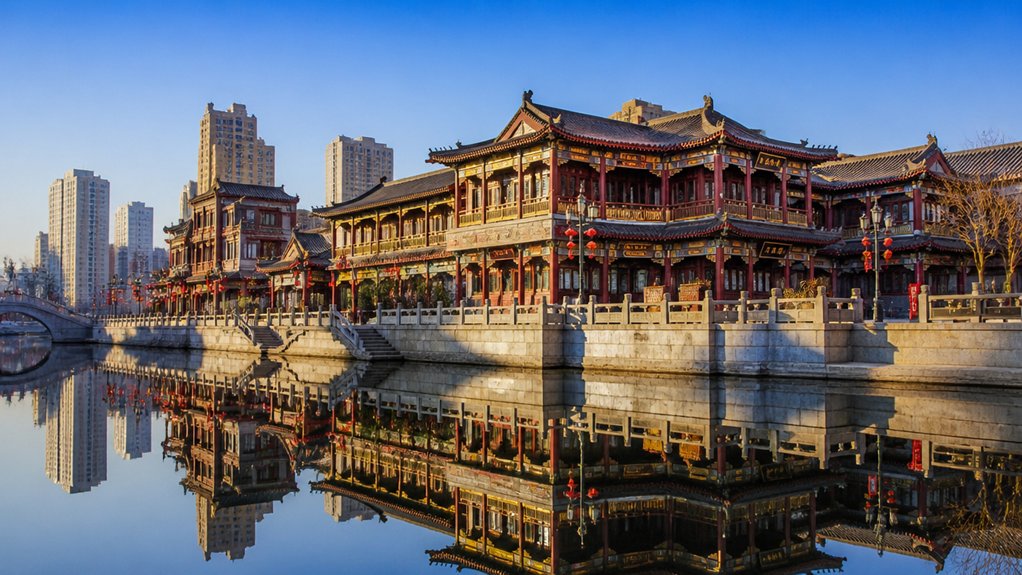
Five Great Avenues operates on a different scale—tree-lined streets, colonial buildings that haven’t been repackaged for tour groups, and cafés where actual residents eat. You’ll see the architectural legacies of the former British concession in how the streets are laid out and how the buildings are designed. Walking around here costs nothing, and you’ll find functional restaurants and small galleries without the inflated prices that dominate the Italian Quarter’s main streets.
An independent walking tour arranged before you arrive gives you proper context rather than aimless wandering. Popular guides book up quickly once the ship docks, and you’ll pay less than what the cruise line charges while actually understanding how Tianjin became a treaty port. A good guide will explain architectural details and historical layers you’d miss entirely on your own, which turns a basic walk into something substantive.
Leave the Italian Quarter for midday or early afternoon when you want lunch and can look around the cafés and shops without pressure. The neighbourhood works better as a relaxed experience than as your first stop.
History Culture and the Top Sights
Tianjin’s history is embedded in its architecture, but the problem is straightforward: it isn’t concentrated in one place. Instead, it’s distributed across different neighbourhoods, which means you need to walk around deliberately to understand how the city actually developed. The Astor Hotel, constructed in 1863, still operates as a functioning hotel rather than a museum exhibit, so you can move through its lobbies and dining areas without paying entry fees and see how foreign merchants actually inhabited a treaty port. The Haihe River waterfront has undergone constant modernisation, so don’t approach it expecting historical atmosphere—it’s where local residents exercise and families eat dinner, which reflects how people actually use the space rather than how it’s been packaged for visitors.
Ancient Culture Street market presents itself as a traditional marketplace but primarily stocks standard souvenirs and jade jewellery priced higher than equivalent items elsewhere in the city. The Porcelain House, a colonial-era building redecorated with broken porcelain and antiques, works as a small private museum of pottery traditions, though it’s more curiosity than serious collection. Your time is better spent understanding Tianjin’s shift from fishing settlement to industrial hub than pursuing individual sights and museums.
Five Great Avenues, discussed previously, offers the most practical use of your hours ashore. Walking these streets and observing how different colonial powers laid out their neighbourhoods teaches you substantially more about the city’s actual development than any single building or collection could provide.
Beyond the Centre: Day Trips and Alternatives
Most cruise passengers assume Tianjin’s worthwhile attractions lie within walking distance of the port, which misses the point entirely. The city’s genuine interest lives in its industrial transformation and the surrounding regions that reveal how China actually functions beyond the tourist infrastructure. Your best use of time depends on whether you want to explore independently or join a guided group—but either way, going beyond the centre beats staying near the waterfront.
If you’re travelling with children or prefer structured itineraries, independent walking tours of the Five Great Avenues neighbourhood can be booked in advance online and typically cost considerably less than ship excursions whilst offering more flexibility. These popular tours sell out quickly during cruise season, so booking ahead secures both better rates and avoids the frustration of finding spaces filled when you board. A guide who knows the colonial history and architectural details transforms what might feel like aimless wandering into actual understanding.
For those wanting something entirely different, day trips to the surrounding countryside or to Dagu Fortress show you military installations that haven’t been packaged for visitors. These require advance booking and a willingness to leave the familiar cruise port area, but they show you a Tianjin that most visitors never encounter. The trade-off is straightforward: you spend more time travelling than sightseeing, but you see the real city functioning rather than the polished version presented to cruise passengers.
Shore Excursion or Going It Alone
The ship’s excursion desk quotes prices that seem reasonable until you realise you’re paying a substantial markup for the convenience of boarding a coach with two hundred other passengers. You’ll spend half your time waiting and the other half listening to a script designed to move groups quickly rather than linger where it matters. The logistics are handled for you, which matters if you’re anxious about language barriers or navigating unfamiliar transport systems.
Going it alone works best if you’re comfortable with basic wayfinding and don’t mind the occasional wrong turn. You’ll save money, move at your own pace, and actually have time to sit in a café instead of rushing through another photo stop. The Five Great Avenues neighbourhood is straightforward enough to explore without a guide, though hiring an independent local guide through online booking platforms costs considerably less than the ship’s equivalent and gives you genuine conversation instead of rehearsed commentary.
Ship excursions also insure against missing your ship, which independent travellers must manage themselves. Chinese bureaucracy around port security means getting back takes longer than you’d expect, so build in far more buffer time than you think necessary. For something genuinely worthwhile without the crowds, book an independent walking tour of the colonial architecture in advance online, as popular tours sell out weeks ahead during cruise season.
What the Cruise Desk Leaves Out About Tianjin
Security screening at Tianjin moves at a pace that will test your patience, so you need far more buffer time returning to the ship than you’d expect anywhere else. Most passengers underestimate this by half an hour or more, which is why you find yourself running back to the gangway in a sweat. Add a full extra hour beyond what seems reasonable.
The tourist information desk inside the terminal is genuinely useful and won’t push you towards overpriced excursions like the ship’s staff will. They’ll point you in the right direction and discuss transport without inflating costs, so speak to them before you head out. You’ll get straight answers instead of sales pitches.
Tipping culture operates differently here than elsewhere in Asia. Service staff don’t expect it, and offering money can actually make people uncomfortable rather than pleased, so ignore what cruise ship culture tells you to do. Politeness and a sincere thank you accomplish far more than spare cash.
Restaurant prices jump dramatically once you get near anything labelled a tourist attraction or heritage building. The closer you wander towards the Five Great Avenues zone, the more you’ll pay for identical food you’d find for less just a few streets away. Eat in places where local people actually eat.
International mobile roaming will cost you a fortune if you’re not careful. Buy a local eSIM data plan at the port before leaving—it’s a small outlay and protects you from staggering roaming bills. You also gain offline map access, which matters considerably when signage isn’t in English.
Your Port Day: A Sample Itinerary
Most people lose their first hour ashore figuring out where to go, which puts you behind schedule before you’ve cleared the terminal. The tourist information desk is your first stop—grab a map, ask about transport to the city centre, and find out when the last security screening runs. This takes ten minutes and prevents an hour of aimless walking.
Head to the Five Great Avenues neighbourhood early when you’re alert and the light works for photographs. The colonial buildings are worth seeing on foot, and the streets feel less chaotic than the port area. Book an independent walking tour online before you sail instead of taking the ship’s tour—they cost less and fill up quickly for cruise passengers. Consider booking guided tours and shore excursions in advance to secure your preferred experiences and times.
By midday you need proper food and somewhere to sit. Walk away from the main avenue into a side street where locals eat lunch at half the tourist-zone prices. The canteen-style restaurants are safe and often serve better food than anything touristy.
The Tianjin Eye observation wheel gives you an actual sense of how the city spreads out and how large it really is. The ride costs less than most port attractions and tells you more about the place than standard offerings. Return to the terminal with at least ninety minutes to spare before departure, since security screening queues are unpredictable and eating into that buffer means stress.
Book your Tianjin day
Tours for this port, compare before you book
Getting around in port
✈️ Before you sail: eSIM, insurance, luggage, flight delays
Ships In Tianjin
Upcoming calls from our sailings tracker, updated regularly.
Spectrum Of The Seas
Royal CaribbeanSat 22 May
⚓ 10:00–20:00