Chilean Fjords Cruise Port Guide
Navigate Chilean fjords with insider tips on avoiding tourist traps and booking authentic experiences before your ship arrives.
In this guide
Try one free personalised day plan — built around your ship’s actual arrival and departure times. Then get every port on your cruise done the same way from £7.99 (about $10).
Cruise Port Overview: What to Expect
The Chilean fjords are not a traditional port stop—they’re a destination in themselves. When your ship enters these waters, you’re entering one of the world’s most dramatic seascapes, where Patagonia’s jagged mountains plunge directly into the ocean. Cruise itineraries through southern Chile typically spend 10 to 16 days navigating a maze of fjords, channels, and glacier-fed passages between the Beagle Channel in the south and the waters north of Puerto Chacabuco. Rather than docking at a single port, your ship threads through remote waterways, stopping where the landscape is most spectacular and weather permits exploration.
Your Day On Board
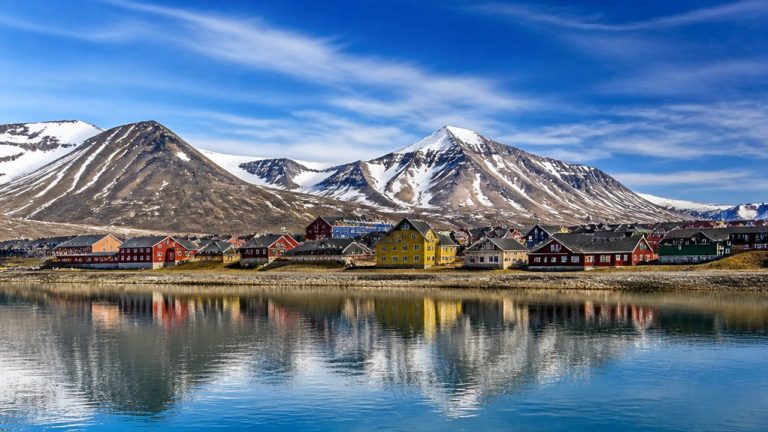
In the Chilean fjords, the scenery itself is the activity. Most of your time will be spent on deck, watching the landscape unfold from your cabin balcony or the ship’s public areas. The mountains here rise thousands of metres directly from the water, their peaks often capped with snow and ice. As your ship navigates narrow channels, you may see cascading waterfalls and hanging glaciers clinging to steep valley walls. Bring binoculars and a camera—the views change constantly, and wildlife appearances can be sudden. Early mornings and late evenings often offer the clearest visibility and best light for photography.
What You’ll See
The fjords contain some of the Southern Hemisphere’s most impressive glaciers. Pio XI Glacier is the longest outside Antarctica, and Garibaldi Glacier is equally spectacular, with brilliant blue-white ice meeting dark water at its face. The Beagle Channel, named after Darwin’s famous ship, cuts through steep-sided mountains and reveals the raw grandeur of Patagonia at every bend. Named passages like English Narrows, Eyre Fjord, and Garibaldi Fjord each offer distinct views—some reveal ancient forests of southern beech trees clinging to mountainsides, others frame glaciers that appear to spill directly into the sea.
Marine life is abundant. Seals and sea lions rest on rocks in small colonies. Dolphins—including the rare Peale’s dolphins found almost nowhere else—hunt in the nutrient-rich waters. Whales pass through seasonally. Above, Andean Condors soar on mountain thermals, while terns, albatrosses, and cormorants patrol the fjords. Penguin colonies nest on islands in the region during breeding season. The sight of an Andean Condor riding the thermal currents above a glacier, or a whale breaching against a backdrop of snow-covered peaks, captures the essence of Patagonia’s wildness.
Getting Ashore
Traditional port facilities don’t exist in most fjords. Instead, expedition ships carry Zodiac boats—small, fast inflatable craft—which ferry passengers to landing sites. A typical day involves boarding a Zodiac in the early morning, motoring into remote bays, and either landing on a beach or conducting a slow cruise through narrow passages where the ship cannot reach. These small boat expeditions bring you close to waterfalls, seal colonies, and the faces of advancing glaciers. Kayaking is sometimes offered as an optional activity, allowing paddlers to explore coves at their own pace. Fitness levels vary by activity—some landings involve hiking steep terrain, while others are gentle beach walks. Weather dictates everything. Fog, high winds, and rough seas can prevent Zodiac operations for hours or days, so flexibility and realistic expectations are essential.
Tours and Excursions
Most fjord cruises include guided Zodiac excursions led by experienced naturalists who explain the glaciology, wildlife, and ecology of the region. They’ll point out details you’d miss alone—bird species, animal behaviour, glacier dynamics. Some cruises offer hiking to viewpoints above fjords, or walks through remnant forests. Kayaking from Zodiac launch points allows close inspection of shorelines and wildlife. A few luxury cruises offer optional helicopter or submersible experiences for those seeking something extraordinary, though these are premium-cost additions not typically included in the base fare.
Practical Tips
Weather in the fjords is highly changeable and often cold. Pack layers—thermal underwear, fleece, and a waterproof outer jacket and trousers. Waterproof gloves, a warm hat, and sturdy waterproof boots are essential. Even in the southern summer, when cruises run, temperatures rarely climb above the mid-teens Celsius. Bring sunscreen and sunglasses despite the cool air; the sun reflects intensely off ice and water. The ship will likely provide a dry bag or small backpack for Zodiac excursions, but confirm beforehand. Seasickness medication is wise—some fjord passages are exposed to open ocean swell. Don’t expect shops or facilities ashore; bring any medications you need and any personal items you might want. Charging facilities on Zodiacs are nonexistent, so manage phone and camera batteries carefully if you plan to document the journey intensively.
History and Context
These fjords were carved by glaciers during ice ages, and the glaciers remain the dominant force shaping the landscape. Some glaciers are advancing—Pio XI Glacier is one of the few in the world that has been growing. Others are retreating, revealing recently exposed valleys and creating new islands. The region is largely untouched by permanent human settlement. Small research stations and the occasional ranger outpost are the only signs of human presence. The indigenous Yámana people once lived in these waters, thriving as master mariners in one of the world’s harshest maritime environments. Their legacy is felt in place names and in the sheer difficulty of surviving in a landscape so vast and unforgiving. Modern expeditions to the Chilean fjords follow in the wake of explorers and naturalists like Darwin, who grasped the profound beauty and geological significance of Patagonia.
Book your Chilean Fjords day
Tours for this port, compare before you book
Getting around in port
✈️ Before you sail: eSIM, insurance, luggage, flight delays
Ships In Chilean Fjords
Upcoming calls from our sailings tracker, updated regularly.
ms Oosterdam
Holland AmericaWed 9 Dec
⚓ 08:00–10:00
ms Zaandam
Holland AmericaTue 26 Jan
⚓ 08:00–10:00
Queen Anne
CunardWed 24 Feb
⚓ 11:00–15:00
ms Oosterdam
Holland AmericaSun 28 Feb
⚓ 08:00–10:00
ms Oosterdam
Holland AmericaSat 20 Mar
⚓ 08:00–09:00
ms Nieuw Amsterdam
Holland AmericaSun 7 Nov
⚓ 08:00–10:00