Manaus Cruise Port Guide
Wondering how to escape the cruise port crowds and experience authentic Manaus? Discover secrets most passengers never find.
In this guide
Try one free personalised day plan — built around your ship’s actual arrival and departure times. Then get every port on your cruise done the same way from £7.99 (about $10).
Cruise Port Overview: What To Expect
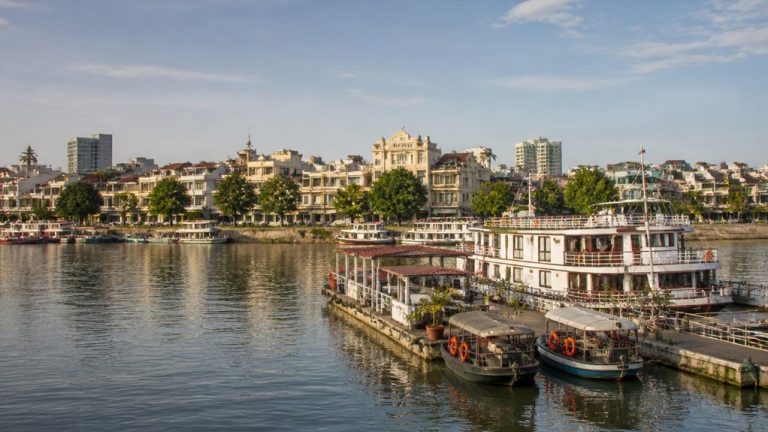
Manaus operates as a functioning city rather than a purpose-built tourist destination, which means the port authority runs it for residents and commerce first, cruise passengers second. Your ship ties up at the floating dock right by the city centre, built to rise and fall with the river, a practical arrangement that keeps operations straightforward without offering much beyond basic facilities. The Amazon Theatre’s tiled dome marks the skyline, but it’s background architecture rather than the focus of what makes this port different.
Central Manaus sits close enough to walk from the terminal, though a taxi ride costs little if you want to preserve energy for actual exploration. The terminal itself is minimal—no duty-free shopping, limited amenities, nothing designed to trap you into spending money before you step ashore. This isn’t a complaint; it simply means you’re not paying cruise port markups on everything.
Street crime does occur in certain areas, so you’ll need to apply basic judgment about where you walk and what you carry. Displaying expensive cameras or jewellery attracts unwanted attention in any port, but especially in a working city like this where inequality is visible. Police presence is noticeable, though your own awareness matters far more than their visibility.
The climate here demands respect—you’re near the equator, and the heat combined with humidity remains intense throughout the year. Lightweight clothing and early morning or late afternoon activity are practical strategies rather than optional suggestions. Attempting a full schedule during midday heat exhausts more efficiently than any actual exertion.
Ship-organised excursions typically overcharge for standard experiences when compared to independent operators. You can book tours and activities independently before your port day through specialized vendors that cost substantially less than arranging anything through your ship. Local guides and private tour companies offer genuine value and access to actual Amazon waterways, though the best ones book up with cruise passengers well in advance.
Getting From the Port To Town
The walk into central Manaus from the floating dock is short and takes you through a busy working harbour area where you’re dodging actual commerce rather than strolling through sanitised port infrastructure. It’s perfectly safe in daylight, but not particularly scenic—lorries, cargo, and the business of a real city take priority over tourist convenience. Getting your bearings quickly matters more than lingering at the terminal.
A taxi from the terminal deposits you in the city centre within minutes and costs a reasonable amount. Drivers generally use meters, though you can agree a fare beforehand if you prefer certainty over negotiation. This is the sensible option if you’ve limited time or prefer not to navigate unfamiliar streets.
The terminal itself has a few basic cafés and a small supermarket, but nothing worth lingering over. Ignore any unofficial “guides” offering assistance outside—they’re after commission, and you don’t need their services. Walking independently into town gives you autonomy and keeps your money in your pocket rather than theirs.
Once you reach the Teatro Amazonas area, you’ve entered the neighbourhood where actual exploration happens. This is where you’ll find proper restaurants, markets, and the starting points for jungle trips far better handled by local operators than your ship. The riverfront here connects you logically to tour operators who know how to run independent excursions properly.
Leave the terminal within the first hour after disembarkation to beat the crowd and give yourself genuine time ashore before the afternoon heat makes activity uncomfortable. Early momentum is everything when you’re managing a single port day. The difference between leaving immediately and leaving later is often the difference between having options and feeling rushed.
The Must-Do Experience: Start Here
Most cruise passengers treat the Amazon as something to observe from a safe distance—a few hours on a guided tour, then back to the ship. The actual point is spending real time on the water, away from the city, where you can see how the forest and river work instead of just looking at them.
Book an independent jungle tour in advance rather than taking what your ship arranges. Popular operators fill up quickly during cruise season, and booking ahead online gets you better rates than last-minute bookings. These guides know where wildlife actually appears, not the overcrowded spots where animal behaviour has already been disrupted by repeated tourist visits.
A half-day works if you’re short on time, though a full day gives you proper understanding—the difference between spotting pink river dolphins and knowing how they hunt, between seeing trees and understanding the forest’s layered structure. You’ll travel by small boat into tributaries that larger cruise groups can’t access, and your guide will explain the ecosystem rather than simply narrate what you’re looking at.
Bring polarised sunglasses to reduce water glare and see the canopy clearly. Morning light works better than afternoon, so schedule your tour early if you can. Wear lightweight long sleeves—the sun and insects are both more aggressive than you probably think, and you’ll be considerably more comfortable when you’re not constantly swatting or squinting.
This isn’t packaged entertainment. It’s uncomfortable, it’s hot, and you’ll understand why people live in cities rather than rainforests. You’ll also grasp why the Amazon actually matters, which is what makes the discomfort worthwhile.
History Culture and the Top Sights
Manaus trades on its theatrical past through its architecture, though the city has virtually nothing worth visiting inside museums. The real history lives in the buildings themselves, so plan to read the city through its structures rather than galleries.
The Teatro Amazonas dominates the centre—a nineteenth-century opera house with a distinctive dome covered in ceramic tiles shipped from Europe. Walking past costs nothing and lets you absorb the sheer oddness of this level of grandeur planted in the middle of rainforest. If theatre history genuinely interests you, book a guided tour of the interior in advance, though the exterior tells you far more than stepping inside ever will.
The Mercado Adolpho Lisboa, an iron market structure, reveals how the city actually functions. It’s crowded and draws tourists, but locals genuinely shop here for food and fish alongside the souvenir stalls, which means you’re seeing something real rather than staged. Arrive early before organised groups show up and watch how the space operates as a working market.
The port area and surrounding streets reward aimless walking. Colonial buildings here are faded rather than restored, which gives them more honesty than most heritage sites you’ll encounter anywhere. The restaurants directly behind the port charge well over the odds for mediocre food, so walk inland a few blocks instead where local restaurants feed workers—your money goes further and the cooking is actually competent.
Beyond the Centre: Day Trips and Alternatives
Most cruise passengers stay within the port area, so the actual city begins where the tourist infrastructure ends—and it’s noticeably quieter once you step beyond it.
The Rio Negro is fundamentally why Manaus exists, and you need to get on a boat to understand the place at all. Independent operators run morning and afternoon tours that leave the port’s staged environment behind for something genuinely wild. The guides know what they’re talking about, the boats are small enough to slip through narrow channels, and you’ll see pink river dolphins, sloths, and anacondas without the scripted narration of cruise line tours.
Walking inland from the Mercado Adolpho Lisboa takes you past colonial buildings that haven’t been scrubbed clean for cameras, past actual cafés where a coffee costs what it should. The neighbourhoods beyond the theatre district are where the city functions for itself rather than for visitors. An hour on foot or a short taxi ride gets you somewhere real—either a boat moving through dark water or a street corner where nothing needs to perform.
Shore Excursion or Going It Alone
The cruise lines charge substantially more for guided jungle tours than independent operators, and they run them from larger boats packed with other passengers from your ship. The real advantage of booking independently isn’t primarily about saving money—it’s about having actual control over your experience. You decide when to depart, which operator you trust, and whether you spend a couple of hours or most of your day on the water.
Local operators working from the port have better knowledge of the area than cruise staff following a script. They know which channels the pink dolphins use, where you’ll actually see sloths, and they adjust routes based on current conditions rather than sticking to a fixed schedule. The better guides speak English fluently and charge a fraction of cruise line prices, though popular tours during peak season fill quickly, so booking online the day before you arrive makes sense rather than gambling on availability when you dock.
If you’re uncertain about navigating independently, a private walking guide through the city centre costs reasonable money and outperforms ship excursions significantly. They take you past the standard tourist spots to places where locals actually go, answer your questions straightforwardly, and you’re not shuffled along with dozens of other cruise passengers. The difference between a forgettable afternoon and a worthwhile one typically comes down to whether the person leading you is actually trying to show you something genuine or just moving you through quickly to meet a schedule.
What Experienced Cruisers Know About Manaus
Most cruise passengers in Manaus make the mistake of treating the city as a staged attraction rather than somewhere people actually live and work. The Teatro Amazonas is worth your time, but go early before tour groups arrive in numbers, and arrange a private guide beforehand—the difference between that and a ship-organised visit is substantial. The waterfront gets crowded and touristy during peak hours, yet two blocks inland you’ll find actual neighbourhood restaurants, markets, and streets where vendors aren’t constantly approaching you with identical souvenirs.
The port itself is easy enough to walk around, though the heat and humidity mean tackling main sights in early morning makes practical sense before midday exhaustion sets in. Carry more water than you think necessary, as finding it becomes difficult once you’re past the immediate harbour area. If jungle tours interest you, book an independent operator online before you arrive; the competent guides working from Manaus fill their boats by mid-morning during cruise season, and showing up at the dock hoping for spots rarely works out.
Arrange a private city walking guide through a local operator you’ve vetted properly rather than accepting street offers. They’ll show you actual Manaus—neighbourhood cafés, markets where locals shop, side streets that reflect the city’s rubber boom history. Three or four hours ashore becomes genuinely useful when someone knowledgeable is actually teaching you something instead of moving you between photo locations.
Your Port Day: A Sample Itinerary
The real problem with a Manaus port day isn’t figuring out what to do—it’s fighting the clock and the heat simultaneously, which means your morning choices determine whether you actually see anything worthwhile or just shuffle between air-conditioned shops.
Get to the Teatro Amazonas when it opens, before the tour groups arrive. You’ll have time to look at the interior without being crowded out, and the building’s details—the Italian marble, the painted dome—are worth examining properly. Grab a strong coffee at one of the cafés facing the theatre afterwards; the heat will only get worse from here.
By mid-morning, head inland toward the neighbourhood markets and side streets with a private walking guide you’ve arranged beforehand through a local operator. This takes you past the waterfront entirely and shows you where Manaus actually functions—the fruit vendors, the old rubber merchant buildings, the real city rather than the tourist version. Two hours of proper walking beats four hours of aimless wandering in heat that regularly tops thirty degrees.
Your afternoon should involve either a jungle tour on the Rio Negro or the Amazon itself, but book this independently before you arrive. The best operators fill their boats quickly during cruise season, and waiting at the dock hoping for availability rarely works out. A half-day river excursion—spotting pink dolphins and caiman, understanding the river’s ecology from someone who knows it—justifies the entire port stop, and you’ll return onboard with actual energy and stories worth having.
Book your Manaus day
Tours for this port, compare before you book
Getting around in port
✈️ Before you sail: eSIM, insurance, luggage, flight delays
Ships In Manaus
Upcoming calls from our sailings tracker, updated regularly.
ms Volendam
Holland AmericaTue 8 Dec
⚓ 08:00–16:00
MSC Explora 1
MSC CruisesTue 16 Feb
⚓ 08:00–16:00
MSC Explora 1
MSC CruisesWed 17 Feb
⚓ departs 16:00
ms Zuiderdam
Holland AmericaWed 19 Jan
⚓ 10:00–16:00
Fred Olsen Borealis
Fred OlsenWed 9 Feb