Visby Cruise Port Guide
Insider secrets reveal how to escape Visby’s crowded tourist traps and discover authentic medieval charm—but where exactly should you start?
In this guide
Try one free personalised day plan — built around your ship’s actual arrival and departure times. Then get every port on your cruise done the same way from £7.99 (about $10).
Cruise Port Overview: What To Expect
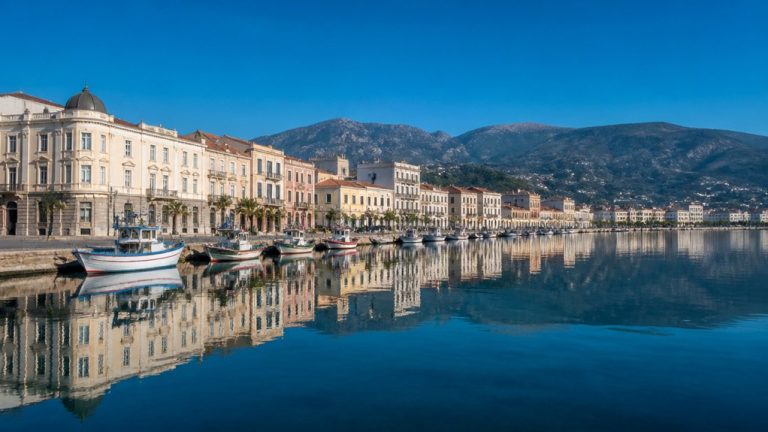
Visby’s cruise terminal is practically inside the medieval town itself, which cuts out the tedious journey from port to centre that wastes time at most Swedish stops. The old town has narrow cobbled streets that simply cannot absorb large numbers of people, so when multiple ships dock on the same day, the place becomes genuinely overcrowded and difficult to navigate. The solution is straightforward: either spend your time outside the town walls or plan your visit strategically to avoid peak hours.
The harbour area where you disembark is compact and offers only basic facilities and a small information desk. From there, the medieval town is accessible by walking uphill through quiet residential streets—a route most cruise passengers ignore because they follow the obvious crowd toward the main gate. The old town itself is small enough that you can cover the principal sights in a morning, so your real advantage comes from exploring the areas beyond the walls.
The ship’s organised excursions here are expensive and typically involve long coach journeys for experiences you can arrange independently at a fraction of the cost. You can book guided excursions online with local operators to secure the best experiences in advance. Independent guides and small group tours book up quickly once cruise ships arrive, so arranging something in advance online gives you both better value and genuine flexibility. Since your time ashore is limited, the difference between a rushed group tour and a properly paced independent experience will determine whether you actually enjoy your day.
Getting From the Port To Town
The walk from the harbour into Visby’s old town is short enough that you won’t waste hours on transport, but this same brevity means cruise passengers pour into the narrow streets within minutes of leaving the ship. Most people follow tour groups along the main route, so you’ll face substantial crowds immediately if you don’t plan around them.
Take the eastern residential streets instead of joining the main flow uphill. These paths are less steep, considerably quieter, and bring you into the medieval walls away from the souvenir shops and expensive cafés that cluster near the principal gate. You reach the same destination but with an actual view of the town rather than the backs of other tourists.
Walking is your practical choice here because taxis serve no purpose for this distance, and any shuttle service costs far more than your own legs. Once you’re through the residential streets and into the old town, everything you need sits within easy walking reach, making further transport pointless for the rest of your day. The tactic that works is leaving the ship early, moving faster than the organised groups, and choosing the less obvious uphill route.
The Must-Do Experience: Start Here
The medieval walls are the reason to come to Visby, and most people skip them because they look like optional add-ons rather than the actual point. These walls are what distinguish Visby from other Scandinavian ports, and they’ve survived largely intact, which is uncommon enough to matter.
Head to the walls first thing instead of spending your morning in shops. Start near the Norderport gate and work your way anticlockwise around the circuit, which keeps you away from the main crowd and gives you actual quiet in the early sections. The views out toward the Baltic and back across the red roofs show you what Visby actually is, not what the tourist trade wants to sell you.
The walk itself is physically easy and doesn’t require any particular fitness level, though the medieval stonework is uneven in places, so proper shoes make more difference than fashion does. You’ll move through areas that range from swamped with visitors to genuinely residential, which is exactly why this works better than a organised ship excursion. The walls communicate the town’s history directly through their structure and what remains of their defences—evidence of Visby’s role as a medieval Baltic trading centre.
Book a private walking tour ahead of time if you want someone to explain the historical context without joining a cruise-ship group. These tours get booked up for single-day visits, and independent guides generally cost less and run smaller groups than anything the ship’s shore excursion desk will arrange.
History Culture and the Top Sights
Visby’s history lives in its streets rather than behind museum glass, so walking matters more than reading plaques. The town was a Hanseatic League centre at its peak in the 12th and 13th centuries, and the medieval layout survives intact because trade later moved elsewhere and the town was never wealthy enough to tear it down and rebuild.
The Cathedral of Santa Maria rises above everything else and welcomes visitors without ceremony. The interior is plain but composed, and Gothic windows let light in differently than any photograph suggests. You’ll spend twenty minutes here without needing anyone to explain what you’re looking at.
St. Nicholas Church exists as a ruin—walls and arches surrounded by grass—which tells you something honest about survival and loss. A half-ruined building shows you what actually endured rather than what architects decided to restore later.
The Town Hall occupies the main square and reflects the merchant wealth that built Visby, though there’s nothing worth seeing inside. You understand its purpose and importance by looking at it from outside as you walk past.
If you want the actual history beyond what the walls themselves communicate, hire a local guide for a walking tour focused on medieval Hanseatic trade. Local guides cost less than ship excursions, work in smaller groups, and fill quickly during single-day port calls. Booking guided tours online beforehand guarantees your place and ensures you’re learning from someone who lives here rather than someone reading notes.
Beyond the Centre: Day Trips and Alternatives
Most cruise passengers stay within the medieval walls, which leaves the surrounding neighbourhoods and countryside largely empty of visitors. This matters because you’ll see how people actually live rather than how they perform for tourism.
Högklint’s limestone cliffs are reachable by local transport and offer views across the Baltic. The rocks themselves contain geological information that outweighs any guided commentary, and you’ll probably stand alone while others queue elsewhere.
Gannarve, down the coast near Fröjel, is a Bronze Age stone ship grave looking out towards the Karlsö islands, set among working farms rather than inside an actual village or attraction. It’s a car or taxi trip rather than a walk, and several operators include it in small-group visits of the island that cost less than cruise ship excursions and are far more useful for understanding Gotland beyond Visby’s walls.
Book an independent guide or small-group tour before your port day if you want structured exploration without cruise markups. The better operators fill quickly during cruise season, and online booking guarantees your place while keeping costs down. You’ll move at a reasonable pace, ask genuine questions, and return to your ship having actually learnt something.
Shore Excursion or Going It Alone
The ship’s shore excursion desk prices everything at a markup designed to exploit your anxiety about timing. What you’re actually paying for is the cruise line’s liability coverage and the logistics of moving large groups through predetermined stops, not genuine convenience.
Going it alone demands far less planning than most people assume. A full port day gives you adequate time, the centre is walkable, and local transport runs reliably enough that missing your ship requires genuine negligence. Hire a taxi to somewhere like Högklint, spend time on the cliffs, eat lunch in a neighbourhood café away from the tourist zone, and you’ll spend considerably less while setting your own rhythm.
Booking an independent local guide before your port day splits the difference between the rushed ship excursion and figuring everything out from scratch. A guide working outside cruise logistics will take you to places worth actually understanding—working villages, restaurants locals eat in, conversations that aren’t about where you’re from. These operators charge moderate rates and fill quickly during cruise season, so booking online beforehand secures your spot and removes the day-of scramble.
Skip the organised shore excursion entirely unless you genuinely need someone else making decisions for you. You’ll spend less, see things that actually matter, and return to your ship having made real choices rather than followed an itinerary built for consensus preferences.
What the Cruise Desk Leaves Out About Visby
Visby’s medieval wall actually repays the effort, but most cruise passengers cluster near the main gate and the cafés just inside it. The quieter sections to the north and the lesser-known churches remain relatively calm even when the port fills with ships, simply because few people bother to walk that far.
The tourist strip prices everything accordingly—coffee costs significantly more than you’d pay two streets inland, and restaurants facing the harbour tend toward lengthy menus and forgettable food. Walk away from the water toward where locals live and you’ll eat actual food at actual prices, made without the surcharge built in for people rushed for time. The locals know where the good places are, and you should eat where they do.
Book any independent tour before your port day. Popular walking tours and cycling trips fill during cruise season, and reserving online means you won’t waste your morning phoning around. These guides know which sections of the wall offer the best views, which churches warrant going inside, and which cafés serve coffee that doesn’t taste like hot disappointment—the difference between a port day you forget and one that actually sticks.
A bike works well if you’re comfortable riding one. The terrain won’t punish you, the routes are clearly marked, and you can reach quieter beaches and working villages beyond the tourist area faster than you’d wait for a ship excursion to depart. Consider purchasing a local eSIM data plan before arrival to stay connected while exploring without incurring roaming fees.
Your Port Day: A Sample Itinerary
The wall walk becomes uncomfortable if you delay it until afternoon, when the sun is strongest and the cruise groups return in force. Start early while the light is good and the northern sections are actually quiet.
Walk straight from the ship through the main gate and keep left along the inside of the wall rather than heading right toward the harbour cafés. The quieter northern stretch lets you see the medieval stonework without navigating through tour groups. The views remain as good—you simply see them without an audience.
By midday, move away from the waterfront entirely. This is where you eat breakfast properly, not on the tourist strip. A café two or three streets back from the harbour gives you real coffee and a pastry without the markup, and you’ll watch local people doing ordinary things. Locals eat there, so the food reflects what actually matters.
Spend your afternoon on a bike or with a walking tour you’ve booked in advance. Either approach takes you beyond the medieval centre to the working villages and quieter beaches that most cruise passengers never reach. Cycling routes here are straightforward and genuinely peaceful, while independent guides know which churches warrant the time and which climbs reward the effort—book online before you arrive because the popular guides fill up quickly during cruise season.
Book your Visby day
Tours for this port, compare before you book
Getting around in port
✈️ Before you sail: eSIM, insurance, luggage, flight delays
Ships In Visby
Upcoming calls from our sailings tracker, updated regularly.
Sky Princess
Princess CruisesTue 4 May
⚓ 08:00–17:00
Caribbean Princess
Princess CruisesSat 8 May
⚓ 07:00–15:00
ms Rotterdam
Holland AmericaTue 18 May
⚓ 08:00–17:00
Costa Diadema
Costa CruisesTue 18 May
⚓ 08:00–17:00
Caribbean Princess
Princess CruisesThu 20 May
⚓ 07:00–15:00
Celebrity Apex
Celebrity CruisesSun 23 May
⚓ 08:00–17:00