Honolulu Cruise Port Guide
Savvy cruise passengers skip the overpriced terminal restaurants and crowded Waikiki—but where should they go instead?
In this guide
Try one free personalised day plan — built around your ship’s actual arrival and departure times. Then get every port on your cruise done the same way from £7.99 (about $10).
Cruise Port Overview: What To Expect
Aloha serves double duty as both greeting and farewell, which suits Honolulu since your time here is limited and the port itself occupies less space than you probably imagine. The cruise terminals sit on the downtown waterfront of Honolulu Harbour, close enough to walk into the city centre but far enough that the popular spots—Diamond Head, Waikiki, the snorkel tours—all experience the same crush of cruise passengers at identical times. This proximity cuts both ways: convenience comes packaged with congestion.
The harbour operates as a genuine working port where fishing boats and cargo vessels share space with cruise ships, which provides a grounding reality that many tropical ports sanitise away. Book independent tours online before arrival rather than through the ship’s desk, since local operators charge less, run smaller groups, and fill their slots weeks ahead during busy seasons. Consider exploring shore excursions that venture beyond the typical tourist zones to experience authentic local culture. The waterfront restaurants and shops tend toward expensive and mediocre; walking ten minutes inland into actual neighbourhoods where locals conduct their lives yields far better food and value.
Orient yourself by remembering that Waikiki stretches east, Diamond Head lies southeast, and downtown sits inland from the water. The waterfront itself exists but needn’t command your attention unless you’ve exhausted alternatives elsewhere on the island. Build slack into your schedule and resist the pressure to return early—rushing back to the ship defeats the purpose of stopping here.
Getting From the Port To Town
Central Honolulu sits within walking distance of the cruise terminal across flat terrain, giving you access to proper restaurants and actual shops without paying for a ride—provided you head the right way and skip the inflated tourist cafés clustered at the port gates. Cross Ala Moana Boulevard and walk inland rather than staying near the water; you’ll move through real neighbourhoods where food costs less and quality improves noticeably. The bus network is cheap and runs often, though the routes confuse newcomers without local knowledge, so grab a transit app before you dock.
Taxis and rideshare vehicles wait outside the terminal but overcharge for short trips into town. Independent tour operators selling transport bundled with activities often undercut the ship’s excursion prices and put you in smaller, quicker groups, though booking ahead online matters during busy seasons when popular tours fill weeks in advance. Rental cars only justify themselves if you’re driving the entire island; parking near the port costs more than expected, and driving unfamiliar roads on an unfamiliar island burns through your limited time ashore. Consider purchasing a local eSIM data plan before arrival to avoid expensive roaming charges while using navigation apps and booking services throughout your visit.
Start with walking, move to the bus if you need it, and use taxis only when you’re running out of time.
The Must-Do Experience: Start Here
Most cruise passengers waste their Honolulu morning in one of two ways: queuing at the ship’s overpriced breakfast buffet or fighting for space at Waikiki Beach. Neither option makes much sense when you have eight hours ashore. The Honolulu Museum of Art and Iolani Palace are both within walking distance of the port, quiet in the early morning, and actually teach you something about Hawaii instead of just offering sand.
Walk into central Honolulu while it’s still cool and spend ninety minutes at whichever institution appeals to you. The Museum of Art holds significant Asian and Pacific collections that most cruise passengers never see because they’re occupied with sunbeds. Iolani Palace runs guided tours that move quickly and present genuine Hawaiian royal history without the theatrical padding.
If you want to venture beyond walking distance, book a small-group tour with an independent operator beforehand—either Diamond Head or Pearl Harbor work well. The ship’s own excursions are slower, more expensive, and often full by the time you board during busy seasons. Consider purchasing a local eSIM data plan before your tour so you can navigate independently without incurring expensive roaming charges. A morning of actual cultural content followed by a local lunch leaves you with something worth thinking about, rather than another routine beach afternoon you could replicate anywhere.
History Culture and the Top Sights
Hawaiian history actually exists at Iolani Palace, built in 1882 as a royal residence, not in the sanitised narratives most cruise guides peddle. The guided tours move through rooms containing original furnishings and genuine historical complexity—you’re learning about King Kalākaua and Queen Lili’uokalani in spaces where real political decisions happened, real power operated, and real loss took place. This isn’t performed history; it’s the actual site where a kingdom was dismantled.
The Honolulu Museum of Art operates on different principles but serves the same purpose. Its Hawaiian and Pacific galleries hold work predating Western contact—traditional kapa cloth, calabash bowls, pieces most cruise passengers never encounter because they remain at Waikiki. The building sits in a quieter section of central Honolulu, which means you can concentrate on what you’re looking at without the noise.
Pearl Harbor requires advance booking through independent operators rather than your ship’s excursion desk, which typically compresses visits into time slots that skip the substantial parts. Book online before you arrive, as morning tours fill quickly during cruise season. A proper tour of the USS Arizona Memorial and Battleship Missouri covers military history that genuinely mattered in the twentieth century, rather than functioning as another generic tourist experience.
Both sites lie within reasonable walking distance of Aloha Tower, the port’s central point. Starting early allows you to finish by midday, leaving time for lunch somewhere in the city rather than returning to your ship to eat.
Beyond the Centre: Day Trips and Alternatives
Most cruise passengers decide what to do on shore after they’ve already landed, which leaves them scrambling for whatever remains available. By that point, the decent guided tours have filled up, and you’re left choosing between an impersonal group experience or trying to figure out Honolulu’s layout alone while the clock counts down.
Independent tour operators running smaller groups to places like Diamond Head, the Pali Lookout, or the windward coast typically undercut what your ship charges and give you more attention along the way. Booking online before you arrive matters because the popular routes genuinely do sell out during cruise season, and you’ll get earlier start times that let you finish without panic. You’ll avoid the late-afternoon rush back to the terminal. Many cruise ports offer guided excursions through established platforms that streamline the booking process and provide vetted operator options.
The local bus system functions adequately if you know exactly where you want to go and can handle figuring out routes and waiting for schedules. This works if you’re comfortable with some uncertainty and have a particular destination in mind. A rental car offers complete freedom but feels unnecessary when public transport is reasonably reliable and your port time is limited anyway.
The realistic option for most cruise passengers is a small-group tour with a local operator. You get a guide for meaningful context, cover actual distance, and reach places that would be risky or tedious to navigate alone. Your ship will not depart without you—that worry is natural but baseless—though your schedule becomes fixed once you commit to a return time. Confirm what time you need to be back before you leave the terminal.
Shore Excursion or Going It Alone
Your cruise line’s excursion desk will pitch their organised tours as though they’re the only reasonable choice, but they’re not. The markup on onboard excursions is substantial, and you’ll spend much of your day in a coach with hundreds of other passengers whilst a guide recites facts to the group. Independent operators offer genuinely better value, smaller groups, and guides who’ll actually answer your questions instead of sticking to a script.
The trade-off is that worthwhile tours—particularly those going to Diamond Head or the windward coast—book out quickly during cruise season, which means you need to reserve online before arriving. You’ll get a better price, an earlier start time, and the certainty of a confirmed spot rather than gambling on availability when you dock.
Going completely solo only works if you know Honolulu reasonably well and can be realistic about what you’ll manage in the time you have. The city sprawls significantly, and shifting between attractions whilst constantly checking your watch and making sure you’re back at the terminal on time creates pointless stress. The local bus network works adequately but demands knowing exactly where you’re going and accepting that schedules aren’t always reliable.
Your strongest option is booking a small-group tour with a local operator you trust before you travel. You’ll actually see things properly, understand what you’re looking at rather than just passing by it, and get back to your ship without the anxiety of finding your own way around. Consider arranging professional driver transfers to ensure reliable transportation between your hotel and key attractions. This costs considerably less than what your cruise line charges for an equivalent experience and gives you far more return on your time ashore.
What the Cruise Desk Leaves Out About Honolulu
Honolulu’s cruise terminals sit downtown, a short drive from Waikiki, and overpriced restaurants and chain shops start immediately once you leave the ship. The actual advantage is proximity—decent food and local experiences exist within walking distance if you bypass the obvious spots.
Beachfront cafés along the main strip charge well above what their food warrants for mediocre quality. Walk inland into residential neighbourhoods where locals actually eat, and you’ll find proper plate lunch spots, poke bowls that justify their cost, and coffee that hasn’t been warming on a heat lamp for hours. The price difference is substantial and the food tastes noticeably better.
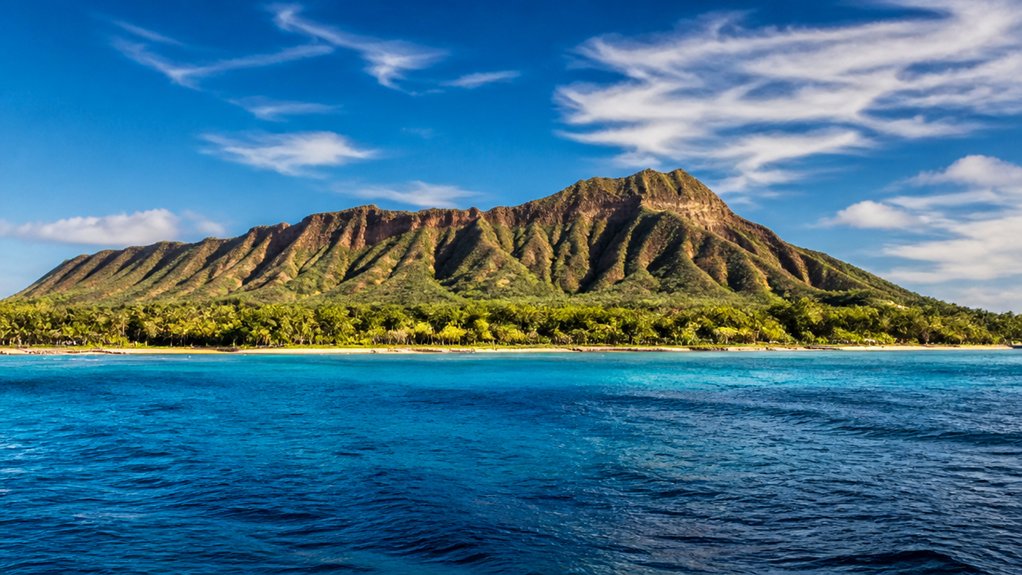
Diamond Head draws cruise passengers by late morning, turning what should be a moderate hike into a crowded waiting line. Booking an independent early-morning tour beforehand gets you to the summit and back to your ship before the rush; the cruise line’s later departure costs more for less actual time on the trail. The timing difference determines whether you’ll actually enjoy the walk or spend most of it queuing.
Download the city bus app before arriving—it’s free and reliable, and it eliminates confusion about routes. If you’re heading beyond walking distance to somewhere like the Honolulu Museum of Art or a quieter beach on the windward side, knowing your route in advance transforms the morning from potentially stressful into straightforward travel. Planning this detail beforehand pays dividends.
Your Port Day: A Sample Itinerary
Most cruise passengers queue at Diamond Head from mid-morning, which wastes your morning. Book an independent early-morning summit tour before your ship arrives—popular slots fill fast, particularly if your vessel carries large numbers—and you’ll reach the crater before the crowds, leaving your afternoon actually free instead of lost to queuing. Your first decision about this shapes everything else that follows.
Eat breakfast at a local plate lunch spot in the residential streets behind Waikiki rather than near the terminal. You’ll pay less, eat better food, and see where Honolulu residents actually live instead of the tourist strip’s chain restaurants. Grab your coffee and meal there, then head directly to your pre-booked Diamond Head tour if that’s your plan.
By midday, once you’re back from the summit or if you’ve chosen a different morning activity, walk inland to the Honolulu Museum of Art or catch the city bus to a quieter windward beach. The museum occupies a couple of hours and charges a modest entry fee; the beaches on the island’s other side sit genuinely removed from cruise ship territory. Either option keeps you away from where most of your fellow passengers cluster together.
Your afternoon departure time dictates what flexibility you actually have, but the principle stays the same: prioritise independent experiences you’ve arranged beforehand over anything the cruise desk sells. Return to the terminal with time in hand rather than rushing, and you’ll sail to Maui having truly experienced Honolulu instead of its tourist infrastructure.
Book your Honolulu day
Tours for this port, compare before you book
Getting around in port
✈️ Before you sail: eSIM, insurance, luggage, flight delays
Ships In Honolulu
Upcoming calls from our sailings tracker, updated regularly.
Anthem of the Seas
Royal CaribbeanFri 9 Oct
⚓ arrives 07:00
Pride of America
Norwegian Cruise LineSat 10 Oct
⚓ 07:00–19:00
Anthem of the Seas
Royal CaribbeanSun 11 Oct
⚓ departs 19:00
ms Koningsdam
Holland AmericaMon 12 Oct
⚓ 07:00–21:00
Grand Princess
Princess CruisesWed 14 Oct
⚓ 07:00–23:00
Carnival Radiance
CarnivalSat 17 Oct
⚓ 09:00–22:00