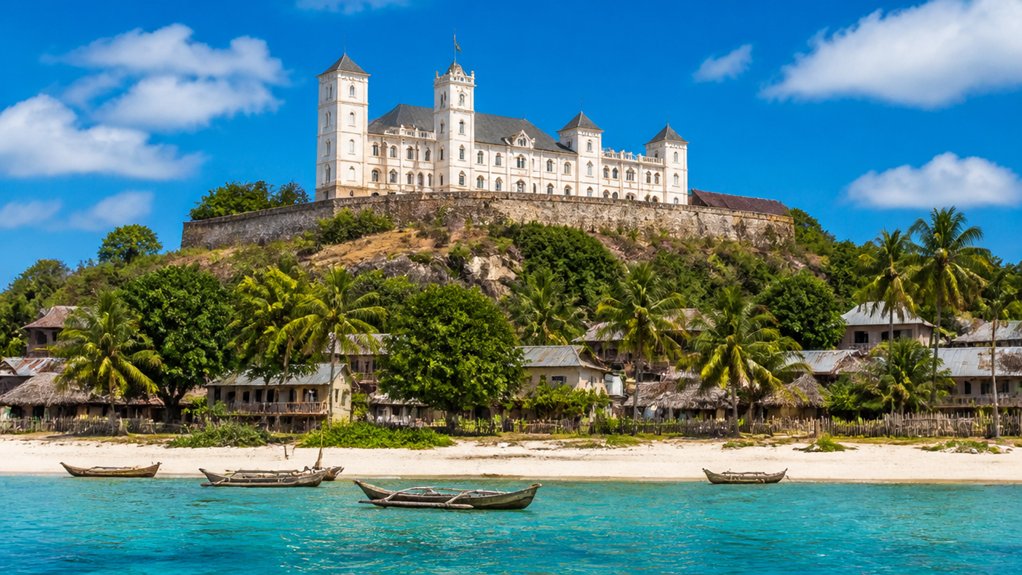
Toliara, Madagascar Cruise Port Guide
A cruise port guide to Toliara reveals how savvy travelers escape tourist traps and discover authentic Madagascar—but there’s a catch.
In this guide
Try one free personalised day plan — built around your ship’s actual arrival and departure times. Then get every port on your cruise done the same way from £7.99 (about $10).
Cruise Port Overview: What To Expect
Toliara’s cruise port has the appearance of a quiet backwater until you grasp the actual problem: the port itself offers almost nothing worth your time, while everything genuinely worthwhile sits far beyond the terminal. The facilities are basic, the shops sell expensive trinkets designed to extract money from passengers who never leave the dock area, and staying put wastes hours you could spend elsewhere.
Leave the port immediately. The streets around the dock are functional for commerce but offer no reason to linger, and the longer you remain near the ship, the less time you have for places that actually repay a visit. Independent local guides and operators provide substantially better value than ship-organised excursions, and booking these online before you arrive is critical because spots fill quickly.
The worthwhile Madagascar exists inland—the spiny forests near Ifaty, the wildlife reserves, the working local markets where prices relate to actual local economics rather than cruise ship demand. Getting there requires either arranging a driver through a vetted independent operator beforehand or hiring transport once ashore, both of which cost far less than ship excursions and let you move at your own pace.
Heat and distance present real challenges in this region more than at most ports. Bring adequate water, sun protection, and practical footwear suitable for poor road surfaces. The reward is straightforward: lemurs, chameleons, and landscapes that the majority of cruise passengers never see because they choose not to leave the port vicinity.
Getting From the Port To Town
Toliara has no formal taxi system, so you’re either negotiating with drivers at the port or arranging a driver beforehand. Negotiating on the spot means haggling without knowing fair rates and wasting time you don’t have, whereas booking through a tour operator beforehand costs less and removes the uncertainty entirely. Pre-arranging eliminates the whole transaction and lets you leave immediately.
The port is roughly two kilometres from central Toliara. Walking is theoretically possible but genuinely unpleasant—the heat is severe, roads lack pavements, and you’re carrying valuables from the ship. A short drive with an arranged driver gets you directly to wherever you actually want to go.
If you’re set on walking into town, the waterfront avenue has the main shops and market activity running parallel to the sea. Nothing along this route justifies the walk given the conditions and the finite time you have ashore. Arrange transport in advance and leave the port immediately.
The Must-Do Experience: Start Here
Toliara’s real appeal lies not in a single landmark but in the everyday rhythm of the port itself—the fishing boats, the market traders, the sense that you’ve arrived somewhere genuinely removed from cruise-ship tourism rather than somewhere packaged for it.
Your best move is to head straight to the waterfront market when you arrive. The energy here is authentic, the colours are genuine, and you’ll see what actually matters to the town rather than what’s been arranged for visitors. Wander through the stalls, watch fishermen unload their catch, and pick up fresh fruit or local crafts without the markup you’d find anywhere else.
From there, grab lunch at one of the small restaurants tucked behind the main avenue. Food away from the obvious tourist strip costs less and tastes considerably better—grilled fish, rice, local vegetables prepared with actual care rather than speed. Eat where locals eat, not where cruise passengers are herded.
If you want something more structured, independent walking tours of the old colonial quarter are worth booking before you arrive. These fill quickly and organised tours tend to sell out when multiple ships are in port. A local guide will show you the history and architecture properly rather than you wandering confused trying to work out what you’re looking at.
History Culture and the Top Sights
Toliara’s colonial architecture exists in tension with its present state, and that tension is exactly why it warrants your time. French occupation and Indian Ocean trade shaped the town’s buildings, but they remain unrestored—weathered and actively lived-in, which gives them considerably more authenticity than any manicured heritage site. The faded shutters and crumbling plaster across the old quarter near the waterfront date from the late nineteenth century, when this was a functioning trading hub rather than a tourist destination.
Walking these streets alone leaves you interpreting what you’re seeing without context. A local guide explains the architecture itself, identifies which merchant families built specific structures, and clarifies how the town actually operated before cruise ships began calling. Book through a local operator before you arrive; the capable guides are booked out when ships dock, and you’ll pay less than the excursion desk charges.
The Toliara Museum contains straightforward regional history and material on Vezo fishing culture, which remains the area’s economic and social foundation. There’s no theatrical presentation here, just direct curation reflecting what people actually care about. Real history, though, emerges from spending time in the neighbourhoods themselves—walking without purpose, talking to residents, and observing how daily life functions rather than pursuing photographs.
Beyond the Centre: Day Trips and Alternatives
Most cruise passengers limit themselves to activities within walking distance of the dock, leaving the genuinely worthwhile experiences in the Toliara region underused. The reef systems, fishing villages, and coastal landscapes that actually characterise this part of Madagascar exist outside town—reaching them substantially improves your day compared to the standard ship excursion queue.
Ship-organised tours to nearby reefs and villages cost more than independent alternatives and operate at the pace of the slowest participant. Arrange a private guide or small-group tour through a local operator before arrival; the best operators fill quickly when cruise ships dock, and advance booking secures better value and real flexibility. Your guide can adjust the itinerary based on tides, weather, and what’s actually happening rather than following a rigid schedule designed to return everyone within a fixed window.
A morning with Vezo fishing communities provides genuine context for how the coast functions—you’ll observe nets being mended, boats being prepared, and the daily work that theoretical explanations cannot convey. Afternoon options include reef snorkelling if conditions permit, or exploring the dunes and coastal scrubland where you’ll encounter wildlife and landscape entirely different from Toliara’s streets. Planning this in advance rather than hoping for excursion desk availability when your ship arrives determines whether these experiences are actually possible.
Shore Excursion or Going It Alone
The cruise line’s excursion desk presents packaged tours as your default option, conveniently neglecting to mention that you’re paying a substantial markup for the privilege of moving with forty other passengers. What actually happens is straightforward: the cruise line contracts with a local operator, adds its commission, and sells you a rigid itinerary designed around getting everyone back to the dock on time rather than what’s actually worth your attention. You’re paying for convenience you didn’t request and accepting constraints you didn’t negotiate.
Going independently means booking a private guide or small-group tour directly with a Toliara-based operator before your ship arrives. This costs considerably less, gives you genuine flexibility to follow tides and wildlife sightings as they happen, and puts money directly into local hands rather than into a cruise line’s revenue stream. The practical drawback is that capable operators genuinely do fill up when multiple ships dock simultaneously, so postponing this decision until you’re standing at the excursion desk means accepting whatever remains—typically the least popular options at the highest prices.
Your decision rests on one question: do you want your morning defined by what’s logistically convenient for dozens of other passengers, or by what’s actually worth doing that day? If the former works for you, book through the ship and accept the trade-offs that come with it. If you’d rather spend your time in Toliara actually seeing something, spend an hour before departure researching and contacting independent guides, and you’ll recognise the difference by noon.
The Mistakes Cruise Passengers Make in Madagascar
Toliara’s wildlife viewing depends entirely on tidal conditions, yet your ship departs at a fixed time regardless of whether the lemurs are active or the sea turtles have come ashore. A rigid shore excursion scheduled around the cruise line’s logistics rather than actual conditions will likely deliver you to the Spiny Forest during midday heat when everything has retreated into shade. An independent guide who understands these patterns will time your visit around what’s actually happening rather than around logistical convenience.
The harbour fills quickly with other cruise passengers, and the main shopping streets near the dock charge significantly more than locals pay in neighbourhood shops further inland. The curio sellers price their goods based on what they know package excursion passengers have spent, so your initial impression of value is misleading. If you want local crafts at reasonable rates, ask your guide to take you away from the immediate port area rather than buying from the first sellers who approach you. You’ll find better prices and authentic pieces by exploring guided tours at local markets that operate beyond the tourist corridor.
Internet in Toliara is unreliable, so arrange your independent guide before you arrive at port rather than attempting to sort it out during your brief hours ashore. A capable local operator booked through established tour platforms months in advance will cost less and guarantees someone will meet you at the gangway. This approach gives you far more control over your time than hoping the excursion desk can help once you’ve already disembarked.
Your Port Day: A Sample Itinerary
Your window is small — most ships dock for only six to eight hours — so you need to commit to one thing rather than scatter yourself across half a dozen mediocre activities. Skip the ship’s general orientation tour and head straight out by road with your pre-booked independent guide.
Start at the Spiny Forest Reserve first thing, when the heat is still manageable and the lemurs are actually moving about. The reserve is at Ifaty, about 30 km from Toliara by road, and visiting early maximises your chances of seeing wildlife before the midday torpor sets in. Once you’ve had your fill of the twisted baobabs and ring-tailed lemurs, head back towards the town centre for lunch at a local restaurant away from the dock area — your guide can point you somewhere authentic where locals eat, not the inflated prices charged two streets over.
By early afternoon, if you still have time and energy, wander through the market or visit a local artisan workshop where you can see craftspeople actually at work rather than browsing finished pieces at tourist rates. This beats the curio stalls near the gangway entirely. If your ship doesn’t depart until later, spend your remaining hour simply sitting with a drink and watching how the port actually functions without rushing.
The key is depth over breadth. One genuine experience with a capable local guide beats frantically ticking boxes off a ship-issued itinerary.
Book your Toliara day
Tours for this port, compare before you book
Getting around in port