Luderitz Cruise Port Guide
Navigate Lüderitz’s working harbour like a pro—discover hidden gems, avoid tourist traps, and uncover secrets most cruisers never find.
In this guide
Try one free personalised day plan — built around your ship’s actual arrival and departure times. Then get every port on your cruise done the same way from £7.99 (about $10).
Cruise Port Overview: What To Expect
Lüderitz operates as a working harbour where you’re a visitor in an active port, not the main event. The infrastructure exists to move cargo and fishing boats, not to ease your passage, so expect functional facilities rather than passenger conveniences. Getting into town means walking through industrial areas first, which aren’t scenic, but this also means you’re seeing how the place actually works rather than a manufactured version of it.
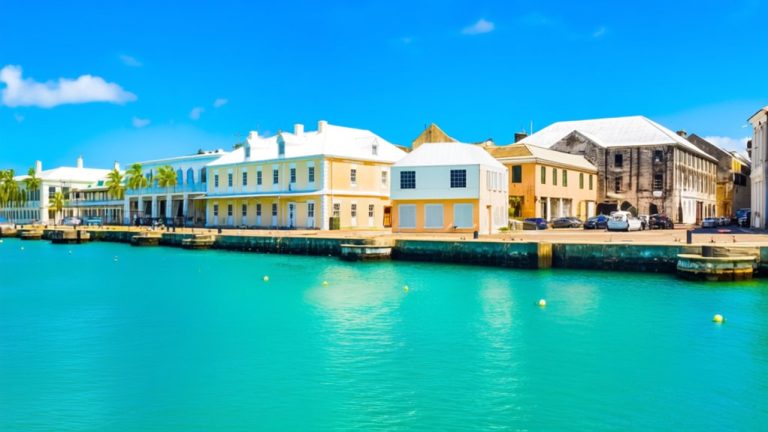
The old German colonial quarter begins once you’re past the working docks, and the architecture along Diaz Street and the waterfront repays attention if you take time to look. This isn’t a place designed to seduce you immediately; the appeal builds as you walk and observe. Most visitors find the restraint refreshing compared to ports engineered for maximum impact.
Planning your visit before you arrive genuinely matters here because options are limited and cruise-day crowds fill the available tours quickly. Colonial buildings, Penguin Island, and Kolmanskop require either your own navigation or a pre-booked excursion, and independent operators typically offer better value and more flexibility than ship-based offerings. Booking online before docking is a practical step that saves frustration once you’re ashore.
The restaurants and cafes here aren’t attempting to extract premium prices from passengers, which means you’re eating at places people in town actually use. There’s no chain presence working hard to feel local, so quality varies but at least the food reflects actual preference rather than tourist calculation. Time ashore is limited enough that knowing where you want to go beforehand separates a productive morning from an aimless one.
Getting From the Port To Town
The walk into town from the docks is longer than it seems because the harbour operates as actual working space—you’re navigating around cargo and fishing activity rather than following a marked tourist route. This stops feeling frustrating once you accept it’s a functional port, not a tourism operation. The path clarifies itself as you move, and the gradual uphill walk eventually deposits you at the colonial quarter where the town becomes worth your attention.
Taxis cluster near the dock exit, though agreeing on fares beforehand prevents later arguments. Walking works well if you’re reasonably fit and have several hours ashore, since the town doesn’t sprawl and you’ll absorb more moving at your own pace. Pre-booking a guided tour makes sense if you want to visit Penguin Island or Kolmanskop, because independent operators book solid during cruise days and you’ll pay less reserving ahead than through the ship. Book tours and activities in advance through your cruise line to secure the best rates and availability.
Most visitors miscalculate how much time the harbour walk takes, so build this into your planning before you commit to specific activities. The return journey back to the ship follows the same route, which means you need realistic buffer time rather than a desperate dash at the end. Working this out now lets you decide what actually interests you instead of discovering halfway through the morning that your timing won’t work.
The Must-Do Experience: Start Here
Kolmanskop pulls your focus first because this abandoned diamond-mining town functions as a physical record of what happens when an economy collapses suddenly. The German colonial structures—Art Deco flourishes, substantial staircases, pianos buried under sand—communicate economic failure more convincingly than any explanatory display could manage.
Book an independent guided tour beforehand rather than taking a ship excursion, which depletes quickly and charges significantly more. A competent guide actually explains what you’re observing instead of leaving you in empty rooms without context for what matters about them. Local operators online typically offer better rates than cruise desk arrangements.
The tour duration fits comfortably into your port time if you coordinate with your harbour walk schedule. You’ll move through the schoolhouse, the diamond sorting office, and residential spaces, all gradually consumed by the Namib Desert. The afternoon light creates worthwhile photographs as it passes through windows and doorways.
Eat lunch at a neighbourhood restaurant rather than the establishments clustered near the harbour. Lüderitz’s small size means local places actually serve residents rather than optimising for visitors, so your meal costs less and tastes better. Walk the seafront afterwards and spend time with the colonial buildings—the town’s particular isolation becomes apparent when you’re moving through it slowly.
History Culture and the Top Sights
Lüderitz’s history is colonial ambition followed by economic collapse, and the town’s architecture documents this without interpretation. What remains isn’t restored—it’s decayed, which affects you more forcefully than a curated museum ever could.
The town is the main reason to be here. Walk the residential streets behind the harbour where German colonial houses in varying conditions line the roads. Many people still live in them, so you’re moving through an actual neighbourhood rather than a preserved zone. The Felsenkirche sits on a rocky outcrop and gives you views across the bay—you can understand why settlers picked this particular barren coastline.
The Diamond Area Museum provides context for how the town’s wealth was generated, though the collection is small. The building itself matters more than what’s inside—a modest colonial structure that reveals the town’s former ambitions. An hour there is sufficient before moving elsewhere.
Beyond these specific places, Lüderitz repays walking without direction. The seafront has character because it wasn’t built for tourists. Eat at a local café overlooking the harbour rather than wherever cruise ships funnel passengers. The isolation that destroyed the town’s economy now makes it worth your time—you’re looking at what persists when money stops flowing, which is a more truthful narrative than most ports provide.
Beyond the Centre: Day Trips and Alternatives
Most cruise passengers who venture beyond Lüderitz town centre end up on the same organised tour, which means the sites that might otherwise feel isolated become crowded by mid-morning. The better approach is to arrange your own transport and move at your own pace—you’ll see more, spend less, and avoid the queues that form around popular stops.
Kolmanskop sits inland and warrants a half-day trip if you have the time. It’s a genuine abandoned mining settlement rather than a reconstructed attraction, so what you’re seeing is actual decay—coloured sand drifts through empty rooms, and the German architecture slowly disappears into the desert. Independent transport works better than waiting for a ship excursion slot to open, and you can arrange this in advance.
Seal Island boat tours operate from the harbour and work well—you’ll see thousands of seals and abundant birdlife from close enough to matter. These tours fill quickly during cruise season, so book ahead online rather than assuming you can arrange it dockside. The operators know the water well and the boats are small enough that you’re not watching wildlife with a hundred other passengers.
The Forbidden Cemeteries provide a quieter alternative and require only a local taxi to reach them. The German and British burial sites sit side by side—a physical reminder of the colonial period—and the walk between them is contemplative without feeling staged.
Shore Excursion or Going It Alone
The ship excursion desk will charge you roughly double what you’d pay arranging things yourself, and you’ll waste half your time waiting for other passengers to move through the sites. Local operators offer better value and genuine control over your itinerary—you can linger where you want without watching the clock.
Seal Island tours warrant consideration through the ship only if independent operators are fully booked, which happens regularly during peak season. Even then, contact the harbour operators directly before you sail, as they’ll hold you a spot, undercut the ship’s price, and use smaller boats where you can actually see what you came for.
For Kolmanskop, the Forbidden Cemeteries, and the desert landscape, arrange a private driver or join a small-group tour booked in advance. This costs a fraction of ship prices and gives you genuine flexibility to spend extra time at locations that matter to you. The responsibility falls on you to return on time, but Lüderitz’s port is compact enough that this represents minimal risk.
Book your independent tours before arrival, as popular operators fill their slots weeks ahead during cruise season. Showing up at the harbour hoping for last-minute spots typically means paying the ship’s inflated rates instead.
Things Worth Knowing Before You Step Off in Luderitz
Lüderitz runs on its own schedule, and the port facilities lag behind what most cruise visitors expect—but this gap actually works to your advantage if you plan properly. The town centre is walkable and compact, yet the places worth seeing—Kolmanskop, Seal Island, the Forbidden Cemeteries—require either a rental vehicle or an organised tour booked ahead of time. Attempting either one without preparation will consume your entire day ashore.
The weather here changes without warning, regardless of what the season suggests. Morning fog is standard even during summer, and Atlantic winds can turn a comfortable walk into something genuinely unpleasant. Pack layers and a waterproof jacket no matter what the forecast promises, since the ship’s weather briefings tend toward wishful thinking.
Your currency situation is simple: the local currency is the Namibian dollar, and South African rand are accepted at the same value, so sort out some cash before you head ashore. ATMs do exist in town but they develop queues whenever a ship arrives, making early cash collection sensible. Verify that your card works at the few restaurants actually worth patronising, since independent tour operators generally accept payment by card and remove that logistical headache entirely.
The restaurants clustered around the harbour are overpriced traps that serve mediocre food at premium rates. Ask your tour operator or taxi driver where locals actually eat instead, and you’ll encounter better coffee, proper portion sizes, and prices that don’t penalise you for arriving by boat. This single choice often saves more money than the difference between booking a ship excursion and arranging something independently.
Your Port Day: A Sample Itinerary
Most cruise passengers waste their Lüderitz morning waiting for tenders whilst the fog burns off, then panic-book whatever remains available on the harbour. You’ll do better by tendering ashore early, grabbing cash from an ATM before queues form, then heading directly to your pre-booked tour operator or rental car arrangement.
Start with Kolmanskop, the abandoned diamond-mining town that justifies the entire port visit. The Atlantic wind will be bracing, but the derelict buildings and drifting sand create something genuinely worth photographing—far more so than anything clustered around the harbour. Book this independently online in advance; the best operators fill quickly and charge considerably less than the ship’s equivalent offering.
By midday, you’ll need proper food. Resist the temptation to eat near the waterfront, where prices punish cruise visitors and portions disappoint. Instead, ask your tour operator where they take their own families and follow that recommendation.
A local café serving decent coffee and sandwiches at reasonable rates will restore both your budget and your faith in lunch ashore. Spend your afternoon on Seal Island or exploring the Forbidden Cemeteries, depending on weather and how much walking you’ve already managed. Both require an organised tour to access properly, which is why booking ahead saves frustration.
Return to the harbour with enough time to shower off the Atlantic wind and sand before tendering back to the ship. You’ll have seen what actually matters about Lüderitz, avoided the tourist traps, and spent less than you’d budgeted.
Book your Luderitz day
Tours for this port, compare before you book
Getting around in port