Kailua-Kona Cruise Port Guide
Wondering how to maximize your Kailua-Kona port day without overpaying for touristy traps?
In this guide
Try one free personalised day plan — built around your ship’s actual arrival and departure times. Then get every port on your cruise done the same way from £7.99 (about $10).
Cruise Port Overview: What to Expect
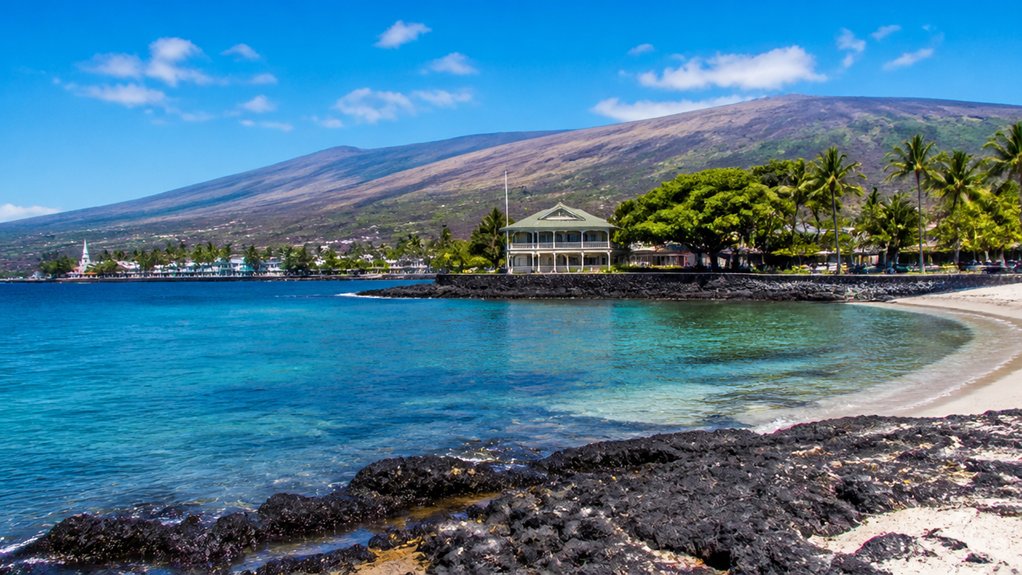
Your ship anchors offshore and tenders you to Kailua Pier, which sits right in the town centre, so once you’re off the tender you’re in town within a few minutes. This convenience comes with a trade-off: the waterfront becomes crowded as soon as multiple vessels are in port, and the narrow shopping streets along Ali’i Drive clog with passengers by mid-morning. The port is small and easy to navigate, putting restaurants, shops and historical sites within immediate walking distance.
The main shopping strip loses its appeal quickly once the crowds arrive, so your choice is either to head there early or skip it altogether and use your time elsewhere. Snorkelling tours, coffee plantation visits and volcanic hikes are popular enough that they regularly reach capacity, which means booking ahead online secures your place and typically costs less than waiting for port availability. Local operators consistently undercut cruise line prices and offer more flexibility with timing and routes. Consider booking tours and activities directly with local operators to maximize your time ashore.
Water activities here actually work. The snorkelling is worthwhile, the surf conditions attract genuine surfers, and the coastline has real character. The practical constraint is your eight-hour window ashore—several worthwhile experiences sit beyond quick taxi distance from the pier, so planning matters more than spontaneity. Front-load your research, reserve your spots in advance, and you’ll spend your day doing something tangible rather than browsing souvenir shops.
Getting From the Port to Town
The tender drops you at the pier in the middle of town, so you can walk into town straight away and there’s no shuttle bus to pay for. Your legs will get you to shops and restaurants faster than waiting in a queue, and you’ll avoid the inflated prices attached to official port services.
For anything beyond the immediate waterfront—a coffee plantation, volcanic viewpoint, or snorkelling spot—a taxi or ride-share app beats joining a tour coach. Taxis line up near the pier exit and give you a straightforward route to outlying attractions without tying you to a group’s schedule. Confirm the fare before you leave rather than facing an argument at your destination.
Independent transport gives you genuine flexibility. You can visit Pu’uhonua o Honaunau, the restored Hawaiian place of refuge, then choose whether to stay longer or move on without watching for a coach departure. If you want to explore Kailua town’s quieter streets away from Ali’i Drive, your own transport means you can actually reach them in the time you have ashore.
The port area itself needs no transport—only shoes and basic navigational sense. The waterfront is compact and adequately signposted. The real constraint is time, so settle on what matters to you before leaving the ship rather than drifting between the same three souvenir shops everyone else is browsing.
The Must-Do Experience: Start Here
Kona’s single genuine advantage over other Hawaiian ports is the coffee. Kona coffee grows nowhere else in the world with quite the same quality, and tasting it fresh at source—not the watered-down version served on your ship—is worth the detour inland.
Skip the tour coaches queuing at the pier. Instead, book an independent coffee plantation visit online before you arrive. The best tours fill quickly with cruise passengers, so securing your spot in advance costs considerably less than the ship’s equivalent and gives you actual time to learn something rather than being herded through a gift shop. You’ll spend your morning in the volcanic soil where these beans actually grow, sample different roasts, and understand why Kona commands its price.
After coffee, head back down to the waterfront and grab lunch somewhere without a cruise-port markup. The neighbourhood restaurants a short walk from Ali’i Drive serve proper local food at reasonable rates. Avoid anywhere with laminated menus facing the street—you’re paying for the view, not the food.
Your afternoon depends on what the morning left you with. If you’ve time and energy, Pu’uhonua o Honaunau—the restored place of refuge—shows you pre-contact Hawaiian life without the crowds you’d find at more famous sites. If coffee and food have done their job, find a shaded spot on the waterfront, buy a cold drink, and watch the boats. You’ve done the port properly.
History Culture and the Top Sights
Kona’s waterfront has systematically erased its past in favour of retail and dining establishments. You’ll walk past shops and restaurants where historical context ought to be, which means finding anything genuinely old requires deliberate searching rather than casual observation.
Pu’uhonua o Honaunau, if you went there yesterday, actually contains more authentic historical material than anything the town centre offers. The reconstructed structures and the physical layout of the refuge make pre-contact Hawaiian life tangible in ways that plaques and interpretation boards simply cannot, and you’ll encounter significantly fewer cruise passengers than at other major sites around the island.
Kaloko-Honokohau National Historical Park preserves fishponds and temple sites that illustrate how Hawaiians actually inhabited this coast, though the presentation remains understated compared to more commercialised attractions. If history interests you more than shopping, an hour there provides genuine value, though you should expect minimal signage or detailed interpretation.
Kailua Pier itself carries authentic historical weight—this is where commerce first took hold, and where this entire coast began its transformation. Standing there watching fishing boats, you’re observing something genuinely old, even though everything around it has moved on entirely.
Your best access to Kona’s cultural story comes through talking to locals rather than reading official materials. Ask your coffee plantation guide about neighbourhood changes over decades, or chat with restaurant staff about their family’s time on the island—these conversations reveal far more than any interpretive plaque could manage, and they ground your visit in the reality that actual people live here.
Beyond the Centre: Day Trips and Alternatives
The ship excursion desk charges a premium for coffee plantation tours, but independent operators offer better rates and smaller groups if you book online beforehand. Tour slots fill during cruise season, so booking ahead secures both a lower price and a better experience than showing up at the port unprepared.
Arranging a tour directly with a local coffee farm costs less than going through the ship and puts your money toward people actually working the land rather than guides cycling through multiple groups each day. You’ll also avoid the cruise passenger markup entirely. The coffee-growing areas sit inland and upslope from the port, so independent transport is necessary either way—booking a small-group tour in advance solves the logistics and cost problem simultaneously.
Vehicle rental gives you control over where you go and how long you stay in each place. You can visit Pu’uhonua o Honaunau at your own pace, stop at roadside fruit stands, and explore neighbourhoods beyond the tourist areas without adhering to a group schedule. Consider purchasing a local eSIM data plan to stay connected while navigating independently without incurring roaming charges. The drive is straightforward and roads are well-maintained, so you’ll see considerably more of actual Kona than any organised itinerary would show you.
The alternative is staying near the waterfront and working within the commercial zone. The restaurants function adequately, the snorkelling access is legitimate, and a morning at the pier won’t waste your time. Accept upfront that you’re trading depth for convenience, and plan the rest of your day accordingly.
Shore Excursion or Going It Alone
Most cruise passengers book the ship’s excursion without realising they’re paying considerably more for a standardised experience designed around the ship’s schedule rather than yours. The real decision isn’t whether to go on a tour—it’s whether you’ll pay the cruise line’s markup or arrange something better yourself beforehand.
Independent tour operators in Kona genuinely offer superior value, particularly for activities requiring transport inland like coffee farm visits or volcano tours. You’ll pay notably less, work with smaller groups, and support local businesses directly instead of feeding commission back to the ship. The catch is that popular operators fill their slots weeks ahead during peak season, so waiting until you arrive at port means disappointment and either paying inflated last-minute rates or going without.
Booking online in advance through established local operators takes minimal effort and solves multiple problems simultaneously—you secure your spot, lock in a budget-friendly rate, and eliminate the pressure to book hastily from the excursion desk while your ship is docked. Most reputable operators offer free cancellation if your plans change, so there’s genuinely no downside to reserving early. Exploring shore excursion options beforehand allows you to compare experiences and read reviews from other travelers who’ve visited Kailua-Kona.
If you’d rather not organise anything beforehand, accept that you’re trading flexibility for simplicity, and the ship’s tour desk becomes your only realistic option. Just go in knowing what that convenience actually costs and what you’re giving up in exchange.
What the Cruise Desk Leaves Out About Kailua-Kona
The cruise line conveniently forgets to mention that Kailua-Kona’s main tourist strip is narrow, congested, and designed to extract maximum money from passengers between breakfast and departure. What they also don’t tell you is that the town’s best experiences happen slightly inland or along the quieter stretches of the coastline, where you’ll encounter fewer fellow cruise passengers and substantially lower prices.
Water conditions matter more here than the excursion desk suggests. Kona’s leeward location means calm seas most days, but winter months occasionally bring rough conditions that cancel snorkelling trips and make small-boat tours genuinely unpleasant. Check conditions the evening before and remain willing to pivot your plans accordingly rather than insisting on a booking that’s become unsuitable.
The coffee farms worth visiting are not the roadside tourist versions that have perfected the art of separating you from your money. Independent tour operators running small-group farm visits give you actual insight into cultivation and processing, and you’ll pay considerably less whilst supporting families who’ve worked these slopes for generations. Book these well ahead—the reputable operators fill their morning slots quickly during cruise season, and last-minute availability disappears entirely during peak weeks.
Parking near the harbour charges more than you’d expect, and the walk from cheaper outlying lots eats into your limited time ashore. If you’re going independent, factor in either the parking cost or the shuttle service rather than discovering it once you’ve stepped onto the dock and your options have narrowed.
Your Port Day: A Sample Itinerary
Most cruise passengers spend their first hour ashore in the queue for overpriced coffee and breakfast they could have eaten on the ship. Walk a few minutes along the waterfront into Kailua Village instead, where local cafés sell proper coffee and pastries at prices that don’t include the cruise-port markup.
Go inland and visit one of the independent Kona coffee farm tours, booking well ahead online since the decent operators fill their morning slots quickly during cruise season. Small-group visits at these farms beat the roadside tourist operations—you’ll see how the coffee actually grows, taste better coffee than what’s sold at port, spend less money, and support families who’ve been working these slopes for decades.
By midday return toward the coast but skip the main tourist strip entirely. The quieter northern beaches have calmer water and decent snorkelling without crowds, and if you’ve booked an independent snorkelling tour in advance, your group will have left early enough to catch good conditions and get you back to the harbour before departure.
Spend your final hours around the Kona Inn neighbourhood or walking the less obvious sections of Ali’i Drive, where you’ll find local shops and restaurants without inflated prices. Get lunch somewhere away from the main commercial area, return to the ship with time to spare, and ignore whatever last-minute souvenir panic the pier area has designed to pull from your wallet.
Book your Kailua-Kona day
Tours for this port, compare before you book
Getting around in port
✈️ Before you sail: eSIM, insurance, luggage, flight delays
Ships In Kailua-Kona
Upcoming calls from our sailings tracker, updated regularly.
Grand Princess
Princess CruisesMon 12 Oct
⚓ 07:00–17:00
ms Koningsdam
Holland AmericaTue 13 Oct
⚓ 08:00–17:00
Pride of America
Norwegian Cruise LineWed 14 Oct
⚓ 07:00–17:30
ms Noordam
Holland AmericaTue 20 Oct
⚓ 08:00–17:00
Pride of America
Norwegian Cruise LineWed 21 Oct
⚓ 07:00–17:30
ms Zaandam
Holland AmericaSun 25 Oct
⚓ 08:00–20:00