Runavik Cruise Port Guide
Navigate the Faroe Islands like a savvy cruiser—but did you know the real secret?
In this guide
Try one free personalised day plan — built around your ship’s actual arrival and departure times. Then get every port on your cruise done the same way from £7.99 (about $10).
Cruise Port Overview: What to Expect
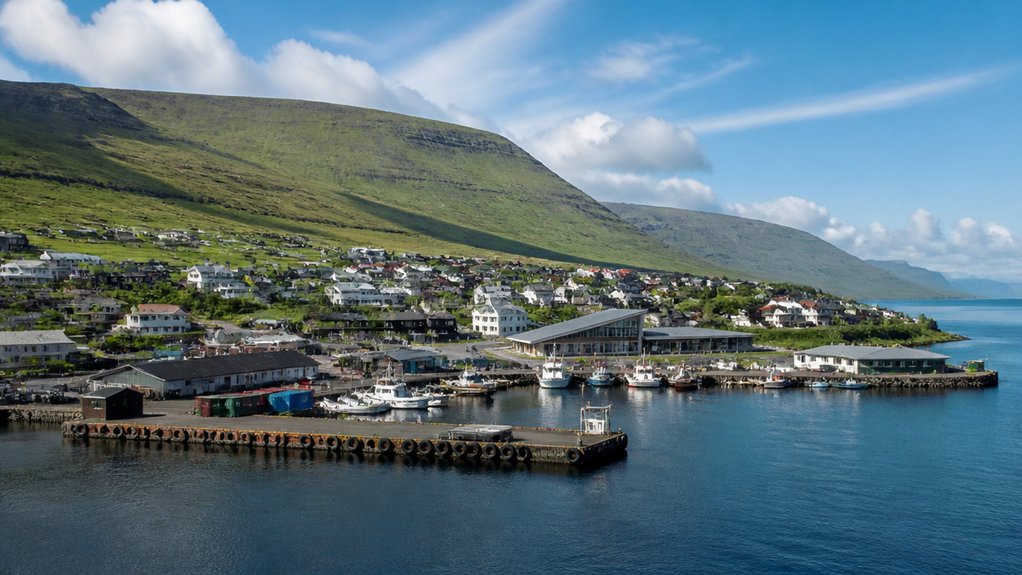
Runavik operates on a different scale than the ports you’re used to. Fewer passengers means no dawn queues, but also fewer shops and services clustered around the terminal building itself. The terminal is purely functional: a modern structure with a café that overcharges, a basic gift shop, and little else to occupy your time if you decide to stay put.
Walking into Runavik town takes minimal effort and rewards the walk significantly. You’ll find better food options, more reasonable prices, and an actual sense of where you are rather than a fabricated port experience. Most people who spend their entire port day inside the terminal leave feeling shortchanged, which tells you something important about what’s worth your time.
The port exists as a working fishing community, not as infrastructure built for cruise ships. Local buses run from the port regularly and cost far less than the ship’s organised excursions, plus you’ll travel with local people rather than other cruise passengers. Consider booking guided excursions in advance for hiking, birdwatching, or visiting villages beyond the main town, as the better operators fill up quickly and charge considerably less than what the ship will quote you.
Your satisfaction here depends entirely on whether you leave the port area. Stay within the terminal perimeter and you’ll feel bored. Move into town or commit to a proper excursion, and the Faroes become genuinely worthwhile.
Getting From the Port to Town
The walk from Runavik port into town takes longer than the ship’s shuttle but costs nothing and gets you away from the crowds queuing for expensive food at the terminal. Head left from the terminal building along the main road and the town centre will appear ahead of you. Most cruise passengers skip this walk entirely, which means you’ll have space to move around without being herded through a predetermined route.
Local buses run from near the town centre to surrounding villages and hiking trailheads throughout your port day. The drivers treat you as a person rather than a revenue opportunity, and you’ll travel alongside locals instead of being grouped with other tourists. A single journey costs very little compared to what port taxis will charge you.
Plan your activities before the ship docks if you want access to the experiences worth having. Birdwatching expeditions, village walks, and waterfall hikes fill quickly during busy seasons and operate on fixed schedules that don’t accommodate last-minute decisions. Booking directly with local tour operators online in advance costs significantly less than the ship’s excursion desk and puts you in smaller groups with guides who know the landscape rather than reading prepared commentary, but this only works if you decide what matters to you before you arrive at port. Consider purchasing a local eSIM data plan before your visit to stay connected while navigating independently and researching tours without expensive roaming charges.
The Must-Do Experience: Start Here
The Faroes work best when you’re walking through them rather than watching from a bus window, and the landscape around Runavik requires actual engagement with what’s in front of you. Most cruise passengers stay within the terminal zone, which leaves the valleys, basalt cliffs, and sheep-covered hills genuinely quiet once you move past the marked routes.
Walk into town first, then take a local bus to hiking trailheads that radiate from the main settlements. The walks vary from easy loops around villages to serious mountain routes with real elevation, so pick based on your fitness level and available daylight.
A short walk through Eiði or Funningur followed by lunch at a local café costs far less than port dining and puts you in conversation with someone who actually lives there instead of someone managing cruise traffic. Independent birdwatching tours and guided waterfall walks run throughout the season and book quickly when ships are in port. Booking directly with local operators online before you arrive costs considerably less than the ship’s excursion desk and gets you into a small group with a guide who knows the area rather than one running through a standard script.
The real appeal of Runavik is the emptiness and raw landscape itself, not constructed attractions. Three hours spent walking properly will give you more than a day spent collecting photos at five organised viewpoints.
History Culture and the Top Sights
The Faroes lack the conventional historical infrastructure you’d find elsewhere—no grand museums or heritage sites designed for tourists. Instead, the islands’ history emerges from how settlements are arranged, which tells you far more about survival in harsh conditions than any curated display could. Understanding the place requires looking at how people actually live rather than where markers have been placed.
Eiði sits at the northern tip of Eysturoy and justifies a visit for its fishing heritage and the small museum that documents how communities managed in this environment. You’ll spend a reasonable amount of time there and leave having learned something substantive rather than having accumulated photographs. The churches in most settlements are straightforward and unadorned—they function as active places of worship rather than heritage attractions, so enter only during appropriate hours and approach them with respect.
The genuine history sits in the landscape itself. Turf-roofed houses, stone walls dividing sheep pastures, and the specific way each village occupies its valley reveal how people adapted to wind, weather, and geographical isolation. Walking through Funningur or Saksun shows you actual settlement patterns rather than anything reconstructed for visitors.
Most of the small museums warrant skipping unless bad weather traps you indoors. Your energy is better directed toward walking through the actual environment people inhabit here. The Faroes communicate themselves through observation and movement rather than through exhibitions, and a local guide who can explain the reasoning behind village positioning will teach you more than any indoor display.
Beyond the Centre: Day Trips and Alternatives
The Faroes don’t work well with a six-hour port call unless you’re strategic about it. Ship excursions typically herd you onto a coach with dozens of other passengers and cycle through the same three viewpoints, which means you’ll spend most of your time queuing rather than actually looking at anything. Booking an independent guide beforehand costs less and lets you stay longer where things genuinely interest you.
If you’re travelling independently, arrange transport straight from the port before the crowds arrive. A local guide who understands the weather patterns and knows which settlements are worth your time will turn a rushed afternoon into something that actually makes sense. The best guides book up weeks before cruise season peaks, so securing someone who can work around your ship’s schedule rather than the reverse gives you a real advantage.
Hiring a car and driving yourself works if you’re comfortable on mountain roads in shifting weather. This approach gives you complete control over where you stop and how long you spend there, though it demands you stay on top of weather forecasts and road conditions. Either option—independent guide or self-drive—beats the standardised ship excursion because you’re responding to what the islands actually offer rather than fitting yourself into a fixed itinerary.
Shore Excursion or Going It Alone
The ship excursion desk will quote you a price that seems fair until you realise you’re paying for a coach seat, a guide reading from a script, and the experience of standing pressed against forty other people at each stop. The actual question isn’t whether to book their tour—it’s whether you want to experience the Faroes or simply say you’ve been there.
Going independent keeps your money and your schedule under your control. Booking a local guide online before your cruise costs considerably less than the ship’s rate, and that person actually lives here rather than working from a briefing document. The trade-off is that you handle the logistics yourself, which means planning transport and confirming times in advance, though this effort buys you the flexibility no coach can provide.
Self-guided exploration works if you’re prepared for roads that range from straightforward to genuinely difficult depending on the weather and season. You move at your own pace, stop whenever something interests you, and skip the tourist queues entirely. The risk is that unfamiliar terrain combined with limited time can make driving feel stressful rather than relaxing—something to weigh honestly before you decide to do this.
Book an independent guide online well before your cruise arrives. The good ones book up quickly during peak season, and choosing someone who knows your ship’s schedule rather than working around it transforms an afternoon from rushed to actually worthwhile.
Runavik: Practical Details Worth Reading Twice
Weather in the Faroes shifts unpredictably, which means an excursion you booked months in advance could become genuinely unsafe by the time you arrive. The cruise line will offer a refund or alternative activity, but both consume hours you can’t afford to lose. Independent guides build actual flexibility into their plans and decide routes based on that morning’s conditions rather than following a schedule locked in long before you set foot on the islands.
Mobile signal works adequately in Runavik and the main villages but vanishes once you move inland or head toward the cliffs. Download offline maps before leaving the ship and inform someone on board where you’re headed and when you’ll return. Most cruise passengers skip this step, yet it becomes critical the moment weather deteriorates or your hired car fails.
The petrol station near the harbour charges considerably more than filling up elsewhere on the islands. When hiring a car, clarify whether it arrives full and whether you must return it empty or full, as this detail significantly affects your final bill. Get this agreement in writing before signing anything.
Ferry schedules between islands run infrequently, particularly outside summer, so check timings before committing to any plan involving island-hopping. Missing a ferry doesn’t merely delay you—it eliminates your plans entirely.
Your Port Day: A Sample Itinerary
Most cruise passengers squander their first hour at the port simply waiting to see what happens, when a single choice made before leaving the ship actually structures the entire day into something workable.
Rent a car straight away rather than sitting at the port café—the decent vehicles go within the first couple of hours, and you’ll be stuck with something marginal that struggles in the weather you’ll encounter. Drive north toward Saksun immediately, where the black sand beach and turf-roofed houses are worth the drive on your own terms without paying extra for someone else leading you around. Buy coffee and packed lunch from a shop in Runavik first, since the café near the harbour charges significantly more than anywhere else.
By afternoon, work toward the cliffs at Vestmanna or position yourself for a boat tour along the sea caves if the weather cooperates—these tours fill up fast when ships arrive, so arrange an independent operator weeks before your port day rather than relying on the ship’s desk. The drive itself gives you moorland views that no photograph will quite capture, and stopping where you actually want to stop matters infinitely more than keeping to someone else’s timetable. The moorland changes constantly depending on light and season, so what you see is genuinely particular to that day.
Head back with genuine time to spare for weather delays or any vehicle issues that crop up. Fill the petrol tank before returning the car and get the fuel arrangement confirmed in writing beforehand so no confusion arises later. Consider booking professional drivers in advance if you prefer a guided experience that removes the logistics of navigation and vehicle rental. Avoid chasing one more viewpoint when the weather is clearly deteriorating, because you’ll return having actually looked at the Faroes rather than simply ticked off a location.
Book your Runavik day
Tours for this port, compare before you book
Getting around in port
✈️ Before you sail: eSIM, insurance, luggage, flight delays
Ships In Runavik
Upcoming calls from our sailings tracker, updated regularly.
ms Zuiderdam
Holland AmericaWed 2 Jun
⚓ 07:00–16:00
Ambition
MSC CruisesTue 15 Jun
⚓ 09:00–19:00
Ambience
Ambassador Cruise LineWed 16 Jun
⚓ 08:00–17:00
ms Zuiderdam
Holland AmericaWed 14 Jul
⚓ 07:00–16:00
Fred Olsen Borealis
Fred OlsenTue 17 Aug
Ambition
MSC CruisesWed 18 Aug
⚓ 07:00–17:00