Kos Cruise Port Guide
Learn insider secrets to maximize your Kos cruise stop while avoiding tourist traps and saving money on excursions.
In this guide
Try one free personalised day plan — built around your ship’s actual arrival and departure times. Then get every port on your cruise done the same way from £7.99 (about $10).
Cruise Port Overview: What To Expect
Kos harbour is compact enough that stepping onto the quay puts you in the old town within walking distance, but this same convenience means thousands of other cruise passengers will have identical plans. The port setup is basic and cramped, with the waterfront becoming congested whenever multiple ships dock simultaneously.
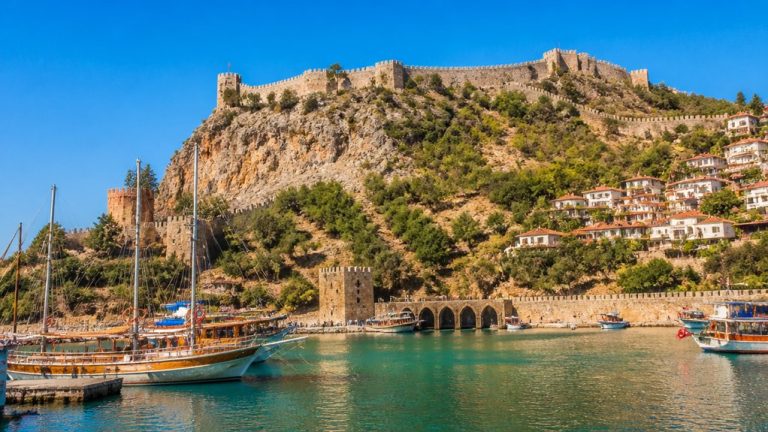
Your ship will berth in the main harbour, a short walk from the medieval Old Town and its Castle of the Knights. The town centre doesn’t stretch far, so you won’t lose hours navigating labyrinthine streets to reach worthwhile sights. The challenge lies entirely in dealing with crowds, which peak mid-morning through early afternoon when organised tour groups descend on the same narrow attractions.
Waterfront restaurants and cafés charge accordingly for their captive audience—walk inland two or three streets and you’ll encounter better value, though most establishments still cater to tourists rather than locals. Finding authentic dining requires deliberate effort to move away from obvious tourist zones. The local character exists but demands active searching rather than appearing by default.
Most cruise passengers approach Kos as a half-day compromise between beaches and history, which works reasonably well if you’re honest about time constraints and book independent excursions in advance. Popular tours covering thermal springs, archaeological sites, or full-island circuits fill rapidly with cruise passengers, and booking guided tours online before arrival typically costs less than negotiating rates on the quay. Plan your route early, decide your priorities, and you’ll have a solid port day.
Getting From the Port To Town
The walk from ship to town centre takes only a few minutes, and you’ll be doing it alongside several thousand other passengers funnelling through the same route. Ignore the taxi touts—they’re counting on your confusion and time pressure to separate you from your money.
The harbour is walkable if you’re willing to navigate it. Head inland from your ship and you’ll end up drifting toward the Old Town’s narrow streets naturally enough. The town is small enough that getting lost just means you’ll wander past things worth seeing anyway. If your legs are already tired from the ship, stay on the flatter ground near the waterfront; the Castle of the Knights stands right at the harbour, so reaching it needs no climb.
If you want to reach anywhere beyond walking—the thermal springs, the Asclepieion archaeological site, or the beaches on the far side of the island—book an independent tour before you arrive. Consider booking guided excursions at ports worldwide to ensure you have experienced tour operators managing your itinerary. Organising things with guides on the quay costs more and leaves you standing around waiting for transport to materialise. Popular full-day circuits sell out quickly with cruise passengers, so advance booking secures your place and typically undercuts what you’d negotiate on the spot. The waterfront has car rental agencies, but driving unfamiliar roads whilst watching the clock is unnecessary friction; group tours handle that problem entirely.
The Must-Do Experience: Start Here
Kos works best if you abandon cruise-passenger thinking and treat your time here as something to actually use. The Asclepieion sits on a hillside outside town and warrants the trip, but you need to book a guided tour beforehand rather than hoping to find one at the harbour. Going with a guide means you’ll understand what you’re looking at instead of wandering confused past ruins.
The site gets far fewer crowds than the Old Town, and independent tour operators charge significantly less than what ships offer for the same thing. Ship excursions often pad their itineraries with pointless stops, so search for small-group tours that leave directly from the harbour and book them before you arrive. Spots fill quickly during cruise season, and advance booking guarantees you a place.
Head straight to the Old Town’s harbour-side cafés first thing rather than eating near the ship. The places a street back from the water serve locals and cost less than the waterfront options. You could spend midday either on your pre-booked Asclepieion tour or exploring the Castle of the Knights and the surrounding streets where you won’t get shoved around by groups.
Your afternoon splits two ways: return to the ship early enough to avoid the final queues, or gamble on losing track of time and facing long lines at the gate. The first option requires nothing more than basic time awareness. Either way, planning before you leave the ship means you won’t end up stressed or rushed.
History Culture and the Top Sights
Kos treats its ancient Greek past as background rather than spectacle, so most historical sites lack the infrastructure that turns archaeology into theatre. The Asclepieion, a sanctuary dedicated to the god of medicine, is genuinely significant to the island’s history, though the Castle of the Knights and Roman fragments scattered through the Old Town‘s streets offer equally solid reasons to spend your time there. What matters is that you can actually stand and look at these places without navigating around tour groups.
The Archaeological Museum occupies a spot near the harbour and contains competent mosaics and sculpture that most cruise passengers miss entirely because it’s poorly marked. Thirty minutes inside gives you a clearer picture of what people actually left behind than you’ll find in many supposedly major collections. The artefacts are arranged sensibly rather than theatrically, which appeals to anyone tired of dramatic lighting and minimal information.
The Castle of the Knights was built in the fifteenth century and provides practical views across the harbour without requiring you to book anything or follow a guide. Cross the stone bridge from the Old Town, pay at the gate, and move through at your own pace—you’ll encounter substantially fewer people than the cruise line’s organized tour attracts. The route itself matters as much as the destination, winding through streets where locals actually shop and eat rather than streets designed for tourists.
Byzantine churches dot the town centre and warrant a brief look if you pass them, though they’re straightforward rather than architecturally remarkable. None of these sites requires advance booking, which means a self-directed cultural morning stays both feasible and cheaper than anything the cruise operator arranges.
Beyond the Centre: Day Trips and Alternatives
Kos rewards exploring beyond the harbour far more than most cruise ports, yet the island’s bus system appears deliberately constructed to prevent exactly that. Rental scooters and bicycles cluster near the waterfront and provide genuine freedom without the commitment of booking a ship tour, though only if you’re willing to navigate Greek roads and work through unclear signage.
Antimacheia is an inland village containing nothing famous—no archaeological site, no established taverna with a known reputation. It functions as an ordinary working village where lunch costs less than anywhere near the cruise terminal, and you’ll eat among locals instead of other passengers. The drive there cuts through agricultural land that most tourists never encounter, which alone makes it worth the effort.
Independent local guides run half-day excursions to quieter beaches and traditional villages at costs well below what cruise operators charge. These trips book ahead during busy periods, so arranging several days in advance online prevents the disappointment of sold-out options at breakfast time. Smaller groups behave differently in a place than larger ones do, and your guide profits directly from your presence rather than through a corporate layer, which affects how much attention you actually receive.
Splitting a taxi with passengers you’ve met aboard costs little and offers flexibility that tour schedules don’t. The driver knows routes the coach buses ignore, and you’ll stop at places you want to see instead of places the itinerary demands.
Shore Excursion or Going It Alone
The ship excursion desk charges roughly triple what independent operators ask for the same half-day trip to the Castle of Antimacheia or Tigaki’s beaches. Cruise lines take their margin, and you’re essentially paying for the convenience of not having to think—which carries real value when you’re only ashore for five hours and want everything sorted. The ship tour’s genuine advantage is logistics: you board at a fixed time, someone else handles navigation, and you’re back before the gangway closes.
If logistics matter more to you than cost, the premium is justifiable. If you’re willing to organise yourself, the savings are real and the experience tends to be better.
Book an independent local guide through an online platform several days before arrival. These operators fill quickly during cruise season, and advance booking costs less than arranging something at the port. You’ll travel in a smaller group, stop where you actually want to stop, and eat at places locals use rather than restaurants with standing agreements with tour companies.
The trade-off is straightforward: going it alone means spending your first half-hour sorting transport and working out where to go, whereas the ship eliminates that entirely. What you gain is flexibility, better value, and freedom from crowds of other passengers all photographing the same locations simultaneously. For Kos specifically, where the worthwhile experiences sit outside the standard tour route, independent travel delivers more in return—provided you arrange it ahead of time and don’t waste your limited hours negotiating transport at the harbour.
Local Knowledge Worth Having Before You Dock
The waterfront restaurants operate on tourist pricing, with coffee costing roughly double what locals pay in the streets behind. The harbour strip concentrates crowds and maximises margins by design, catering to passengers with limited time and money to spend. Everything worth your attention actually sits two blocks inland, away from this deliberate setup.
You can walk away from the port in under ten minutes and reach neighbourhoods where ordinary people live and eat. The backstreets contain proper tavernas, bakeries, and small shops that serve residents rather than passing trade. The food costs considerably less and tastes substantially better than anything the waterfront offers.
Book any cultural tours through independent local operators before you arrive, not through the cruise desk. The desk quotes premium prices for coach-loads of other passengers and rushed commentary, whereas independent guides work at a slower pace, answer your questions properly, and charge a fraction of the cost. Popular guides fill their slots quickly during cruise season, so booking online several days ahead matters if you want decent availability.
Hiring a taxi for a half-day exploration often costs less than you’d expect and gives you complete control over stops and duration. Drivers quote set rates upfront—establish this before getting in—and you’re free to deviate from their suggested route. This approach works especially well for pairs or small groups, since the per-person cost becomes genuinely competitive against organised tours.
Your Port Day: A Sample Itinerary
Most cruise passengers waste their first hour wandering the waterfront in circles, so head inland immediately instead. Walk straight away from the port into the backstreets and grab breakfast at a proper bakery—the pastries cost a fraction of the price you’d pay on the harbour strip, and the coffee actually tastes like something.
By mid-morning, you’ll want some structure. Book an independent walking tour of the old town in advance—the medieval castle and ancient ruins merit proper attention, not the rushed commentary you’d get from a ship excursion. Local guides fill their slots quickly during cruise season, so securing a place online before you arrive matters considerably.
Local operators charge considerably less than the cruise desk whilst moving at a pace that lets you ask questions and linger where things interest you. For lunch, stay inland and eat where residents do. A taverna a few blocks back serves excellent seafood and mezze at reasonable prices, and you’ll actually sit alongside locals rather than other cruise passengers.
Spend your afternoon either exploring the neighbourhood on foot—the quieter squares and residential streets reveal far more about how Kos actually functions—or hire a taxi for a half-day trip to the Asklepion or thermal springs, depending on what appeals to you. Set your taxi rate upfront and you’ll find the cost remarkably competitive against organised tours, particularly if you’re travelling with a friend.
Aim to be back at the port before all-aboard. You’ll have seen the real Kos, eaten well, and spent considerably less than passengers who never left the waterfront.
Book your Kos day
Tours for this port, compare before you book
Getting around in port
✈️ Before you sail: eSIM, insurance, luggage, flight delays
Ships In Kos
Upcoming calls from our sailings tracker, updated regularly.
ms Oosterdam
Holland AmericaWed 21 Oct
⚓ 08:00–18:00
Fred Olsen Balmoral
Fred OlsenThu 5 Nov
Costa Pacifica
Costa CruisesThu 8 Jul
⚓ 07:00–17:00
Costa Pacifica
Costa CruisesThu 22 Jul
⚓ 07:00–17:00
Costa Pacifica
Costa CruisesThu 2 Sep
⚓ 07:00–17:00
ms Oosterdam
Holland AmericaMon 27 Sep
⚓ 08:00–17:00