Bordeaux Cruise Port Guide
Learn how to escape crowded Bordeaux cruise tours and discover authentic wine, architecture, and local cafés like few tourists ever do.
In this guide
Try one free personalised day plan — built around your ship’s actual arrival and departure times. Then get every port on your cruise done the same way from £7.99 (about $10).
Cruise Port Overview: What To Expect
Smaller ships berth right in the city centre on the Garonne’s left bank, along the quays near Place de la Bourse and the Chartrons district, so you can walk straight off the ship into town. Larger ships use Le Verdon at the mouth of the estuary, roughly 100 km away and up to two hours by road, and this geography will determine how you organise your time ashore. Accepting this upfront makes the day considerably easier.
From the city berths the walk to the centre is short, or you can use the local tram service that runs along the quays to the main squares. Taxis operate outside the terminal but represent poor value for such a short journey when public transport is efficient and cheaper. Both options get you into the centre without fuss. Consider booking guided excursions at the port to maximize your time exploring the city’s highlights with expert commentary.
Bordeaux becomes genuinely walkable once you’re in the centre. The layout is straightforward, hills are minimal, and the streets lead you into actual residential neighbourhoods rather than zones designed purely for tourist consumption. The major attractions draw crowds, but this disperses quickly as soon as you move away from the obvious focal points.
The significant difference between Bordeaux and other cruise ports is the absence of artificial curation. French locals vastly outnumber cruise passengers, restaurant prices in side streets remain reasonable, and you can spend your day in a functioning city rather than a staged version. Manage your expectations about the journey in if you berth at Le Verdon, and Bordeaux rewards that pragmatism.
Getting From the Port To Town
If your ship berths in the city, a tram stop is close to the quays, so you don’t waste energy looking for a ride or standing in a queue with other passengers. The regular service runs along the river towards Place de la Bourse and the city centre, costing significantly less than a taxi if you’re travelling as a pair. From Le Verdon, allow for a long coach or shuttle transfer each way.
Walking works if you’re fit enough and travelling light. The riverside quays make an easy, level walk into the centre, with a clear view of the Garonne and the skyline. You’ll walk alongside locals commuting rather than tour groups, which gives you a sense of how the city actually operates.
The street network is straightforward once you’re ashore. The city spreads outward from the water in a sensible grid, so you can navigate without your phone if needed. Rue Sainte-Catherine runs through the heart of the shopping district from Place de la Comédie to Place de la Victoire, and the main squares and museums sit within easy walking distance of each other.
The ship’s tour packages cost more and lock you into their schedule, which often includes stops designed to push you toward shops. Independent guides and small-group tours give you better value and let you choose what you actually want to see. Book tours online before you sail rather than through the cruise line, and you’ll pay less and guarantee yourself a place.
The Must-Do Experience: Start Here
Bordeaux’s waterfront is where locals actually spend their time, not where the postcards aim their cameras. Start at the Quai de la Monnaie on the Garonne’s left bank, where you get actual space to move without being funnelled behind cruise groups in single file.
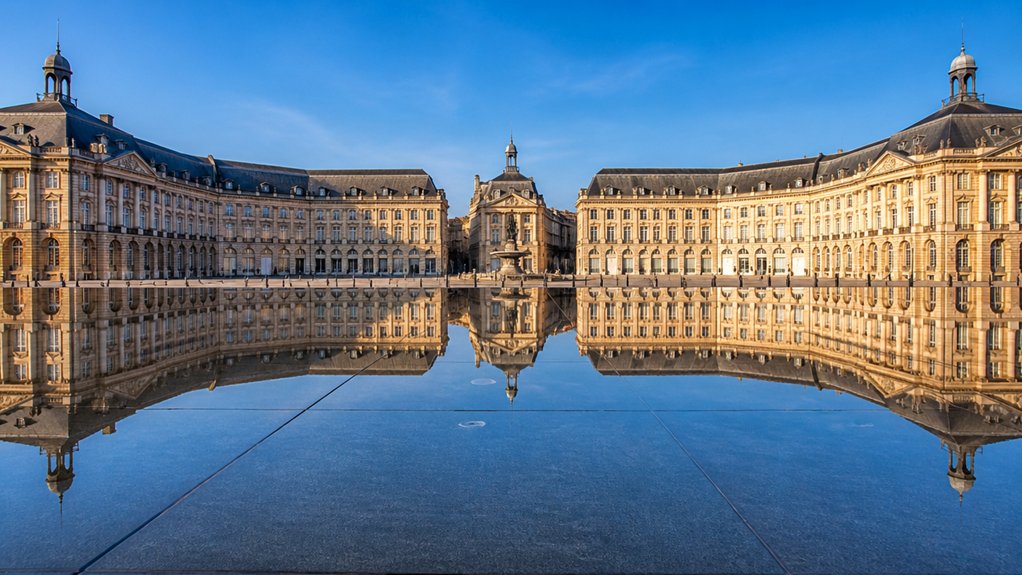
Walk toward the Miroir d’Eau, a shallow reflecting pool that works as a functional piece of urban design rather than a themed attraction. People circulate naturally rather than forming bottlenecks, and you’ll see residents drinking coffee, children playing, couples having conversations. This is where you understand how the city actually operates without buying a ticket or joining an organized group.
Sit here for a while and grab coffee or food from a café facing the water, not one of the tourist restaurants near the bridge. The bill stays reasonable unless you order expensive drinks, and the view itself costs nothing.
If you want context about what you’re looking at—the eighteenth-century buildings, why the river mattered economically, what’s shifted over time—book a guided tour with a local independent guide before you arrive. These tours fill up through cruise passengers booking ahead, so secure your spot online rather than waiting. You’ll pay less than the ship’s package and actually learn something instead of being directed toward shops.
History Culture and the Top Sights
Bordeaux’s museums operate as serious institutions with serious queues, particularly the Musée d’Aquitaine, which sits near the waterfront and attracts cruise passengers in concentrated waves. The collection justifies the visit—Roman artefacts, medieval manuscripts, the city’s slave-trading history presented without euphemism—but you’ll spend half your time waiting rather than looking if you arrive after midday. Book a timed-entry slot online before you dock; this guarantees entry within a specific window, which matters when your time ashore is finite.
The Cathedral of Saint-André requires less patience and rewards closer attention. The exterior Gothic work is austere rather than ornate, and the interior functions as an active church rather than a museum piece. Climb the bell tower if your knees permit, as you’ll understand Bordeaux’s geography and its relationship to the river in ways no map can convey.
The eighteenth-century streets between the cathedral and the river contain the city’s architectural substance without the crowds. Place de la Bourse, the Parliament building, the Theatre—these sites are photographed repeatedly from the same three angles, which means most people never notice the actual stonework and urban planning. You need perhaps ninety minutes, decent shoes, and no particular schedule.
Independent local guides offer walking tours that cover the same ground as cruise-line tours but with considerably less marketing language and considerably more actual history. Skip the packaged “historic centre” options entirely.
Beyond the Centre: Day Trips and Alternatives
Most cruise passengers stay at the riverfront, so the wine country and countryside beyond remain relatively undisturbed. Bordeaux produces world-class wines, but visiting a château doesn’t require joining a tourist group or paying premium rates at a branded estate. Independent operators collect small groups directly from the port and spend the day at working vineyards rather than famous châteaux, which means better wines, better food, and no queuing.
The Médoc region is accessible if you book a tour ahead of time—popular operators fill during cruise season, and booking early guarantees your spot rather than leaving you hoping for cancellations. You’ll taste wines from producers who focus on quality, eat a proper lunch instead of catering trays, and return to your ship satisfied rather than worn out from standing in heritage site queues.
If wine isn’t your interest, the Atlantic coast near Arcachon has oyster farms, pine forests, and none of the cruise-port feeling. Renting a car independently costs less than a ship excursion and lets you stop wherever you want—an actual working oyster farm, a local market, a quiet stretch of beach. Either approach requires booking several days ahead, but that planning effort matters when your port time is limited and the alternative is spending half your day queued behind two hundred other passengers inside a museum.
Shore Excursion or Going It Alone
Shore excursion desks price their tours on the assumption that you’ve never arranged anything yourself. Their wine tours typically cost double what you’d pay booking directly with local operators, and you’ll spend your morning queuing while forty other passengers shuffle onto a coach that departs late, whereas an independent operator leaves on time with eight people and conversation that doesn’t revolve around the gift shop.
Going alone means accepting genuine risk. You’re responsible for reaching the ship by departure time, and if your transport delays, the cruise line won’t wait or compensate you. What you gain instead is freedom from itineraries designed to offend nobody and bore everyone—the type that shows you the tourist wine bar rather than where locals actually drink.
Book small-group tours with independent operators weeks before sailing if wine country interests you. The reliable ones fill during cruise season, and booking from the port guarantees you’ll end up on a coach with thirty others or disappointed entirely. You’ll pay less than the ship’s price, taste better wines, and eat an actual meal instead of something wrapped in plastic.
If you’d rather explore solo, hire a taxi from the rank outside your terminal. The daily rate undercuts ship packages substantially, and you control where you stop and how long you stay. Forty-five minutes at a working vineyard beats the usual fifteen, and skipping the château to eat where the locals eat is entirely your choice.
Bordeaux: The Details Nobody Mentions at the Port Talk
Cruise Port Overview: What To Expect
If your ship uses Le Verdon, the terminal sits roughly 100 km from the city, and any free shuttle bus or coach transfer to Bordeaux takes up to two hours each way. Your first real choice—whether to queue for that bus, pay for a taxi or stay closer to the estuary—determines whether you spend your morning on the road or on something worthwhile. Ships berthing in the city centre spare you this entirely.
The Must-Do Experience: Start Here
Bordeaux’s centre proves more walkable than most cruise passengers anticipate, though the actual riverfront offers less than you’d hope. The quays have been converted into upmarket restaurants and luxury shops, which means the better food and more authentic atmosphere exist three streets back where people who live here actually spend their money. The cathedral and old town warrant your attention for an hour or so, but your time yields better returns if you head out to the wine regions instead of lingering over postcards and trinkets.
History Culture and the Top Sights
The famous châteaux pull in coach parties throughout the day and stick to inflexible tour schedules that funnel you past the gift shop whether you want to go or not. The Right Bank producers operate differently—they accept visitors without fuss and possess both the time and inclination to discuss their wine properly. You’ll learn more and feel less rushed if you seek out these smaller operations where the owner might actually pour your glass.
Beyond the Centre: Day Trips and Alternatives
Book your transport before you arrive at the port if you can manage it. Independent operators running private drivers or small-group wine tours charge substantially less than anything the cruise line sells and won’t lock you into a shop visit during your tasting allocation. The reputable operators fill their schedules weeks ahead, so booking from your cabin gives you both better rates and actual availability rather than accepting whatever remains at the terminal desk.
Your Port Day: A Sample Itinerary
The cathedral will have queues stretching out the door, mostly school groups moving through in lockstep, so skip it. Instead, get yourself onto transport heading away from the city centre within your first hour off the ship.
Head straight from the terminal and phone ahead to independent wine tour operators rather than queuing at the cruise desk. The decent companies working the Right Bank vineyards book up weeks in advance, so if you’ve already arranged something from your cabin you’re simply meeting your driver. If you haven’t, ringing from the terminal will likely find you a spot, though you may not get your preferred timing.
Spend your morning at one or two Right Bank producers where the owners actually have time to show you around their vineyards and cellars without rushing you towards the till. These aren’t the names you recognise, which is exactly why they’re willing to talk properly to visitors. Your driver handles the road while you actually learn how the wine gets made.
By midday work your way back towards town and eat lunch in the streets behind the waterfront, where the menus aren’t laminated in six languages and the prices don’t assume you’re loaded. The food is better and costs considerably less than anything near the riverside restaurants.
With your remaining time either walk the old town if you’ve got energy left, or simply sit outside a café and let the afternoon pass with a glass of whatever caught your attention at the vineyard. You’ve already experienced the actual place rather than the version put on for cruise passengers.
Book your Bordeaux day
Tours for this port, compare before you book
Getting around in port
✈️ Before you sail: eSIM, insurance, luggage, flight delays
Ships In Bordeaux
Upcoming calls from our sailings tracker, updated regularly.
Fred Olsen Bolette
Fred OlsenMon 12 Oct
Ambition
Ambassador Cruise LineMon 17 May
⚓ 06:30–19:00
Fred Olsen Balmoral
Fred OlsenTue 22 Jun
Fred Olsen Balmoral
Fred OlsenWed 21 Jul
Ambition
Ambassador Cruise LineTue 14 Sep
⚓ 08:00–20:00
Fred Olsen Balmoral
Fred OlsenWed 15 Sep