Waterford Cruise Port Guide
Navigate Waterford’s medieval streets like a local—but here’s what cruise lines don’t want you to know.
In this guide
Try one free personalised day plan — built around your ship’s actual arrival and departure times. Then get every port on your cruise done the same way from £7.99 (about $10).
Cruise Port Overview: What To Expect
Most ships berth at Belview port downriver, with a shuttle into the city, while larger ships anchor off Dunmore East and tender passengers ashore; only small ships tie up on the river close enough to walk in. Whichever way you arrive, allow for the shuttle-bus problem of queues at both ends, and expect crowded medieval streets once ships arrive. Everything worth seeing is close enough to reach on foot, though the narrow lanes and cobblestones weren’t built for thousands of people moving together. Belview is a working industrial port, so there is nothing at the berth that warrants spending time there.
The actual Waterford lies beyond the Quay towards The Mall, where shops and restaurants serve local people rather than existing purely to sell to cruise passengers. Weather demands serious planning because this is Ireland’s southeast, and rain arrives regardless of what the forecast claims. Bring proper waterproof clothing rather than betting on predictions, though enough indoor options exist that bad weather won’t trap you.
You’ll find actual space away from the main tourist corridor if you walk inland by mid-morning. The Medieval Museum and Cathedral Quarter have fewer queues if you arrive early rather than joining the crowds at obvious starting points. A clear morning makes the difference between a constrained port experience and one where you can actually explore at a reasonable pace.
Getting From the Port To Town
Once the shuttle drops you in the city, the walk into town is slower than the distance suggests because cobblestones are uneven and the narrow streets force everyone in the same direction at peak times. You can manage it on foot, though you’ll move faster if you avoid the crowds altogether. The alternative is to skip the taxi rank queue entirely and head inland from the Quay towards The Mall instead.
Walking against the flow of other passengers gives you space to move and gets you away from the tourist-marked cafés and shops that charge inflated prices. You’ll reach actual neighbourhood businesses where locals eat and shop, which operate without the cruise markup. This route also means you’re not competing with hundreds of other people for the same limited services.
When weather deteriorates—which happens regularly on Ireland’s southeast coast—the bus terminal on the city quays becomes your practical option. Local buses run frequently and cost substantially less than taxis, though you’ll need to check the tourist information booth for current routes since services shift with the seasons. Bus travel also means you avoid sitting in traffic with other cruise passengers.
If you’re staying more than one day, Waterford has decent accommodation scattered beyond the terminal area, particularly around The Mall where independent restaurants and proper shops operate consistently. The Medieval Museum and Cathedral Quarter are walkable from there, and you experience how the city functions as an actual place rather than a tourism apparatus. This approach gives you time to move at your own pace without the pressure of a ship departure hanging over your day.
The Must-Do Experience: Start Here
Waterford’s advantage is straightforward: the medieval street layout and architecture are genuine, not reconstructed for tourists. The city centre hasn’t been entirely rebuilt, so you’re looking at actual history rather than interpretation boards and fake facades.
Start at the Quay, where the medieval walls meet the river. This is where Waterford began, and standing there gives you proper context for everything else. The Medieval Museum explains the Viking settlement and Norman occupation without unnecessary theatricality, and it’s worth your time.
Head up to Cathedral Quarter afterwards, which is compact enough to cover on foot and contains both the cathedral and independent cafés that charge reasonable prices. If you have four hours or more ashore, book an independent walking tour in advance rather than using the ship’s organised excursions, which often waste time and cost more. Local guides with established reputations fill up quickly during cruise season, so securing your spot online before arrival means you’re not scrambling at the terminal.
A proper guide moves you faster and knows which streets are worth lingering on and which ones exist purely to funnel people towards souvenir shops. The difference between a guided tour and wandering alone isn’t just convenience—it’s the difference between seeing what matters and seeing what’s been arranged for your benefit.
Treat Waterford as a functioning city where you’re a temporary visitor, not a customer. Resist the pull of the clustered tourist facilities near the port and you’ll get something closer to how the place actually works.
History Culture and the Top Sights
Waterford’s actual interest lies not in any single building but in the accumulated evidence of different periods visible if you look properly at the street layout and structures. Most people touring the city focus on the predictable attractions and consequently overlook what actually explains how the place developed and functioned.
The Medieval Museum genuinely serves a purpose because it contextualises the Viking and Norman periods rather than just displaying objects. It shows you how Waterford operated as a working port, which clarifies the urban structure you see afterwards. The location within the medieval walls means you’re viewing history from within its original setting.
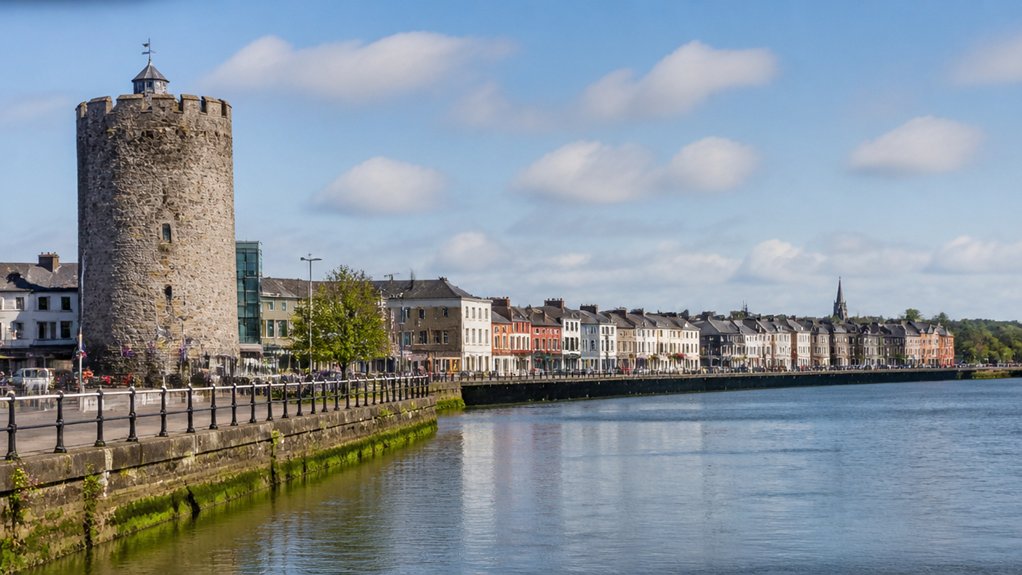
Reginald’s Tower stands on the Quay at the tip of the Viking Triangle and is billed as Ireland’s oldest civic building. It’s built for defence rather than display, which is the point—this structure was designed to actually work and did. The climb to the top provides genuine perspective on how the city extends from the river and outward.
The Cathedral Quarter around Christ Church Cathedral offers both architectural significance and actual quiet, unlike the areas crowded with cruise passengers. Several independent cafés function as local spaces rather than tourist operations. The side lanes between the main streets are where the city’s real character emerges rather than its performance version.
An independent walking tour focused on medieval Waterford provides substantially different knowledge from standard offerings. You can book guided excursions at the port to maximize your time exploring the city’s authentic layers. Established local guides fill their slots during cruise season, so booking before you arrive matters practically. These guides explain the connections between buildings and periods instead of treating old structures as isolated points of interest.
Beyond the Centre: Day Trips and Alternatives
Waterford’s surroundings contain actual alternatives to the city centre, though reaching them requires advance organisation rather than decisions made on arrival day. The logistics work against spontaneity—your ship leaves at a fixed time, local buses run on schedules that rarely align with cruise timing, and transport gaps can easily strand you.
Dunmore East operates as a working fishing village rather than a tourism construct. Boats unload their catches onto the quay, locals purchase fish directly from fishermen, and the restaurants exist because people live there year-round rather than seasonally. If your ship anchors off Dunmore East you’ll land right here; otherwise getting there means using public transport, which demands you check schedules before you leave the ship instead of assuming something will run when you need it.
Lismore Castle sits in a genuinely dramatic position above the River Blackwater in the west of County Waterford. The castle functions as a private residence rather than a museum, but the grounds and surrounding village justify the journey if you care about how architecture relates to its landscape rather than isolated monuments. Reaching it requires either independent travel or a tour booked in advance, since the ship’s standard excursions concentrate on city-centre predictability.
The Copper Coast between Waterford and Dungarvan provides coastal walking without the infrastructure that transforms Irish coastal paths into crowded tourist routes. You sacrifice ease of access in exchange for actual quiet and views not framed by commercial development. Fewer cruise passengers attempt this area precisely because it demands more planning.
The central problem with day trips is timing conflicts between your ship’s departure window and whatever transport you’re relying on. Booking a local guide or small-group tour in advance through established operators solves this entirely, costs less than the ship’s own excursions, and guarantees you return on time. These operators fill their spots weeks ahead during cruise season, so arranging this before you travel matters practically.
Shore Excursion or Going It Alone
The ship’s excursions cost roughly double what you’d pay booking independently, and they route you through the same three stops every other cruise passenger visits that day. You’ll spend half your time waiting for stragglers and the other half queuing behind people wearing the same colour wristband as you.
Going it alone works only if you accept that independence requires planning before you arrive. Download transport apps, check routes the night before, and build in a buffer—missing the last bus back to the harbour is not an adventure, it’s expensive panic. The trade-off is genuine: you move at your own pace, eat where locals eat rather than where tour groups congregate, and actually see the city rather than perform tourism.
For most people, the answer lies between these extremes. Book a small-group walking tour or local guide through an independent operator weeks ahead—these fill quickly during cruise season and cost considerably less than the ship’s package. You get someone who knows the city properly, groups stay small enough to move freely, and importantly, the operator guarantees your return to the harbour on time because their reputation depends on it. Search for walking tours operated by local companies rather than cruise lines, and book directly online as soon as you’ve booked your cruise.
If you’re confident exploring independently, the city centre works fine without a guide. Just don’t assume you’ll wing it on arrival day and discover options—that’s how you end up on the ship’s expensive tour by default, or worse, back aboard having seen nothing but the quay.
Waterford Notes the Excursion Desk Skips
Waterford’s harbour floods with cruise passengers between morning and early afternoon, which clogs the Medieval Museum and city walls during those peak hours. Your advantage lies in timing rather than route-finding: visit early or late in your day, away from the midday rush, and you’ll move through these spaces without queuing. The actual benefit to understanding Waterford comes from thinking like someone who lives here rather than treating your day like a checklist to race through.
The walking tours advertised on the quay belong to the cruise line or its contractors, which means you’ll pay more and walk in groups of forty through streets too narrow for that many people. Independent operators based in Waterford charge less, limit groups to eight or ten, and book out well ahead during cruise season—arrange this online before you arrive rather than hoping for availability on the day. A proper guide will show you things worth seeing and keep your pace reasonable enough that you actually absorb what you’re looking at.
The Viking Triangle attracts crowds because it’s designed to, but the history behind it holds up and the museums reward your time if you arrive early or late instead of mid-morning. The Waterfront beyond the main shopping streets stays calm throughout the day and functions as an actual working area rather than a performance for visitors. Skip the instinct to wander off hunting for unmarked places on your first hours ashore—good tours take you where things genuinely matter, and solo exploration usually means doubling back or cutting it close to departure time.
Your Port Day: A Sample Itinerary
Most cruise ports hand you a day itinerary designed to move you through checkboxes. Waterford works differently if you’re willing to arrive early and skip the obvious queues. The real advantage lies in timing—get to Reginald’s Tower as soon as it opens and you’ll have the stairs and views largely to yourself, which matters because this is where the actual history sits rather than in retail spaces.
Coffee and breakfast belong in the city centre, away from the harbour cafés where you’ll pay inflated prices for ordinary food. The streets around the Medieval Museum and city walls empty out in the mid-morning window, which is when you should walk the walls themselves before the guided groups arrive. You’ll cover distance, understand how Waterford sits geographically, and see more than the postcard angles.
Book a small-group walking tour online before you arrive—the independent operators fill quickly during cruise season and give you better value than what your ship offers. A local guide will walk you through the Viking Triangle and explain what you’re actually looking at, which changes how the buildings read. You’ll finish with time to return to the ship without rushing.
Spend your last hours on the Waterfront beyond the shopping strip, where you see Waterford functioning as a place where people live and work rather than as a staged display.
Book your Waterford day
Tours for this port, compare before you book
Getting around in port