Bay of Islands Cruise Port Guide
Know the insider secrets to maximizing your Bay of Islands cruise visit without overpaying for tours.
In this guide
- Cruise Port Overview: What To Expect
- Getting From the Port To Town
- The Must-Do Experience: Start Here
- History Culture and the Top Sights
- Beyond the Centre: Day Trips and Alternatives
- Shore Excursion or Going It Alone
- Bay of Islands: The Details Nobody Mentions at the Port Talk
- Your Port Day: A Sample Itinerary
Try one free personalised day plan — built around your ship’s actual arrival and departure times. Then get every port on your cruise done the same way from £7.99 (about $10).
Cruise Port Overview: What To Expect
There is no cruise terminal to berth at here: ships anchor in the bay and tender passengers ashore, usually to the wharf at Waitangi and sometimes to Paihia or Russell. You land beside a small working harbour rather than a managed tourist zone, and free shuttles normally link the landing with Paihia and the Treaty Grounds. This setup works in your favour if you’re after authenticity and manageable crowds, though the trade-off is that facilities are basic and amenities are sparse compared to larger New Zealand ports.
The waterfront is compact and functional rather than flashy. A handful of cafés, an information centre, and local transport options are all within easy reach of where the tenders land. The real benefit here is that you’re not herded toward a single commercial precinct—you’ve got genuine freedom to choose how you spend your time rather than following a predetermined route.
Ship-organised excursions are popular but rarely your best option. Independent bookings for water-based trips to the islands or visits to Waitangi typically cost less and offer better experiences, and arranging them before you arrive ensures you actually get a spot rather than finding boats full when you reach the terminal. Operators book quickly during cruise season, so pre-booking online removes that uncertainty entirely.
The town itself merits an hour’s exploration, though keep realistic expectations about what you’ll find. The main street holds the predictable souvenir shops and several workable cafés, with prices climbing noticeably the closer you get to the water. Move even slightly inland and you’ll uncover local cafés and restaurants where prices are reasonable and the food is actually cooked rather than assembled for passing tourists.
Getting From the Port To Town
Getting from the tender landing at Waitangi into Paihia takes around twenty minutes on foot along the waterfront, so you don’t actually need transport if you’re prepared to walk. Most cruise passengers hunt for taxis or shuttles immediately, but walking costs nothing and shows you how the town actually operates rather than how it’s been tidied up for visitors.
When weather turns rough or you have mobility issues, taxis wait near the tender landing and charge reasonable rates for trips into town or nearby spots. They work reliably but aren’t abundant, so they won’t appear instantly when multiple ships dock. The information centre can connect you with local shuttle operators who know where locals actually spend money on food and drink, and their rates stay competitive.
Renting a car only makes sense if you plan to explore beyond Paihia itself—driving around the town leads nowhere useful. Book your rental before you arrive because firms run dry when several ships are in port simultaneously. For boat trips to the islands or visits to Waitangi, independent tour operators charge less than what the ship offers and you’ll secure a spot by booking online ahead of time rather than arriving at the dock to find everything booked solid. Consider booking professional drivers in advance to ensure reliable transportation for excursions beyond the port area.
The Must-Do Experience: Start Here
The Bay of Islands works because of the water and the islands themselves, not because of the town. Most cruise passengers make the mistake of paying the ship to take them out rather than booking independently with local operators beforehand.
Local boat operators charge considerably less than the cruise lines and run smaller groups with more flexibility about where you stop and how long you stay. Book online before arrival because the decent operators fill up quickly once a cruise ship docks, and showing up expecting to arrange something on the day is a gamble you’ll lose. A full-day trip covers more ground than the half-day version and gives you actual insight into why people care about this place.
Morning departures mean calmer water and better light for photos, which matters more than you’d think when you’re stuck on a boat. The seas can get rough depending on conditions, so take seasickness medication beforehand if you’re prone to it—there’s genuine misery in spending your day gripping a rail wishing you’d prepared. You’ll typically visit several islands, stop for swimming or snorkelling where it’s feasible, and pass notable formations like the Hole in the Rock.
Bring adequate sunscreen and wear clothes in layers since the weather changes quickly on the water. Eat a proper meal before boarding because onboard food is overpriced and you’ll be hungry long before the day ends.
History Culture and the Top Sights
The town’s European settlement history carries colonial baggage that most cruise passengers bypass entirely in favour of waterfront cafés, though this choice leaves you without context that actually matters. Understanding why the Bay held historical significance makes the islands themselves worth looking at properly rather than as background scenery. The museums exist but get routinely skipped, which is a practical loss if you want to know what you’re actually seeing.
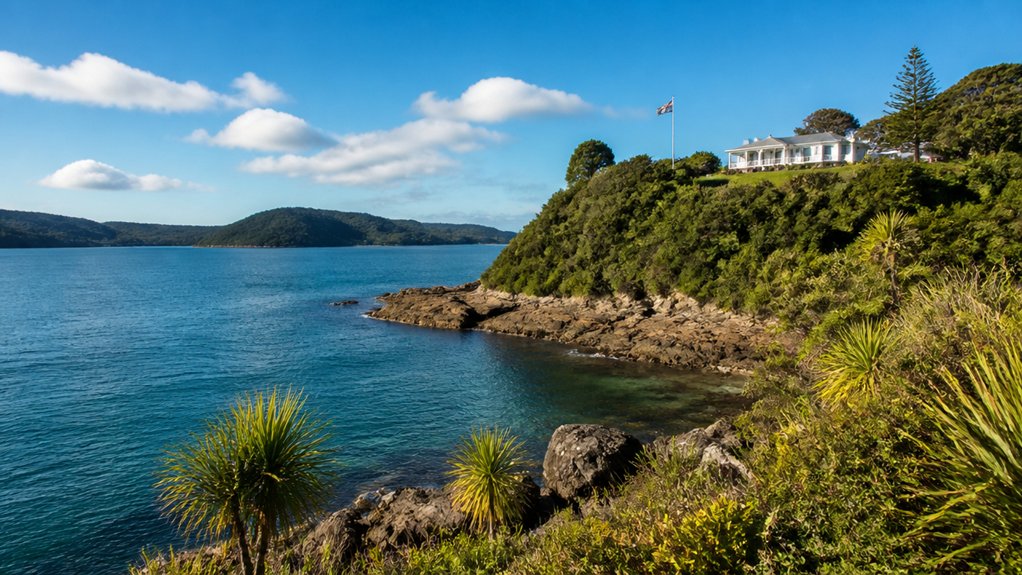
The Treaty Grounds presents the story without unnecessary drama. You walk through native bush, see the treaty house where New Zealand’s founding document was signed, and gain proper context for the water views surrounding you. It stays quieter than the waterfront crowds, and the setting—trees, water, genuine silence—reads less like a tourism operation.
The town centre merits a brief walk rather than a full morning commitment. Get coffee that isn’t from the ship, walk the main street, and accept that the actual value lies in being in a functioning working port rather than a manufactured tourist space. The waterfront works fine for an hour, but pleasant doesn’t mean essential.
Book a local guided walking tour before arrival if you want substantive information about Māori culture and settlement history. Independent operators give you better value and actual knowledge than cruise line packages deliver, and these tours fill quickly once a ship docks. Securing your spot online beforehand means the difference between a worthwhile half-day and wandering aimlessly.
Beyond the Centre: Day Trips and Alternatives
Most cruise passengers spend half a day here and leave without understanding what actually warrants the trip — the surrounding islands and coastal walks that begin where the town ends.
The islands are what you’re really after, and you can arrange this independently without relying on your ship’s booking desk. Small operators run their own boat tours to the outer islands where you’ll see native birds, walk through native forest, and experience the landscape without the throngs attached to cruise line packages. These tours book out fast once your ship arrives, so arranging something online before you dock removes the scramble and guarantees you a place on a decent operator.
If you’d rather stay closer to shore, the coastal walking tracks that start just outside town offer proper scenery and actual quiet. You’ll walk past beaches, through farmland, and along headlands with water views that easily fill a morning and justify more than a rushed afternoon visit. These walks cost you nothing except the physical effort involved, though reaching the starting points on your own requires some basic preparation beforehand.
The real distinction is understanding that exploring the Bay itself is a completely different proposition from exploring the town. The town centre takes roughly ninety minutes maximum. The islands or the coastal walks require a solid half-day commitment and actually make that commitment worthwhile. Sort out an independent island tour before arrival if you want certainty, or lock in a particular walking route so you’re not making decisions under time pressure the moment you arrive and dock.
Shore Excursion or Going It Alone
Your ship’s excursion desk will sell you a crowded boat tour at a marked-up price, then deposit you with forty other passengers on an island where the actual sights have already been picked over. Going independently costs considerably less and gives you control over timing, group size, and which operator you’re trusting with your time. The catch is that the best independent operators fill their boats quickly once word spreads that a cruise ship has docked, so booking online before you arrive isn’t overcautious—it’s the only sensible approach if you actually want a seat.
Independent island tour operators run genuinely smaller groups and more flexible routes than the standard cruise line offering. They know the local waters, they move at a pace that suits actual exploration rather than schedule management, and they typically cost a fraction of what your ship charges. You can book tours and activities at these ports to secure premium experiences with local guides. The trade-off is that you’re responsible for getting yourself to the departure point, which requires either hiring a taxi or asking locals for directions—both entirely manageable tasks once you’ve landed.
If you’re uncertain about booking ahead, at least research operators and their departure points before you dock. Walk into town, find the booking offices, and secure a spot in person if the online option feels risky. You’ll waste less time and money this way than waiting to see what the ship’s desk offers, and the islands are genuinely worth the effort if you approach them as an independent traveller rather than a package tourist.
Bay of Islands: The Details Nobody Mentions at the Port Talk
The Bay of Islands attracts multiple cruise ships on identical days, which means the better independent operators genuinely sell out before mid-morning if you haven’t booked ahead. Your ship’s excursion staff will sell this scarcity as urgency, but the maths are straightforward—popular independent operators run groups of twelve to fifteen people while cruise lines push sixty or more, so spots evaporate quickly. Reserve your island tour before your ship docks.
Waterfront restaurants charge what they can get away with because they know you’re trapped between your ship and lunch time. Cafés inland from the tourist strip cost less and serve better food, plus you’ll sit among people who actually live here rather than staff working seasonal jobs. This distinction matters because the Bay of Islands makes sense only when you see it as a functioning place rather than a photograph opportunity.
The Waitangi Treaty Grounds exist because of historical significance, not because they look good in pictures, and you’ll grasp the port’s actual meaning only if you approach it as history. Most cruise passengers skip it precisely because it doesn’t compete with the islands visually, which is exactly why going there works—you leave with understanding rather than just images. Independent walking tours of the town run throughout the day at modest cost and don’t tie you to ship schedules if you prefer to move at your own speed.
Your Port Day: A Sample Itinerary
The Bay of Islands works better if you stop trying to see everything and pick one thing to do properly instead.
Get off the ship early and go straight to the Waitangi Treaty Grounds before crowds arrive. This is where New Zealand’s founding document was signed, and knowing what it says actually changes how you understand the port itself—you’ll have real information rather than just photographs. The grounds take a solid amount of time to walk through, and the visitor centre explains why the treaty still matters today in language that makes sense if you’re new to this.
After you’ve finished, take the passenger ferry from Paihia across to Russell town and explore its back streets instead of heading straight back to the waterfront. This is where locals actually buy things and eat, and a café off the main tourist strip serves better coffee and food for less money. Sit down for a bit, get your bearings straight, and watch how the place actually works—this matters more than rushing between different spots.
Book an independent island tour before your ship arrives. The larger ship-run excursions pack you onto boats with dozens of other passengers, whereas smaller independent operators with groups of a dozen or so actually let you see the water and islands properly. Spending five minutes on local booking websites before you arrive takes the stress out of finding spaces sold out by midday, and you’ll get back to your ship with time to kill instead of sprinting.
Book your Bay of Islands day
Tours for this port, compare before you book
Getting around in port
✈️ Before you sail: eSIM, insurance, luggage, flight delays
Ships In Bay of Islands
Upcoming calls from our sailings tracker, updated regularly.
Celebrity Edge
Celebrity CruisesWed 14 Oct
⚓ 07:00–16:00
Celebrity Solstice
Celebrity CruisesSat 17 Oct
⚓ 08:00–18:00
Carnival Splendor
CarnivalMon 19 Oct
⚓ 07:00–16:00
Celebrity Edge
Celebrity CruisesFri 6 Nov
⚓ 07:00–16:30
Crown Princess
Princess CruisesSun 8 Nov
⚓ 07:00–17:00
ms Noordam
Holland AmericaSun 8 Nov
⚓ 08:00–17:00