Moorea Cruise Port Guide
Secrets to maximizing your Moorea cruise port day await—discover why most visitors miss the best snorkeling spots.
In this guide
Try one free personalised day plan — built around your ship’s actual arrival and departure times. Then get every port on your cruise done the same way from £7.99 (about $10).
Cruise Port Overview: What To Expect
Moorea has no cruise port as such: ships anchor in Cook’s Bay or Opunohu Bay and tender passengers to a small pier, which means you’re dealing with actual local infrastructure rather than purpose-built tourist apparatus. There’s little in the way of a town at the landing, the weather cooperates most days, and you can structure a satisfying afternoon without feeling pressured to cram everything in.
The port is small and straightforward. A few shops and cafés sit near the water, but they serve locals as well as cruise passengers, so markups stay modest compared to what you’d pay elsewhere. There’s no aggressive commercialisation here like you find across the water in Papeete.
There’s no main street to speak of by the tender pier, just a small souvenir market, so most of what matters needs a hire car, taxi or tour. What surprises many passengers is the genuine smallness of the place—there’s no box-ticking to be done here, only the option to actually slow down for a few hours.
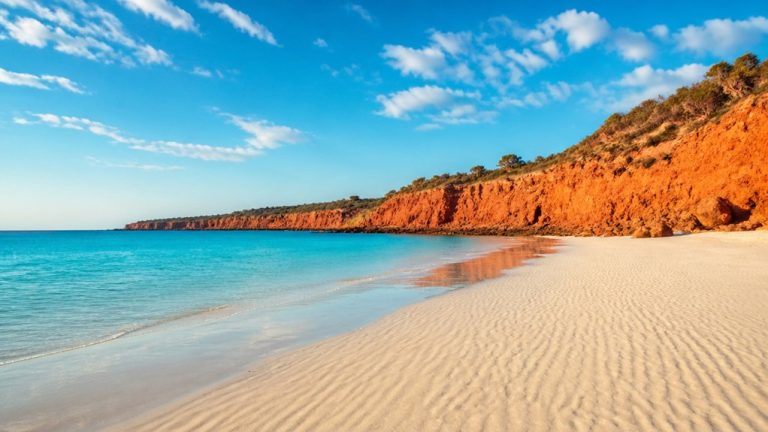
The beaches are functional and warm, and the inland ridges—volcanic and jagged—justify the expense of the journey. You can rent a vehicle to explore the coast road cheaply, or book a local lagoon tour to see stingrays and coral. Consider exploring tours and activities available through port guides to maximize your time ashore. Book independent tours online before you arrive; they’re cheaper than the ship’s excursions and give you more time in the water, though they do fill quickly with cruise passengers.
Getting From the Port To Town
The port infrastructure in Moorea struggles with cruise ship passenger volume, so expect slower movement through the arrival process than you’d experience at larger terminals. Taxis queue at the waterfront and charge reasonable rates for short trips, though drivers operate without particular urgency—this reflects local rhythm rather than poor service. Walking remains viable if you’re willing to navigate the heat and crowding.
There’s no main street into town from the tender pier. The coast road is flat and straightforward, fine for a short stroll along the bay if you keep to the shade, but places are spread out and you’ll need wheels to go further. The real reason to linger on foot is the bay itself, where you’ll see fishing boats and everyday life on the water rather than the staged version you get elsewhere.
Renting a vehicle makes practical sense if you want to explore beyond town or reach beaches that don’t border the main port area. A full afternoon of self-drive costs significantly less than repeatedly using taxis and gives you control over your route and stops. Arrange this the day before arrival since availability drops fast once ships dock.
Lagoon tours represent the primary draw for most cruise passengers visiting Moorea, and booking these independently online before you arrive saves money and secures your place. Ship-organised excursions charge more and rush through the experience, while popular tours fill with cruise passengers quickly regardless of operator. Advance booking removes the gamble of turning up to find spaces gone.
The Must-Do Experience: Start Here
The lagoon is why you’re here, and booking a tour through an independent operator before your ship docks makes a tangible difference. Ship excursions cost more, run on rigid schedules that prioritise getting back to the port on time, and funnel you into designated viewing areas rather than letting you actually explore. The water is warm, clear year-round, and genuinely populated with reef sharks and rays—creatures that look alarming but are completely harmless.
Book either a half-day or full-day tour before you arrive, as the popular operators fill with cruise passengers and sell out within hours of a ship’s arrival. You’ll snorkel in sections where actual reef life exists rather than in a single controlled zone. The water needs no wetsuit, and visibility stays excellent throughout the year.
Pack reef-safe sunscreen, go barefoot on the boat, and accept that a full-day option means spending several hours in the water. Most tours include lunch on a motu where the operator grills fish and serves it with coconut rice—straightforward food cooked on-site rather than pre-packaged tourism fare, and substantially better than what you’ll find near the port.
The sharks and rays draw attention, but the real reason people come back to Moorea is the silence underwater. Book now rather than waiting until you arrive, and your day becomes actually worthwhile instead of rushed and compromised.
History Culture and the Top Sights
Moorea’s cultural sites exist largely away from the water, which is partly why you won’t find yourself standing in queues with hundreds of cruise passengers. The island’s colonial history is present but doesn’t dominate, so what remains feels genuinely less picked-over than comparable destinations. This restraint means you can actually spend time looking rather than rushing through.
Te Fare Natura, an eco-museum at Opunohu Bay, covers the island’s natural history and Polynesian culture with minimal fuss. It’s a sensible stop before the marae—the stone temple platforms up in the Opunohu Valley—and it helps explain who lived here before the French and how pre-contact life on the island worked.
The marae sites in the Opunohu Valley are open to walk around without formal tours, though independent guides based locally can provide context if you want historical detail. The temples themselves are weathered stone arrangements set in a valley, and they’re worth seeing if you have spare time but shouldn’t take priority over the lagoon. They matter more for what they represent than for any dramatic visual impact.
The Protestant church in Papetoai dates to the 1820s and functions as an active place of worship with genuine architectural character from its timber construction era. There’s no admission charge, and you can walk the exterior and grounds freely, though services take precedence over casual visits. It’s genuinely useful if you’re interested in how missionary-era Christianity took hold across the Pacific.
None of these sites require advance booking or have capacity limits, so you can decide on the morning of your visit without planning ahead now. This flexibility matters when your time ashore is constrained.
Beyond the Centre: Day Trips and Alternatives
Most of what makes Moorea worth your time sits beyond the wharf, so you need transport and a plan to actually see anything. The island is small enough that nowhere feels remote, which means you’re never stuck with poor options.
Renting a car or scooter gives you the freedom to move at your own pace and skip the group itinerary altogether. The roads are simple enough to navigate without prior experience, and the cost is reasonable. This works best if you’re comfortable finding your way and want to stop whenever something interests you.
A guided tour removes the guesswork and puts you with someone who knows what you’re actually looking at. Book these online before your ship arrives, especially during cruise season when the decent operators fill their spots quickly. Independent tour companies typically cost less than what the cruise line charges and often include a mix of lagoon access, cultural stops, or mountain views rather than rushed loops around the island.
Local buses run sporadically and their routes aren’t intuitive if you’re new to the place. You’ll waste time waiting rather than save money, so skip this option if your port day is limited.
Choose between renting something for independence or booking a tour for local perspective and no navigation stress. Either way, arrange it before you dock, since the best options vanish fast once ships arrive.
Shore Excursion or Going It Alone
The ship’s excursion desk charges roughly double what independent operators ask for the same snorkelling trips and cultural tours, then runs them slow enough to accommodate the least capable person in your group. You’re paying for the convenience of booking onboard, not for better value or faster service, which becomes frustrating when your time ashore is measured in hours rather than days.
Independent operators offer identical experiences—reef visits, village walks, viewpoint stops—at half the price and on schedules that actually fit your port window. Book directly online before you arrive and you’ll secure a spot with someone who knows the territory properly, rather than taking whatever overpriced slots remain when you arrive at the pier. During cruise season, reputable operators fill their daily runs weeks in advance, so waiting until you dock means either no availability or settling for marginal alternatives.
Going solo gives you genuine freedom of movement. Renting a vehicle lets you stop at the lagoon viewpoints, traditional settlements, and coastal spots without waiting for other passengers to finish their photographs. The trade-off is that you’ll need to handle your own navigation and you’ll lack someone to explain what you’re actually looking at or confirm you haven’t missed something worthwhile.
Your best option depends on your comfort with self-directed travel. If you’re confident navigating unfamiliar roads and you want to move at your own pace, renting a scooter or car works well. If you’d prefer someone else to choose the route and provide context, book with an independent guide weeks ahead rather than attempting last-minute arrangements.
Either choice outperforms the cruise line’s offering. The deciding factor is committing to your approach before you board and booking online. Once the ships dock, the port fills rapidly and the gap between booking now and booking later widens substantially—in both cost and availability.
Moorea Notes the Excursion Desk Skips
The best snorkelling in the lagoon sits beyond the main tourist beach, reachable only by boat—which is exactly why cruise excursions avoid it. Your ship needs you back within set parameters and wants minimal logistical fuss, so their routes stick to manageable spots near the pier rather than the reefs where the marine life actually congregates. Independent operators prioritise these outlying sites because they aren’t constrained by the same scheduling demands.
Moorea’s businesses operate on their own schedule, which means the posted hours are more suggestion than commitment. Planning your morning around a specific café or shop based on signage will leave you standing outside a locked door—the smarter approach is ringing ahead or asking locals what’s genuinely open today. They’ll tell you the reality, not what the sign claims.
The drive to Belvedere Viewpoint requires navigating steep, narrow roads, but the panorama across Cook’s Bay makes the effort worthwhile. A scooter works if you’re comfortable riding one, otherwise rent a car to avoid the physical toll. Independent travel here beats organised tours because you set the pace and stay as long as you want without monitoring a group schedule.
Arriving passengers frequently get caught out by currency—use an ATM to withdraw local money rather than exchanging cash onboard at the cruise line’s inflated rates. Cards work in most establishments, though villages away from the main areas operate cash-only systems.
Take seasickness medication before boarding for the reef, not after. The return journey is miserable when you’re already queasy, and prevention costs far less than enduring it.
Your Port Day: A Sample Itinerary
Sort out your transport before you leave the ship, because the first hour ashore tends to disappear while you work out where to go. A rental car or scooter lets you reach places beyond the standard tour routes, and booking online in advance costs significantly less than arranging something at the dock where choice is limited and rates are marked up.
Start by collecting your vehicle and driving straight to Belvedere Viewpoint. The roads are steep and need concentration, but the view over Cook’s Bay and Opunohu Bay, where James Cook actually anchored in 1777, makes it worth the drive on its own. Spend enough time there to sit properly rather than taking photos and leaving; cruise groups rarely venture here.
Head down to the main township for lunch around midday. The waterfront cafés near the pier charge more than inland options, so walk past them and find where locals actually eat. Ring ahead to confirm what’s genuinely open rather than guessing from signage.
Spend your afternoon on the water, which is what Moorea is for. Book an independent snorkelling trip in advance to get a place on boats heading to the outer reefs where coral survives and fish actually gather. The cruise ship excursions use nearby lagoons because they fit the schedule, but independent operators go further out where the marine life justifies the cost. Popular tours fill with cruise passengers quickly, so booking beforehand secures your spot and usually costs less than booking through the ship.
Book your Moorea day
Tours for this port, compare before you book
Getting around in port
✈️ Before you sail: eSIM, insurance, luggage, flight delays
Ships In Moorea
Upcoming calls from our sailings tracker, updated regularly.
Quantum Of The Seas
Royal CaribbeanTue 13 Oct
⚓ 07:00–20:00
Anthem of the Seas
Royal CaribbeanSun 18 Oct
⚓ 07:00–20:00
Norwegian Spirit
Norwegian Cruise LineFri 23 Oct
⚓ 07:00–20:00
Norwegian Spirit
Norwegian Cruise LineSun 25 Oct
⚓ 07:00–20:00
ms Noordam
Holland AmericaWed 28 Oct
⚓ 07:00–17:00
ms Zaandam
Holland AmericaFri 6 Nov
⚓ 08:00–17:00