Rarotonga Cruise Port Guide
Navigate Rarotonga’s cruise port like a local—discover hidden lagoons, authentic markets, and insider tips that cruise lines don’t want you to know.
In this guide
Try one free personalised day plan — built around your ship’s actual arrival and departure times. Then get every port on your cruise done the same way from £7.99 (about $10).
Cruise Port Overview: What To Expect
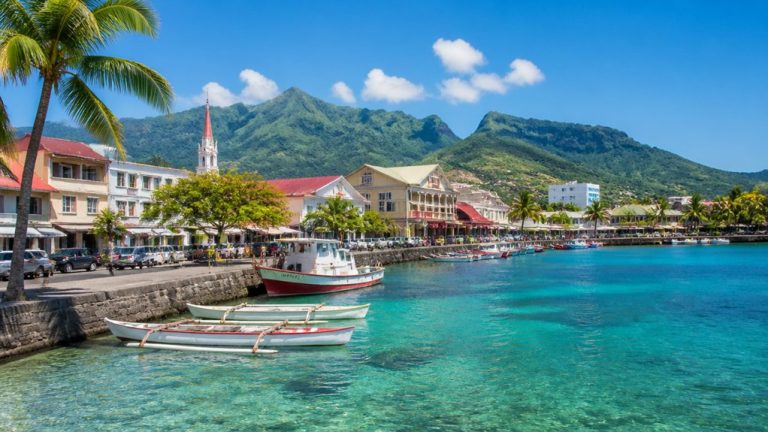
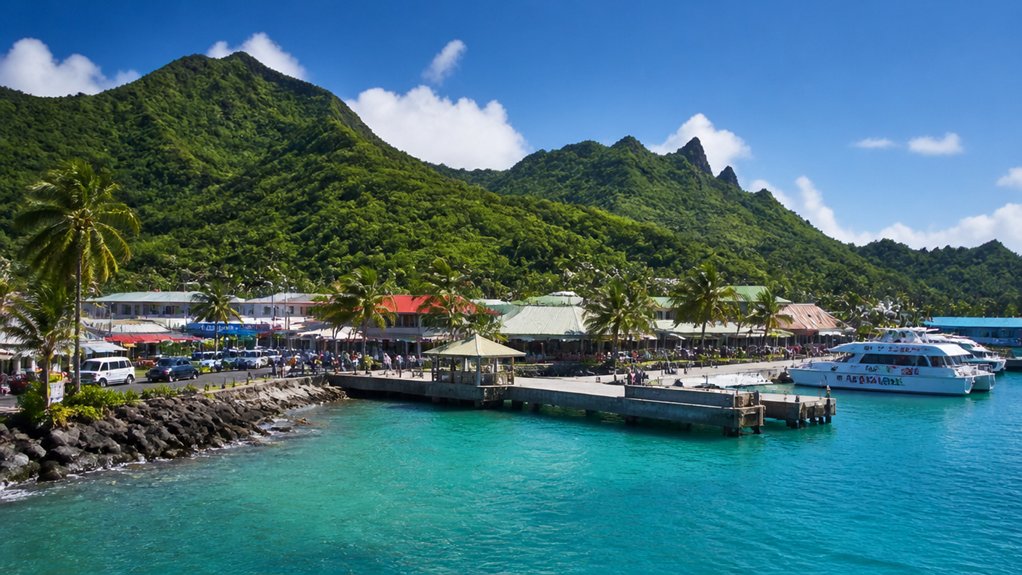
Rarotonga’s cruise port is small enough that your ship anchors offshore and you tender in, which strips away the commercial machinery of larger ports. Instead of a sterile terminal designed to funnel you toward overpriced shops, you’ll arrive at Avarua Harbour where actual commerce and daily life happen. This matters because it means you can step outside the obvious tourist zones within minutes.
The island measures roughly thirty kilometres in circumference, so nothing requires excessive travel time to reach. Unlike ports engineered around extracting money from passengers in a few hours, the local economy here operates at a different pace and prices reflect that gap between harbour and inland areas. You can actually understand what the place is like rather than experiencing it through a tour bus window.
Independent activities outperform ship excursions on both cost and experience, but booking lagoon cruises, snorkelling trips and coastal walks in advance matters when your time ashore is limited. Online booking before arrival secures better rates and guarantees your place when demand runs high during cruise season. You can book tours and guided excursions through reputable providers to enhance your experience without the markup of onboard bookings. The harbour itself functions cleanly without overwhelming you, but the real value lies beyond the immediate waterfront where the experience feels less processed.
Getting From the Port To Town
The tender from ship to shore lands you in Avarua itself, so there’s no shuttle to pay for and the town centre is right in front of you. Skip any transport package and explore on foot, which takes you directly past the places that matter without wasting money or time.
Local taxis work from the harbour if you need to go further, and their rates are reasonable if you negotiate before getting in. Renting a scooter or car gives you actual control over where you spend your hours ashore, which matters when you want to eat somewhere that charges local prices rather than cruise prices.
Independent tour operators and lagoon trips collect passengers near the harbour, so confirm exactly where you need to be when you book. Arranging this in advance keeps your port day from dissolving into logistics and searching for transport, and booking online before you arrive matters because the better snorkelling and lagoon tours fill up during busy seasons.
Walking into town puts you among local shops and markets where what you pay reflects what islanders pay, not what cruise lines think they can extract from passengers. This shift from managed tourist infrastructure to actual commerce changes everything about how your day feels and what you actually spend.
The Must-Do Experience: Start Here
The lagoon is what matters here — the water itself and what lives in it. Most cruise passengers skip it entirely, either stuck in queues for ship excursions or trudging through the same few streets in Avarua, wondering why they left their cabin.
Book an independent lagoon tour before you arrive. It costs less than what the cruise line charges and gives you actual choice about where you swim and snorkel. Local operators collect people from near the harbour and take you to lagoon spots where the coral and fish justify the effort — book online in advance because the better tours fill quickly during busy seasons.
Get in the water early, while the light works in your favour and the fish haven’t been bothered by earlier groups. Bring your own snorkel gear if you have it, though rentals exist and won’t cost much. The lagoon floor is mostly sand and shallow reef, so you’ll see trevally, parrotfish, and the occasional reef shark doing precisely what it’s designed to do — completely ignoring you.
Skip the artificial lagoon pools that some operators advertise. Your time ashore is limited, and you came to see something real, not a reinforced tank. A proper lagoon experience leaves you genuinely tired and genuinely satisfied in a way that organised beach clubs simply cannot.
History Culture and the Top Sights
Rarotonga’s colonial history creates obvious friction with contemporary life, and the museums here acknowledge that rather than pretend it doesn’t exist. The Cook Islands Museum presents what actually occurred when outsiders arrived instead of offering a sanitised version of events. You’ll recognise the patterns if you’ve spent time elsewhere in the Pacific, and that pattern recognition is useful context.
Avarua functions as a practical centre rather than a cultural attraction. The central market operates regularly and stocks things people actually need—fresh produce, woven items, everyday clothes—without performing for tourists. Walking through without purchasing anything teaches you more about how locals live than any guided tour would.
The waterfront exists but carries inflated prices along its main retail strip. You’ll find better value elsewhere on the island, so treat this area as a passing reference rather than a shopping destination.
Actual cultural significance lies in churches, maraes, and residential areas beyond the tourist radius. Booking an independent island tour with local guides takes you to places that matter rather than photo stops. These tours cost substantially less than cruise line alternatives and operate with people who understand why certain locations hold importance.
Book your tour before arriving since better operators fill during peak season.
Beyond the Centre: Day Trips and Alternatives
Rarotonga’s interior actually stays quieter than the coastal loop, which means you see the island itself rather than standing in queues with other cruise passengers. The Cross-Island Track climbs over the mountainous centre from the edge of Avarua, past Te Rua Manga (the Needle), and down to Wigmore’s Waterfall on the south coast. It’s steep, often muddy and takes three hours or more, so it only suits fit walkers with plenty of time ashore. Otherwise the valleys and ridges inland from Avarua let you explore properly without needing specialist equipment or a guide determined to photograph every plant.
Renting a vehicle gives you control over how long you stay anywhere. It costs less than a cruise-line excursion and you can stop where something interests you or skip what doesn’t. Public transport runs on its own schedule, not yours, so hiring becomes practical when your time ashore is constrained.
You can drive the full loop around the island without stopping and still have substantial time left somewhere specific. Head toward Takitaki Valley if you want forest and actual silence, or go to the western beaches where fewer cruise passengers venture and the water sits calm.
Contact local tour operators before you arrive if you want guided exploration—experienced ones know which places repay genuine time rather than just a quick photograph, and the better operators book full during cruise season. You’ll pay considerably less than the cruise lines want and spend your day with people who actually live here rather than temporary tour groups.
Shore Excursion or Going It Alone
The ship’s excursion desk will charge you two or three times the independent rate for a guided tour, and you’ll spend half your time waiting for slower group members to catch up. Whether you book through them depends on your comfort level navigating on your own and what actually interests you—if you can rent a vehicle or find a local operator, you’ll keep more money and have a better day.
Local operators know Rarotonga properly and won’t drag you through the same five stops every cruise group visits. Book online before arrival because the decent outfits fill up fast during cruise season, and you’ll pay significantly less than the ship wants to charge. You get an actual local perspective instead of scripted commentary, and operators who depend on repeat business genuinely care about whether you have a good experience.
Going entirely alone works if you’re renting a vehicle and can navigate reasonably well. You move at your own pace, avoid the organised-tour crowds, and find places like quieter beaches or inland viewpoints that standard itineraries skip. The downside is you miss the historical and cultural context a good guide provides, which matters if understanding what you’re looking at matters to you.
For most cruise passengers, a half-day with a local guide focused on what actually interests you, followed by afternoon self-exploration, strikes the right balance. You get expertise when you need it and freedom when you want it.
What the Cruise Desk Leaves Out About Rarotonga
There’s no cruise terminal here. Tenders land you in Avarua itself, so you step ashore in the town centre with no transfer to pay for. In rough weather the ship may use a landing on the west coast instead or miss the call altogether, so check the daily programme for where you’ll come ashore.
The island bus runs from Avarua right round the coast road in both directions, roughly hourly, and costs far less than ship transport, though you’ll be travelling with residents instead of other cruise passengers. Taxis wait in Avarua town centre if you want to get further round the island quickly, leaving more money in your pocket for food and shopping.
The ship’s standard island tour routes you through predictable spots and steers you toward expensive restaurants designed for cruise passengers. Book a half-day cultural or reef tour with a local operator before you arrive instead—these fill during cruise season and undercut the ship’s pricing significantly. You’ll get genuine insight into how people actually live here rather than scripted commentary, and your guide will take you somewhere that justifies the time.
The inland walks and ridgeline views that give you the real Avarua require minimal planning—just shoes with proper grip and basic route-finding ability. The cruise desk won’t mention these because there’s no commission in them. Walking these routes gives you what no tour operator can: the island as locals experience it, without crowds or timetables shaping what you see.
Your Port Day: A Sample Itinerary
Most port days here fail because passengers arrive with no plan and follow the path of least resistance—the ship’s overpriced shuttle and its predetermined restaurant recommendations. You’ll waste hours queuing for mediocre food and watching the same beach that fifty other tour groups are photographing.
Start your morning in Avarua town centre, where the tender lands you, before the ship crowds spread out. Head directly to the market near the waterfront, which opens early and shuts by midday—this is where locals actually shop and eat, not tourists. Grab fresh tropical fruit, coconut bread and strong coffee from one of the food stalls for a fraction of what the ship charges, then spend an hour wandering the small shops and galleries that line the streets around the main square.
By midday, you should be booked on an independent half-day reef or cultural tour that departs from town. These operators collect passengers directly from Avarua rather than requiring you to return to the ship, saving you transport time and money. The difference between a ship excursion and a locally-run tour becomes obvious within the first hour—your guide knows this island because they live here, not because they memorised a script.
Use your final hours before departure to walk one of the accessible inland trails or spend time at a quieter beach away from the main tourist strip. By skipping the organised chaos entirely, you’ll leave having actually experienced the place rather than simply passed through it.
Book your Rarotonga day
Tours for this port, compare before you book
Getting around in port
✈️ Before you sail: eSIM, insurance, luggage, flight delays
Ships In Rarotonga
Upcoming calls from our sailings tracker, updated regularly.
Norwegian Spirit
Norwegian Cruise LineMon 19 Oct
⚓ 07:00–17:00
ms Noordam
Holland AmericaSat 31 Oct
⚓ 08:00–17:00
Norwegian Spirit
Norwegian Cruise LineSun 22 Nov
⚓ 07:00–16:00
Costa Serena
Costa CruisesMon 23 Nov
⚓ 07:00–17:00
Norwegian Spirit
Norwegian Cruise LineTue 11 May
⚓ 07:00–17:00
Norwegian Spirit
Norwegian Cruise LineSat 12 Jun
⚓ 07:00–17:00