Puerto Montt Cruise Port Guide
Navigate Puerto Montt like a local: discover authentic markets, skip overpriced tourist traps, and unlock hidden gems most cruise passengers never find.
In this guide
Try one free personalised day plan — built around your ship’s actual arrival and departure times. Then get every port on your cruise done the same way from £7.99 (about $10).
Cruise Port Overview: What To Expect
Puerto Montt’s cruise terminal pier sits near Angelmó, about 2 km from the city centre, and larger ships anchor offshore and tender passengers to it, so don’t let transport eat into your time ashore. The terminal itself is basic—a functional building with few amenities—and the walk into town takes around twenty minutes along the waterfront, passing the bus station on the way.
Taxis queue outside the terminal and cost little enough to justify the journey, saving you considerable time compared to walking. If you’ve already booked a guided tour, arrange pickup from the terminal rather than handling transport yourself; tour operators do this routinely, and it eliminates uncertainty on your port day. Booking tours in advance also guarantees availability, since popular experiences fill quickly when multiple ships dock simultaneously.
Puerto Montt functions as a working port city, not a tourist theme park, so its appeal doesn’t announce itself through casual exploration. The waterfront has genuine interest, restaurants serve excellent food, and the landscape around the city is substantial, but none of this materialises without intentional effort. You can maximize your shore excursion time by selecting from guided tours at cruise ports that highlight the most compelling attractions. Either secure a reliable taxi driver or commit to a pre-booked tour that prioritises the worthwhile locations before your ship’s departure time becomes imminent.
Getting From the Port To Town
The walk from terminal to town centre is manageable, though you’ll be doing it alongside other cruise passengers which slows things down. A taxi is the practical choice if you’re short of time—drivers know the route, won’t fabricate detours, and get you there reliably. Ride-sharing apps often misread local streets, so they’re worth avoiding.
Splitting a taxi with other passengers makes the cost reasonable and beats waiting for buses that run on their own schedule. You can negotiate the fare upfront if the meter system bothers you, though most drivers are transparent about pricing. Walking only makes sense if you’re certain you can return to the ship within a couple of hours, since the town isn’t small enough to see properly in a rushed afternoon.
Pre-booking a guided tour cuts through all the logistics. Operators pick you up directly from the terminal, sort the transport, and bring someone who actually knows what’s worth seeing given your time constraints. When multiple ships dock on the same day, tours fill quickly, so booking in advance gives you real availability and often costs less than arranging things last minute. Consider booking tours and activities in advance to secure the best options and pricing for your port visit.
The Must-Do Experience: Start Here
Puerto Montt’s actual value lies outside the town centre—in watching how Chile’s southern lakes region functions rather than how it’s marketed to cruise passengers. Most people squander their port time in the shops near the terminal, which means missing what justifies the journey in the first place.
Begin at the waterfront markets early, before they become congested. The fish market and produce stalls operate as working spaces where locals spend money daily, not as performance pieces for visitors. Walk through without planning to buy anything; the purpose is understanding what grows here and how people actually eat.
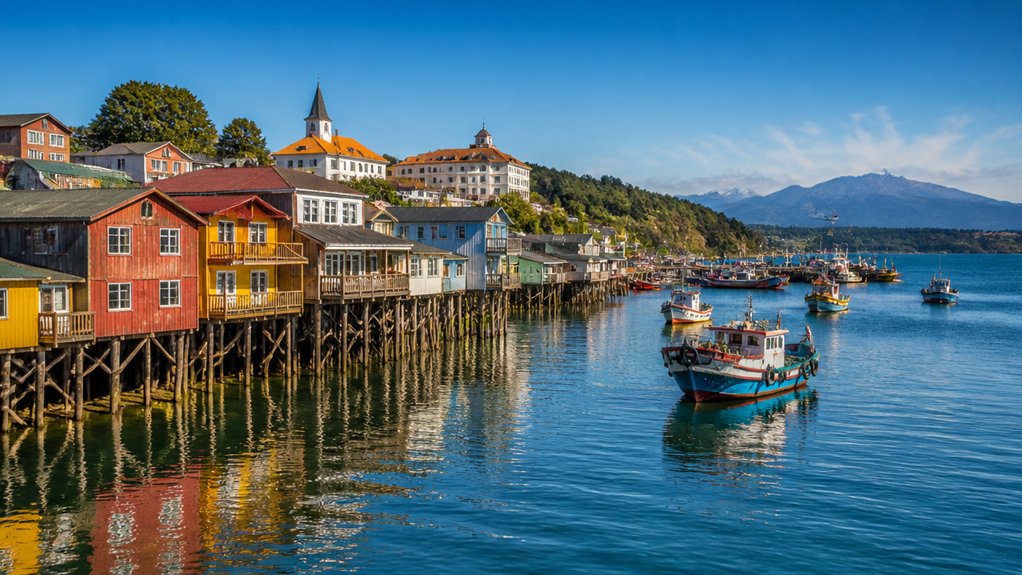
Head inland afterwards to the older residential areas where wooden houses sit clustered on hillsides. The construction reflects southern Chile’s actual climate and history—no interpretation required. These streets haven’t been packaged into tourist zones the way the port area has, so you move through them as a regular person rather than a customer.
For port days longer than a few hours, hiring an independent local guide to cover nearby sites—national parks, villages along the lakes, or workshops where people make things—returns far better value than the standard cruise ship package. These popular operators get booked out quickly by cruise passengers, so arranging online beforehand both secures a place and typically costs less than booking through the ship. A local guide decides what’s genuinely worth your time rather than what sounds good in marketing copy.
The strategy is deliberate movement rather than rushing. Puerto Montt functions best when you stay still enough to actually see it.
History Culture and the Top Sights
Puerto Montt’s cultural value comes from what existed before cruise ships arrived, though most passengers miss it because the promoted attractions don’t warrant the effort. The Cathedral occupies the central plaza and deserves your time for practical rather than spiritual reasons—built in the 1850s almost entirely from wood, it documents the materials available and how the region actually looked at that moment. The carpentry reveals how people constructed solutions with what they had on hand rather than displaying religious decoration.
The Museo Juan Pablo II documents nineteenth-century German immigration, which explains why Puerto Montt’s architecture, food and surnames differ from the rest of Chile. This is genuine regional history rather than curated tourism narrative, and you can work through the collection methodically without the sense of being herded through a larger institution. The scale works in your favour.
Beyond these two sites, Puerto Montt’s historical attractions don’t extend far. The restored colonial buildings in the port area now function as restaurants and shops, which makes them active but removes any sense of their actual context. The real cultural information emerges instead from the working neighbourhoods and markets you’ll walk through in the morning—that’s where the region’s identity actually exists rather than in any single designated site.
Beyond the Centre: Day Trips and Alternatives
The organised day trip from Puerto Montt gives you more options than you’d expect, but how far you can actually go depends entirely on your available time. Most worthwhile trips head south towards Chiloé or the lake districts, which means you’re really choosing between exploring one place properly or rushing through several superficially.
Chiloé Island works as a standalone option if you commit your full day to it. The wooden churches, active fishing villages and genuinely distinct local culture make the ferry crossing worthwhile, and you’ll see far fewer cruise passengers than you would on a standard wine tour or salmon farm visit. Book a guided tour through the internet beforehand because the decent operators book up quickly with cruise crowds, and independent guides typically cost less than the ship’s excursions while actually explaining how people live rather than staging things for tourist schedules.
The lake districts to the east offer volcano walks and outdoor activities, which suit you if the weather cooperates. These trips work better with a guide than attempting them alone because sorting out local transport requires knowing your way around, and weather shifts fast enough that someone familiar with the area genuinely helps.
The fish market near the port functions as authentic local experience but nothing more. It fills perhaps ninety minutes before you’re left standing about with nothing to do, so treat it as a morning or late-afternoon addition to something else rather than your day’s main event.
Shore Excursion or Going It Alone
The ship’s excursion desk quotes figures that seem fair until you do the maths and realise you’re paying a significant premium for something you could arrange in thirty minutes online. The choice isn’t really whether to book through the ship—it’s whether you have the confidence to handle transport yourself or whether you’d rather have the reassurance of a group with set timings.
Going it alone works perfectly well for Chiloé or the lake districts if you speak basic Spanish, are willing to ask locals for directions, and can accept the small risk of missing your ship if logistics fail (though this rarely happens). You’ll pay considerably less and keep genuine flexibility instead of following a schedule built around getting everyone back before departure. The bus station is within walking distance of the port, and local operators are familiar enough with cruise schedules that unexpected problems don’t materialise.
Ship excursions justify their cost when specialist knowledge actually matters—volcano walks where a guide improves your safety, or salmon farm visits where you learn something beyond what photos provide. Even then, booking an independent guide through established websites beforehand typically costs less and guarantees your spot. Tours popular with cruise passengers fill quickly, and advance booking secures your place while cutting what you’d otherwise pay onboard.
The practical approach is to research your activity now, book an independent tour online before you leave port, and arrive knowing exactly where you’re headed and what you’ll do there. This removes uncertainty without paying extra margin to the cruise line.
What Experienced Cruisers Know About Puerto Montt
The waterfront tourist quarter functions as a financial extraction zone. Restaurants charge premium prices for mediocre seafood, souvenir shops stock identical wooden items found throughout Chilean ports, and crowds make the experience feel like an extension of the ship rather than a departure from it.
Mercado Angelmó is where Puerto Montinos actually shop for fish, produce, and everyday supplies. Your lunch costs less, tastes like it was prepared with care rather than volume, and shows you how the city operates when cruise passengers aren’t present. The market runs year-round without the staged tourism that defines the waterfront.
Book any excursion through independent operators online before arriving rather than through your cruise line. Popular tours fill with cruise passengers quickly, advance booking secures your place at substantially lower rates, and you’ll travel in smaller groups instead of coach loads. Smaller groups fundamentally change what you experience.
A half-day exploration reaches further than most visitors expect when you arrange transport in advance. You can encounter something genuine beyond the immediate tourist infrastructure and return comfortably before departure. The difference between booking independently and accepting what the ship offers is the difference between seeing a place and seeing a performance.
Your Port Day: A Sample Itinerary
Most cruise passengers queue at Mercado Angelmó‘s entrance alongside everyone else from the ship, which means arriving within the first hour gives you a genuine look at the market as a working space rather than a tourist precinct. The fish section operates in the early morning with catches being sorted and sold to local restaurants and residents, not packaged for visitors. Skip the obvious café near the entrance and buy coffee and an empanada from one of the family-run stalls instead—you’ll pay less and eat better.
By midday, walk inland away from the waterfront to see where Puerto Montinos residents actually live: the pastel houses, local shops, and restaurants without laminated menus. Book an independent tour of a local fishing village nearby, or Dalcahue on Chiloé if you have a full day, well before your port day, since small-group options sell out quickly to cruise passengers and cost considerably less than what the ship charges. These tours require advance planning but reward you with smaller groups and better access than what you’d arrange on the day.
Return to the market’s produce section or find a family restaurant away from the tourist quarter during your final hours ashore. You’ll have seen how the city functions rather than how it performs for visitors, and you’ll still return to the ship with time to spare.
Book your Puerto Montt day
Tours for this port, compare before you book
Getting around in port
✈️ Before you sail: eSIM, insurance, luggage, flight delays
Ships In Puerto Montt
Upcoming calls from our sailings tracker, updated regularly.
ms Oosterdam
Holland AmericaSun 6 Dec
⚓ 08:00–17:00
Costa Serena
Costa CruisesThu 10 Dec
⚓ 08:00–17:00
Majestic Princess
Princess CruisesSun 20 Dec
⚓ 07:00–18:00
Majestic Princess
Princess CruisesThu 24 Dec
⚓ 07:00–18:00
ms Oosterdam
Holland AmericaFri 8 Jan
⚓ 08:00–17:00
ms Oosterdam
Holland AmericaTue 12 Jan
⚓ 08:00–17:00