Bora Bora Cruise Port Guide
Avoid costly cruise mistakes in Bora Bora—discover insider tips that could save you hundreds on lagoon tours and meals.
In this guide
Try one free personalised day plan — built around your ship’s actual arrival and departure times. Then get every port on your cruise done the same way from £7.99 (about $10).
Cruise Port Overview: What To Expect
Bora Bora operates a tender system rather than a traditional port terminal, which means you’re ferried ashore by boat instead of walking down a gangway. This immediately eats into your available time on the island before you’ve even arrived. The lagoon is the main draw here, and the port infrastructure makes that obvious — there’s no substantial town centre or marketplace to explore, just water activities and a modest cluster of shops and restaurants near where the tender lands.
Tenders run fairly efficiently, but queues build quickly when your ship carries several thousand passengers. Depending on how many people are ahead of you and what the sea conditions are like, expect to wait anywhere from a moderate period to considerably longer. This matters because the hours advertised for your port day don’t reflect your actual time ashore — what looks like a full day often shrinks noticeably once tendering is factored in.
Vaitape, the main settlement, is small enough to navigate on foot if that’s your preference. The trade-off is that everything costs significantly more than on other islands in French Polynesia. Waterfront dining and drinks operate on cruise tourism pricing, and there’s no realistic way to avoid it.
The practical advantage is accessing the water quickly. Lagoon tours and snorkelling trips booked independently are typically cheaper and start earlier than ship-organised excursions, giving you more time to actually use. Competition for spaces with quality operators is fierce during cruise season, so arranging these before you arrive matters.
Getting From the Port To Town
The tender dock puts you at a small wharf lined with shops and tour operators, though you’re already effectively in town. Vaitape spreads out from this point in a compact layout that doesn’t require much navigation on foot.
Most visitors walk straight to the waterfront, where tour operators concentrate near the landing area. This is where you arrange lagoon excursions, snorkelling trips, and boat tours if you haven’t booked beforehand. The operators here work legitimately, but they price their services for people with limited options and time constraints, so expect to pay more than you would have online.
The main shops and cafés sit a short walk from the tender point along the waterfront. The layout is straightforward enough that getting lost isn’t really a concern. The actual problem is wandering into a waterfront restaurant without checking what they charge, because a simple lunch will cost substantially more than your budget probably allows anywhere in French Polynesia.
Book your lagoon tour or snorkelling experience online before your ship arrives. You can explore guided excursions at ports worldwide to compare operators and secure the best rates. Popular operators get fully booked during cruise season, and advance booking secures lower rates and earlier departure times, which means you spend more hours actually in the water rather than standing around waiting. Without this planning, you’re left with minimal hours remaining and inflated pricing from people who know you have few alternatives.
The Must-Do Experience: Start Here
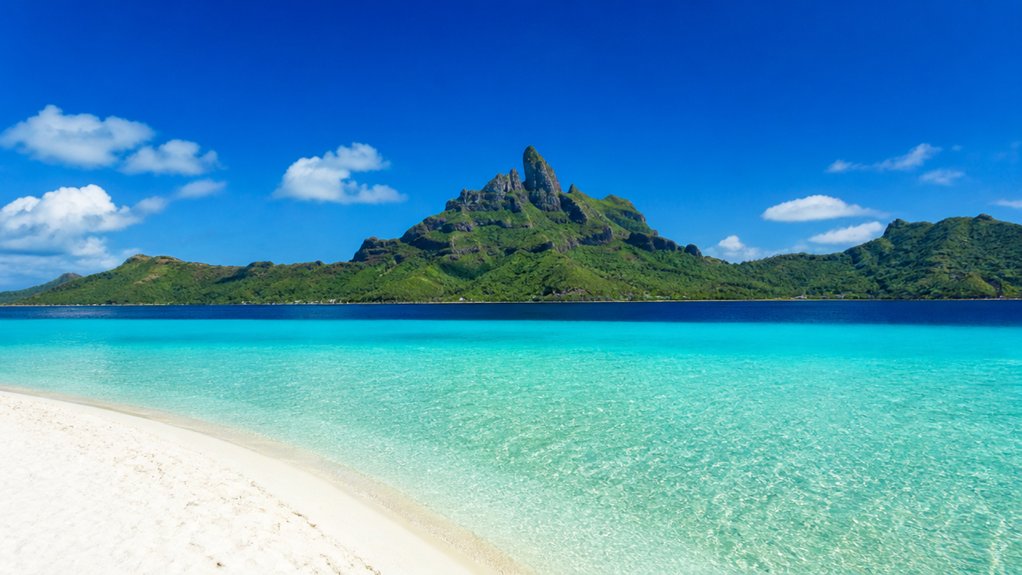
The lagoon is the actual point of being here, and the uncomfortable reality is that you cannot see it properly from a dock or a waterfront café. The water surrounding Bora Bora is genuinely clear, warm, and contains life that simply disappears from view once you’re on land. Coral gardens sit in shallow water where you can snorkel without needing a boat, and rays move through the water with an almost choreographed deliberateness.
The problem is straightforward: the best spots get swamped with tour groups by mid-morning, and you need to be on the water early to beat both the crowds and the heat. Your morning needs to start with a lagoon tour booked well in advance through independent operators rather than your ship’s excursion desk. Independent tours are less expensive, leave earlier, and give you more actual time in the water instead of marching you through overpriced shops on the return journey.
Book an operator offering combined snorkelling and ray-spotting that departs early and keeps you on the water for several hours. You will see black-tip reef sharks in the shallows (they are harmless to tourists), have the option to feed rays by hand, and snorkel across coral formations that justify the effort. The alternative is paying significantly more to stand in a queue with hundreds of other cruise passengers while someone photographs you with a captive ray.
History Culture and the Top Sights
Bora Bora’s colonial past and modern resort economy sit in permanent tension, which means the historical sites are genuinely modest and easily swallowed by the commercial infrastructure surrounding them. The waterfront museum covers French colonial history and Polynesian heritage adequately enough, but walking the neighbourhood yourself will tell you more about how people actually live here than any curated display can manage. The local market operating most mornings shows you what residents genuinely eat and buy rather than what operators think tourists want to purchase.
Souvenirs aimed at cruise passengers cost considerably more than they’re worth, so buy directly from market vendors if you want something authentic rather than from the waterfront shops. Visiting the World War II military fortifications requires either a demanding uphill walk or a taxi to reach the highlands, and while the views across the lagoon justify the effort, the ruins themselves are unremarkable. The interior of the island has an entirely different character once you move beyond the waterfront cruise zone, and that’s where your time matters most.
A cultural tour guided by a local operator will give you actual context for what you’re seeing and genuine interaction with residents, which beats scripted commentary from ship-organised excursions. Book these with independent operators well before your visit since they fill quickly on cruise days, and they cost substantially less than what your ship charges. Arrange your booking online in advance rather than waiting to sort it out at the port.
Beyond the Centre: Day Trips and Alternatives
Most of Bora Bora’s interior is worth seeing, but you’ll need either your own transport or willingness to pay substantially more for the ship’s organised lagoon tour. Hiring a local driver or booking through an independent operator gives you genuine flexibility and access to areas where cruise passengers typically don’t go. Your ship’s half-day excursion will cost double what you’d pay independently, and you’ll spend considerable time at predictable stops.
The lagoon itself is genuinely striking, though how you see it matters more than whether you see it. Booking a snorkelling trip independently before your visit puts you in the water where the actual colour is visible, rather than viewing it from a glass-bottomed boat alongside dozens of other passengers. Early departures mean calmer water and noticeably fewer crowds before midday tourism peaks.
Hiring a vehicle and driving the coastal loop yourself works well if you’re comfortable navigating unfamiliar roads, and it’s considerably cheaper than any organised tour. Family-run restaurants beyond the cruise strip serve the same food locals eat, with prices that reflect local economics rather than waterfront markups. Book independent tours well in advance through local guides who work directly with cruise passengers, since the best operators fill quickly on port days and securing your spot online costs far less than booking at the pier.
Shore Excursion or Going It Alone
The ship’s excursion desk will pitch you a lagoon tour with absolute confidence, which is precisely when you should stop and work out the actual cost yourself. You’re paying a substantial markup for convenience, and on a port day with limited hours, convenience usually means crowds rather than any real advantage. The honest choice depends on what you actually want to do with your time ashore.
If you’re set on snorkelling or a lagoon cruise, book independently before arriving at port. You’ll pay considerably less and secure a spot on a smaller boat departing earlier, when the water is calmer and other passengers haven’t yet arrived in their hundreds. Local operators fill their best morning slots well before the ship docks, so hesitating costs you both money and a worse experience.
The ship excursion works only if you’re uncomfortable organising anything yourself or travelling in unfamiliar places. You’ll receive a briefing, transport, and a guide, but you’ll also queue with your entire ship section and stop where every other cruise passenger stops. That trade-off is worth it for some people, and that’s perfectly reasonable, but it’s not the better experience—merely the simpler one.
What genuinely matters is recognising the difference between these two options. If you’ve booked a private snorkelling trip or hired a local driver in advance, you’re already ahead. If you haven’t, book something immediately through a local operator rather than waiting for the pier, because the best tours genuinely do sell out and the difference between a morning departure with six people and an afternoon one with thirty is exactly why this matters.
Small Things That Make a Difference in Bora Bora
The lagoon closes to independent visitors partway through the afternoon, which means the ship’s excursion timing locks you into whatever window suits the operator, not your preferences. You can swim and snorkel directly from public beaches such as Matira, a short taxi ride south of the tender dock, for considerably less money than any organised tour, though the coral closer to shore lacks the variety you’ll find further out.
ATMs near the port charge more than standard rates, so withdraw cash before boarding if you can or prepare for the markup. Restaurants within walking distance of the port inflate prices aggressively for cruise passengers, so eat where locals actually go—slightly inland from the waterfront—rather than settling for whatever’s most convenient.
Buy sunscreen before you arrive, as pharmacy prices at port run considerably higher than elsewhere. The sun reflects intensely off the water here, and reef burn is genuinely miserable once it sets in. Bring a rash guard or lightweight long-sleeved shirt if you’re planning serious water time, as this protection makes a real difference to your comfort.
The water stays warm all year, so most people are comfortable without a wetsuit. Even so, an hour of proper snorkelling in strong sun is tiring, so ease in gradually rather than committing to a full morning session straightaway.
Your Port Day: A Sample Itinerary
Most cruise passengers spend their first hour waiting for the beach shuttle instead of getting into the water. Take a taxi or Le Truck to Matira, the main public beach about 7 km south of Vaitape, and start swimming and snorkelling from the sand. The coral improves once you move beyond the shallows, and you’ll see reasonable fish and staghorn without paying for a boat tour.
The lagoon is warm but the sun is fierce, so bring a rash guard and acclimate gradually to avoid discomfort during longer snorkelling sessions. An hour in the water feels significantly different when your body hasn’t adjusted. Start with shorter stretches and build up your tolerance as the morning progresses.
Walk inland away from the waterfront by mid-morning to find where locals actually eat. Restaurants within immediate reach of the dock charge substantially more for cruise passengers, so ten minutes inland gets you better value and better food. Use this time to grab lunch, pick up any sunscreen you need, and refill your water bottle before the day gets hot.
Spend your afternoon booking an independent guided snorkel tour for deeper water rather than relying on the ship’s excursions. Ship-organised tours dictate your timing, whereas independent operators let you choose when to depart. Booking online beforehand secures you a spot on better-run operations instead of whatever availability remains at the last minute.
Return to the ship with enough time to shower off salt and avoid the boarding queue that forms in the final hour before departure.
Book your Bora Bora day
Tours for this port, compare before you book
Getting around in port
✈️ Before you sail: eSIM, insurance, luggage, flight delays
Ships In Bora Bora
Upcoming calls from our sailings tracker, updated regularly.
Norwegian Spirit
Norwegian Cruise LineWed 21 Oct
⚓ 07:00–20:00
Norwegian Spirit
Norwegian Cruise LineTue 27 Oct
⚓ 07:00–19:00
ms Zaandam
Holland AmericaTue 3 Nov
⚓ 08:00–23:00
Norwegian Spirit
Norwegian Cruise LineSat 14 Nov
⚓ 11:00–20:00
Norwegian Spirit
Norwegian Cruise LineThu 19 Nov
⚓ 07:00–19:00
Norwegian Spirit
Norwegian Cruise LineThu 13 May
⚓ 07:00–20:00