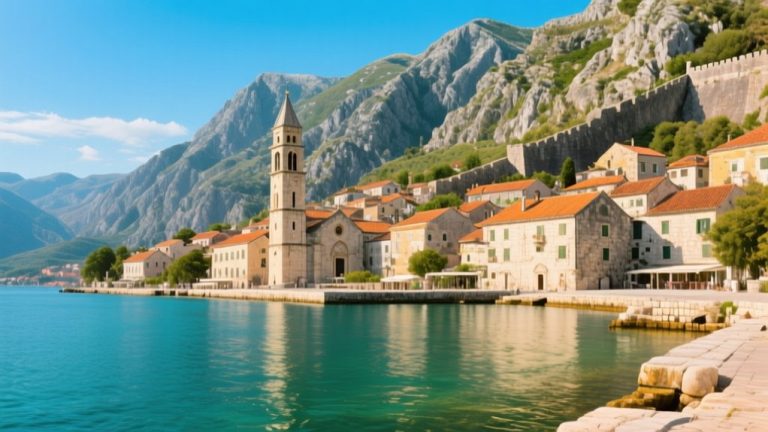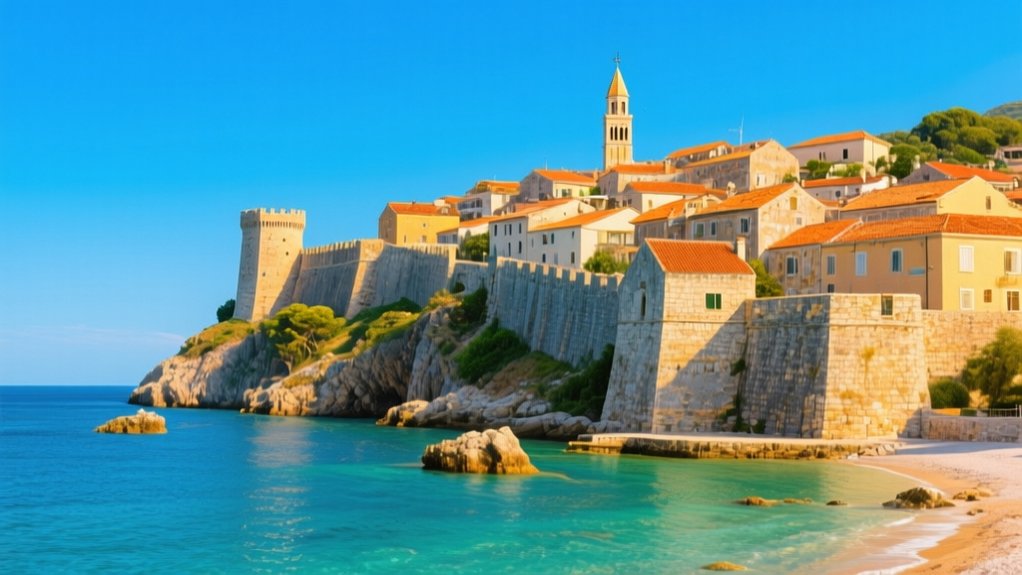
Bar Cruise Port Guide
A small Adriatic port offers surprising depth—discover how savvy cruisers unlock authentic experiences while most passengers miss everything.
In this guide
Try one free personalised day plan — built around your ship’s actual arrival and departure times. Then get every port on your cruise done the same way from £7.99 (about $10).
Cruise Port Overview: What to Expect
Bar is small enough that you can cover the essentials in a day, but the Adriatic weather here shifts without warning, so check conditions before you leave the terminal. Stari Bar, the old town, is inland — about 3km inland from the modern town, on Londsa hill at the foot of Mount Rumija — so it takes a short bus or taxi ride. The modern town and the port are on the water, and that part is walkable.
Pricing jumps noticeably between the waterfront cafés and anywhere a street back because the town is compact enough that locals know where tourists go. If you want decent food at reasonable rates, head to the quieter squares and side streets instead. The main promenade fills with cruise passengers within a couple of hours, so photograph it early or come back in late afternoon when the crowds have dispersed.
Independent operators offer better value than ship excursions to places like Ostrog Monastery or Lovćen National Park, and you can arrange these beforehand online. Book popular tours before you arrive since they fill quickly during high season. Consider exploring guided excursions available through local booking platforms to maximize your experience at this port. If you stay in town, you’ll have time to see the Venetian fortress, walk the waterfront properly, and have lunch without rushing, as long as you skip the overpriced tour desk.
Getting From the Port to Town
The port sits right next to the modern town centre, so getting there on foot is straightforward, while the old town at Stari Bar is a few kilometres inland and best reached by taxi. The chaos happens at the exit, where tour operators will try to corner you before you’ve cleared the terminal, so your best strategy is to walk straight through without engaging with anyone.
The town centre starts just beyond the port gates and the route is obvious enough that you won’t need guidance for this stretch. If you’re genuinely uncertain about navigating alone, you can join an organised group for a small fee, though you’ll actually move faster simply following other passengers heading the same way.
Taxis cost more than the journey warrants. The money you save by walking can go toward eating properly instead. Local buses run from near the terminal, but they’re geared toward residents with time to spare, not cruise passengers with limited hours ashore, so the wait isn’t a sensible use of your day.
If you’ve arranged an independent tour to Ostrog Monastery or Lovćen National Park—which you should book online beforehand since the reliable operators book solid during peak season—your guide will collect you from the terminal or provide a meeting point in the old town. Confirm these details when you book so you’re not wasting time searching the waterfront for someone who’s waiting elsewhere.
The walk into Bar takes under ten minutes, and once you’re through you have actual control over how you spend your remaining hours.
The Must-Do Experience: Start Here
Bar’s best advantage lies in the mountains, not the waterfront. The seafood restaurants around the old town are competent enough, but leaving early on an independent tour before the cruise crowd wakes up gives you something the port can’t offer. Ostrog Monastery and Lovćen National Park separate a genuinely interesting morning from a forgettable one.
Book your mountain tour online before you board. These tours fill weeks ahead during busy seasons, and sorting it out at the port means standing around waiting while your ship time disappears. Your guide meets you at the terminal or in town, so you move straight to the pickup point instead of loitering with other passengers.
Independent tours cost substantially less than what the cruise line charges, and your guide actually knows the terrain rather than reading rehearsed commentary. A half-day mountain tour gets you back by early afternoon with time left for proper exploring, whereas trying to cover everything at sea level leaves you feeling like you’ve ticked boxes without actually experiencing anything.
If mountains don’t appeal, the old town justifies a real walk. The Venetian fortress rewards the climb for its view, the narrow streets have actual character, and you can find a café where locals sit rather than tourists. The waterfront is designed for groups; the old town isn’t.
Bar works best when you commit to one focus instead of drifting between obvious stops. Decide before arrival whether you’re doing mountains or old town, and you’ll move with a plan instead of wandering uncertain.
🗺️ Tours & Experiences at This Port
Skip the ship’s overpriced excursions — browse top-rated independent tours trusted by thousands of cruise passengers.
History Culture and the Top Sights
Bar’s old town hasn’t been completely taken over by tourism yet, which means the fortress, museums, and streets still function as actual places rather than attractions. The Venetian fortress is worth climbing because the effort pays off with a genuine sense of how the town sits between mountains and sea, and the stonework inside shows real layers of occupation—Venetian, Ottoman, Austro-Hungarian—rather than just looking old.
The narrow streets work best when you move slowly because the actual character lives in doorways, balconies, and how the stone is arranged. Small museums scatter throughout the old town, but most aren’t worth paying entry for unless you’re genuinely interested in ancient history; the real story shows itself as you walk. Locals actually use the cafés here rather than performing for tourists, so sitting where residents sit costs nothing extra and gives you something the waterfront restaurants can’t offer.
The Archaeological Museum contains Romano-Illyrian finds from this specific coast and makes sense if ancient history genuinely interests you, though the collection is modest and you’ll move through it quickly. Most cruise passengers stay in the main piazza area, so going beyond it means you’ll have long stretches to yourself. The old town’s tucked-away eating places serve better food than the waterfront at lower cost, and you’ll actually remember the experience afterwards.
Beyond the Centre: Day Trips and Alternatives
Most cruise passengers confine themselves to Bar’s old town, unaware that the surrounding region—the Bay of Kotor, inland mountain villages, and southern coastal towns—offers far more substance than a repeat circuit. Ship-organised tours feel generic because they’re structured for groups moving together rather than actual exploration, and you’ll spend considerable time waiting at designated photo stops rather than lingering where things actually interest you.
Going independently means setting your own pace through places that merit it. If you want concentrated focus on one area, book a small-group independent tour before arriving, since the worthwhile ones fill quickly and cost substantially less than ship excursions while providing genuine local insight. If you prefer to move around flexibly, local buses are reliable and inexpensive, though you’ll need to work out approximate timings beforehand to avoid lengthy waits at stops.
Towns around the bay reward slow, aimless wandering more than rushing between multiple locations. Renting a car or scooter makes sense only if you’re comfortable on mountain roads and genuinely want to explore interior villages; otherwise you’re paying for transport you won’t fully utilise. Boat trips within the bay work well if driving concerns you, and independent operators at the waterfront offer better value than the ship, though booking online the day before ensures availability.
Shore Excursion or Going It Alone
Ship excursions to Kotor follow a standard route that dozens of groups take daily, with stops at the same viewpoints and photo queues while guides deliver scripted commentary. Going independently saves money in most cases, but the real benefit is time to actually experience the place rather than move through it mechanically. The trade-off is handling logistics yourself—transport, navigation, and the risk of mobile signal dropping when you need to read a bus schedule. Consider purchasing a local eSIM data plan before your cruise to ensure reliable connectivity for navigation and communication throughout your shore time.
Ship tours eliminate uncertainty by managing everything for you, which matters when you’re ashore for limited hours and getting lost could derail your plans. Independent travel demands you research route options beforehand, calculate when you must leave to return safely, and tolerate occasional confusion and dead ends. Most cruise passengers pack too much into their time ashore; trying to visit three locations in six hours typically means rushing through each with little to show for it afterwards.
Booking an independent small-group tour online before arrival splits the difference sensibly. These operators fill their slots weeks ahead on cruise days, and booking early gets you better pricing than the ship offers while keeping group sizes reasonable. The guide handles navigation and logistics while you spend less money, and since the best local guides book months in advance through returning passengers and cruise bookings, securing your spot when your sailing is confirmed matters significantly.
🗺️ Tours & Experiences at This Port
Skip the ship’s overpriced excursions — browse top-rated independent tours trusted by thousands of cruise passengers.
Bar: Practical Details Worth Reading Twice
The ship’s internet mysteriously improves as you approach departure, which means most passengers don’t realise they’ve paid inflated rates until they’re already back onboard. Before leaving the ship, download offline maps and take screenshots of your return time, transport routes, and the addresses where you’re going—your phone data won’t help you once you’re ashore. Consider purchasing a local eSIM data plan to avoid expensive roaming charges and maintain connectivity for navigation throughout your port visit.
Tourist restaurants cluster near the main landing points because their operators know cruise passengers rarely walk beyond a few minutes from the dock. The food quality diminishes noticeably and prices spike the closer you stay to where the ship ties up. Walking inland for any real distance reveals where locals actually eat, which means better meals and bills that reflect actual value.
Kotor’s old town appears straightforward on paper but functions as a confusing maze once you’re navigating it in person, with narrow lanes that loop back on themselves and dead ends that catch you repeatedly. Carry a physical map or screenshot a detailed one beforehand, because your phone signal fails in the stone alleys precisely when you need it most. The San Giovanni fortress viewpoint requires a difficult climb but draws tour groups heavily between late morning and early afternoon—going early or waiting until mid-afternoon avoids the congestion.
ATMs positioned near the port levy substantial fees, so withdraw cash from a machine further into town before you need it. Your ship’s exchange rate performs worse than every local option available, making onboard money changing financially reckless.
Your Port Day: A Sample Itinerary
Your ship ties up and the clock starts. Bar’s layout is compact enough that you can see the actual substance of the place rather than sprint between scattered highlights hoping you’ve caught the essentials.
Move inland immediately and take a taxi up to the old town before the tour groups solidify the narrow lanes into an impassable mass. Your first hour costs nothing and shows more of how the place actually works than any guided commentary would. Find a local café tucked away from the main street where residents drink their coffee and you’ll pay less while tasting something real.
If the weather holds and your legs are willing, tackle the climb to the citadel at the top of Stari Bar by midday. The view from the top justifies the steep stone paths, and arriving now beats the concentrated heat and tour group crush that takes over later. Book an independent boat tour beforehand if you want to explore beyond the immediate bay, since operators fill with cruise passengers quickly and most departures stop running by early afternoon.
Return to the old town for lunch at a restaurant where you actually see local people at the tables. Wander past the first options and use this test—whether cruise passengers dominate the dining room—to gauge whether you’ve found honest value or another tourist establishment. Spend your final hour moving through the side streets and gathering whatever you want to take back to the ship, having actually spent time in Bar rather than simply collected it.
🗺️ Tours & Experiences at This Port
Skip the ship’s overpriced excursions — browse top-rated independent tours trusted by thousands of cruise passengers.
Book your Bar day
Tours for this port, compare before you book
Getting around in port
✈️ Before you sail: eSIM, insurance, luggage, flight delays
Ships In Bar
Upcoming calls from our sailings tracker, updated regularly.
MSC Seaview
MSC CruisesThu 8 Oct
⚓ 09:00–19:00
Costa Diadema
Costa CruisesFri 9 Oct
⚓ 14:00–19:30
Carnival Freedom
CarnivalFri 9 Oct
⚓ departs 18:30
MSC World Europa
MSC CruisesFri 9 Oct
⚓ 08:00–18:00
Celebrity Equinox
Celebrity CruisesSat 10 Oct
⚓ 05:00–17:00
Sun Princess
Princess CruisesSat 10 Oct
⚓ 06:00–17:00