Korčula Cruise Port Guide
How to skip overpriced tourist traps and discover Korčula’s hidden gems that cruise lines don’t want you to know about.
In this guide
Try one free personalised day plan — built around your ship’s actual arrival and departure times. Then get every port on your cruise done the same way from £7.99 (about $10).
Cruise Port Overview: What to Expect
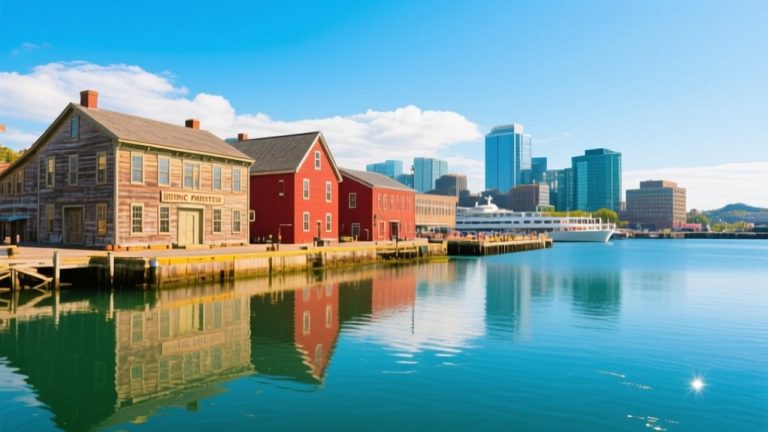
Korčula’s harbour sits so close to the old town that disembarking passengers walk straight into the medieval streets within minutes of the ship docking. This proximity creates immediate congestion, but foot traffic disperses quickly once people spread out through the alleys and find their way around. The town is compact enough that navigation isn’t an issue, so you won’t spend your limited hours ashore figuring out where things are.
The modern terminal has basic facilities, and from there it’s a short walk into the pedestrian zone and historic centre. You won’t need shuttle buses or taxis unless you’re heading beyond the island to wine villages or Lumbarda beach. Independent tour operators and guides typically position themselves at the terminal entrance, which saves you the hassle of booking through the ship’s excursion desk. You can also book guided tours and activities directly at the port to explore specific attractions throughout the region.
Restaurants and shops operate on cruise ship schedules during season, staying open all day to catch passenger traffic. Prices spike noticeably in the immediate harbourside area, but moving two or three streets inland brings prices down to something reasonable. The alleys themselves are quiet enough at midday when most cruise passengers are still waiting in line at the obvious tourist restaurants.
Your actual problem isn’t getting around—it’s choosing between staying in town or booking an excursion elsewhere on the island. Popular wine tours and boat trips fill up quickly, so advance booking makes sense if you want to do something beyond wandering the old town. If you stay put, you’ll have time to explore properly and eat a decent meal before returning to the ship.
Getting From the Port to Town
The port puts you within walking distance of the old town, which means you’re exploring within minutes rather than spending your day in transit. The medieval streets begin almost as soon as you leave the terminal, so the logistics of getting ashore are genuinely straightforward.
Wander into the pedestrian zone and you’ll quickly orient yourself because the old town is compact enough that aimless wandering still leads somewhere useful. Once you’ve worked out the basic layout, duck into the quieter alleys where restaurants charge less and you’ll encounter fewer organised groups. This approach gives you actual choice about how to spend your time rather than following the standard circuit.
Taxis operate from near the terminal if you want to reach the wine villages or Lumbarda beach on the southern coast, though independent drivers typically undercut the official rank. If you’re interested in wine tours or boat excursions, book these before you arrive rather than through the ship’s desk, since the popular options fill up quickly during busy periods. Arranging this in advance means you’re not limited to whatever remains available on the day.
The practical advantage here is that you skip the usual transfer complications and can start exploring within minutes of disembarking. The port’s proximity to the old town means you don’t lose a significant chunk of your shore time to transport.
The Must-Do Experience: Start Here
The defensive walls matter more than anything else in the old town, and walking them actually teaches you something rather than just giving you a photo opportunity. Most cruise passengers stay in the central squares where it’s loudest, but the route around the fortifications puts you somewhere quiet with views that earn the time you spend.
Start on the eastern side near the Cathedral of St Mark, where you can reach the walls without joining a queue. The ascent is straightforward, and you’ll move through residential areas where you’ll see more locals than other visitors. A circuit of the surviving towers and wall sections takes under an hour at a relaxed pace, which gives you space to understand how the town uses the Adriatic and its harbour without feeling pressured to rush through.
What changes is how you actually see the place. At street level, Korčula reads as a confusing medieval maze. From the walls, the whole layout makes sense—the planners knew what they were doing. You can also identify which restaurants have local people eating there rather than groups of tourists on scheduled meal times.
Go in late morning or early afternoon when the sun isn’t straight overhead and after the first wave of passengers has dispersed elsewhere. Bring something to drink because shade doesn’t exist along the route and the stone intensifies the heat. By the time you finish, you’ll have genuine knowledge of how the town actually works instead of just passing through it, which shapes everything you do afterwards.
🗺️ Tours & Experiences at This Port
Skip the ship’s overpriced excursions — browse top-rated independent tours trusted by thousands of cruise passengers.
History Culture and the Top Sights
Korčula’s history amounts to a long run of Venetian rule under constant Ottoman threat, yet most visitors arrive knowing only the Marco Polo birth claim and nothing about what actually shaped the town. The defensive walls, siege damage, and building choices that kept this port functioning when larger rivals declined tell a far more useful story than any single person’s biography. Understanding this context makes walking through the old town considerably less like tourism and more like reading architecture.
The Cathedral of St Mark sits at the town’s highest point and warrants an actual visit rather than exterior photographs. The interior construction standards reveal how seriously the medieval builders approached their work, and once you recognise Venetian Gothic elements elsewhere in the town, you’ll start noticing the same design patterns repeatedly. Spending time inside gives you a clearer sense of how building style communicated power and permanence to both residents and rival traders.
The Town Museum occupies a Renaissance palace on the main square and operates at a scale that actually lets information stick with you. Rather than exhausting you through endless galleries, it focuses on the practical reasons Korčula mattered—trade routes, defence strategy, and how local rulers managed relationships with larger empires. You’ll leave with genuine understanding rather than the usual daze that follows museum overdose.
The Cathedral of St Mark holds a Tintoretto painting above its main altar if Renaissance art matters to your visit, though you need to verify opening hours against your port schedule beforehand. Local sources support its authenticity, which separates it from numerous questionable attributions throughout Mediterranean religious collections. Whether the detour suits your interests depends entirely on your appetite for period painting.
Independent local guides cost less than the standard cruise ship excursions and actually know the neighbourhood rather than reciting generic commentary. Book one before arrival since the competent guides fill up quickly during cruise days. This arrangement gives you flexibility and considerably better value than paying through your ship’s desk.
Beyond the Centre: Day Trips and Alternatives
Most cruise passengers squander their port day on ship excursions to nearby wine villages that deliver exactly what you’d expect—overcrowded coach tours, rushed tastings, and invoices considerably higher than organising independently. The ship’s desk makes booking effortless, which is precisely why you’ll pay more for that convenience. Your better option is booking a private local guide or small-group tour before you arrive.
Independent operators take you to genuinely interesting spots—olive groves where families still press oil using methods barely changed in centuries, or coastal villages where tourism hasn’t yet arrived in force. You’ll spend substantially less than a cruise excursion and actually get to know someone who lives here rather than following a script. For wine specifically, skip the organised route entirely and head to one of the local family wineries outside town.
Ring ahead—your accommodation or a local guide can arrange this—and you’ll taste current vintages in someone’s actual cellar rather than a polished tasting room built for coach tours. The experience costs less and feels genuine because it is. The key is booking your guide or tour several weeks before your cruise day.
Competent operators fill quickly during peak season, and you’ll regret scrolling through mediocre options at the pier. Search for independent Korčula guides online, read recent reviews from other cruise passengers, then book directly. You’ll arrive ashore with plans that actually suit your interests and time, rather than shuffling onto whatever the ship offers at the last moment.
Shore Excursion or Going It Alone
The ship’s excursion desk will quote you prices that have little connection to what locals charge for the same experience, yet the convenience of having someone else manage logistics makes it feel worth paying extra. That markup hurts more in Korčula than at most ports because the town is small enough to navigate on your own—you can walk from one end to the other without much effort, not navigate some sprawling city where orientation becomes its own problem.
The real choice isn’t whether to book a tour. It’s whether you arrange something weeks before departure or take whatever tours remain available through the ship’s desk when you arrive in port that morning. The operators who actually know the local history and can take you where cruise crowds haven’t yet settled fill their spaces well before the peak season hits. Those spaces go first to people who’ve booked online, then to anyone willing to accept whatever’s left over.
Your strongest move is booking a private guide or small-group tour directly with a local operator before you leave home. You’ll spend considerably less than the ship charges, you’ll get someone speaking from genuine knowledge rather than a script, and you’ll secure a spot with operators that other cruise passengers have actually recommended and who understand the port in depth. Search for independent Korčula guides online, read recent reviews written specifically by cruise visitors, and book straight with the operator rather than through a middleman. When you get off the ship, you’ll have an itinerary built around what genuinely interests you, not what the cruise line decided you should see during your limited time ashore.
🗺️ Tours & Experiences at This Port
Skip the ship’s overpriced excursions — browse top-rated independent tours trusted by thousands of cruise passengers.
Small Things That Make a Difference in Korčula
The cruise terminal deposits you directly into Korčula’s old town, which means local businesses immediately recognize money when they see it and adjust their prices accordingly. Walk five minutes beyond the waterfront and you’ll enter actual neighbourhoods where people live and work—coffee costs what it should, and the food comes from kitchens that aren’t calculating profit margins around a captive customer base.
The medieval street layout is straightforward enough to navigate, but the streets themselves are genuinely cramped. Arriving early and heading inland before the tender queues build up gives you a real chance at quiet; by mid-morning the lanes become a crowded bottleneck of tour groups that you’ll spend half your time trying to get around.
Wine tours and cooking classes fill quickly when booked through the ship, and the markup is substantial. Contact local operators directly beforehand—a private guide specialising in Marco Polo history or regional wine production costs noticeably less than the cruise excursion and will actually speak from knowledge rather than delivering a standardised script.
Harbour-front restaurants will charge premium rates no matter what you order, but moving uphill away from the water puts you in front of places serving proper food at fair prices. Carry cash with you since some smaller venues don’t process card payments, and this flexibility matters more than you might expect.
🗺️ Tours & Experiences at This Port
Skip the ship’s overpriced excursions — browse top-rated independent tours trusted by thousands of cruise passengers.
Your Port Day: A Sample Itinerary
Most cruise passengers waste their morning queueing at the buffet when they should be heading straight into the old town before the tour groups arrive. Your tender deposits you at the harbour, so ignore the waterfront entirely—it’s where the overpriced restaurants and souvenir shops congregate—and walk inland immediately toward the residential neighbourhoods.
Start by exploring the narrow lanes around the Cathedral of St Mark. The building itself is modest rather than grand, but the streets surrounding it show you how locals actually live: people buying vegetables, small cafés serving proper coffee, the ordinary rhythms of the place. Spend your early hour here while the streets are still manageable, then head uphill toward the town walls for views across the Adriatic without crowds pressing against you.
By mid-morning, find a small restaurant away from the waterfront. Venture beyond the main square and you’ll eat local fish and regional wine at reasonable prices, which matters because you’ll need the energy and the cost difference is substantial.
Consider booking an independent wine tour or cooking class beforehand rather than through the ship. Local operators working directly with small groups cost considerably less and actually know their subject, whereas ship excursions charge markedly more for the same experience. If tours don’t appeal, wander toward the Marco Polo birthhouse and the town museum, both manageable without feeling like you’re being herded through a heritage theme park.
Return to the harbour with time to spare. You’ll have seen the actual place rather than the cruise-port version of it.
Tours with limited places can sell out before the ship arrives in Korčula. Check what runs in Korčula ahead of time.
🗺️ Tours & Experiences at This Port
Skip the ship’s overpriced excursions — browse top-rated independent tours trusted by thousands of cruise passengers.
Book your Korčula day
Tours for this port, compare before you book
Getting around in port
✈️ Before you sail: eSIM, insurance, luggage, flight delays
Ships In Korčula
Upcoming calls from our sailings tracker, updated regularly.
Le Ponant
MSC CruisesSat 24 Jul
⚓ 08:30–21:00
Le Ponant
MSC CruisesSat 31 Jul
⚓ 08:30–21:00
Le Ponant
MSC CruisesSat 7 Aug
⚓ 08:30–21:00
Le Ponant
MSC CruisesSat 14 Aug
⚓ 08:30–21:00
Costa Deliziosa
Costa CruisesWed 29 Sep
⚓ 08:00–18:00
Arcadia
P&O CruisesSun 17 Oct
⚓ 08:00–18:00