Halifax Cruise Port Guide
Know how to skip the tourist traps and discover Halifax’s authentic charm during your cruise port day—but there’s a crucial timing strategy most visitors miss.
In this guide
Try one free personalised day plan — built around your ship’s actual arrival and departure times. Then get every port on your cruise done the same way from £7.99 (about $10).
Cruise Port Overview: What to Expect
Halifax’s cruise terminal is close enough to the city centre that walking is practical rather than optional. Most worthwhile spots are within reach without transport eating into your port day, which gives you an actual advantage over other Atlantic ports.
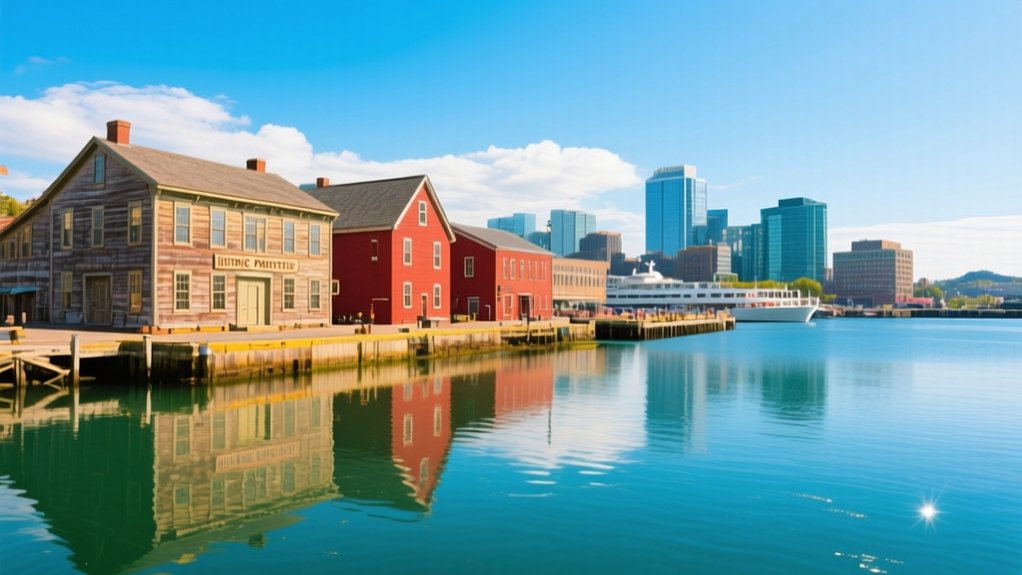
The terminal itself is functional but unremarkable outside busy periods. Shops and cafés immediately around the precinct exist mainly for cruise passengers and price accordingly. The better part of Halifax—where locals actually spend money—starts a short walk inland along Spring Garden Road and through the Historic Properties. The city doesn’t assault you with aggressive tourism infrastructure, which makes exploring genuinely easier than at ports that treat visitors as herds.
Weather turns without warning, regardless of what the forecast said when you boarded. Pack a waterproof layer and proper walking shoes, not as suggestions but as certainties. The terrain is hilly enough that your actual fitness level matters more than enthusiasm when you’re deciding what to do with your time.
Halifax has enough real character—independent bookshops, working fishing docks, legitimate maritime history—that you’ll get better value and a truer sense of the place by walking around independently than by joining guided tours at cruise ports. You need water views, decent food, and time in actual neighbourhoods. Everything fits together without requiring you to buy into cruise-package pricing.
Getting From the Port to Town
Halifax’s port terminal sits directly on the waterfront with the city centre visible from where you dock, which means you can walk straight into town without arranging any transport. Every minute you save on shuttles or taxis is time actually spent on shore rather than waiting around.
Walking is your most practical option. Head inland along Spring Garden Road, which slopes uphill but takes you past independent shops and cafés on the way into the neighbourhoods where Halifax functions as a real place rather than a cruise port attraction. The route is straightforward and costs nothing, leaving your money for things that actually matter to you.
If weather becomes genuinely difficult or walking isn’t feasible for you, taxis queue at the terminal for short journeys into the centre. Rideshare apps work if you have mobile signal, though waits can stretch during busy cruise days when multiple ships are in port. The cruise line’s organized transport exists but charges premium rates for a journey you could handle independently.
Before committing to any route, spend your first few minutes at the terminal getting oriented and checking the weather forecast. Wear a waterproof layer from the start since the hilly terrain means you’ll warm up quickly as you walk, and you’ll have protection if conditions worsen. By the time you reach Spring Garden Road proper, you’ll have developed an actual sense of how the city works rather than relying on impressions gathered from the pier.
The Must-Do Experience: Start Here
Most cruise passengers end up at the waterfront and Maritime Museum because that’s where the port funnels them, which guarantees queues and a surface-level experience. Halifax’s actual significance comes from its role as Britain’s North American naval base, a shipbuilding centre, and the entry point for immigrants arriving by the thousands, but you won’t grasp this by following the obvious route.
Start at the Citadel, the star-shaped fortress overlooking the city from above. The walk uphill from Spring Garden Road is steep, but once you’re there, the city’s geography becomes coherent in a way the waterfront never reveals, and you’ll already have seen something most cruise passengers miss. The costumed interpreters can explain the military history far more effectively than any museum label, which makes the entry fee worth the cost.
From the Citadel, work downhill toward the downtown streets, where independent cafés and second-hand bookshops show you how locals actually spend their time rather than what the port wants you to see. This direction—high to low—lets you move naturally through the city rather than fighting the crowds at the obvious spots. The layout works in your favour if you follow the terrain instead of fighting it.
Book walking tours or brewery visits through independent operators before your cruise arrives, as the better guides fill up quickly during peak season. Smaller groups run by local operators give you actual value compared to what the ship offers and you can actually hear what’s being said. Booking online in advance means you’re not scrambling once you’ve docked.
🗺️ Tours & Experiences at This Port
Skip the ship’s overpriced excursions — browse top-rated independent tours trusted by thousands of cruise passengers.
History Culture and the Top Sights
Halifax’s museums attract genuine interest but defeat casual visitors, so understanding what actually matters saves both time and money. The Maritime Museum of the Atlantic commands the waterfront and funnels every cruise passenger through its entrance, which means queuing outlasts learning—it’s competent enough but rarely justifies the entry fee when better alternatives sit nearby. The Citadel functions as the superior history experience because costumed interpreters and panoramic views accomplish what museum exhibits cannot: they demonstrate why Halifax mattered rather than simply stating it.
Standing inside the star-shaped fortification makes its strategic logic apparent, and the military narrative becomes tangible rather than theoretical. The entry fee is moderate and earned through quality interpretation, unlike the Maritime Museum where you’re largely paying for location. Your time here produces genuine understanding instead of passive observation.
Book a walking tour through an independent operator before you arrive rather than accepting whatever the ship offers. Local guides distinguish between buildings that matter and those that photograph well, and they answer questions instead of reciting prepared remarks. Tours fill quickly during busy seasons, so securing your place online in advance prevents scrambling when you dock or accepting whatever mediocre timeslot remains.
Downtown’s older architecture narrates a secondary historical account if you simply walk through without entering every building—the older streets show how people actually lived, which museums inevitably reduce to labelled objects. Spend your remaining hours in independent bookshops and smaller galleries rather than retracing the waterfront circuit that exhausted you earlier.
Beyond the Centre: Day Trips and Alternatives
Cruise passengers regularly book the Peggy’s Cove excursion without understanding they’re paying substantially more than independent travel costs, then spending half the day on a coach breathing recycled air. The lighthouse itself warrants the visit—the photographs represent it fairly—but the ship’s tour bundles it with gift shops and scheduled stops that compress your actual time at the cove into a frustrating rush.
Travelling independently means renting a car or joining a smaller private tour booked through local operators beforehand. Either approach costs considerably less and grants you flexibility to linger when light hits the rocks properly or skip the souvenir circuit entirely. The drive matters because you pass through working fishing villages where the landscape tells you something about Nova Scotia, rather than the edited highlights a tour guide selects.
If Peggy’s Cove doesn’t appeal, consider the South Shore towns of Mahone Bay and Lunenburg or the Annapolis Valley wine region—both reward independent exploration far more than structured excursions. Booking a small group tour directly with a local operator in advance secures better value and prevents you from being herded through predetermined experiences. Popular independent tours fill quickly during cruise season, so reserving online before you arrive prevents disappointment and often costs less compared to ship pricing.
Your port time genuinely stretches when you’re not confined to a coach schedule. Even visiting one alternative destination independently—whether coastal drives or rural villages—produces a more accurate understanding of the region than any waterfront circuit repeated daily to thousands of cruise passengers.
Shore Excursion or Going It Alone
The cruise desk profits by steering you toward its own tours, not by finding you the best value. When a half-day excursion costs three times what you’d pay booking directly with the operator, that difference matters to your wallet and your time.
Your decision comes down to two things: how comfortable you are arranging things independently and how much port time you have. If you’re landing in Halifax with eight hours ashore and no local knowledge, booking an independent tour online weeks beforehand typically gives you better value than anything the ship offers. Local operators with genuine expertise fill their slots quickly during cruise season, so waiting until you board leaves you either disappointed or forced toward the ship’s inflated backup options.
Going completely solo works best for straightforward goals like waterfront walks, specific museums, or exploring neighbourhoods on foot. You set your own pace without time pressure, which turns what could be a rushed experience into something genuinely useful to your understanding of the place. Car rental makes sense if you’re heading beyond the city centre, though booking in advance secures better rates than hoping something’s available when you arrive at the terminal.
The practical approach recognises which experiences require local knowledge or precise timing—a private tour to Peggy’s Cove or Lunenburg—and which don’t. Booking guided excursions independently before you arrive ensures you secure spots at popular destinations while maintaining flexibility for neighbourhood exploration on foot with a decent map and recommendations you’ve gathered beforehand.
🗺️ Tours & Experiences at This Port
Skip the ship’s overpriced excursions — browse top-rated independent tours trusted by thousands of cruise passengers.
Local Knowledge Worth Having Before You Dock
Halifax’s waterfront appears straightforward on maps until you arrive and realise the best-value food and actual local businesses sit beyond the cruise terminal‘s immediate perimeter. The restaurants and cafés visible from the ship operate on the assumption you have limited time and will accept higher prices accordingly. This pricing model is deliberate and consistent.
The ticket vendors near the terminal entrance, particularly those selling attraction bundles, work on commission and will steer you toward experiences that sound necessary but often rank lower on what locals actually consider worthwhile. Ask which single attraction residents genuinely recommend, then book it independently online beforehand—you’ll pay substantially less than queuing at the gate. The Citadel and Maritime Museum attract cruise crowds predictably, and advance online booking costs a fraction of what you’ll pay on arrival.
Taxi drivers outside the terminal will quote considerably more than the metered rate you’d pay if you walked a few minutes away and flagged one on the street. This pricing difference is real and immediate, so the counterintuitive choice to walk away from the terminal cluster actually saves money. Convenience stores within sight of the ship charge noticeably more for supplies than shops located further into the city.
Download offline maps before you arrive and identify one neighbourhood worth exploring—whether the North End for older character, the Spring Garden Road area for shops, or the quiet residential streets behind Citadel Hill. This approach transforms your port day from hitting tourist checkboxes into time spent understanding how the place actually functions. Your experience improves measurably when you navigate like a resident rather than a visitor.
🗺️ Tours & Experiences at This Port
Skip the ship’s overpriced excursions — browse top-rated independent tours trusted by thousands of cruise passengers.
Your Port Day: A Sample Itinerary
Most cruise itineraries waste the first hour queuing and the last hour rushing back to the ship. Start differently by walking directly away from the terminal as early as you can, heading toward Spring Garden Road or the North End depending on your energy level. This single decision removes you from the peak cruise crowd and sets a genuinely local pace for your day.
Your morning should centre on one substantial experience booked in advance. The Citadel rewards early arrival before midday crowds accumulate, and the Maritime Museum offers a quieter alternative if military history appeals less. Both cost considerably less when booked online beforehand than at the gate, and you’ll spend your time actually exploring rather than standing in queues.
By early afternoon, move toward food rather than more attractions. The North End neighbourhood contains genuine local spots where residents actually eat—small cafés and delis that cost a fraction of what waterfront venues charge. This is also where you’ll notice the city functioning as itself rather than as a cruise destination.
Your final hour should be deliberately unhurried. Leave the North End or Spring Garden with enough buffer to walk back to the terminal without rushing. The temptation to squeeze in one more attraction near departure time invariably leads to missed ships or expensive taxi rides.
🗺️ Tours & Experiences at This Port
Skip the ship’s overpriced excursions — browse top-rated independent tours trusted by thousands of cruise passengers.
Book your Halifax day
Tours for this port, compare before you book
Getting around in port
✈️ Before you sail: eSIM, insurance, luggage, flight delays
Ships In Halifax
Upcoming calls from our sailings tracker, updated regularly.
Majestic Princess
Princess CruisesThu 8 Oct
⚓ 13:00–21:00
Queen Mary 2
CunardFri 9 Oct
⚓ 08:00–18:00
Norwegian Breakaway
Norwegian Cruise LineFri 9 Oct
⚓ 10:00–20:00
Sapphire Princess
Princess CruisesFri 9 Oct
⚓ 09:00–18:00
Celebrity Silhouette
Celebrity CruisesSun 11 Oct
⚓ 10:30–18:00
ms Zuiderdam
Holland AmericaMon 12 Oct
⚓ 10:00–18:00