Corner Brook Cruise Port Guide
Uncover the authentic Newfoundland experience at Corner Brook’s working harbour—discover why cruise guides miss the best local secrets.
In this guide
Try one free personalised day plan — built around your ship’s actual arrival and departure times. Then get every port on your cruise done the same way from £7.99 (about $10).
Cruise Port Overview: What To Expect
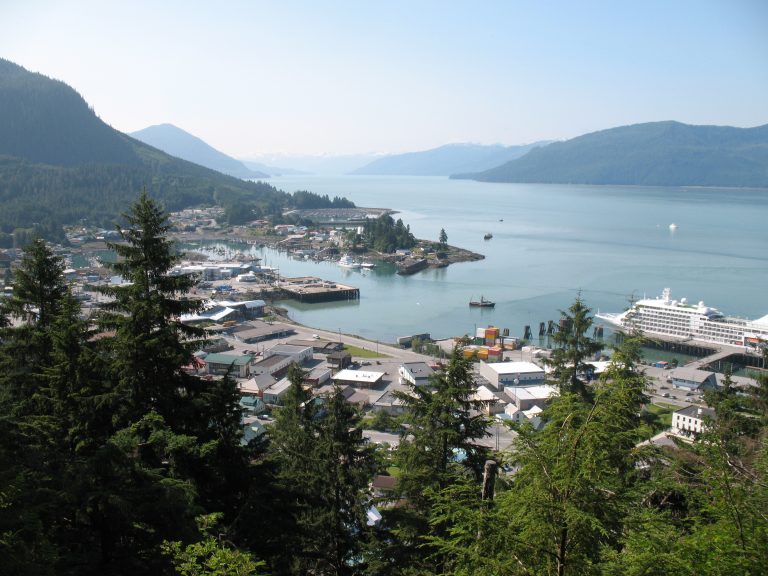
Corner Brook operates nothing like the Caribbean ports you might anticipate, which works in your favour if you want to move around without being jostled or worrying constantly about pickpockets. The town sits on Newfoundland’s west coast as a functioning harbour rather than a tourism construct, so what you encounter is actual working infrastructure and local life rather than staged attractions designed for cruise passengers.
The physical layout is straightforward. You walk straight off the ship into town, avoiding the bus shuttles and sprawling terminal complexes that waste your time elsewhere. Most worthwhile spots sit within reasonable walking distance, though the streets climb steeply and weather shifts without warning, so wear proper footwear and pack something waterproof even when the forecast looks clear.
What surprises most people is the absence of noise and pressure. Nobody haggles aggressively, vendor crowds don’t assault you, and residents treat visitors as guests rather than tolerable disruptions. Don’t expect department store shopping or resort beaches, though—this is a port with serious winters and a no-nonsense character that reflects that reality.
Your time ashore works best when structured beforehand. Book independent tours in advance because popular excursions to Gros Morne National Park and local walking routes fill up quickly during cruise season, which means you secure better rates and guarantee your day won’t vanish looking for activities. The ship’s own excursions charge substantially more than alternatives you can arrange independently.
Getting From the Port To Town
The walk from the dock into town takes around fifteen minutes, which means you skip the usual taxi negotiation entirely. Follow the other passengers off the dock and you’ll end up in the town centre without needing to ask for directions or arrange transport.
The streets climb steeply from the waterfront, so wear shoes with proper grip rather than anything flat or fashionable. Weather shifts fast on Newfoundland’s west coast—the forecast might promise sun, but conditions here do their own thing, so carrying a waterproof layer in your bag is cheap insurance against getting soaked.
If the walk feels too steep or the weather genuinely turns bad, taxi drivers wait near the terminal entrance and charge reasonable rates for short journeys into town. They won’t hassle you aggressively, so you can ignore them if you’d rather walk.
The real benefit is that you bypass all the port infrastructure mess. Unlike bigger cruise destinations, there’s no sprawling terminal to navigate, no shuttle queues, and no inflated transport costs. You leave the ship and you’re already in Corner Brook, not stuck in some tourist holding area. That extra hour you’ve reclaimed from logistics is yours to actually use exploring, rather than wasting it on bureaucratic faffing.
The Must-Do Experience: Start Here
Most first-time visitors to Corner Brook wander the waterfront for an hour, then settle into a café for the rest of the day. They leave wondering why they bothered. The actual reason to be here is the water itself—not as scenery, but as the reason Corner Brook exists at all.
The Humber River cuts through town and explains everything about this place. Salmon runs happen here, and watching the river move through the valley shows you why Newfoundland’s west coast matters, whether you fish or not. Walking the riverbank works, but booking a guided river tour beforehand is better—the decent operators get booked solid by cruise passengers, and they’ll show you what you’d miss alone, including eagle sightings and actual working landscape rather than the polished version.
If your time is short and you want to see real terrain, take a half-day hiking excursion to Blomidon or the highlands instead of shopping. These tours fill up during cruise season, so book online before you arrive rather than hoping for availability when you dock.
The other option is moving slowly through Corner Brook—coffee, a walk into the hills behind town, a proper meal that isn’t from the ship. Either approach works because you’re not here for crowds or commercial attractions. You’re here because the geography is genuine and the place operates at an honest pace.
History Culture and the Top Sights
Corner Brook’s cultural story revolves around industry rather than monuments, which means the museums here are genuinely interesting if you know what you’re looking for. The Corner Brook Museum and Archives tells you why this town matters—logging, pulp mills, and the people who worked them—rather than offering the sanitised heritage-site experience you find elsewhere.
Walking through town reveals the real history more honestly than any guided tour. The architecture mixes working-class neighbourhoods with the larger 1920s townsite houses built when the paper mill arrived, and the contrast between them tells you everything about how Corner Brook operated. You’re not here to tick off famous sights because the sights aren’t the point.
The character of the place—its genuine working town feel—is what distinguishes it from ports designed primarily for cruise passengers. If you want cultural context without the typical museum shuffle, book a local guide through independent tour operators before arrival. They’ll show you the riverside trails where loggers worked and explain what the landscape meant to generations of Newfoundlanders.
These guides fill quickly during cruise season, so securing one online beforehand is essential rather than risking disappointment when you dock. Skip the souvenir shops clustered near the cruise terminal; they cost considerably more than independent retailers in the town centre. Instead, spend your time where Corner Brook residents actually spend theirs—the river valleys, the working neighbourhoods, the local cafés away from the waterfront.
Beyond the Centre: Day Trips and Alternatives
Most cruise passengers stay in the harbour, so the boreal forest, river valleys, and working landscape inland remain unseen. Corner Brook’s actual character exists beyond the waterfront, where terrain shifts noticeably within a short journey.
The Humber River system structures the region and rewards attention. You can walk riverside trails yourself, tracing routes loggers once used, though a local guide converts these walks into something more useful—someone who knows which wildlife appears seasonally, how the industrial history shaped the landscape, and where cafés serve food that isn’t inflated for cruise terminals.
Book guides through local operators online before arrival, since the competent ones fill weeks ahead during cruise season and cost less when booked directly rather than through your ship. If guided walking doesn’t appeal, renting a car and driving the Trans-Canada Highway toward Gros Morne National Park shows you country that cruise brochures ignore. The park itself needs more time than a port day provides, but the drive itself matters.
Alternatively, take the local bus inland to settlements like Deer Lake, where you’ll see how people actually live rather than the polished waterfront version. This demands planning and research beforehand, but it costs a fraction of what your ship charges for comparable experiences, and you’ll reach places where cruise passengers are genuinely uncommon.
Shore Excursion or Going It Alone
The excursion desk will sell you their coach tours as though they’re your only sensible choice, which isn’t true—you’ve already paid considerably for your cruise, and handing over more money for a guided tour round streets you can walk yourself is poor value. Corner Brook‘s layout doesn’t suit the standard shore-excursion formula anyway, so what the ship offers tends toward the predictable: waterfront strolling you could do alone, a countryside drive that barely scratches the surface, or a salmon-fishing demonstration that costs far more than the experience warrants.
The real problem with organised excursions here is logistical rather than scenic. Fifty passengers need marshalling, counting, boarding, unboarding—the administrative overhead eats substantially into your actual port time, which isn’t generous to begin with. You end up standing around far more than exploring.
Going it alone works better because the worthwhile locations require planning rather than passive bus windows. If you’re comfortable driving on the right, rent a car and go where you choose, or hire a local guide independently through operators based in town—contact them several weeks ahead since the competent ones fill up during cruise season. A private guide will cost you less than a ship excursion and will actually know the river valleys and forest ecology that make the region worth your effort. You can also book guided tours directly with experienced local operators who understand the specific attractions and hidden gems that cruise passengers often miss.
If independent exploration feels too uncertain, book a small-group walking tour directly with a local operator instead of through the ship. You’ll pay a fraction of the cruise line’s markup, travel by minibus rather than a large coach, and stop where things actually interest you. The difference between a wasted afternoon and a genuinely worthwhile one usually comes down to whether you book direct or accept whatever the convenient option offers.
The Mistakes Cruise Passengers Make in Corner Brook
The port sits about a fifteen-minute walk from downtown, but it still pays to know which way to go—the ship’s desk won’t help with this. The town centre is reachable on foot from the terminal, but only if you know to head toward Broadway, which is the main street. Ask a crew member for directions before you leave the ship, or you’ll end up walking the waterfront in circles.
Your phone won’t work reliably near the docks, though the signal gets better once you’re into town. Download offline maps before disembarking. This matters practically on a port day when your time is already limited.
The riverside location actually works in your favour rather than against it. While the cruise lines sell generic Newfoundland experiences, the actual landscape—the Humber River Valley and the boreal forest around it—lies beyond what most passengers see. If you walk past the waterfront promenade, you’ll find fewer people competing for the same views and trails that are genuinely quiet.
Local accommodation operators and small-group tour companies don’t appear on the ship’s screens, and they cost considerably less than what the excursion desk charges. Contact them two weeks ahead by phone or email; the decent local guides and minibus operators fill their schedules during cruise season, and walk-up availability disappears quickly.
Your Port Day: A Sample Itinerary
Corner Brook gives you roughly eight hours ashore, which is enough time to see something genuine if you start deliberately rather than drifting toward the waterfront gift shops like everyone else.
Head into town first thing. Walk Broadway straight from the terminal—you’ll pass the Anglican Cathedral and reach the town centre within twenty minutes on foot. Stop for breakfast at a local café rather than the overpriced chain near the docks; the coffee is better and you’ll spend half what you’d hand over on the ship. This is also when you grab lunch supplies if you’re planning an afternoon walk.
By mid-morning, decide whether you want to stay close or venture into the Humber River Valley. If you’re moving beyond town, book a small-group walking tour or guided wilderness experience through a local operator in advance—these fill quickly during cruise season and cost considerably less than the ship’s excursion desk charges. If you’re staying local, spend an hour at Margaret Bowater Park, which is manageable on foot and gives you genuine green space without the crowds choking the promenade.
For your final hours, walk the Corner Brook Stream Trail, the most popular walking route in town. You’ll leave the cruise passengers behind almost immediately. Time this so you’re back at the terminal with forty minutes to spare—the ship won’t wait, and your relaxation time after departure is worth more than a last-minute shopping sprint.
Book your Corner Brook day
Tours for this port, compare before you book
Getting around in port
✈️ Before you sail: eSIM, insurance, luggage, flight delays
Ships In Corner Brook
Upcoming calls from our sailings tracker, updated regularly.
ms Volendam
Holland AmericaSun 13 Jun
⚓ 10:00–18:00
ms Volendam
Holland AmericaWed 21 Jul
⚓ 08:00–17:00
ms Volendam
Holland AmericaFri 27 Aug
⚓ 08:00–17:00
Caribbean Princess
Princess CruisesWed 22 Sep
⚓ 07:00–19:00
Caribbean Princess
Princess CruisesWed 13 Oct
⚓ 07:00–19:00
Caribbean Princess
Princess CruisesSat 19 Aug
⚓ 07:00–19:00