Hubbard Glacier Cruise Port Guide
A complete guide to maximizing your Hubbard Glacier cruise experience—but here’s what most travelers get wrong.
In this guide
Try one free personalised day plan — built around your ship’s actual arrival and departure times. Then get every port on your cruise done the same way from £7.99 (about $10).
Cruise Port Overview: What to Expect
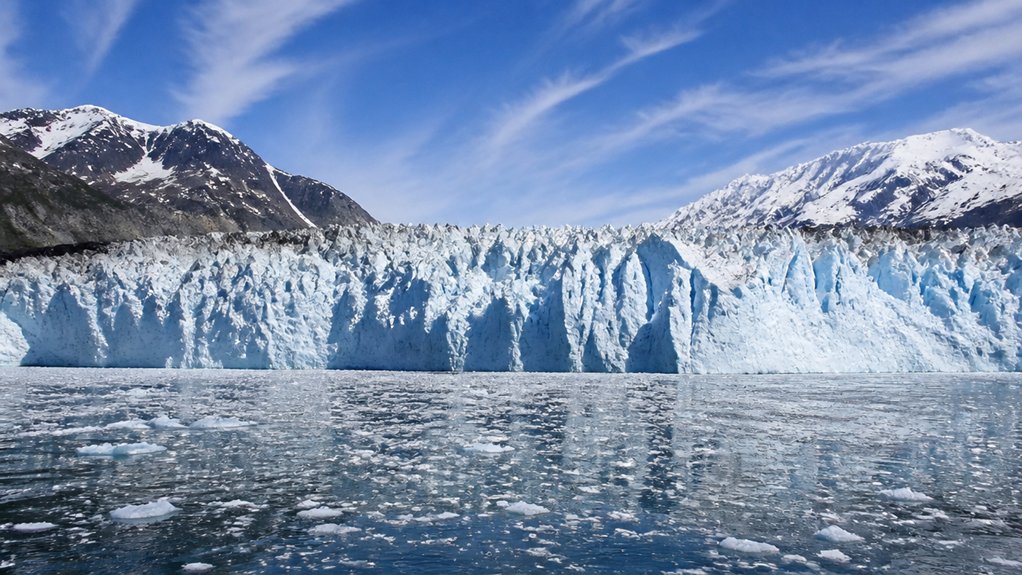
Hubbard Glacier has no port town and nowhere to go ashore. Your ship anchors in open water and you stand at the rail watching one of North America’s largest tidewater glaciers shed chunks of ice into Disenchantment Bay. This is a scenic cruising destination, not a traditional port, which means the glacier itself is your entire experience and the day depends entirely on weather and ice activity.
The glacier’s ice face spans six miles wide and rises 400 feet above the water, with icebergs the size of buildings calving off throughout the day. You cannot arrange independent shore excursions because there is nowhere independent to go. Everything you do—kayaking, helicopter tours, wildlife cruises—must be booked through your ship or arranged before departure through outside operators who coordinate with the vessel.
Book these activities on your first day aboard if you have not already arranged them. Your other option costs nothing: find a spot on deck early, bring binoculars, and watch calving events. Weather matters here more than at most ports. Fog, rain, and ice buildup can keep your ship several miles from the glacier face, limiting what you actually see. On good days, you get dramatic ice falls and icebergs drifting past. On poor days, you stand in the cold watching very little.
Wear layers because the wind off the water is genuine and you will be standing still for hours. The onboard restaurants will be quieter than usual, which means you can actually get a table without the typical queues.
Your Day On Board
Your ship anchors and stays there for the entire visit. No tenders will ferry you anywhere and no tours will depart from a dock because there is no dock infrastructure. You are already at your destination. This means your planning should happen before you board. Book any activities you want directly through your cruise line or through independent operators who coordinate with the ship.
If you would rather skip paid activities and simply watch from the deck, position yourself at the rail with decent binoculars, wear appropriate cold-weather clothing, and let the glacier provide the spectacle. The view requires no booking, no organisation, and no regret. Mid-morning light works best for photographs, so if you have booked activities, push them to the afternoon instead. This gives you uninterrupted time at the rails during optimal viewing conditions.
The ship might spend six hours or more anchored here, which means you have time to watch patiently. Calving happens without notice, so your advantage is simply being outside early before other passengers crowd the rails, with binoculars focused on the ice face rather than the scenery around it. The glacier provides what drew you here: massive blocks of ice breaking into the water, tidewater geology that you will not see elsewhere, and occasional seals resting on floating chunks of ice.
What You Will See
Hubbard Glacier is a tidewater glacier, meaning it flows directly into the sea. The ice face constantly sheds pieces ranging from refrigerator-sized chunks to building-sized icebergs, producing loud cracking sounds and massive splashes visible from the ship. The glacier continues to advance, unlike many others in Alaska that are retreating, which means it remains visibly active during your visit.
The icebergs that break off float in the bay for hours or days before drifting away. Harbour seals often haul out on these ice chunks, resting between feeding sessions. The water around the glacier appears distinctive shades of blue and grey from suspended glacial silt, which photographers and viewers find dramatic.
On clear days, you can see Mount St. Elias (18,008 feet) rising in the distance, though fog and rain frequently obscure the surrounding peaks. The overall impression is of raw, active geology happening in real time rather than a static scenic attraction you can check off your list.
Tours and Excursions
Your ship’s excursion desk will offer kayaking tours, helicopter flightseeing, and wildlife cruises, all operating from the vessel itself. These fill quickly on full sailings, so booking on your first day aboard is essential if you have not already arranged them before departure. Independent operators also work from the dock and coordinate with cruise ships, often at lower rates than the ship charges, though you must book before arriving.
Kayaking puts you at water level among the icebergs, which provides a genuinely different perspective from the ship’s rail. Helicopter tours offer a bird’s-eye view of the glacier and surrounding mountains. Wildlife cruises focus on spotting seals, eagles, and other animals in the area. All of these require advance planning because the glacier draws multiple cruise ships simultaneously during peak season, and available slots fill quickly.
If you prefer no paid activities, standing at the rail with patience and binoculars is entirely legitimate. You will see the glacier, experience its scale, and leave satisfied without spending anything beyond your cruise fare.
Practical Tips
Bring a camera with a full battery and a zoom lens or good binoculars. The dramatic moments happen without warning, and you do not want to miss them scrambling for your phone or stepping inside to charge something. Waterproof gear helps because spray occasionally reaches the deck, though you are primarily observing from the ship rather than being directly exposed to the weather.
Dress in genuine cold-weather layers. The wind off the water makes the temperature feel colder than it actually is, and you will be stationary for extended periods. Bring a book or a conversation partner because watching for calving events tends to involve significant waiting, punctuated by brief moments of drama.
The glacier’s accessibility depends on ice conditions and weather. Ships sometimes cannot approach closer than half a mile due to dense ice accumulation. On better days, they get much closer. Plan your visit around the principle that this destination is about patience and good fortune rather than guaranteed perfect conditions.
History and Context
Hubbard Glacier has surged twice in the past thirty years, advancing so far that it briefly converted Russell Fiord into a freshwater lake before water pressure breached the ice dam. These are recent, dramatic geological events that give the glacier additional interest beyond its mere size. The glacier owes its continued advance to heavy snowfall in the Saint Elias Mountains, which feed the ice stream faster than it melts—a countertrend to most Alaskan glaciers.
The region has limited permanent settlement. Yakutat, the nearest town, sits roughly 30 miles away and is reachable only by air or sea, which is why cruise ships remain the primary way visitors access Hubbard Glacier. Indigenous Tlingit people have inhabited this region for centuries, though the modern tourism infrastructure is entirely cruise-ship dependent.
Book your Hubbard Glacier day
Tours for this port, compare before you book
Getting around in port
✈️ Before you sail: eSIM, insurance, luggage, flight delays
Ships In Hubbard Glacier
Upcoming calls from our sailings tracker, updated regularly.
Norwegian Jade
Norwegian Cruise LineTue 4 May
ms Westerdam
Holland AmericaWed 5 May
⚓ 08:00–13:00
ms Zaandam
Holland AmericaWed 5 May
⚓ 13:00–16:00
Coral Princess
Princess CruisesThu 6 May
⚓ 08:30–13:30
Discovery Princess
Princess CruisesSun 9 May
⚓ 12:00–17:00
Anthem of the Seas
Royal CaribbeanMon 10 May
⚓ 10:00–14:00