St John’s Cruise Port Guide
The authentic St John’s experience lies beyond Water Street’s tourist traps, but do you know where?
In this guide
Try one free personalised day plan — built around your ship’s actual arrival and departure times. Then get every port on your cruise done the same way from £7.99 (about $10).
Cruise Port Overview: What To Expect
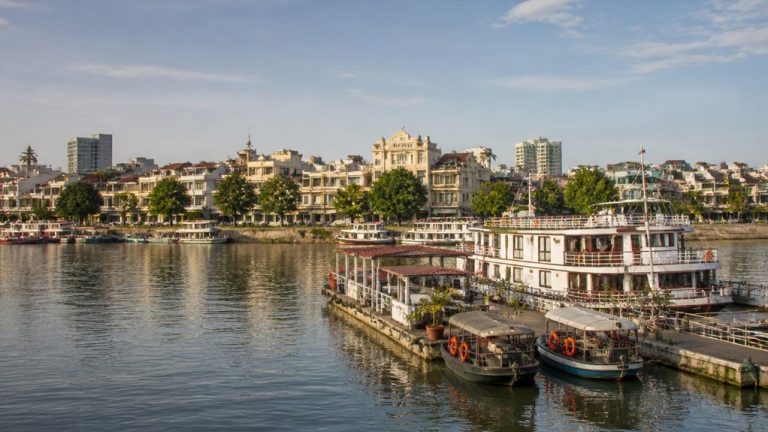
St John’s presents itself as smaller than Atlantic ports typically do, which gives you actual room to move around. The downtown area is walkable from the dock, though the harbour sprawls into a deep inlet that can confuse your sense of direction if you’re not tracking where you’ve come from.
Your ship ties up in the working harbour, roughly a walk away from Water Street, which is the main commercial zone filled with the predictable mix of shops, cafés and restaurants. Prices here run higher than inland because tourism drives the market, and the shops repeat what you’ve already seen at other ports, so there’s nothing worth rushing toward.
The real benefit of St John’s is that it hasn’t been swamped by cruise traffic the way some ports have, so you’ll see locals conducting normal business rather than serving an industry. Duckworth Street and the surrounding neighbourhoods inland contain actual restaurants, independent bookshops and the kind of ordinary life that Water Street abandoned years ago.
Move into the city centre rather than spending your time at the dock. The hills around the harbour have steep climbs and offer views, but they’ll drain your energy, so prioritise the neighbourhoods where people work, live and eat if you want to understand what the place is actually like.
Getting From the Port To Town
The walk from ship to town centre takes longer than it appears because the harbour layout is deceptive—Water Street seems much nearer than it actually is. Skip the taxi rank unless you’re carrying luggage you genuinely can’t manage yourself; the route on foot is clear enough once you push through the initial climb away from the waterfront.
Head uphill toward the commercial district rather than stopping at the dock-side shops, where prices run considerably higher than anywhere else in the city. The steeper section passes quickly, and the ground levels out once you reach the main streets. Budget cafés and actual local businesses begin appearing the moment you move inland from the touristy waterfront area.
Book an independent guide in advance if you want a structured tour of the city or surrounding countryside rather than purchasing a ship excursion. Cruise packages tend to include unnecessary waiting periods and inflated costs, and popular local operators fill with cruise passengers rapidly. Arranging it yourself online beforehand guarantees you won’t waste half your day ashore waiting around.
Walking gives you complete control over your pace and lets you turn into side streets whenever something interests you. There’s no real benefit to organised transport for a port this size, provided you’re willing to handle uphill sections and don’t mind backtracking occasionally. Decent walking shoes will get you through the entire port without trouble.
The Must-Do Experience: Start Here
Most cruise passengers stay on Water Street buying things they don’t need, missing what actually matters in St John’s. The real city exists inland, where people live and eat and spend money on things that aren’t marked up for tourists. Once you leave the waterfront, the place becomes legible.
The colonial row houses are worth your time because they’re functioning streets, not exhibits behind barriers. You can walk past the architecture for free and see how the colour schemes work in context. Cafés and independent shops line these streets, and the prices reflect what locals pay rather than what cruise operators think you’ll accept.
A walking tour through a local operator beats the ship’s package because independent guides know which pubs have decent food and can change direction if something interests you. You should book in advance because popular operators fill with cruise passengers fast, and you’ll usually pay less than the ship’s equivalent. The guide becomes useful only if they adjust to what you actually want to see rather than rushing through predetermined stops.
Wander without a fixed route and let yourself turn into side streets without purpose. Stop when something catches your eye and backtrack if you’ve gone the wrong way. Consider purchasing a local eSIM data plan to stay connected while exploring without incurring roaming charges. St John’s responds better to genuine curiosity than to rushing through a checklist.
History Culture and the Top Sights
St John’s has packed its entire identity into a few square blocks of colonial architecture, so the history announces itself whether you’re looking for it or not. The colourful row houses aren’t relics—they’re occupied, used for work, and sometimes converted into restaurants or galleries, which means the city’s past actually shapes what happens there now rather than existing as a backdrop.
Signal Hill dominates the skyline and shows you the essentials without needing explanation. You can see where the harbour narrows, understand why the city held strategic importance, and trace how geography dictated the city’s layout. The view is free and tells you more about St John’s than you’d get from reading about it elsewhere.
Cabot Tower sits at the hill’s top with modest exhibits on exploration and local history. The climb itself matters more than what’s inside—the tower’s modest exhibits on exploration and local history feel secondary to the views you get from the top. Most people who visit skip the interior entirely, which is a reasonable choice if your time is limited.
The Anglican Cathedral on Church Hill was badly damaged in the great fire that destroyed much of the city and was later restored, a reminder of St John’s’ difficult history with disaster. You can walk in without fuss, and the plain interior contrasts with the ornate outside. It’s genuinely worth visiting because it’s an active church where you can sit without anyone performing anything for you.
Beyond the Centre: Day Trips and Alternatives
Most cruise passengers who venture beyond St John’s centre find that the Avalon Peninsula‘s actual appeal lies in smaller communities and coastal landscapes—places the ship tours compress into a single excursion but independent travel lets you experience properly. Cape Spear sits outside the city and offers Atlantic geology without the queues. The easternmost point of North America feels genuinely isolated even twenty minutes from the harbour, and the lighthouse functions as a functional structure rather than a photo opportunity requiring explanation.
You can walk the headlands and watch for icebergs depending on the season, returning to the city centre well before your ship departs. Witless Bay Ecological Reserve requires a boat trip, which is precisely why many passengers skip it—but this decision matters more than most. The puffins, razorbills and murres nest on islands you can actually see and photograph from water level rather than study through binoculars from a distance.
Independent tour operators who understand the birds and tides use smaller boats than the ship’s excursions, which means you avoid queuing with hundreds of other passengers to board. Guided tours and shore excursions booked directly with local operators often provide more personalized experiences than those offered through your cruise line. Book ahead online because the best operators fill quickly during peak season. You’ll pay less than the ship’s equivalent offering and spend your time with people who genuinely care about seabirds rather than those treating it as one box to tick on their shore excursion list.
If weather closes the water routes, Cape Spear remains a reliable backup plan and requires no advance booking at all.
Shore Excursion or Going It Alone
The ship’s shore excursion desk will charge you considerably more than you need to pay and deliver you into queues with five hundred other passengers on the same schedule. This matters less for Cape Spear, where you’re fundamentally paying for transport you could arrange yourself, and considerably more for Witless Bay, where the difference between a crowded ship tour and a specialist operator with twelve people in a smaller boat genuinely changes whether you see puffins or just hear about them from someone who did.
Independent tour operators based in St John’s understand the tides, know which islands the birds favour on any given day, and—this is vital—they fill their boats before the cruise ship passengers arrive at the visitor centre. Book online in advance and you’ll secure a spot on a boat departing earlier, returning earlier, and charging a fraction of the price the ship quotes. The best operators are booked solid well before your ship docks, so waiting until you’re ashore isn’t a workable strategy. You can explore guided excursions at ports worldwide to find reputable operators with strong track records of customer satisfaction.
Your time advantage matters more than the cost saving. A ship excursion to Witless Bay involves queuing to board a coach, travelling with crowds, queuing again at the reserve, and watching other passengers jostle for camera angles. An independent operator gets you on the water sooner, keeps groups small enough that you’re not competing for sightlines, and returns you to the city centre with hours of your port day still available for wandering Gower Street or finding proper coffee that doesn’t come from a chain.
St John’s: Practical Details Worth Reading Twice
St John’s empties out once you leave Water Street. Most cruise passengers never get past the waterfront shops, which means the art galleries, bookshops, and restaurants where locals actually eat stay quiet even when three ships are docked. This isn’t because these places are hard to find—it’s because most people don’t bother looking.
Download the city map before you leave the ship. You’ll move faster than the crowds around the visitor centre, and you won’t waste time asking directions when you could be walking. The streets follow a grid once you’re past the harbour, and staying oriented is straightforward if you keep the water behind you.
Time your museum visits around the cruise schedule. The Rooms—the provincial art gallery and museum—draws steady foot traffic, but the real crush doesn’t arrive until mid-morning. You can spend a solid couple of hours there before passengers flood in, or you can go back mid-afternoon when half the ship has already returned.
Eating on Water Street costs more than it should and tastes like everywhere else. The side streets between Water Street and Gower Street have proper restaurants where locals actually sit down, and your money goes further. The independent cafés scattered through the east end make better coffee than the chains carpeting downtown—they’re worth the walk.
Your Port Day: A Sample Itinerary
Most St John’s port days fail because passengers spend their best hours queuing at three predictable shops while the useful parts of the city remain unexplored. The problem isn’t scarcity of things to do—it’s poor timing and following the crowd.
Start your morning at The Rooms before the cruise passengers arrive in volume. Walk straight up Gower Street from the harbour and you’ll be in the galleries within minutes while Water Street remains congested with people buying identical postcards. Ninety minutes here gives you substantially more exposure to St John’s culture than most cruise passengers experience in an entire day.
By late morning, walk east towards the neighbourhood galleries and independent bookshops beyond downtown. These areas have enough space that you can actually look at things without being shuffled along by crowds. Stop for lunch at a side-street restaurant between Water Street and Gower Street where the food is genuine and the prices reflect what locals pay rather than what tourists expect to pay.
For the afternoon, book an independent tour in advance if you want to go beyond the city centre. Popular tours to Cape Spear or the Witless Bay islands get filled quickly with cruise passengers, and booking online beforehand secures your place and typically costs less than the ship’s own version. If you’re staying downtown instead, walk back through the east end and find one of the independent cafés for coffee before returning to the port.
What you’ll have seen is the actual city rather than the version scheduled around cruise ship timing.
Book your St John’s day
Tours for this port, compare before you book
Getting around in port