Reykjavik Cruise Port Guide
Spend your Reykjavik port day like a local, discovering hidden gems beyond the Golden Circle—but first, know what seasoned cruisers won’t tell you.
In this guide
Try one free personalised day plan — built around your ship’s actual arrival and departure times. Then get every port on your cruise done the same way from £7.99 (about $10).
Cruise Port Overview: What to Expect
Where your ship docks decides how you reach the city centre. Smaller ships use the Old Harbour, within walking distance of everything; most larger ships use Skarfabakki, about 4 km east, which is roughly a 40-minute walk, so check whether your cruise line runs a shuttle. Once you’re in town, most of what matters is accessible on foot. Iceland’s weather ignores your plans entirely, so pack waterproof layers regardless of what the forecast promises, and prepare for wind that’s actually forceful rather than merely annoying.
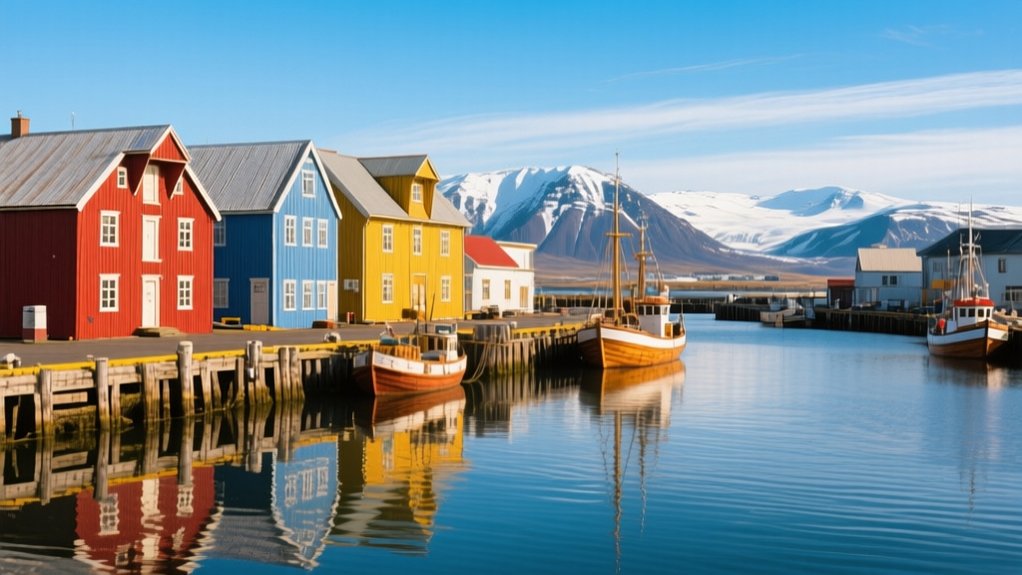
The terminal itself offers standard facilities without any particular character, but stepping outside changes things immediately. The Old Harbour, where smaller ships tie up and where most shuttles drop you, has been redeveloped in recent years and now contains restaurants, shops and museums alongside actual fishing boats still working the water. It’s oriented toward tourists, certainly, but it doesn’t have that artificial quality that plagues many cruise ports.
The city stretches inland in a logical grid pattern, with most attractions and decent places to eat within walking distance or a quick bus ride away. Reykjavik itself lacks the dramatic landscapes you probably came to Iceland to experience—those exist beyond the port area—but you’ll find several hours of genuine exploration worthwhile before deciding whether to venture further. The architecture here matters; the buildings document how a nation transformed itself from a fishing settlement into a functioning capital in roughly a century.
Getting From the Port to Town
From the Old Harbour the walk from ship to city centre is short and flat. From Skarfabakki it’s a long 4 km along the shore road, so most people take the ship’s shuttle or a taxi; walking only makes sense in good weather with plenty of time. Either way Reykjavik’s streets are easy to navigate once you’re there.
From the Old Harbour, head a few minutes inland and you’re in the city grid. The route passes the harbour’s redeveloped shopping and dining area, then rises gently to Laugavegur, the main commercial street. You’ll notice the colourful corrugated iron houses everywhere—they’re worth stopping for.
If the weather turns genuinely foul, a taxi or city bus will get you into town in a few minutes, but once you’re in the centre, walking is preferable even in rain because Reykjavik at ground level rewards exploration. You notice the architecture more, spot the local cafés and bookshops that actually matter, and arrive in town already oriented rather than confused about where anything is.
Taxis exist but cost considerably more than you’d expect for such a short distance. Save them for the return journey if you’re tired, or skip them entirely. Your legs will get you where you need to go, and the route itself is worthwhile rather than something to rush through.
The Must-Do Experience: Start Here
Most cruise passengers waste their Reykjavik morning queuing for the Golden Circle tour coach to fill. You don’t need to join them.
The real advantage here is that Reykjavik operates at a human pace that actually rewards your presence. Start with coffee at a local café somewhere off Laugavegur’s main drag. This tells you more about how Icelanders actually live than any organised excursion will—you’ll notice the reading culture, the design minimalism, the fact that people genuinely seem calm at nine in the morning.
If you want something structured, book an independent Golden Circle tour instead of the ship’s option. These depart earlier, cost less, and fill through advance online booking rather than on arrival. You can also explore guided tours at cruise ports worldwide to compare options before your voyage. You’ll complete the Þingvellir, Geysir and Gullfoss loop with time to spare before returning to the harbour—book this the moment you book your cruise.
For those staying close to the ship, walk through the Old Harbour‘s east side where the actual character is, not the restaurants with laminated menus. Local fishermen work here alongside proper Icelandic restaurants and small galleries. Spend your time simply walking and watching the street life instead of chasing waterfalls—you’ll understand Reykjavik far better than someone who’s only seen the coach window version.
🗺️ Tours & Experiences at This Port
Skip the ship’s overpriced excursions — browse top-rated independent tours trusted by thousands of cruise passengers.
History Culture and the Top Sights
Most visitors shuffle through Reykjavik’s history as an interval between natural attractions, treating it as background noise. The real story—how Iceland moved from medieval subsistence to modern prosperity within a generation—matters more than any geyser you’ll see, and understanding it changes how you read the city itself.
The National Museum operates on the edge of town and presents this transformation without flourish. You move through Viking settlement objects, then skip centuries forward to understand why Icelanders guard their independence so carefully and why their design choices feel so considered rather than accidental. The crowds stay thin, which means you can actually spend an hour thinking rather than rushing through like most cruise passengers do in half that time.
Hallgrímskirkja dominates the skyline as architecture first and spiritual space second. Climb it when weather permits—the view shows you how genuinely small and exposed this city sits. Avoid the queues during peak cruise hours by going early or returning late afternoon.
The Settlement Exhibition occupies underground space and displays Viking-age ruins excavated from beneath the modern street. It’s straightforward rather than elaborate, which is precisely why it works. Most passengers skip it entirely, so you’ll have the ruins more or less to yourself.
Walk down Aðalstræti afterwards since this is actually where the city began and it has absorbed tourism without becoming a caricature. The street holds galleries and independent shops rather than mass-produced souvenirs, and wandering it teaches you how Reykjavik moves at its own deliberate pace. Find a café where Icelanders actually eat lunch and you’ll have learned something real about the place.
Beyond the Centre: Day Trips and Alternatives
The ship excursion to Iceland’s famous natural attractions costs considerably more than booking independently and moves at the pace of the slowest walker in your group. You lose hours to coach travel and scheduled stops, arriving back with just enough time to rejoin the ship feeling rushed rather than satisfied.
Independent tour operators offer better value and flexibility. Book in advance online, as the most competitive tours fill quickly during cruise season and you’ll secure departure times that work with your ship schedule. Operators collect passengers from the harbour or nearby meeting points, meaning you skip the coach-park shuffle entirely and start your day moving rather than waiting.
The Golden Circle loop—Þingvellir, Geysir, Gullfoss—justifies the journey. You’re seeing the geological and historical bones of Iceland rather than scenic decoration. Going independently lets you linger where it matters and skip the crowded photo stops where everyone else clusters.
The Blue Lagoon requires advance booking regardless, so reserve your slot online before you arrive. The lagoon itself delivers what it promises: milky blue water, geothermal warmth, silica mud that actually works on your skin. The crowds are real, but arriving early or late afternoon thins them considerably.
If natural attractions feel too familiar from photographs you’ve already seen, consider instead spending your day properly exploring Reykjavik itself. The museums, the neighbourhoods beyond the tourist strip, a long lunch where locals eat—these offer a different kind of value. Some ports demand escape; this one rewards staying put.
Shore Excursion or Going It Alone
If your ship is at the Old Harbour, the cruise terminal sits a short walk from central Reykjavik and you won’t need the shuttle bus. From Skarfabakki the shuttle or a taxi makes more sense, as it’s a long walk rather than a downhill stroll. Whichever it is, check the journey time on the way in and you’ll solve your departure timing problem immediately—you’ll know when to head back to catch your ship.
Reykjavik’s timing throws people off. Restaurants don’t serve lunch until midday, and they don’t fill up until later. Show up at a neighbourhood bistro at noon and you’ll get a table with actual service rather than being rushed through as part of the cruise crowd. The difference in food quality and experience is substantial.
The currency is the Icelandic króna, not the Euro, though cards are accepted almost everywhere. ATMs are everywhere in the centre, but anything within a couple of blocks of the harbour costs more. Walk into the residential areas and prices fall noticeably. The shops near the waterfront charge for convenience, so if you want souvenirs, go where locals shop and you’ll pay considerably less for the same items.
Weather shifts without notice, so pack layers regardless of what the morning forecast promises. You’ll watch cruise passengers shivering in inadequate jackets while locals in proper windproofs walk past unbothered—it’s not about toughness, it’s about having the right gear. One decent waterproof layer separates a manageable day from a miserable one.
🗺️ Tours & Experiences at This Port
Skip the ship’s overpriced excursions — browse top-rated independent tours trusted by thousands of cruise passengers.
Small Things That Make a Difference in Reykjavik
Most cruise passengers accept that the Golden Circle tour consumes a full day and drains their account through the ship’s booking desk. This assumption costs you money and time. You can visit Þingvellir, Geysir, and Gullfoss independently in half the time for substantially less, and you’ll skip the commentary forced on you and the gift shop designed to separate you from your wallet.
Book your independent tour online before arrival. The operators who actually know what they’re doing fill their departures weeks ahead, and waiting until you’re docked means paying premium rates for whatever slots remain—usually the awkward timings that either rush you or cut into your evening. Securing your booking in advance guarantees departure times aligned with your ship’s schedule, which matters entirely when you’re working against a fixed return deadline.
Independent touring gives you two genuine advantages beyond cost savings. You stop when something interests you rather than when the guide’s itinerary permits, and you eat lunch at places locals choose instead of restaurants paying commission to the tour operator. You’ll also photograph without jostling for position against dozens of other passengers rotating through the same compositions.
Weather determines whether your day works, not which route you take. Check conditions that morning and adjust your plans accordingly—if the highlands sit under cloud cover, Reykjavik’s museums and neighbourhoods will use your time better and attract fewer cruise passengers than you’d expect. Spending a day inside looking at exhibits beats shivering on exposed moorland watching nothing but fog.
🗺️ Tours & Experiences at This Port
Skip the ship’s overpriced excursions — browse top-rated independent tours trusted by thousands of cruise passengers.
Your Port Day: A Sample Itinerary
Most cruise passengers waste their morning queuing for the Golden Circle tour when Reykjavik actually rewards proper exploration on foot. The city itself functions as a real place rather than a backdrop, which is precisely why staying put makes sense for your few hours ashore.
Start with breakfast at one of the independent cafés along Laugavegur instead of eating aboard ship. Walk uphill toward Hallgrímskirkja and climb the tower—the vantage point lets you orient yourself by actual landmarks and shows you which neighbourhoods are worth revisiting at street level. This initial climb clarifies the city’s geography far better than any guidebook section.
Your middle hours work best if you move through Reykjavik’s functional districts rather than the tourist quarter. The National Museum sits outside the main cruise-passenger routes and provides actual historical context without the crowds. Alternatively, walk through residential Pósthússtræti and Skólavörðustígur where you’ll encounter second-hand bookshops, independent galleries, and lunch places that charge according to local wages rather than seasonal demand.
When weather cooperates, allocate your afternoon to either Þingvellir or Reykjanes Peninsula if you’ve arranged transport beforehand. Ship-based excursions lock you into their schedules and move large groups rapidly through both locations, which means queuing rather than observing. Independent operators depart at flexible times with smaller numbers, giving you actual room to experience the landscape without constantly sidestepping other passengers—but you’ll need to book these before arrival since what remains available dockside tends to cost more and fits poorly with your ship’s timetable. Consider purchasing a local eSIM data plan to navigate independently and stay connected throughout your explorations without incurring roaming charges.
Book your Reykjavik day
Tours for this port, compare before you book
Getting around in port
✈️ Before you sail: eSIM, insurance, luggage, flight delays
Ships In Reykjavik
Upcoming calls from our sailings tracker, updated regularly.
Fred Olsen Bolette
Fred OlsenTue 11 May
MSC Preziosa
MSC CruisesThu 20 May
⚓ 10:00–18:00
ms Zuiderdam
Holland AmericaSat 29 May
⚓ 07:00–23:00
MSC Preziosa
MSC CruisesFri 11 Jun
⚓ 10:00–18:00
ms Rotterdam
Holland AmericaSun 13 Jun
⚓ 07:00–21:00
Regal Princess
Princess CruisesTue 15 Jun
⚓ 07:00–19:00