Turks and Caicos Cruise Port Guide
Insider secrets to experiencing Turks and Caicos beyond the cruise terminal—but most passengers never discover them.
In this guide
- Cruise Port Overview: What To Expect
- Getting From the Port To Town
- The Must-Do Experience: Start Here
- History Culture and the Top Sights
- Beyond the Centre: Day Trips and Alternatives
- Shore Excursion or Going It Alone
- Turks and Caicos: The Details Nobody Mentions at the Port Talk
- Your Port Day: A Sample Itinerary
Try one free personalised day plan — built around your ship’s actual arrival and departure times. Then get every port on your cruise done the same way from £7.99 (about $10).
Cruise Port Overview: What To Expect
Grand Turk Island’s cruise port is a purpose-built cruise centre at the south-western tip of the island — your ship docks alongside the pier and you walk straight off into the cruise centre, with its shops, bars and beach. The island’s main town, Cockburn Town, is about three miles north, so you’ll need a taxi to get there. Outside the cruise centre taxi drivers operate independently, so agree on your fare before getting in the car.
The island supports roughly two thousand permanent residents, so you won’t face the congestion you’d encounter in Nassau or Cozumel. This matters practically: restaurant tables are available, taxi queues move quickly, and you’re not jostling past crowds from five other ships. The tradeoff is that services close earlier and options are genuinely limited compared to larger ports.
A short taxi ride north brings you to Duke Street in Cockburn Town, and the old town itself is walkable in an hour or so. However, the heat is substantial and shade is scarce, so this works better as a quick browse than a prolonged shopping trip. Most people come here for water activities rather than retail, which is the realistic priority given what the island actually offers.
If you want to snorkel or dive, book your tour before arriving at port since the better operators fill quickly and advance booking secures better rates. Waiting around hoping a spot opens up wastes your limited time ashore, and last-minute options tend to be overbooked or poor value. The water is genuinely the point of being here, so plan your time accordingly rather than defaulting to street shopping.
Getting From the Port To Town
Getting from the port to town depends on what you’re doing that day. If you’re heading straight to the beach or water activity, walking makes sense and keeps money in your pocket. Beyond Duke Street, though, a taxi becomes practical—the heat and missing pavements make longer walks uncomfortable.
Taxis gather near the dock when ships arrive, though there’s no formal queue system. Talk to drivers about where you’re going and agree on a fare before you get in, since there are no meters. Rates for short town journeys are cheap, while trips to outlying beaches or operators cost more but still less than you’d pay at busier cruise ports.
If you’ve booked a snorkel or dive tour in advance, your operator typically handles port pickup or will meet you on Duke Street. Independent companies give you better value, smaller groups, and no cruise line markup, so booking online ahead of time means you’re not competing with hundreds of other passengers for available spots. For hassle-free transfers beyond walking distance, consider arranging professional driver services beforehand to maximize your time at the destination. Walking around town itself is straightforward once you’re there, so spend your taxi money on activities that actually require transport rather than moving between sights.
The port’s real advantage is its lack of bureaucracy—you walk off your ship and you’re already in it.
The Must-Do Experience: Start Here
Most cruise passengers head straight for the beach, which misses the point entirely. Turks and Caicos works because of what’s in the water—the reefs function properly, visibility stays consistent, and you’ll encounter actual marine life rather than just sand.
Book a snorkel tour through an independent operator before your ship arrives. Cruise line excursions cost significantly more and cram you onto boats with dozens of other people, whereas independent operators run smaller groups, charge less, and let you spend real time on the reef instead of following a rigid schedule. During peak season popular tours sell out, so booking online beforehand beats hoping for availability when you dock.
If snorkelling is new to you, operators expect this and supply all equipment. The reefs sit shallow enough that competent swimmers can explore without stress, and even an hour in the water gets you among actual coral and fish populations. Independent operators specializing in shore excursions can match you with guides experienced in teaching beginners the fundamentals of safe snorkelling technique.
For those who want to stay out of the water, a guided boat tour that stops for swimming, includes lunch, and visits a beach gives you the experience without committing to snorkelling gear. You’ll still see the island’s marine environment with a less demanding approach.
Start your morning by heading straight to your operator’s dock or meeting point on Duke Street. This secures your best water conditions before the midday deterioration that happens elsewhere on the island once crowds build.
History Culture and the Top Sights
Turks and Caicos has almost no history on show—the Taíno people who lived here first left little behind, salt trading shaped the colonial years, and the colonial buildings that remain are unremarkable. This works in your favour because you won’t spend your port day queuing at museums or walking through heritage sites that don’t justify the effort.
What little exists worth seeing clusters in Cockburn Town, where a few colonial structures and the Turks and Caicos National Museum provide context without consuming hours. The actual value here lies in the settlement’s pace—walking the narrow streets costs nothing and shows you how people actually live rather than how the cruise terminal wants you to experience the island.
Eat at local restaurants on Duke Street instead of the places near the pier. You’ll get better food for less money and you’ll interact with residents rather than service staff running through their shifts.
The islands define themselves through their marine environment—the reefs, water quality, and fish stocks—not through human events. Once you stop expecting cultural attractions and accept what the place genuinely offers, you’ll appreciate why it’s worth a day ashore. The real engagement here means getting into the water, which means arranging an independent snorkel operator before you arrive.
Beyond the Centre: Day Trips and Alternatives
Most cruise passengers stay in the immediate harbour area, which leaves the beaches and reefs beyond Grand Turk’s settlement relatively quiet if you arrange your own transport. The ship excursions reach the same locations but cost considerably more and put you in a minibus with fifty other people travelling in convoy.
Book an independent snorkel operator in advance—popular tours fill up quickly, particularly when cruise passengers have limited time ashore. Look for operators running reef trips along the west coast, where the coral actually warrants the journey and the fish populations make the effort worthwhile. These independent guides charge a fraction of what the cruise line demands and provide actual conversation rather than rehearsed patter.
If you want beach time without the organised-tour structure, hire a taxi to one of the beaches near Cockburn Town, such as Governor’s Beach, and spend your afternoon there. The water stays calmer, shade is more available, and local food stalls sell lunch at reasonable prices instead of tourist markups. You’ll need to manage your own schedule and transport back to the pier, but that independence means you can extend your stay if conditions suit or return early if weather deteriorates.
Private boat charters are poor value unless you’re travelling with others who can split the costs. Solo travellers and couples get better returns from independent snorkel tours, which deliver equivalent marine access for substantially less money.
Shore Excursion or Going It Alone
Ship excursions exist primarily to eliminate your planning responsibilities and ensure you return before departure—a genuine concern if you’re prone to anxiety about missing the boat. The convenience comes at a substantial markup, and the cost buys you a rigid schedule, preset locations, and enough people that queuing becomes the dominant activity. Going independently requires at least basic research beforehand, but the payoff justifies the effort.
Book a snorkel tour directly with operators before you sail, as the reputable ones fill their spots well in advance when cruise ships arrive. You’ll pay considerably less, work with smaller groups, and encounter guides who actually respond to questions rather than deliver rehearsed patter. The responsibility for your own return falls on you, though this remains straightforward if you allow yourself a buffer before the ship departs.
Beach days are simpler to handle alone without prior booking. Grab a taxi to wherever locals swim, spend your afternoon there, and head back when you’ve had enough. You set your own rhythm, eat at places where people actually live rather than tourist zones, and skip the markup that comes from being near the cruise terminal.
Independent snorkel tours genuinely offer better returns on your money and a more worthwhile experience overall. Everything beyond that depends on how comfortable you are with uncertainty and how much control you need before leaving port.
Turks and Caicos: The Details Nobody Mentions at the Port Talk
The cruise terminal sits on the wrong side of the island for actual life. Most passengers never venture beyond the sanitised shopping district directly opposite the ship, which means the best food, the clearest water, and the lowest prices exist a short journey away—but only if you know where to look.
Taxi drivers at the rank near the terminal entrance are reliable and straightforward; tell them where you’re headed and negotiate the fare beforehand rather than assuming the meter. Avoid the overpriced restaurants clustered immediately around the port gates, where a simple lunch costs considerably more than it should. Head instead toward the local neighbourhoods where islanders actually eat, roughly ten minutes from the waterfront. You’ll recognise these places by the absence of laminated menus with photos and the presence of people who aren’t cruise passengers.
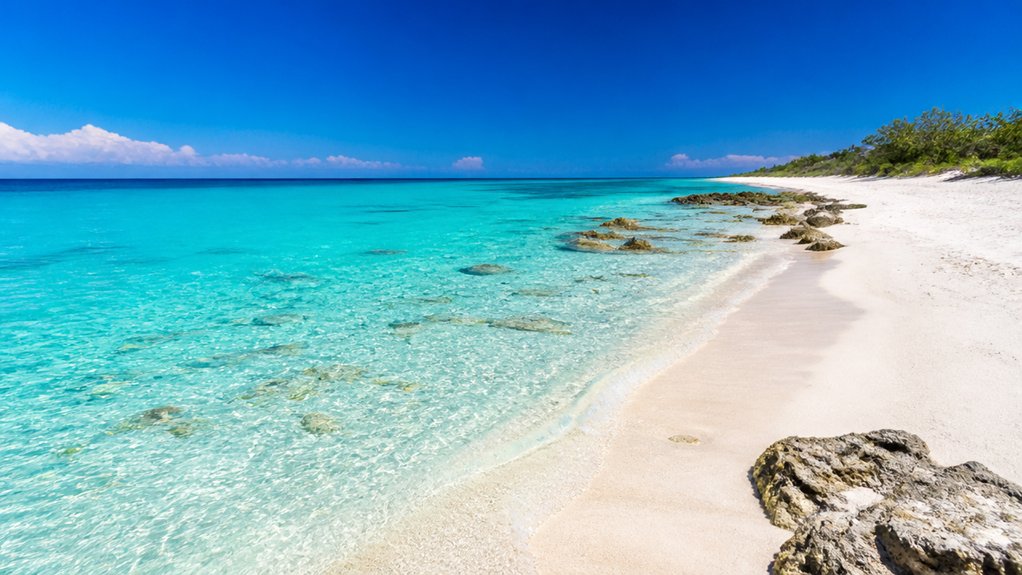
Governor’s Beach draws everyone with a guidebook, and for good reason—the sand genuinely is exceptional—but arrive early or risk spending half your day hunting for space. If crowds frustrate you, a boat trip out to Gibbs Cay offers superior snorkelling in water so clear you’ll question whether you’re actually underwater. Book an independent snorkel operator before you sail; the best ones reserve spots for cruise passengers but fill quickly, and you’ll pay considerably less than the ship’s desk quotes.
The local straw market near the cruise terminal sells legitimate Turks and Caicos crafts alongside tourist tat. Browse with purpose rather than obligation, and you’ll find worthwhile pieces at budget-friendly prices that support actual artisans rather than import middlemen.
Your Port Day: A Sample Itinerary
Most cruise passengers waste their morning waiting for crowds to clear, then realise they’ve only got a few hours left when panic sets in. Start differently.
Leave the ship in the first hour and go straight to an independent snorkel operator—book before you sail, as the reliable outfits reserve spots for cruise passengers but they fill quickly. You’ll be in the water mid-morning before the resort tour boats arrive, which means better visibility on the reef and far less crowding. These operators cost less than what the ship’s desk charges and often throw in lunch, so you save both time and money.
By early afternoon you’re back at the dock with your day still ahead of you. Walk away from the terminal into local neighbourhoods where islanders actually eat—taxi drivers at the rank can point you toward decent food that isn’t pitched at tourists. Choose a place without laminated menus and photos; your money stretches further and the food tastes better.
Spend your remaining hours either browsing the straw market near the terminal with actual intent to buy something, or swimming at Governor’s Beach if you’ve got energy left. The beach beside the cruise centre is the easy option if time is short. You’ll get more value from your day by working with the port’s rhythms rather than fighting them.
Book your Turks and Caicos day
Tours for this port, compare before you book
Getting around in port