St Croix Cruise Port Guide
Secrets to maximizing your St Croix cruise experience await—discover how to skip tourist traps and unlock authentic island adventures.
In this guide
Try one free personalised day plan — built around your ship’s actual arrival and departure times. Then get every port on your cruise done the same way from £7.99 (about $10).
Cruise Port Overview: What to Expect
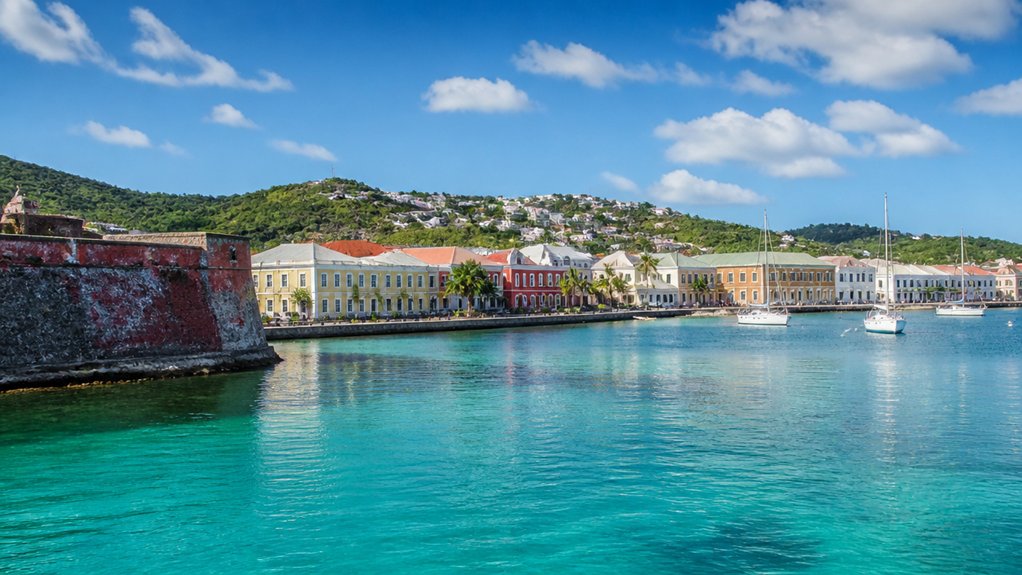
St Croix’s cruise pier sits in Frederiksted, the small town on the island’s west end, so you walk straight off the ship into town. The historic capital, Christiansted, is on the opposite side of the island and needs a taxi. The trade-off is immediate: the waterfront crowds the moment your ship docks, and the few streets by the pier fill quickly with cruise passengers cycling through the same duty-free shops. Most visitors stick to the immediate harbour area anyway, which means you can walk inland within minutes and leave the crowds behind entirely.
Real neighbourhoods start just beyond the tourist strip, where locals actually shop, eat and work. The terminal itself offers nothing worth your time—restrooms, a few basic shops, information desks—and that’s the full extent of it. Your ship’s excursion desk will promote their own tours, which cost more than booking independently and operate on schedules designed for group convenience rather than your own pace.
The pier at Frederiksted takes larger vessels, so you walk straight off your ship without tendering, and the small town grid by the waterfront is simple to navigate even without directions. The weather runs warm and humid, which means starting your explorations early makes genuine sense before the afternoon heat forces everyone inside.
Getting From the Port to Town
St Croix’s main advantage is logistical—the pier puts you directly in Frederiksted with no tender required, so your eight or ten hours ashore start the moment you leave the ship. This matters when time is genuinely limited. Christiansted is a taxi ride across the island, and once there, walking works best for exploring Christiansted, which has a simple grid layout and manageable streets where you’ll find better restaurants and bars than anything near the pier.
If you want to reach Point Udall, the beaches, or the rainforest, book a tour independently before arrival rather than gambling on availability at the cruise desk. Popular tours vanish quickly during peak season, and booking online beforehand costs less and guarantees a place. The better island experiences sell out to advance planners first, so arriving at the terminal hoping for options wastes the precious hours you have.
Start moving early while the streets are still quiet and the temperature hasn’t peaked. You’ll cover more ground faster and avoid the congestion that builds mid-morning when multiple ships have emptied their passengers onto the island.
The Must-Do Experience: Start Here
Most cruise visitors spend their first hour ashore figuring out what to do, which is why Fort Christiansvaern should be your priority. The fort overlooks Christiansted harbour directly, so once your taxi from Frederiksted drops you in town, finding it requires no navigation, and heading there first gets you in before the main crowds. The views across the Caribbean and the colonial buildings justify the entrance fee in a way that most cruise port attractions don’t, since this place functions as an actual historical site rather than something retrofitted for tourist consumption.
Spend a solid chunk of your morning walking through the restored rooms and gun emplacements rather than treating it as a quick checkpoint. The fort’s modest scale means you won’t feel worn out by midday, and the sea breeze keeps things reasonably cool even when the sun is high. Eat lunch afterwards at one of the waterfront restaurants, where the food costs considerably less than anything near the cruise terminal and tastes noticeably better.
If your ship gives you more than eight hours ashore, arrange a guided trip to Point Udall or Cane Bay before you leave home. These locations need transport and local knowledge to be worth your time, and the established operators book solid weeks ahead during busy sailing periods. Consider booking professional drivers to handle your transportation logistics, which ensures reliable service and lets you focus on enjoying the island. Paying online in advance locks in your spot and often costs less, which means you can explore Christiansted freely on the day without having to chase down logistics.
History Culture and the Top Sights
Christiansted operates as a functioning town rather than a museum pretending to be one, which means colonial architecture simply appears as you move through it rather than being cordoned off for viewing. The Danish colonial period left structural evidence everywhere—in the street layout, in the pastel townhouses along Company Street and King Street, in the way the harbour interrupts your sightlines—and none of it requires payment or a guided introduction to understand. Walking matters here because the architecture reveals itself through proximity and repetition rather than interpretation.
Fort Christiansvaern remains the logical starting point, but the real content is the streets themselves. The Steeple Building, formerly a church, now functions as a museum and holds context worth absorbing if you have time to spend. The Scale House and Custom House near the waterfront operate as secondary stops only—worth a glance if they’re open, but they’re genuinely less useful than simply attending to what the buildings and streets communicate through their physical presence.
The colonial layering in Christiansted is legible without expert help, though a local guide fundamentally changes what you understand about it. Cruise lines sell standardised walking tours that move you through checkpoints; arranging your own guide beforehand costs less and supplies actual historical information rather than rehearsed commentary. The difference is material: you’ll understand why the streets run as they do, what the architectural choices cost the people who lived here, and how the trade networks actually functioned.
Beyond the Centre: Day Trips and Alternatives
Most cruise passengers stay around the pier in Frederiksted or in Christiansted, leaving the rest of St Croix relatively quiet and actually reachable if you’re prepared to arrange transport. The practical advantage is straightforward: less time waiting around and more time doing something, though you need to sort logistics before the ship docks rather than wandering off with everyone else.
Salt River Bay has actual coastline without the tourist crowds, and kayaking through the mangroves here feels like work rather than theatre. A local operator will pick you up from the port and manage the details, which costs less than booking through the cruise line and gives you genuine time on the water instead of a rushed photo stop. Arrange this in advance online because the independent operators who run these properly get booked up quickly by cruise passengers.
Point Udall marks the easternmost point of the United States, which is a basic geographical fact that becomes worth the drive if you’ve already hired a car for the day. The route shows you how the island actually functions rather than what it’s built for tourists, and the viewpoint itself costs nothing to visit. Add a proper beach stop at Grotto Beach or Rainbow Beach for actual swimming rather than the shallow water round the harbour and you’ve constructed something genuinely different from the standard port routine.
Arrange your transport before you arrive, not after. Independent taxi drivers and car rental services know the cruise schedule and can be booked through your accommodation or local platforms, offering better value and real flexibility against the marked-up organised excursions.
Shore Excursion or Going It Alone
The cruise line’s shore excursion desk charges substantially more for the same experience you can arrange independently, and their tours prioritise getting everyone back to the ship on time rather than maximising your hours ashore. A snorkelling trip booked through your ship costs considerably more than booking directly with a local operator in advance, and you’ll avoid the cattle-herding aspect of organised excursions where you’re shuttled in a group and given a predetermined schedule that feels more like logistics than exploration. Independent operators who work with cruise passengers know the ship’s schedule and can actually optimise your time on the water instead of building in buffer time for stragglers.
For activities like kayaking through Salt River Bay or a guided historical walk around Christiansted’s eighteenth-century streets, book your tour before you arrive. The best local guides fill up weeks ahead during peak season because cruise passengers who book independently get genuine access to knowledge and flexibility. You’ll pay less and spend fewer hours waiting around. When researching guided tours at cruise ports, you’ll discover operators offering specialized experiences that cater specifically to ship schedules while providing authentic local perspectives.
That said, if you’re travelling solo or genuinely uncomfortable arranging things yourself, the ship’s excursions do eliminate the risk of missing the departure. They’re not good value, but they are reliable. For most people though, an hour spent booking a local tour online before you sail is the difference between a standard port day and actually seeing how St Croix works beyond the tourist strip.
St Croix Notes the Excursion Desk Skips
St Croix’s cruise pier sits in Frederiksted, a taxi ride across the island from Christiansted’s town centre, and the shops and restaurants immediately outside the gates are often overpriced and focused on people who won’t venture further. The actual advantage of this port is that you’re free to explore independently rather than locked into a tour bus itinerary, and the island’s better experiences are genuinely within reach if you know where to look.
Book any water activity before you arrive. Salt River Bay‘s mangrove kayaking and snorkelling trips fill up during peak season, and independent operators charge less and give you actual time in the water instead of waiting around for late passengers. You’ll save money and spend far less time sitting idle on a boat.
The jewellery and duty-free shops near the terminal exist because cruise companies expect them there, not because they offer decent prices. Real local shops and galleries sit in Christiansted proper, a taxi ride from the pier, where pricing reflects normal commerce rather than the captive-audience markup applied to passengers who don’t leave the immediate area.
Eat where locals actually eat rather than in the terminal vicinity. The restaurants within sight of the ship charge more than they’re worth for mediocre food, so walk further into town or ask whoever’s showing you around where they eat lunch—that’s where you’ll find actual Crucian cooking at prices that make sense.
How quickly you move through the terminal determines how much time you actually have to explore. Get there early, clear security without lingering, and you’ll have genuine freedom to wander before the afternoon crowds arrive and overwhelm everything. Most cruise passengers waste their first hour near the ship, which means you can avoid the worst of the rush if you’re purposeful about it.
Your Port Day: A Sample Itinerary
St Croix gives you eight hours, which is genuinely enough time to do something substantive instead of shuffling through a curated route. Leave the pier as soon as the gangway lowers and take a taxi across the island to Christiansted’s historic district, where the cobblestone streets and Danish colonial buildings matter infinitely more than the shops clustered near the cruise gates. Spend your first couple of hours on foot without a plan, moving through the neighbourhood at your own pace and stopping at galleries and smaller retailers that reflect what people actually live with rather than what vendors assume cruise passengers want to buy.
Head to Salt River Bay when the morning is properly underway, as this is where the water activities worth your time actually happen. Book independent operators before you travel—the smaller group tours with longer time on the water book out weeks in advance, particularly during busy seasons, and the ship’s own excursions cost significantly more while depositing you into large groups. A light lunch near the waterfront at a place where locals eat makes practical sense, and you’ll want to avoid the restaurants designed primarily for tourists where portions and prices have both been inflated.
Use your remaining time either walking through Fort Christiansvaern, an 18th-century fortress that overlooks the harbour and actually functions as a restoration worth seeing, or returning to whichever neighbourhood or shop caught your attention earlier in the day. Stay on the island until you genuinely need to head back for all-aboard rather than drifting toward the ship early, since your port time is limited and sitting on deck waiting adds nothing.
Book your St Croix day
Tours for this port, compare before you book
Getting around in port
✈️ Before you sail: eSIM, insurance, luggage, flight delays
Ships In St Croix
Upcoming calls from our sailings tracker, updated regularly.
Rhapsody Of The Seas
Royal CaribbeanThu 15 Oct
⚓ 08:00–17:00
Adventure Of The Seas
Royal CaribbeanMon 19 Oct
⚓ 08:00–18:00
Carnival Dream
CarnivalMon 26 Oct
⚓ 07:00–16:00
Valiant Lady
Virgin VoyagesWed 28 Oct
⚓ 09:00–18:00
Rhapsody Of The Seas
Royal CaribbeanThu 29 Oct
⚓ 08:00–17:00
Rhapsody Of The Seas
Royal CaribbeanMon 2 Nov
⚓ 08:00–17:00