Hakodate Cruise Port Guide
Learn how to navigate Hakodate’s hidden gems, avoid tourist traps, and discover why most cruise passengers miss the best experiences
In this guide
Try one free personalised day plan — built around your ship’s actual arrival and departure times. Then get every port on your cruise done the same way from £7.99 (about $10).
Cruise Port Overview: What To Expect
Hakodate’s cruise terminal occupies an active working harbour rather than a purpose-built tourist zone, so you’ll walk straight into genuine port operations instead of a managed welcome area. The terminal is small and straightforward. Ships use several wharves: from the ones nearest the station, town is within walking distance, while larger ships often berth further out and rely on a shuttle bus. What makes the port practical is its scale; unlike larger Japanese terminals, you can explore independently without feeling swallowed by infrastructure designed for thousands of passengers.
The immediate waterfront and historic merchant district are close enough to reach on foot without rushing, but you won’t feel crowded by other cruise passengers either. Walking out and exploring on your own typically works better than booking a ship excursion, partly because independent tours and local brewery visits are cheaper and fill up quickly with other cruisers regardless. Renting a bicycle gives you the option to reach the morning market or cable car station without following a tour group schedule.
Currency here is the Japanese Yen, not the Euro. Restaurants right on the waterfront charge high prices, but a couple of streets inland you’ll find better value for food and drinks. Public transport is reliable if you want to travel further, though most people find a few hours walking around the immediate area is enough before heading back to the ship.
Getting From the Port To Town
Hakodate’s compact layout means you won’t need transport for most of what matters—once you reach the port area, the old merchant quarter is close enough that you’ll be exploring within minutes. Walking covers the waterfront and historic streets adequately, bicycles give you range without long-term commitment, and local buses run frequently enough that you won’t spend time waiting.
Taxis cost more than the distances justify, and haggling with drivers wastes time you don’t have. The railway station is reachable on foot from the nearer wharves if you want to travel further afield, though most cruise passengers find the immediate neighbourhood sufficient for a few hours ashore.
Hakodate’s size means you won’t feel pressured by tour group schedules or timings. You can decide in the morning what appeals—the morning market if you’re early, the brewery district if you want lunch and a beer, or simply walking the sloped streets and taking photographs. Unlike larger ports where independent exploration carries real uncertainty, here you can wander confidently knowing that getting lost just means finding somewhere worth being.
The waterfront is the logical starting point because it orients you to the town’s layout. From there, walking uphill takes you naturally through the residential and commercial streets where locals actually work and live. This progression means you’ll understand how the place functions rather than just seeing its tourist surfaces.
The Must-Do Experience: Start Here
Hakodate’s morning market is worth timing your arrival around because it’s where locals actually shop rather than where cruise lines direct tours. The fishmongers will ignore you if you’re slow, the vendors actively resent photographs, and the scallops twitch on ice because they arrived hours ago. You can eat better seafood for less money than a cruise terminal charges, though you’ll need to navigate through actual elbows and understand nothing anyone says.
If you’ve slept through the morning, don’t bother returning to the market. Head instead to the brewery district in the old warehouse neighbourhood where the buildings are genuinely aged and the beer doesn’t carry a tourist surcharge. Walk the whole area first before choosing where to eat so you pick based on what appeals rather than proximity.
The waterfront promenade works as a third stop once you’ve had your fill of what Hakodate does properly. Tour groups will have arrived by afternoon and the paths will feel crowded, but the views across the bay toward the mountains justify the bodies around you. This is where you settle your pace before returning to the port, and where the town stops feeling useful and starts feeling actually decent.
History Culture and the Top Sights
Hakodate’s history turns on a paradox: two centuries of deliberate isolation followed by sudden forced modernisation, and you can still feel that tension walking around today. The town mattered because of geography—positioned between mountains and sea—which made it strategically important then and explains why it still feels purposefully located now.
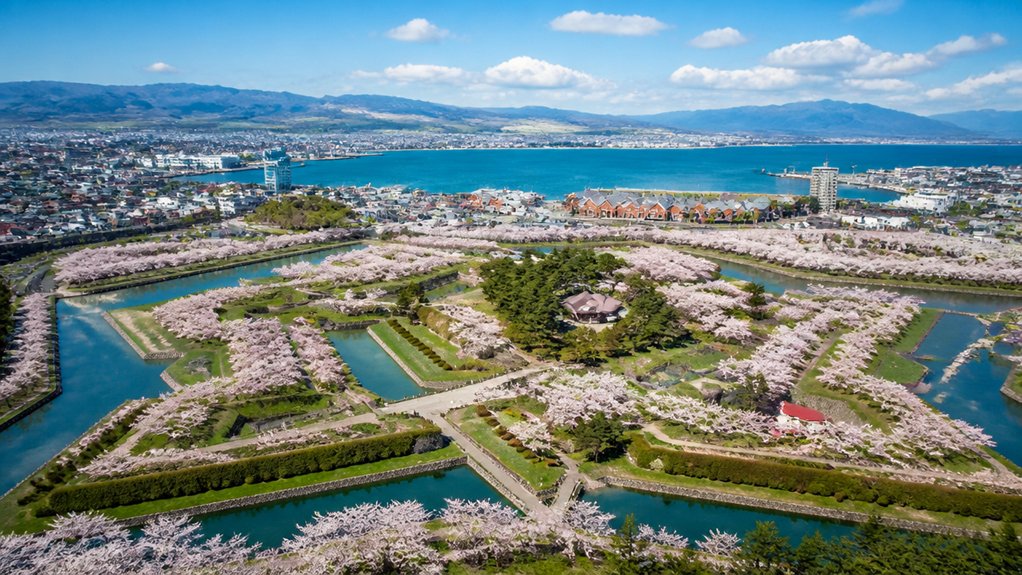
Goryokaku Fort draws most visitors because it’s the obvious historical landmark, a star-shaped fortification that photographs well from the observation tower. Climbing up actually serves a function: you see why the location mattered strategically and how the town sits in relation to its surroundings. Unless military architecture holds genuine interest for you, the fort itself doesn’t require more than brief attention, and the gift shop operates as expected.
The old warehouse district works better because these are original Meiji-period buildings rather than reconstructions—merchant houses and storage structures still standing where they were built. You can move through the neighbourhood without feeling pressured toward purchasing anything, though several buildings now function as small museums with entry fees. The real value is simply being in the actual working area rather than walking past staged versions of history.
Book an independent guided tour beforehand if context matters to you beyond looking at old buildings. Standard cruise ship tours through the heritage areas fill quickly, but advance booking through local operators usually costs less than what ships charge whilst getting you a guide who understands the neighbourhood itself rather than delivering a rehearsed commentary.
Avoid the “historic” restaurants positioned near the port gates—they’re banking on foot traffic and location rather than cooking worth your time. The brewery district remains the place locals actually eat, and your food will reflect that reality.
Beyond the Centre: Day Trips and Alternatives
Hakodate’s worthwhile spots start close enough to the waterfront that you don’t need transport, which explains why most cruise passengers skip them entirely in favour of queuing downtown. The mountain parks and coastal walks begin within walking distance, yet the crowds stay concentrated on the obvious attractions because shifting your location requires minimal effort but actual decision-making.
The forest trails on Mount Hakodate work best as your first stop if solitude matters to you. The paths wind through actual forest rather than ornamental landscaping, and during a port day you’ll walk long stretches without seeing other people. Standing here gives you a proper view across the bay toward the far headland, which teaches you something about Hakodate’s actual geography instead of just showing you its preserved buildings.
The brewery district warrants a genuine visit rather than a quick meal near the port. Several active breweries run visitor operations where you can watch production and taste their actual output rather than the diluted versions served in tourist bars. Booking a tour through a local operator beforehand works better than wandering independently, since popular experiences fill quickly and advance booking costs less than what the ship offers whilst guaranteeing your place.
The path toward the breakwater lighthouse shows you Hakodate’s functional harbour instead of its tourist presentation. Fishing vessels still moor here regularly, and the walk feels genuine rather than choreographed. Walking it teaches you why this location mattered historically in ways reading about it simply doesn’t.
Shore Excursion or Going It Alone
The ship’s excursion desk will package Hakodate with transport arranged and timing fixed, which feels convenient until you check what you’re actually paying for a crowded group experience with little flexibility. Going independently costs less, lets you set your own pace, and keeps you out of the synchronized cluster photographs that fill the morning downtown area. The waterfront attractions don’t require a guide—the walking between sites is straightforward, and the harbour district rewards actual wandering over following a set itinerary.
Independent travel works poorly for the brewery district, where tasting sessions need advance booking. Rather than paying the inflated cost of the ship’s brewery tour, contact a local operator directly before you arrive. Brewery tours fill quickly during cruise season, so booking online yourself secures your place at a fraction of the vessel’s price and means less travel time and more actual tasting.
You can explore guided tours at local operators for experiences beyond what your cruise line offers, giving you access to authentic local knowledge at better rates.Everything else—the mountain parks, coastal walks, the breakwater lighthouse—needs no organized help. The paths are clear, the area is safe, and the views go to whoever walks far enough to reach them rather than staying downtown with the tour groups.
Local Knowledge Worth Having Before You Dock
The terminal sits close enough to the waterfront that you can walk to most places worth visiting, but the information desk will push you toward the mountain ropeway because it’s convenient for them to recommend. The ropeway attracts crowds precisely because it’s the obvious choice, not because it’s actually the best use of your time in port. Timing matters far more than which attractions you select: the waterfront and historic district are genuinely different places depending on whether you arrive when cruise ships are still docking or after the initial wave of passengers has moved inland.
Food near the pier costs more and tastes worse than it should. The restaurants within walking distance of your ship are banking on the fact that you’re unlikely to venture further and will accept mediocre meals at inflated prices. Walk past the obvious tourist restaurants into the residential streets and you’ll eat better food for less money, prepared by people cooking for locals rather than passengers with limited time.
Grab an English map from the information centre before leaving the terminal—it genuinely simplifies navigation once you’re away from the waterfront. The streets inland follow a logical grid, but the area immediately around the port can disorient you if you’re trying to navigate by landmarks alone. The neighbourhoods beyond the harbour district are perfectly safe and show you how the city actually functions rather than how it presents itself to cruise passengers.
The mountain views that appear in every guidebook photograph look the same whether you’re standing there early or mid-afternoon. The meaningful difference is how many other cruise passengers you’re sharing the experience with and how long you’ll spend waiting for clear sightlines.
Your Port Day: A Sample Itinerary
Most cruise passengers queue at the ropeway first thing, so reverse that logic and head into the historic district from the terminal instead. You’ll walk through streets that are actually quiet, with old warehouses and temples to look at properly without being herded along behind tour groups. The early hours give you genuine space to move around and absorb what you’re seeing.
By midday, walk down to the waterfront markets and eat lunch from one of the food stalls. The fresh seafood is prepared well and costs far less than anything near the pier because locals eat here regularly and standards reflect that. Spend an hour watching the fishing boats and let the initial surge of cruise passengers move past you.
The afternoon is when you tackle the mountain if the views actually appeal to you. Yes, it will be more crowded by then, but you’ll have already explored what matters and can make an informed choice about whether it’s worth the queues. Otherwise, wander the residential streets away from the main tourist route—the small shops, quieter temples and ordinary neighbourhoods show you how the city actually works rather than what it sells to visitors.
Independent walking tours of the historic district and waterfront can be booked online beforehand and tend to fill up with cruise passengers quickly. Booking ahead guarantees your place and usually costs considerably less than what the ship offers.
Book your Hakodate day
Tours for this port, compare before you book
Getting around in port
✈️ Before you sail: eSIM, insurance, luggage, flight delays
Ships In Hakodate
Upcoming calls from our sailings tracker, updated regularly.
ms Westerdam
Holland AmericaFri 9 Oct
⚓ 08:00–17:00
Norwegian Jade
Norwegian Cruise LineMon 12 Oct
⚓ 08:00–18:00
Navigator Of The Seas
Royal CaribbeanWed 14 Oct
⚓ 06:30–23:00
Costa Serena
Costa CruisesFri 16 Oct
⚓ 07:30–18:30
ms Westerdam
Holland AmericaWed 21 Oct
⚓ 08:00–17:00
Norwegian Jade
Norwegian Cruise LineSat 24 Oct
⚓ 07:00–17:00