Yokohama Cruise Port Guide
Maximize your Yokohama cruise experience—discover insider secrets to authentic exploration, hidden gems, and cost-saving strategies that most visitors never find.
In this guide
Try one free personalised day plan — built around your ship’s actual arrival and departure times. Then get every port on your cruise done the same way from £7.99 (about $10).
Cruise Port Overview: What to Expect
Yokohama’s cruise terminal works because it’s been doing this for years, not because someone designed it to impress you. The building is clean and functional with the basics you might need—a café, currency exchange, a convenience store—but nothing here will surprise you, nor should you expect it to. Real Yokohama sits just beyond the terminal gates, and that’s where your attention should be.
Getting through immigration and customs happens without drama. Staff speak English well enough to point you in the right direction, and signs aren’t mysterious. This is a working port that has processed thousands of cruise passengers and learned what actually matters: moving people through without fuss.
Taxis line up outside in an orderly queue, but walking into the city is perfectly feasible and often faster than waiting. For seamless arrival logistics, consider arranging professional airport and port transfers in advance to bypass the queue entirely. The route isn’t confusing, and you’re not entering some remote zone—you’re in a Japanese port city where ordinary people go about ordinary business. The infrastructure reflects this straightforward reality rather than being designed around tourism.
Your best strategy involves treating the port as a launching point rather than a destination. Expect efficiency rather than entertainment, and you’ll navigate the day more productively than those lingering over overpriced terminal cafés. The city beyond the terminal is where the actual substance of your time in Yokohama exists.
Getting From the Port to Town
The train is faster than waiting for a taxi, and Nihon-odori Station on the Minatomirai Line sits a straightforward walk of about seven minutes from the cruise terminal. From there you’re connected to the parts of the city where things actually happen. The stations display signs in English and Japanese, staff will point you in the right direction if needed, and a prepaid card system eliminates the need to buy individual tickets.
Walking into town takes roughly the same time as ordering a cab, costs nothing, and shows you how the neighbourhood actually functions rather than what you’d see from a taxi window. You’ll pass the waterfront development, move into the older commercial streets where office workers queue for lunch, and understand immediately that this is a working city rather than something constructed for visitors. The route is safe and straightforward, which it genuinely is.
Taxis work perfectly well if you prefer not to walk or navigate the train system. They’re reliable, drivers know where tourists typically want to go, and the cost won’t damage your budget, though it will be considerably more than the train. The real advantage of the train is that you’ll arrive in the actual centre of Yokohama rather than wherever a driver finds convenient.
Don’t overthink this. The infrastructure here serves local commuters first and tourists second, which means it actually works. That’s genuinely rare.
The Must-Do Experience: Start Here
Yokohama’s primary advantage is that its public infrastructure actually works. Unlike most cruise ports that force you into either packaged tours or complete self-sufficiency, the train system and walking routes here are reliable enough that independent exploration is both cheaper and more representative of how the city functions.
Start at Landmark Tower in the city centre. The observation deck provides a practical overview of Yokohama’s layout—where the bay sits, how the waterfront connects to the commercial districts beyond, and which neighbourhoods are actually accessible in your port window. This orientation saves you from wandering aimlessly later.
Walk from there into the older shopping streets near the station where office workers eat lunch at counters. The pace is genuinely local, prices are reasonable, and you can sit in a small park or grab a coffee without the inflated charges you’ll find near the water. An hour spent doing nothing particular here teaches you more about Yokohama than a day of structured sightseeing.
Book an independent walking tour in advance rather than relying on ship excursions, particularly for Chinatown and the historic districts. These tours run efficiently, guides speak clear English, and you’ll understand the city’s actual structure rather than simply collecting photographs. The tours fill quickly during cruise season, so book early.
History Culture and the Top Sights
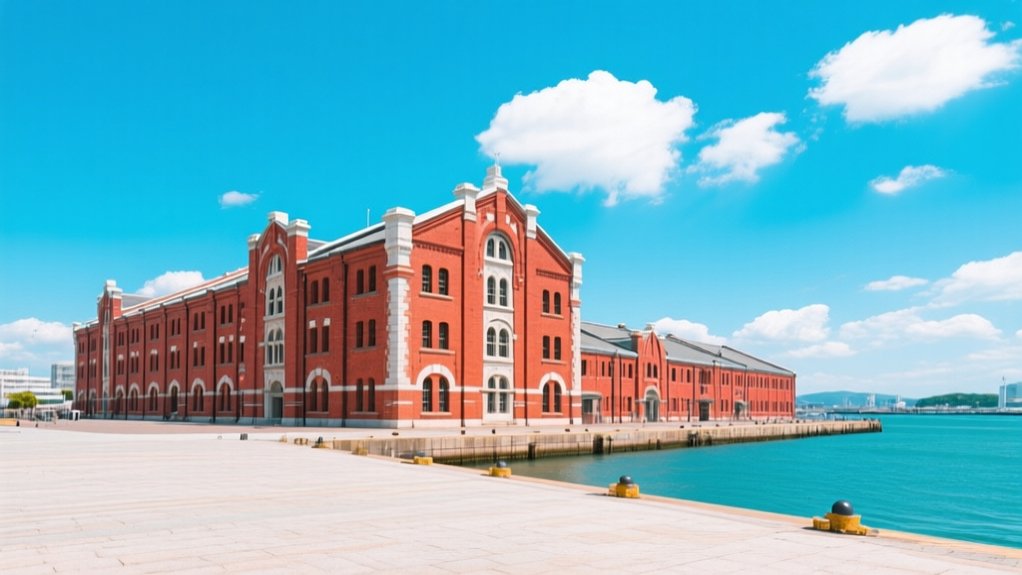
Yokohama’s postwar history gets overshadowed by Tokyo, which actually works in your favour—the museums and districts here feel like they were made for people living here rather than tourists passing through. The Red Brick Warehouse is where most visitors start, and the advantage is straightforward: the buildings are genuinely old, the cafés inside charge normal prices, and you’ll have space to move if you arrive before mid-morning instead of joining the crush that builds as the morning progresses.
The Yokohama Museum of Art is close by and justifies an hour of your time if Japanese modern art interests you at all. The collection is well-organized, it doesn’t feel packed, and entry is affordable. Walk past the museum into the actual streets rather than staying on the waterfront—this is where restaurants serve regular customers and Yokohama operates as a functioning city rather than a theme park.
Chinatown works better with a guide you’ve booked ahead than it does alone. A decent guide explains actual history—migration patterns, how the economy shifted, how the neighbourhood relates to what’s around it—rather than just pointing at temples and gates. These tours fill up quickly during cruise season, and the difference between walking with someone who knows the place and wandering solo is substantial enough to matter. You’ll understand how Chinatown functions as a neighbourhood where people work and live, not as a historical display.
Beyond the Centre: Day Trips and Alternatives
The ship excursion to Mount Fuji costs substantially more than independent booking, and odds are you won’t see the mountain anyway. Cloud cover obscures it roughly two days out of three, which makes paying a premium particularly irritating when you’re standing in a coach full of equally frustrated passengers.
Book a guided tour through a local operator well before your cruise date. The best ones sell out quickly during peak season, and independent bookings cost a fraction of what your cruise line charges. You’ll travel with a smaller group, often with a Japanese-speaking guide, and reach places beyond the standard “look towards where Fuji should be” stops where you pay for the privilege of seeing nothing. When booking shore excursions independently, you’ll find numerous platforms dedicated to connecting cruise passengers with vetted local operators who offer authentic experiences at transparent pricing.
The Hakone Open-Air Museum works as a solid alternative if visibility is poor. The sculpture grounds and indoor galleries stand on their own merit regardless of weather conditions. A private car with driver costs more than public transport but less than a ship excursion, and gives you the option to change plans if conditions worsen.
An ordinary train to Tokyo is another option if you’d rather spend your port day in the capital instead. Skip the bullet train, which leaves from Shin-Yokohama well away from the port. Regular trains are efficient, affordable, and get you there in under an hour. Book independent experiences ahead of your arrival because popular tours with reputable operators sell out fast during cruise season, and you’ll secure better value and more genuine time ashore than any pre-packaged ship option.
Shore Excursion or Going It Alone
Most cruise passengers book their shore excursions months in advance, then spend their port day following a coach full of strangers on a predetermined route. The quietly useful alternative is to book a private guide or small-group tour independently before you arrive, which costs considerably less and gives you actual agency over how you spend your time.
The ship’s tour desk sells convenience, not value. Their Mount Fuji coach tours depart at dawn, travel in convoy with dozens of other cruise passengers, and often return with nothing to show except disappointment and cloud cover. A local operator booking made weeks ahead of your cruise date gets you into a vehicle with perhaps eight other people, usually includes a bilingual guide who knows the region properly, and costs a fraction of what the cruise line charges. Popular operators fill up fast during peak season, so delay means disappointment.
Yokohama itself rewards wandering more than most ports. The Red Brick Warehouse district is walkable from the terminal and genuinely interesting without feeling designed for tourists. The Cup Noodles Museum nearby actually teaches you something about Japanese food culture rather than simply selling you overpriced bowls. If you prefer structure, book a local food tour or cultural walking experience in advance—these small-group options run throughout the day and give you legitimate insight into how the city actually functions.
The real advantage of going solo isn’t freedom; it’s spending your money on things that matter to you rather than things the cruise line thinks you should see. Book ahead, travel light, and you’ll have a far more useful day ashore than any pre-packaged option could provide.
🗺️ Tours & Experiences at This Port
Skip the ship’s overpriced excursions — browse top-rated independent tours trusted by thousands of cruise passengers.
The Mistakes Cruise Passengers Make in Yokohama
The cruise terminal sits on Osanbashi Pier right in the centre, so getting into Yokohama takes very little travel time, something most passengers don’t realise until they’re already committed to an expensive ship excursion. The practical solution is straightforward: arrive early, avoid the terminal’s overpriced convenience shops, and take the train into the city. The station is clearly signposted and costs very little, which is how Yokohama residents move through the city daily without ceremony.
You’ll see far more of how the place actually functions from a train window than from a tour coach, and you won’t feel like you’re moving through a curated performance designed for visitors. The Red Brick Warehouse district appears built for tourists but operates as a working neighbourhood where Japanese people genuinely spend their weekends. This means the food stays reasonably priced and the experience feels like something real rather than something staged for your benefit.
Book a local guide or food tour through independent operators before you travel if structure matters to you, since popular ones fill quickly during peak season. These tours cost considerably less than what the cruise line charges and run throughout the day, with the advantage that you’ll actually retain what you learn rather than forgetting it the moment you step back aboard. Bring cash before you leave the ship, as many smaller establishments and temples don’t accept cards and the terminal ATMs develop queues during disembarkation. Consider purchasing a local eSIM data plan before arrival to stay connected and access maps without relying on ship WiFi or expensive roaming charges.
Your Port Day: A Sample Itinerary
Most cruise passengers spend their first hour ashore buying mediocre coffee at the terminal while the actual city operates elsewhere. Head straight to the station and take the train into the centre—you’ll arrive when shops are opening and before organised groups clog the streets. This timing matters because you’ll see how Yokohama functions for people who live here, not just for visitors.
The Red Brick Warehouse district works well for a morning. The early twentieth-century buildings have been restored without turning into corporate facades, and independent shops and cafés actually operate there because locals use them. Pick a smaller café away from the main pedestrian routes for breakfast—your coffee costs less and reflects what the owner wants to serve rather than what a chain manual dictates.
The Landmark Tower observation deck or the waterfront walk both show you something useful by midday. From either vantage point you’ll see the working harbour alongside the resort infrastructure, which tells you more about the city’s actual economy than any tour commentary. Eat lunch at a restaurant set back from the main plaza; the kitchen operates differently when residents outnumber tourists at the tables.
What happens next depends on how tired you are. Book an independent food tour through local operators before you leave home if you want guided exploration—these get booked out quickly and cost substantially less than the cruise line’s equivalent offering. If you’d rather move at your own pace, a neighbourhood temple, one of the smaller museums, or simply time spent on a side street watching shopkeepers and commuters provides genuine context.
Build in substantial buffer time before you head back to the terminal. The journey takes longer than you expect, and returning in a rush defeats the point of leaving the ship.
🗺️ Tours & Experiences at This Port
Skip the ship’s overpriced excursions — browse top-rated independent tours trusted by thousands of cruise passengers.
Book your Yokohama day
Tours for this port, compare before you book
Getting around in port
✈️ Before you sail: eSIM, insurance, luggage, flight delays
Ships In Yokohama
Upcoming calls from our sailings tracker, updated regularly.
Diamond Princess
Princess CruisesSat 10 Oct
⚓ 06:30–15:00
Celebrity Millennium
Celebrity CruisesFri 16 Oct
⚓ arrives 07:30
Celebrity Millennium
Celebrity CruisesSat 17 Oct
⚓ departs 17:00
Navigator Of The Seas
Royal CaribbeanSun 18 Oct
⚓ 05:30–17:00
Diamond Princess
Princess CruisesMon 19 Oct
⚓ 06:30–15:00
Diamond Princess
Princess CruisesWed 28 Oct
⚓ 06:30–15:00