Sapporo Cruise Port Guide
Uncover insider tips for maximizing your Sapporo port day—from beating cruise markups to discovering hidden local gems.
In this guide
Try one free personalised day plan — built around your ship’s actual arrival and departure times. Then get every port on your cruise done the same way from £7.99 (about $10).
Cruise Port Overview: What To Expect
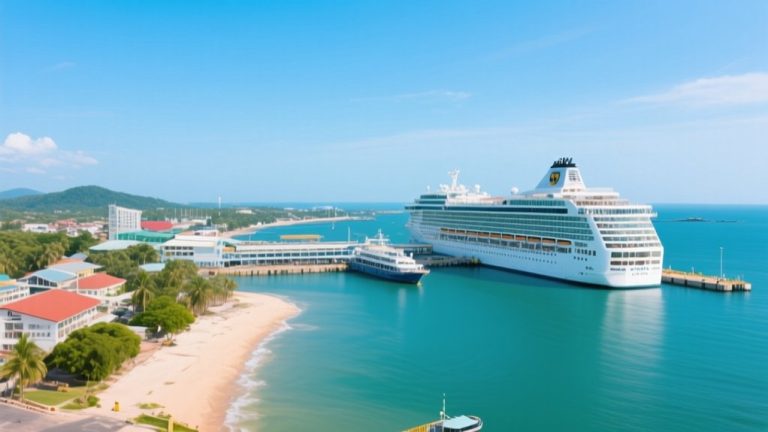
Cruise ships don’t dock in Sapporo itself, which lies inland. Most call at Otaru, where the pier is a short taxi or bus ride from Otaru station, and frequent JR trains reach Sapporo’s city centre in roughly 30 to 45 minutes. The Otaru terminal itself offers little worth your time, so head for the station rather than lingering at the pier.
Ship-organised excursions from here cost significantly more than booking independently, and they waste your afternoon with repetitive coach transfers. The trade-off is that everything gets sorted for you, which matters if you’re travelling alone or uncomfortable with navigating Japanese public transport. Booking a private guide or small-group tour online before departure gives you better value and more control, though popular options fill during cruise season so advance booking actually matters. Consider exploring tours and activities available through dedicated booking platforms to maximize your time ashore.
Sapporo itself justifies the effort to get there. It’s a properly walkable city with solid food, approachable people, and nothing like the tourist saturation you’ll encounter in Tokyo or Osaka. The tram network is straightforward enough, English signage exists where you need it, and you’ve got a real day here rather than a rushed morning. Head into the city immediately after disembarking because lingering at the terminal only cuts into your actual time ashore.
Getting From the Port To Town
Trains are the most practical option, and the system works more logically than you’d anticipate. Take a taxi or bus from the pier to Otaru station, then catch a JR Hakodate Main Line train to Sapporo Station; the rapid services are quicker than the locals. Buy a ticket from the station machines or use a prepaid card, so you won’t waste time fumbling at the gates.
Taxis make sense if you’re travelling as a group, though costs escalate quickly and congestion during busy periods can derail your schedule unpredictably. The train’s real advantage is that it takes you directly into the city centre rather than depositing you at a hotel on the periphery. You move through actual residential and commercial areas, which gives you a working understanding of how Sapporo is laid out and functions day to day.
Install a transit app before departure—several function offline in Japan and will tell you exactly which train to catch and where you need to get off. Stops are announced in English with clear repetition, and other passengers will usually help if you’re visibly uncertain about your direction. Leave the terminal soon after arriving and you’ll have genuine time to explore; delay and you’ll lose hours to indecision.
The Must-Do Experience: Start Here
Odori Park is where locals actually spend their time, not where they pose for photos. The park cuts through the city’s centre and costs nothing to walk through—you’ll share the paths with office workers grabbing lunch and older couples sitting on benches, which shows you how it actually functions in daily life. The streets around it offer better value than the station’s souvenir shops.
Side-alley ramen shops charge less than the famous establishments while serving equally good food, and eating a proper meal costs roughly a third of what you’d spend on the same quality at home. Random wandering into tourist-marked places wastes both money and time, so booking an independent food tour in advance makes sense since popular ones fill quickly. A local guide steers you toward neighbourhoods where you’re the only foreigner and the food quality actually justifies what you’re paying.
Solo travellers and anyone with elderly companions should note that guides can arrange walking routes that sidestep Sapporo’s sudden steep hills, which matters when your time is limited. This particular help proves invaluable if stairs and slopes are a concern.
History Culture and the Top Sights
Sapporo’s museums and temples draw fewer cruise passengers than the city’s other attractions, which means you’ll actually look at what’s on display without waiting. The Hokkaido Museum, out in Atsubetsu ward, provides practical context for how the region developed from Ainu settlement to the present day—this matters if you want to understand what you’re seeing rather than just ticking off locations. The experience is less draining than queuing for the busier sites, and you can move through at your own pace.
The Hokkaido Shrine stands in a wooded area that genuinely feels separate from the city, though getting there involves a reasonable walk that’s quieter than shrine visits elsewhere in Japan. You don’t need a guide here—local signage is clear enough to follow on your own. The walk through the trees is more interesting than the shrine building itself, so take your time rather than rushing through.
Architectural sites like the Old Hokkaido Government Building are worth seeing if you’re passing through central Sapporo, and you can visit them independently without fuss. Rather than paying for a ship excursion marketed around “culture,” arrange a walking tour that connects museums, local temples and cafes in a sensible order. These tours book quickly for cruise passengers, so reserving online beforehand costs less than onboard packages and your guide will plan timing around your ship’s departure rather than hurrying you along.
Beyond the Centre: Day Trips and Alternatives
Most cruise passengers stay in central Sapporo, which leaves the outlying neighbourhoods and countryside relatively empty of tourists. This quietness matters when your shore time is finite.
Maruyama is a leafy residential area that tour groups skip entirely. You’ll find stylish cafés frequented by locals, Maruyama Park and Hokkaido Shrine, and streets that feel inhabited rather than staged for visitors. The neighbourhood is close enough to reach without difficulty, and the food is noticeably better than what operates near the terminal. Getting there on your own costs considerably less than a ship excursion and frees you from the rigid timing of a guided group.
Hokkaido’s rural areas—farm villages, hot springs, seasonal lavender fields—work well as day trips but demand more organisation than wandering around the city centre. If countryside is what appeals to you, book a small-group tour online before you board. These tours fill quickly with cruise passengers, and advance booking secures better rates than onboard packages while letting your guide align the schedule with your actual ship departure rather than a fixed timetable.
Alternatively, you can stay in the city and move through quieter neighbourhoods at your own pace, visit the Hokkaido Museum without rushing, and eat where residents do. What works depends on whether you prefer countryside experience or the chance to navigate a Japanese city without the overcrowding that dominates other parts of the country. Both choices are practical depending on what matters to you.
Shore Excursion or Going It Alone
The ship’s excursion desk charges what amounts to a premium for a four-hour tour you could largely replicate alone. Their guides know their material, but you’ll spend considerable time loading and unloading a coach alongside thirty other people while someone explains things you could have read before boarding. You lose control of your day to a predetermined schedule.
Going it alone makes practical sense in Sapporo because the public transport system is straightforward and inexpensive, and the city centre doesn’t sprawl enough to waste your time navigating. You move when you want, stop when something interests you, and choose where to eat rather than following your group to an overpriced restaurant the tour operator has arranged. Your phone with an offline map and Google Translate handles any language barrier without drama.
Independent travel gives you timing that a group cannot match. While the ship won’t depart early, you’re free from the anxiety of a hard deadline once you’re directing yourself. You can wander Odori Park during its quieter hours, eat real ramen from a local counter at lunch, drift through Maruyama’s cafés and park in the afternoon, and return to the ship with actual time to spare.
If countryside interests you more than urban exploration, organised tours start to justify their cost. Rural hot springs and seasonal destinations need logistical arrangements that last-minute booking won’t secure. Book a small-group tour online weeks ahead—the decent ones fill quickly with cruise passengers, cost less when booked in advance than onboard alternatives, and follow an actual itinerary rather than one designed purely to herd everyone back to the terminal on schedule.
What the Cruise Desk Leaves Out About Sapporo
Susukino is an entertainment district built around hostess bars and pachinko parlours rather than anything a cruise passenger typically wants to see. The cruise desk stays silent about this because there’s nothing on their commission list, but you should know it anyway—the attractions worth your time are elsewhere, and spending your first hours there wastes daylight.
From Otaru, the city’s actual centre is reached by a single train line that runs often enough you don’t need to plan around schedules. Station coin lockers take your bag without complications, which matters more than it sounds when you’re carrying a light jacket and something for seasickness across an eight-hour excursion.
Restaurants in the Odori area charge more than their food justifies, particularly the places positioned to catch foot traffic between landmarks. Walk two blocks away from the main street and costs fall while the cooking stays solid. Locals eat elsewhere by habit, not because they’re protecting some secret—they simply avoid where tour groups cluster. You’ll pay less and eat better by passing the obvious storefronts.
Sapporo hosts summer festivals and seasonal events that might align with your port day if you check beforehand. Rather than fitting these around predetermined itineraries, structure your morning around what’s actually happening. The ship’s desk won’t tell you this either because it doesn’t fit their package model.
Your Port Day: A Sample Itinerary
Eight hours in Sapporo works best if you ignore the cruise desk’s pre-packaged rhythm and build your day around what actually matters—food, light walking, and one proper experience rather than five rushed ones.
Leave the wharf straight onto the train heading into the city centre. Get a station locker sorted before you do anything else, then head directly to the Odori area while your energy is highest and the light is best. Walking straight through the park itself rather than along the crowded shopping streets lets you get your bearings without being jostled by tour groups.
By mid-morning, eat breakfast or an early lunch somewhere two blocks away from the main strip. You’ll recognise the difference immediately in both price and quality. The restaurants where locals actually eat aren’t secret; they’re simply where foot traffic doesn’t naturally lead you.
This is also when you should book an afternoon walking tour or brewery visit if you haven’t already, since the most worthwhile independent guides fill up quickly with cruise passengers and same-day bookings often miss out. Spend your afternoon on one thing done properly rather than three things rushed. A visit to the Sapporo Beer Museum in Higashi-ku, a museum visit, or a deliberate exploration of a specific district beats the scattered approach most passengers take.
Aim to be back at your locker with reasonable time to spare. Retrieving your bag and reaching the wharf without sprinting is simply more pleasant than the alternative, and it prevents the unnecessary stress that comes from cutting timings too fine.
Book your Sapporo day
Tours for this port, compare before you book
Getting around in port
✈️ Before you sail: eSIM, insurance, luggage, flight delays
Ships In Sapporo
Upcoming calls from our sailings tracker, updated regularly.
ms Westerdam
Holland AmericaThu 22 Apr
⚓ 08:00–17:00
Carnival Luminosa
CarnivalFri 15 Oct
⚓ 07:00–17:00
Diamond Princess
Princess CruisesSun 23 Apr
⚓ 08:00–17:00