Honfleur Cruise Port Guide
Uncover insider secrets to navigating Honfleur’s picturesque harbour and discovering authentic experiences beyond the typical cruise itinerary.
In this guide
Try one free personalised day plan — built around your ship’s actual arrival and departure times. Then get every port on your cruise done the same way from £7.99 (about $10).
Cruise Port Overview: What To Expect
Honfleur works in your favour because it’s compact enough that crowds won’t consume your entire day, yet substantial enough that six hours ashore won’t leave you twiddling your thumbs. The old harbour itself is the main attraction—there’s no separate destination you need to travel inland to find. The medieval quarter, waterfront, galleries and Saturday markets all sit within a straightforward walk from the terminal.
The terminal puts you already within reach of everything worth seeing. You don’t need to book an expensive coach tour to cover the main sights. Your challenge instead is managing your time wisely, since shore time has limits. Consider booking guided tours and shore excursions in advance to maximize your experience at this compact port.
The harbour front becomes genuinely packed with day-trippers during midday, especially in high season. Arriving early gives you access to the narrow streets and quieter corners before the crowds build. The restaurants on the quay charge tourist rates and cost considerably more than eating a short walk inland, where neighbourhood bistros serve locals at far better value.
If Normandy countryside, apple orchards or D-Day beaches interest you, booking independent tours before your voyage costs substantially less than ship excursions and gives you more flexibility. These tours sell out quickly for cruise passengers with limited time ashore, so arrange them online well ahead rather than waiting until you arrive.
Getting From the Port To Town
The terminal is close enough to walk into town, but the cobbled streets narrow and clog quickly once other passengers disembark. Most people follow the same route, which means you’ll move at the pace of the slowest group ahead of you.
Walking remains your practical choice. The town centre sits within reasonable walking distance, and the route itself contains things worth pausing for—a gallery, a café, a shop worth entering. Unlike many ports, there’s no transport puzzle demanding your attention here.
If you’re loaded with purchases or find uneven cobbles difficult, taxis queue outside the terminal. They’ll cost considerably more than the walk takes in time, and for reaching the main harbour alone, you’re paying several times over for minimal benefit.
Walking gives you actual control over your schedule. You leave when your ship allows rather than waiting for a shuttle on someone else’s timetable. The streets are confined enough that genuine disorientation is unlikely; moving downhill toward the water naturally leads you to the old harbour.
The real benefit of this proximity is the freedom to return to the terminal on your own terms. When shore time is limited, that matters—you spend it looking at what interests you rather than sitting on transport watching time disappear.
The Must-Do Experience: Start Here
Most cruise passengers camp at the Vieux Bassin and call it done, which means you’re staring at exactly what everyone else photographed before lunch. Honfleur works differently than you’d expect—the postcard view is where you start, not where you finish.
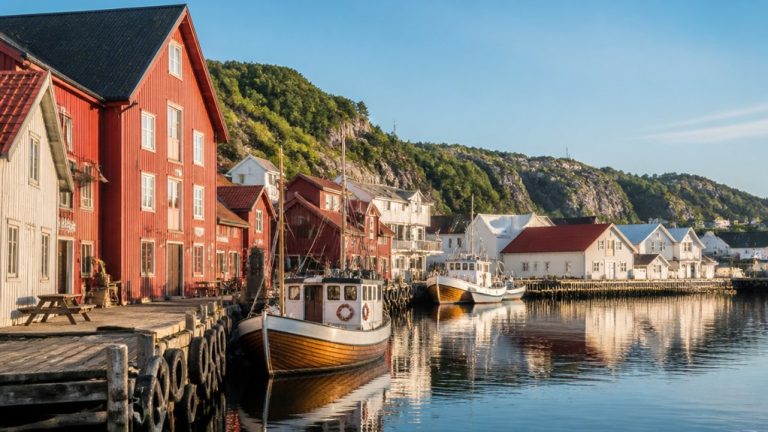
The old harbour has tall narrow buildings mirrored in still water, and it’s crowded enough that you’ll understand why people complain about tourist crowds. The cafés charge accordingly, but spend some time here anyway because this is a functioning port that happens to look good, which matters more than a preserved version ever would. You’re watching something real, not a reconstruction.
Go early or late to avoid the midday press. A coffee at a harbourside table costs more than inland, but you’re paying for the space to think and the absence of shoulder-to-shoulder crowds. If you want food, the waterfront restaurants price themselves for passing tourists—the locals eat one street back in the narrow lanes where the bills reflect actual value.
Spend your first stretch standing still enough to understand why painters have returned here for two centuries. Then walk away from the water. The harbour will be quieter when you come back at day’s end, and you’ll have actually seen the town instead of just the postcard.
History Culture and the Top Sights
Honfleur’s appeal comes from what it deliberately doesn’t offer—no monumental cathedral anchoring the town, no palace that swallows your entire afternoon. The history instead lives in smaller spaces that actually require you to look around rather than follow a predetermined route.
The Musée Eugène Boudin occupies a former chapel and presents a straightforward case for why painters came here. You’ll see work by Boudin alongside pieces by Monet and other artists who used this coastline to experiment with light and colour, and the collection is small enough that you can actually think about what you’re looking at instead of moving through it mechanically. For someone with a few hours ashore, this works better than a sprawling museum you’d only partially see.
The narrow streets behind the harbour contain half-timbered buildings from the fifteenth and sixteenth centuries that stayed standing because people lived and worked in them. You move through these streets without barriers or admission charges—you’re simply walking through an ordinary neighbourhood that happens to be old. The Église Sainte-Catherine sits near the water, built by shipbuilders after the Hundred Years’ War when stone reconstruction was beyond the town’s budget, and its wooden interior is functional rather than restored for appearance.
If you want context beyond what you notice yourself, book an independent walking guide before you arrive. The better guides fill with cruise passengers quickly, and arranging this beforehand means you won’t spend your limited time waiting at the terminal for a group to assemble.
Beyond the Centre: Day Trips and Alternatives
Most cruise passengers stay in Honfleur’s harbour because the centre requires nothing more, which leaves the surrounding areas genuinely quiet. A walk or bus ride takes you past the waterfront into countryside that actually feels separate from tourism, both in location and tempo.
Étretat sits within reach and offers something completely different from medieval streets. The famous rock formations—the Falaise d’Aval and its natural arch—are visible without payment or climbing, though reaching the beach demands proper footwear and actual exertion. You’ll see the landscape that occupied painters for decades, but independent travel works better than a ship excursion that loads you onto a coach with dozens of others for ninety minutes.
Apple orchards and Calvados distilleries inland are another option. Small-group tours from independent operators include tastings and lunch, though these book quickly during cruise season and require advance online booking. You’ll spend actual time in these places rather than stopping briefly between locations, and the cost is considerably less than what the ship charges.
The walk eastward along the water from the harbour moves away from crowds into working fishing neighbourhoods where the catch is actually being sorted rather than staged. This gives you a functional view of the port’s real activity rather than its tourist presentation.
Shore Excursion or Going It Alone
The ship’s excursion desk sells Honfleur as a walking tour package, which is technically true but pointless—you can cover the worthwhile bits independently in a couple of hours and spend the rest of your time elsewhere. What you’re actually paying for is convenience and structure, not access or genuine experience, and the cost reflects that reality. The markup on a cruise line excursion exists because they’re handling logistics for large groups, not because they’re offering something you couldn’t do yourself.
Going it alone requires nothing complicated. The harbour sits about twenty minutes’ walk from the cruise quay, signposting is clear, and Honfleur’s size makes getting lost unlikely. You’ll eat at normal restaurant prices instead of whatever inflated rates the cruise line negotiates for block bookings, and you’ll eat on your own schedule rather than whatever timeline keeps the group moving.
The actually worthwhile stuff—Étretat’s cliffs, the apple orchards, Calvados distilleries—is where independent tour operators genuinely outperform the cruise line. Small-group tours book up quickly during cruise season, so arranging in advance online gets you better rates and confirms your place rather than gambling on whether the ship’s limited slots are still available. These operators collect you from the port or town and allow proper time at each stop instead of the rushed fifty-minute distillery visits squeezed between long coach rides.
If navigation worries you or you prefer not going solo, independent shore excursions through specialist operators represent better value and more genuine flexibility than what the cruise line provides. Book ahead because the better tours do actually fill up, and you’ll spend less while getting something more substantial than just wandering the waterfront.
Honfleur Notes the Excursion Desk Skips
The harbour-side restaurants empty their best tables before mid-morning once the ships’ passengers arrive, leaving you with overpriced mediocre food or the option of eating at awkward hours. Eat your main meal either very early before anyone else shows up, or skip lunch in town altogether and head inland where local restaurants charge normal prices and serve actual food rather than cruise ship markup. This gives you better value and better eating.
Honfleur’s old town works fine on foot if you navigate it yourself, but the moment three coaches unload onto the quay the place becomes unusable. The crowds thin out substantially if you step away from the waterfront immediately—the side streets and smaller squares stay relatively empty and let you actually look at things rather than just shuffle through them.
The Musée de la Marine and Musée Eugène Boudin are worth an hour each, but you need to go there straight from the ship before cruise passengers finish their coffee and organize themselves. Both museums become packed by mid-morning with the same people you saw on the quay, which makes the experience considerably less useful. Head there first if you want to see anything.
Independent tours to Étretat or the Calvados region fill up fastest, so book them before you sail rather than waiting until you’re onboard. Last-minute bookings guarantee limited availability and inflated prices for whatever remains. Arrange what interests you from home and avoid this problem entirely.
Your Port Day: A Sample Itinerary
The real problem with Honfleur is timing. Your arrival gives you a window before three coach groups arrive and turn the waterfront into a sprawl of shuffling bodies and selfie sticks.
Leave the quay immediately and go into the old town’s side streets instead of heading toward the restaurants overlooking the water. Get to the Musée de la Marine or Musée Eugène Boudin while both are still manageable. You’ll spend a solid stretch in each museum actually looking at what’s displayed rather than queuing behind other visitors, which won’t happen if you arrive when everyone else does.
By the time you finish the second museum, the waterfront surge will have peaked and started to recede. This is when you should eat lunch away from the harbour entirely—a walk into the neighbourhood streets puts you at local restaurants serving actual food at actual prices rather than the inflated plates served near the water. Eat something filling because you’ll need energy for what follows.
Your afternoon requires advance planning. You can either travel out to Étretat’s cliffs or explore the Calvados region properly, but both depend on booking an independent tour before you sail. These tours fill quickly with cruise passengers, and waiting until arrival means either paying considerably more or missing the departure altogether.
Book your Honfleur day
Tours for this port, compare before you book
Getting around in port
✈️ Before you sail: eSIM, insurance, luggage, flight delays
Ships In Honfleur
Upcoming calls from our sailings tracker, updated regularly.
Fred Olsen Bolette
Fred OlsenSat 10 Oct
Ambition
MSC CruisesThu 10 Dec
⚓ 12:00–19:30
Fred Olsen Borealis
Fred OlsenThu 17 Dec
Fred Olsen Balmoral
Fred OlsenMon 21 Dec
Ambience
Ambassador Cruise LineSat 27 Feb
⚓ 04:00–15:30
Ambition
MSC CruisesThu 25 Mar
⚓ 13:00–21:15